As June settles in, rain becomes a regular visitor to the pepper patch. Right around the time the seedlings you transplanted in May are shooting up and setting their first fruit, the monsoon front climbs north. At this point in the season, a careful look at the undersides of the leaves can make or break the whole year's crop. Anthracnose isn't a disease that erupts suddenly after a long stretch of rain. It takes hold on the leaves and fruit well before the rain ever falls, then sits and waits.
Check the undersides of the leaves before the rain
Anthracnose spreads on moisture. When raindrops hit the soil, they splash muddy water up onto the lower leaves and fruit, and that's where the disease takes root. So you want to inspect the plant from the bottom up on a clear day, before any long rains arrive.
- Look for small black or brownish spots on the undersides of the leaves.
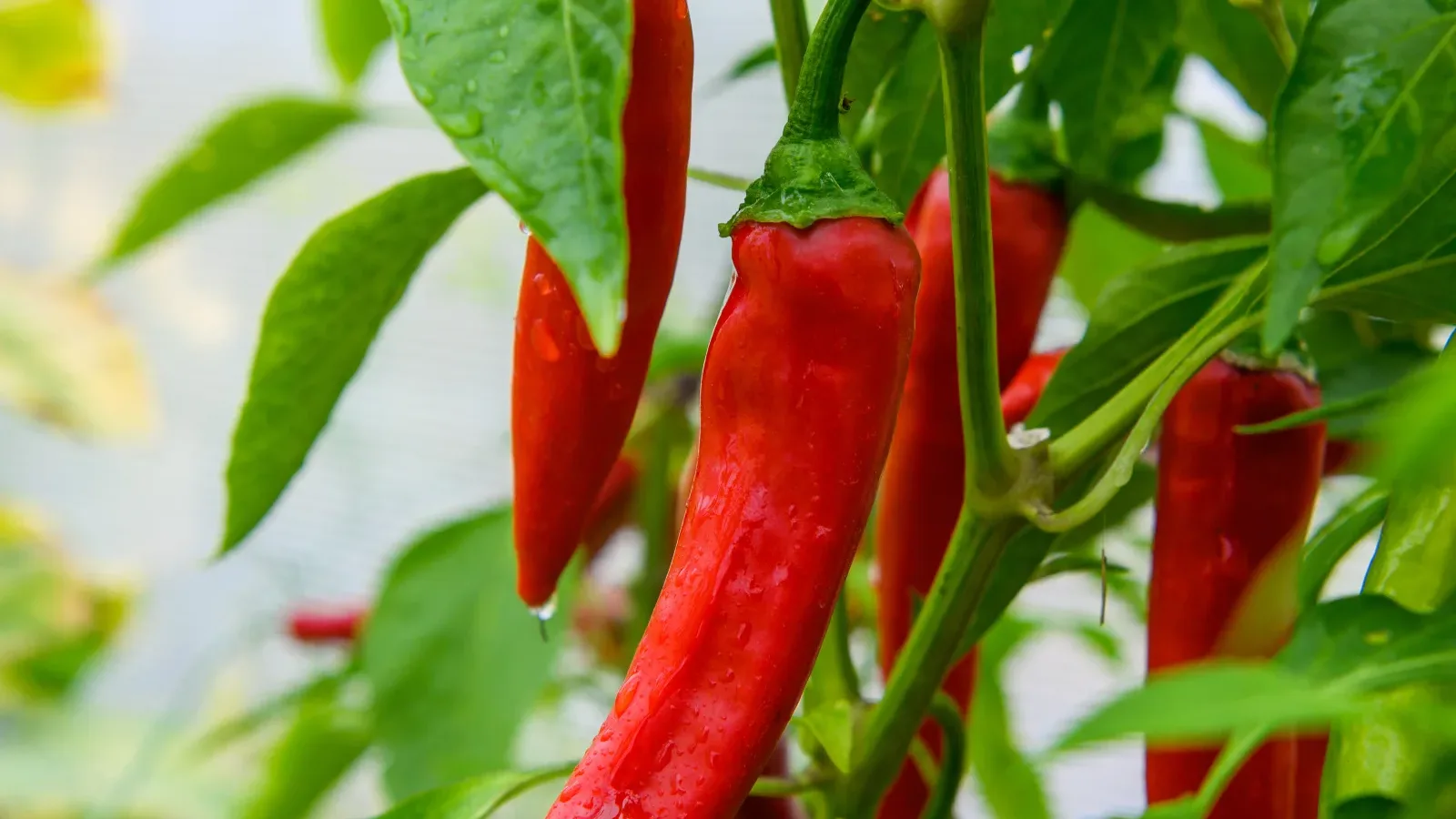
- Check the fruit for sunken, rounded lesions. If the center turns mushy and the mark spreads in concentric rings, it's very likely anthracnose.
- Start with the low-hanging leaves that nearly touch the ground and any leaves flecked with splashed-up soil.
If you act while the disease is still limited to a leaf or two, you can protect the entire patch. Once it has rained for several days, the spores have already scattered everywhere, and pulling off the bad leaves alone won't keep up.
How to choose which leaves to remove
Pick off diseased leaves and fruit the moment you spot them. But stripping too much at once weakens the plant, so work through them in this order.
- Leaves with spreading spots and any soft, infected fruit come off first. A disease that starts on one fruit jumps to the next one fast.
- Clear out the lower leaves that rest against the soil and block airflow, so a breeze can move through the center of the plant.
- Thin the overlapping side-branch leaves that cast shade, so the leaves and fruit dry off more quickly.
Don't leave the leaves and fruit you've pulled lying in the patch. Spores will spread again from where they land, so bag them up and carry them out of the garden. Wipe down your shears and your hands before moving on to the next plant.
Cut down on moisture and soil splash
The longer the leaves and fruit stay wet, the worse anthracnose gets. So every step of care comes down to one thing: help them dry fast, and keep the soil from splashing up.
- Water in the morning, and only at the base of the plant. Wetting the leaves from above leaves them less time to dry.
- Space the plants well apart to open up airflow. Crowd them, and the leaves stay damp all day even after the rain stops.
- Stake the plants and tie the branches up so the lower leaves get up off the soil.
- Lay straw or dried grass around the base to cut down on the muddy water that splashes when rain strikes the soil.
This kind of care only works if you finish it before the rain comes. Once the monsoon has started, there's little time left to act.
Get through the monsoon and you'll harvest into fall
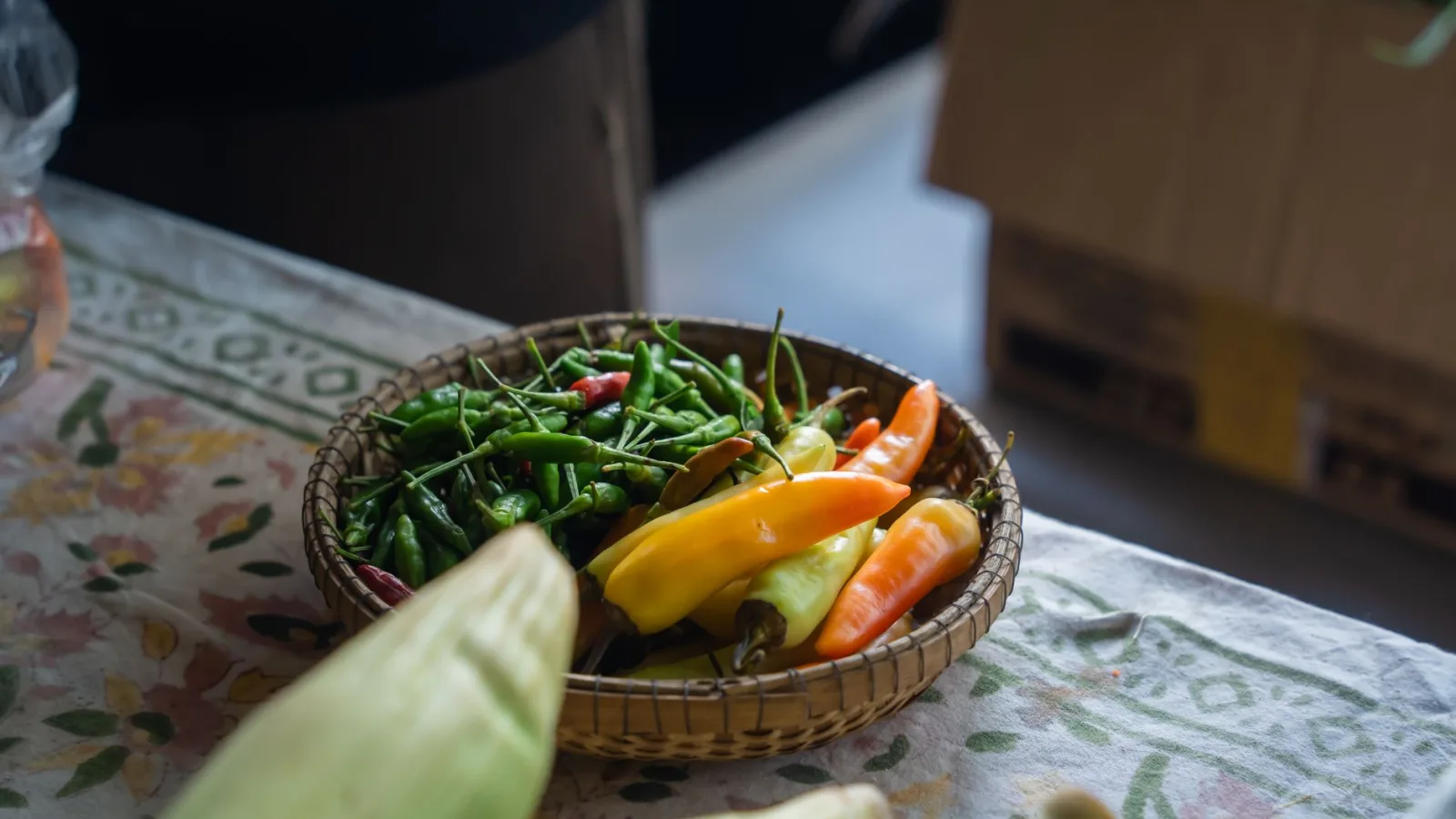
Peppers are a long-season crop, picked from July all the way through October. Clear the one hurdle of the rainy season and you can gather green peppers and red ones in turn right up to late fall. Plant a hot variety like cheongyang chili alongside milder ones such as asaki or cucumber peppers, and a single routine of care gives you peppers for every use. Once the first fruit sets, pick steadily from the bottom up as they ripen. Harvest on time, and the plant pours its energy into the next round of fruit.
A well-grown pepper earns its place at the table. Capsaicin, the source of the heat, stimulates digestive juices and aids absorption, and green peppers are rich in vitamin C. They go beautifully worked into a seasoning paste with garlic and ginger, or stir-fried in oil to bring out their flavor.
When you head out to the garden today, check the forecast first, then make a round of the lower leaves' undersides on a clear day. Stop it on one leaf, and you save the whole patch.
Sources: Rural Development Administration; food and nutrition information.