
- Type
- Herbs & Aromatics
- Difficulty
- Easy
- Season
- Summer
- Sowing
- From seed
Perilla (Deulkkae)
Perilla frutescens
Omega-3 in the seed, a Korean crop pressed for oil
Perilla (deulkkae) is a mint-family crop grown for two things: oil pressed from the seed, and the leaves eaten fresh as kkaennip. The oil is high in alpha-linolenic acid, and the leaves carry polyphenols such as rosmarinic acid. That composition is worth knowing, but it does not mean the crop prevents any illness. Use the fresh leaves for ssam wraps and jangajji (soy-pickled side dishes), and mature seeds for pressing oil or grinding into perilla powder. Plant in May, pick leaves all summer, and gather the seeds in fall.
Year-Round Calendar
- 1
- 2
- 3
- 4
- 5
- 6
- 7
- 8
- 9
- 10
- 11
- 12
- 5
- 8
- 9
- 10
Where It Grows
-
Main producer
Widely grown as a field crop, with both the seed (deulkkae) and the leaf (kkaennip) in use. Growing areas are spread across inland North Gyeongsang and South Jeolla, and South Chungcheong. Harvest September, October
- 9
- 10
- Main producer Grown for oil in the northeast — Jilin, Liaoning and Heilongjiang.
- Major producer Cultivation centres on the leaf-use chajogi (shiso) line within the same species.
- Major producer Grown much like a minor grain in the Himalayan foothills and the northeastern hill country.
It is native to East Asia across Korea, China and Japan, so no single country can be named as its origin. The FAO has no separate entry for perilla, so national output cannot be ranked; the list above gathers the countries where cultivation actually continues. Within the same species, two lines diverge: deulkkae, pressed for seed oil, and chajogi (shiso), grown for its leaves.
- Optimum
- 20~25℃
- Range
- 15~30℃
- Hardiness
- Not hardy
- Day length
- Short-day
An annual that thrives in summer heat. Flower stalks rise only after August, once the days begin to shorten, so a late planting does not bring flowering forward; the plant withers soon after the first frost.
In Korea Nationwide
Grown nationwide. Seedlings are sown in May–June and transplanted, then in September–October whole plants are cut, dried and threshed for seed. Kkaennip leaves are picked from July until the first frost.
How to grow
- Light
- Somewhere sunny
- Soil and depth
- 25cm deep
- Spacing
- 30cm
- Watering
- Do not let it dry in summer
- Feeding
- Base dressing plus one feed
- Harvest
- Take the lower leaves continuously. For seed, cut the whole plant in autumn and dry it
What makes the difference. To keep picking leaves, keep cutting the flower spikes. Once it flowers the leaves go small and stiff
Common problems
- Aphids You will see Sticky new growth What to do Wash them off
This page describes how a crop is grown and used. It does not claim health effects for any food, nor is it intended to prevent or treat disease. Component and study notes are references only and do not mean the same result occurs in people. Consult a medical professional about health concerns.
Health Benefits
Omega-3 fatty acid profile. Oil pressed from perilla seed is high in alpha-linolenic acid (18:3), which is why it comes up so often in talk of plant-source omega-3. It is established that the body converts only a fraction of alpha-linolenic acid into EPA and DHA. What can be stated with confidence stops at the fatty-acid profile; it is not a statement about any disease.
Anti-inflammatory reports at the animal stage. Studies have measured inflammation-related markers with perilla oil in animal models. Research in people is scarce, so nothing beyond an observation at the experimental stage can be claimed yet.
What composition reviews report. Reviews of perilla seed composition report alpha-linolenic acid, rosmarinic acid and luteolin among its constituents. That means the compounds have been identified; what they do in the human body is a separate question.
Studies on alpha-linolenic acid supplements. These are studies of purified alpha-linolenic acid supplements, a different condition from using the oil as food. Several pooled analyses of supplement trials have been published, but the participant groups and the form taken are narrow, so the results do not transfer directly to cooking with perilla oil.
Nutrition
- Alpha-linolenic acid (omega-3) (Abundant in perilla oil) — The plant form of omega-3 fat
- Rosmarinic acid (Found in the leaves) — A polyphenol common to mint-family leaves
Alpha-linolenic acid (ALA, omega-3) Alpha-linolenic acid makes up 50~60% of the oil in perilla seed, which puts it among the edible oils highest in that fatty acid. It is established that the body converts only part of it into EPA and DHA. This is a statement about fatty-acid composition, not about any disease.
Linoleic acid (LA, omega-6) Perilla also carries linoleic acid of the omega-6 family. Its share of omega-3 is high enough that the fatty-acid profile differs clearly from most other cooking oils. A different profile and a different outcome in the body are, however, two separate questions.
Rosmarinic acid Rosmarinic acid, common to plants of the mint family, is present in perilla leaves. It is a polyphenol whose antioxidant activity has been measured in test tubes and in animal studies. What changes when a person eats the leaves is not yet something that can be stated.
Luteolin Luteolin, a flavonoid, is detected in the leaves and seeds of perilla. Cell studies have looked at responses related to histamine release, but that is an observation in a dish, under conditions unlike eating the leaves as food.
Leaf aroma compounds — they vary by line The scent of perilla leaf comes from the aroma compounds in its essential oil. In Korean deulkkae, perillaketone and egomaketone types are reported as the dominant ones, while perillaldehyde is the compound named for the red-leaved chajogi (shiso) form. Which compound dominates shifts with the line even within one species, which is why kkaennip and chajogi smell different. This entry stays with the compositional record.
Vitamin E & K Perilla powder and perilla leaves contain vitamin E and K. Vitamin E slows the oxidation of the oil itself, and the leaves serve as a source of vitamin K in the way any leafy green does.
Pairings
○ Raw fish, raw meat, and crab — Perilla leaves cut the fishy and gamy notes of raw fish or meat and help neutralize toxins from fish and shellfish, a benefit recognized in both the Donguibogam (a classic Korean medical text) and modern pharmacology. This is the medicinal basis behind the Korean custom of wrapping a slice of raw fish in a perilla leaf.
○ Pork belly and pork — Wrapping pork in a perilla leaf (kkaennip-ssam) is a Korean classic. The alpha-linolenic acid in perilla balances the saturated fat of pork, giving the pairing a nutritional logic that lightens a heavy meal.
○ Seaweed — Perilla seaweed soup (deulkkae miyeok-guk) is a classic postpartum recovery dish in Korea. The minerals in seaweed, the omega-3 in perilla, and chlorophyll come together in one bowl to supply the nutrients needed for recovery after childbirth. Sea Mustard (Wakame)
○ Mushrooms and bean sprouts — Adding mushrooms and bean sprouts to perilla noodle soup or perilla stew makes a balanced bowl of protein, omega-3, and fiber. The nutty richness of perilla rounds out the plainness of the vegetables for deeper flavor.
○ Steamed rice — Drizzling perilla oil over bibimbap, in place of soy sauce and sesame oil, makes a meal that helps prevent constipation. The fiber and alpha-linolenic acid in perilla stimulate the bowels and support regularity naturally.
△ High-heat cooking — Omega-3s break down under heat, so perilla oil is best used in dressings, in seasoned vegetable dishes, or drizzled on just before a dish is finished. Using it for frying or long stir-frying not only destroys the nutrients but can generate harmful oxidation byproducts.
△ Patients on blood thinners — Perilla oil and ground perilla seeds are rich in omega-3s with anti-clotting effects, so patients on anticoagulants such as warfarin should avoid large amounts. Normal dietary use poses little concern, but supplement-level doses call for medical advice.
Varieties
- Leaf type (Seed) — Grown for the leaves, which are broad and tender; pick from the bottom of the stem all summer long.
- Seed (oil) type (Seed) — Grown for seed pressed into oil; the plants stand tall and ripen in late autumn, and the leaves are coarser.
- Chajogi (red-leaf perilla) (Seed) — A red-leaved variant of the same species with a far stronger scent; a few plants are enough for pickling and color.
Source: Food and nutrition references
Stories about Perilla (Deulkkae)
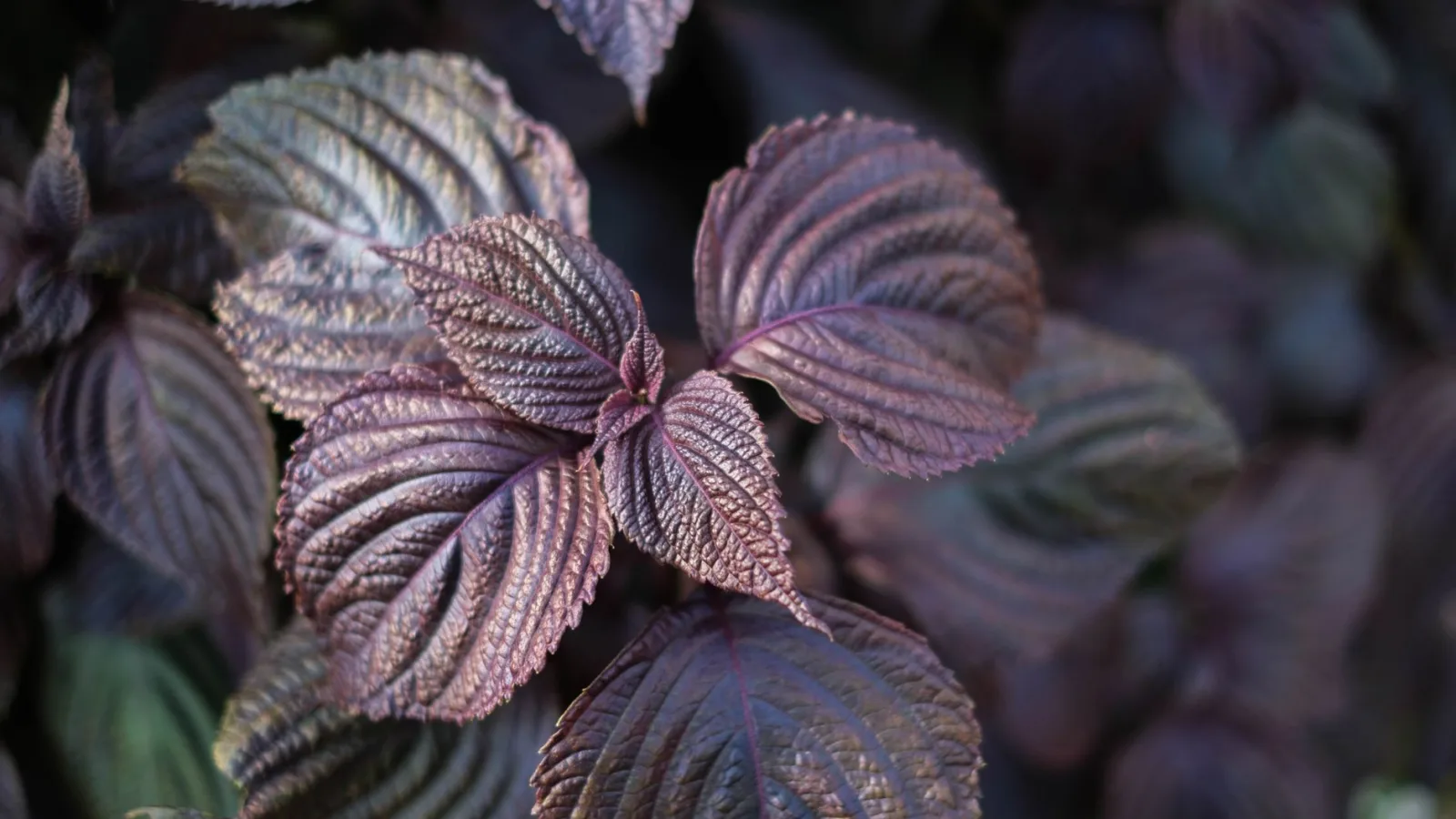
A Spoonful of Perilla Oil: How to Make Sure Your Body Keeps the Goodness
Perilla and flaxseed oils are full of plant-based omega-3s, but much of that goodness can be lost before your body absorbs it. Here's how to store, use, and pair these oils so more of it stays with you.
Planted Three Times a Year: What the Soil Held Two Meters Down
A study in India's Terai region sampled soil down to two meters and found that fields cropped three times a year held more than 1.5 times the organic carbon of fields planted only once. The takeaway for a home garden: keep something rooted in the bed.
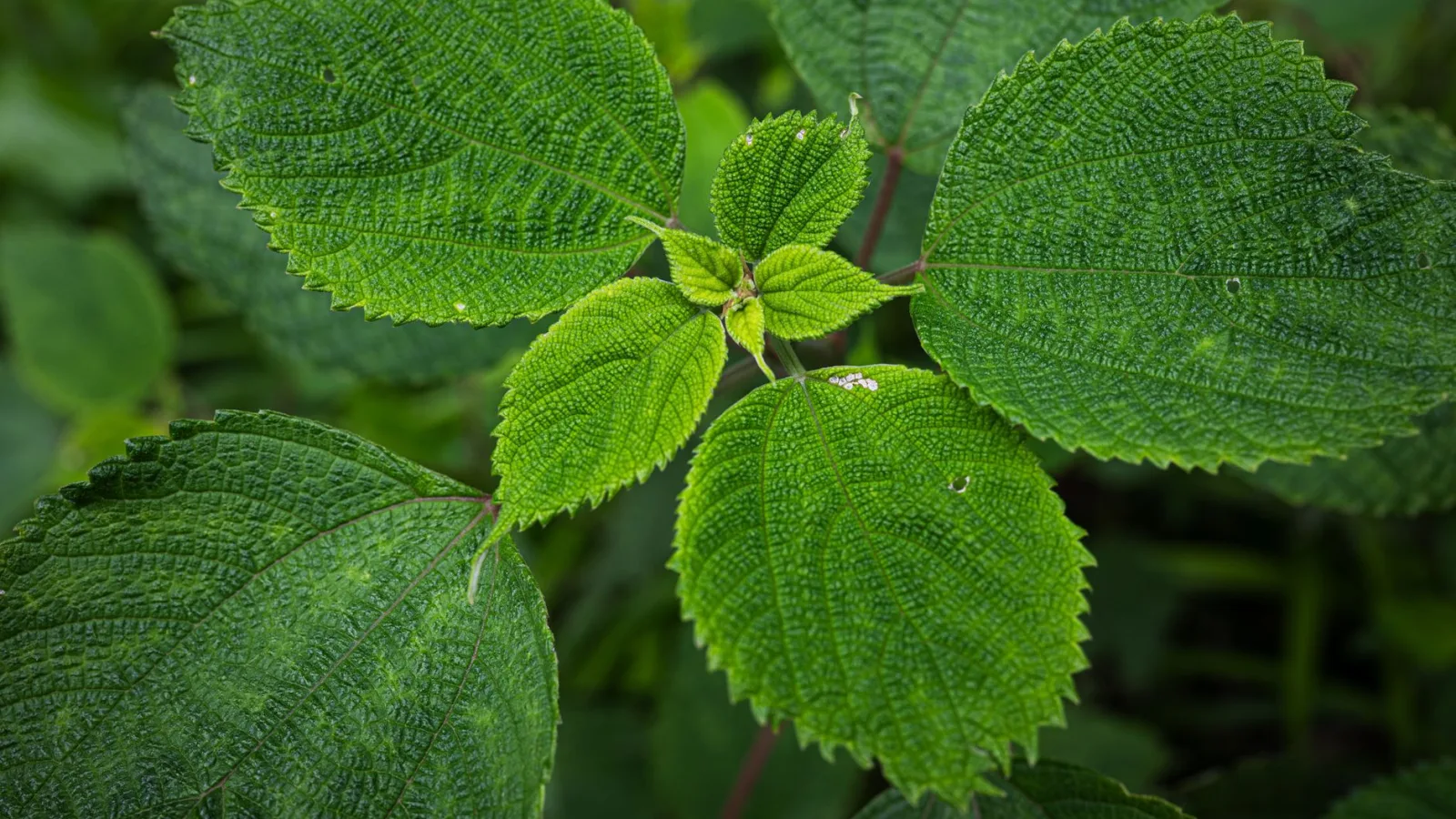
Perilla: What the Donguibogam Saw in It
Korea's classic medical text described perilla as warm and pungent, good for calming a cough and moistening the lungs — and modern nutrition finds a few surprising echoes in that old reading. A look at the leaves, the seeds, and the oil, from garden bed to dinner table.
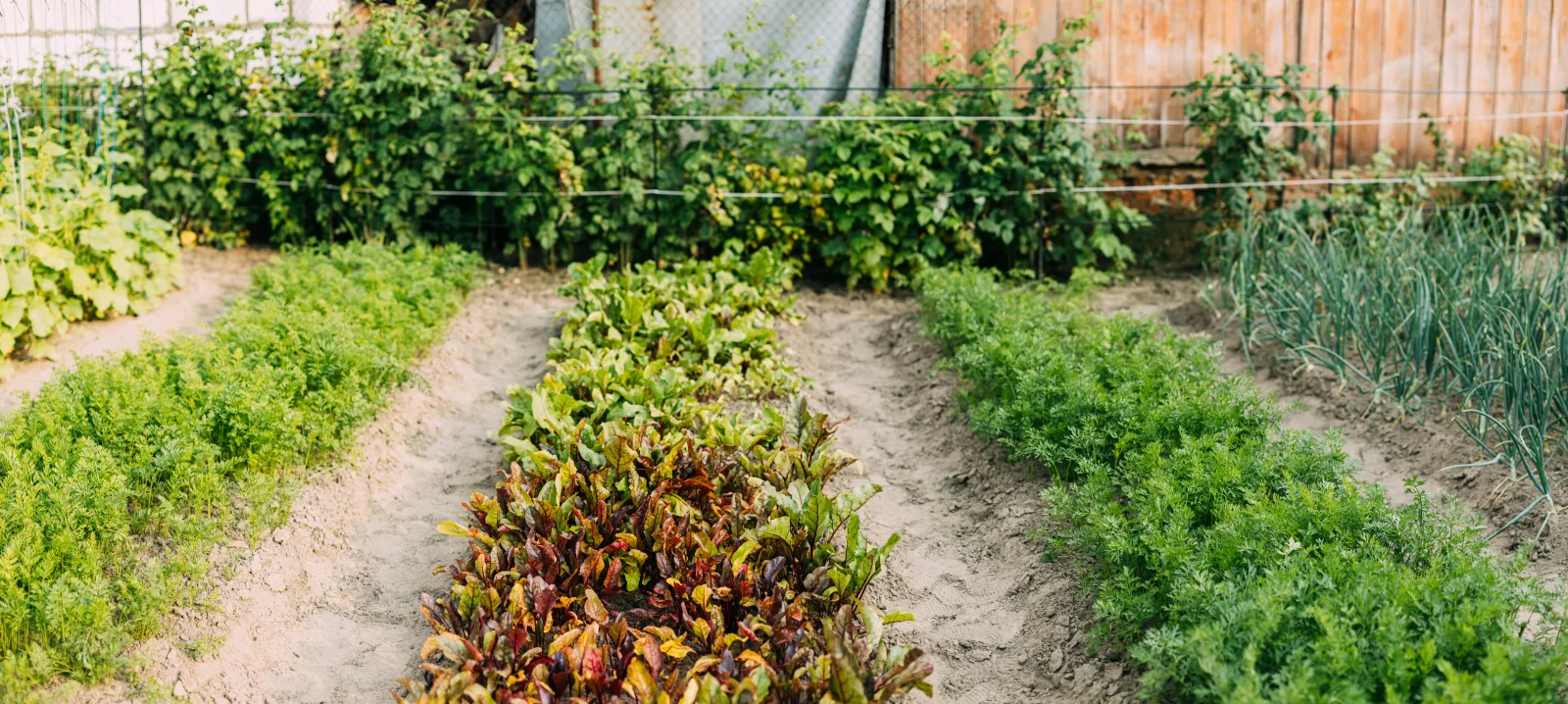
The June Garden: Five Crops It's Not Too Late to Plant
June in the garden has a quiet urgency to it. With the monsoon rains around the corner, it's tempting to think you've missed your chance, but you haven't. The trick is simply choosing the right crops, and these five will still reward a June sowing.