
- Type
- Gourds & Squash
- Difficulty
- Easy
- Season
- Summer
- Sowing
- Transplant
Pumpkin & Squash (Hobak)
Cucurbita moschata
Beta-carotene and potassium, in a fruit that deepens in sweetness as it ripens
Pumpkin and squash (called hobak in Korean) carry deeply orange flesh, and the pigment behind that colour is beta-carotene; potassium and dietary fiber are present in balanced amounts as well. Young summer squash (aehobak) is tender and mild, while mature winter pumpkin (neulgeun hobak) develops deeper sweetness and aroma. In Korea it has long been a dish set out during postpartum recovery. Set out transplants in May and the harvest runs from summer through fall. Once in a while a fruit comes out strongly bitter; do not eat that one, and discard it whole.
Year-Round Calendar
- 1
- 2
- 3
- 4
- 5
- 6
- 7
- 8
- 9
- 10
- 11
- 12
- 4
- 5
- 7
- 8
- 9
- 10
Where It Grows
- Main producer Accounts for more than a third of world production. On fields in North and Central China, growers raise lines for young fruit and lines left to mature as separate crops.
- Major producer On the subtropical plains the year is split and the crop is planted several times over.
- Major producer Fields in the black-earth belt are the center, and the volume of oilseed pumpkins pressed for oil is large.
- Major producer Production is concentrated where summers are long and hot, such as the southern Volga and the North Caucasus.
- Major producer Illinois is the processing-crop region, and this is a country with a separately large demand for autumn ornamental use.
- Major producer It falls within the region where Cucurbita was domesticated, so many landraces remain, and both young fruit and seed are produced.
The genus Cucurbita was domesticated across a region reaching from Mexico through Central America into northern South America, and the Cucurbita moschata covered in this entry branched off within that same area. Because the origin does not narrow to a single country, no origin row has been set. After the age of exploration it spread to Europe and Asia, arriving in Korea around the end of the 16th century. The FAO counts pumpkins, pepo squash and gourds together as the single item 'pumpkins, squash and gourds', so the ranking above mixes in Western squash and oilseed pumpkins.
- Optimum
- 22~28℃
- Range
- 15~35℃
- Hardiness
- Not hardy
It takes heat well but is very weak to frost. Growth stops below 15℃, and once the first frost falls the vines die that same day. The wide day-to-night temperature swings from late summer onward, as the fruit ripens, raise the sweetness.
In Korea Nationwide
Grown outdoors across the country. Young fruit comes from greenhouses in the south, in places such as Jinju and Changnyeong, even through the winter, while mature pumpkins are ripened in the field until the frost.
How to grow
- Light
- Somewhere sunny
- Soil and depth
- 30cm deep or more
- Spacing
- A metre or more. The vine travels
- Watering
- Plenty, but ease off as the fruit ripens
- Feeding
- A generous base dressing before planting
- Harvest
- When the skin is hard enough to resist a fingernail and the stalk has dried
What makes the difference. Short of space, train it upward instead of letting it sprawl, and sling the fruit in a net bag
Common problems
- Powdery mildew You will see White leaves What to do Airflow and lower-leaf removal
- Fruit fly You will see Young fruit rots and drops What to do Bag the fruit
This page describes how a crop is grown and used. It does not claim health effects for any food, nor is it intended to prevent or treat disease. Component and study notes are references only and do not mean the same result occurs in people. Consult a medical professional about health concerns.
Health Benefits
Beta-carotene (what is established). The deep orange of pumpkin flesh comes from beta-carotene, and it is established that the body converts this pigment into vitamin A. That is a fact about the compound; it does not mean that eating pumpkin prevents any particular eye disease.
Lutein and zeaxanthin. It is established that lutein and zeaxanthin accumulate in the macula of the eye, and pumpkin contains both carotenoids. Accumulation is the extent of what is established; beyond that there is nothing to say for this crop.
Potassium and fiber (composition). Potassium is a mineral involved in fluid balance, and dietary fiber passes through the gut undigested, adding bulk. That pumpkin carries both is a matter of composition; there is no basis for saying it changes the course of any condition.
Research on pumpkin seed oil (an extract). The clinical trials were run on oil pressed from pumpkin seeds, which differs in both form and dose from chewing the seeds themselves. For the seed as a food, what can be said today stops at its composition: high in zinc, magnesium and plant protein.
Tryptophan. Pumpkin seeds contain the essential amino acid tryptophan, and its role as the starting material for serotonin and melatonin is settled biochemistry. No body of research shows that a handful of seeds brings on sleep.
What remains at the animal-study stage. There are animal-study reports on polysaccharides isolated from pumpkin. Whether the same holds in humans has not been established, and what was tested was an extracted fraction rather than pumpkin as it reaches the table.
Nutrition
- Beta-carotene (Abundant) — The pigment behind the orange flesh
- Potassium (Abundant) — A mineral common in vegetables
- Dietary fiber (Abundant) — Includes pectin, the soluble kind
- Cucurbitacin (The bitter compound particular to the gourd family) — Occasionally comes through strongly in an individual fruit
Beta-carotene Beta-carotene is the pigment behind the deep orange of mature pumpkin and kabocha squash, and pumpkin sits among the higher-content vegetables. It is a precursor the body converts into vitamin A, and it is handled in research as a compound with antioxidant activity in vitro.
Lutein & zeaxanthin Pumpkin carries both lutein and zeaxanthin. That these two carotenoids accumulate in the macula of the eye is established, but it should not be read as meaning that eating pumpkin alters any eye condition.
Vitamins C, E & B group, folate, potassium & dietary fiber Vitamins C, E and the B group, along with folate, potassium and dietary fiber, are all present. Rather than one nutrient standing out, the composition spreads evenly across several.
Pectin The soluble fiber of pumpkin is mostly pectin. It thickens as it takes up water, which is why pumpkin porridge turns dense without anything added, and the custom of serving pumpkin during postpartum recovery is tied to that soft texture.
Tryptophan Pumpkin seeds contain the essential amino acid tryptophan. What is established stops there: it is the starting material from which serotonin and melatonin are built.
Pumpkin seed Pumpkin seeds are rich in magnesium, zinc, plant protein and unsaturated fat, carrying about 30 g of protein per 100 g. They also contain a compound called cucurbitin, which left them a place in old home remedies, though nothing has been established in humans.
Low calorie Mature pumpkin runs about 40 kcal per 100 g and kabocha squash about 70 kcal, both on the low side. Natural sweetness and a filling quality bring it to the table often as porridge or soup.
Bitterness and cucurbitacin Gourd-family crops occasionally throw an individual high in cucurbitacin. It can appear in plants grown from home-saved seed or crossed with another gourd, and such a fruit is bitter enough to recognise in a single bite. If it tastes bitter, spit it out and discard the whole fruit.
Pairings
○ Beef, pork, and chicken — Paired with protein-rich meat, pumpkin's carotene is better absorbed and the overall nutritional balance improves. Korean dishes like steamed pumpkin, pumpkin jeon (savory pancakes), and chicken soup with added pumpkin are classic examples.
○ Olive oil and butter — Because pumpkin's beta-carotene is fat-soluble, cooking it with olive oil or butter greatly aids absorption. Adding a pat of butter to pumpkin soup or drizzling olive oil over roasted pumpkin takes nutrient uptake up a notch.
○ Cinnamon, ginger, and clove — Adding cinnamon, ginger, and clove to pumpkin pie or a pumpkin latte is a Western dessert staple. The warming spices bring out pumpkin's sweetness and add a warming quality, making this a natural fit for fall and winter. Clove · Ginger
○ Shrimp and seafood — Kabocha-and-shrimp gratin pairs pumpkin's sweetness with the savory depth of shrimp. The protein in seafood meets pumpkin's carotenoids to make a nutritionally rich single dish.
○ Tofu and beans — Adding tofu or beans to pumpkin supplements plant protein. Pumpkin-and-tofu salads, or pumpkin porridge with beans stirred in, are used in vegetarian diets to round out nutritional balance. Soybean
○ Honey and sugar — A touch of honey or sugar in pumpkin porridge or pumpkin cake plays up the squash's natural sweetness. Since pumpkin itself isn't very high in sugar, a small amount of sweetener naturally became the way to finish the flavor.
○ Multigrain rice and beans — Combining pumpkin with red beans (pat) and mixed grains creates a variation on dongji patjuk, the red-bean porridge eaten on the winter solstice. The protein from grains and beans meets pumpkin's vitamins and minerals to make a traditional restorative dish that brings complete nutrition together in one bowl.
△ Kidney failure — Pumpkin is rich in potassium, so people with kidney failure should limit how much they eat. When the kidneys can no longer clear potassium efficiently, taking in too much can raise the risk of complications.
△ Frying and heavy sugar — Fried pumpkin and desserts loaded with sugar pile on the calories. Nutritionally, you're better off with cooking methods that let pumpkin's natural sweetness shine.
△ If it tastes bitter, spit it out and discard the whole fruit — Cucurbits make bitter compounds called cucurbitacins. Breeding has all but removed them, but they return in plants grown from saved seed or crossed with ornamental gourds, producing fruit bitter at the first bite. This causes vomiting, diarrhoea and even hair loss — known as toxic squash syndrome — and cooking does not destroy it. Spit out a bitter mouthful and throw the whole fruit away. If you save seed, keep the plants away from other cucurbits.
Varieties
- Neulgeun hobak (mature Korean pumpkin) (Seedling transplant) — A long sprawling vine that needs room; leave the fruit until the rind hardens, before the first frost.
- Danhobak (kabocha squash) (Seedling transplant) — Fist-sized fruit with dense flesh that does not go soft, picked through summer and stored for weeks.
- Zucchini (Seedling transplant) — Grows as an upright bush rather than a runner, so it suits a small plot; fruit comes about two months after planting.
- Guksu hobak (spaghetti squash) (Seed) — The cooked flesh separates into noodle-like strands; harvest once the rind turns yellow, and allow vine space.
Source: Food and nutrition references
Stories about Pumpkin & Squash (Hobak)
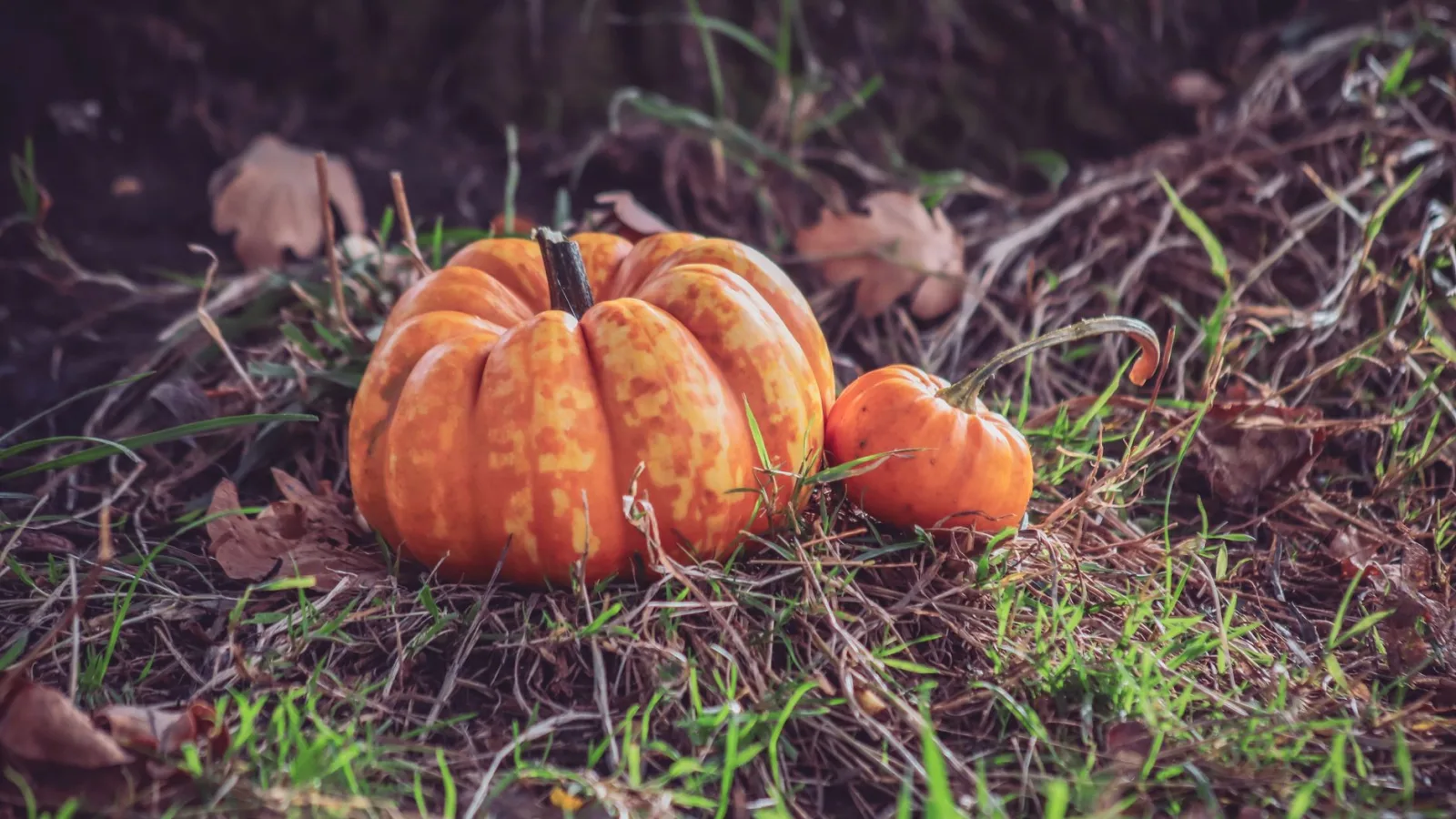
The Deep Orange of Ripe Pumpkin: A Pigment That May Help a Weary Heart
The orange color of ripe pumpkin comes from carotenoids, antioxidant pigments that may protect heart cells from damage caused by a common chemotherapy drug, according to a recent animal study. Here's what the researchers found, why it's still early, and how to get the most out of the pumpkins on your table.
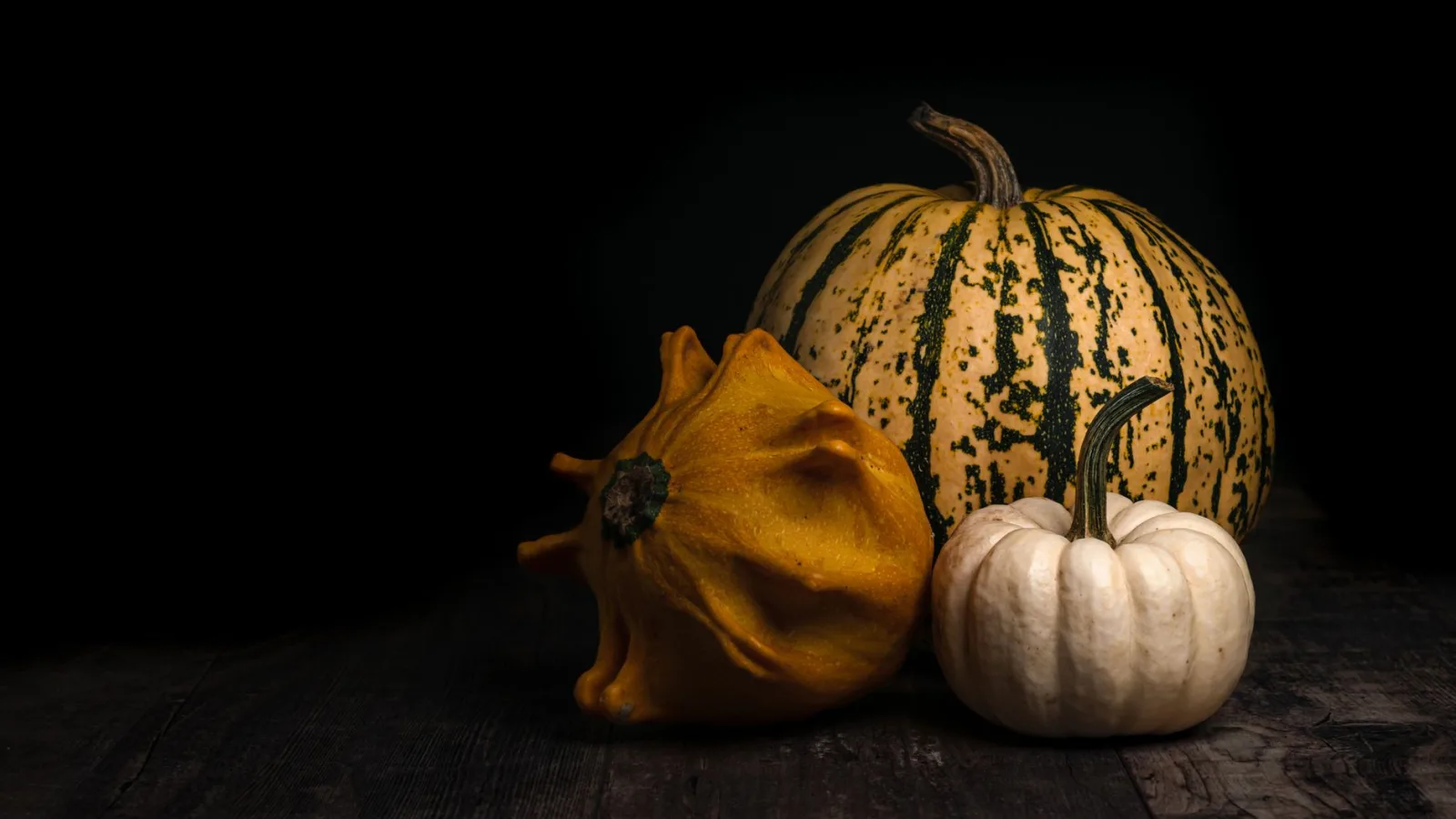
Deep Orange Pumpkin: What Survives the Pot?
Researchers analyzed sixteen compounds in Peru's heirloom loche squash, then boiled it and measured again. The carotenoids that give pumpkin its orange color held up well; the vitamin E and phenolic acids largely did not — and that changes how you should cook it.
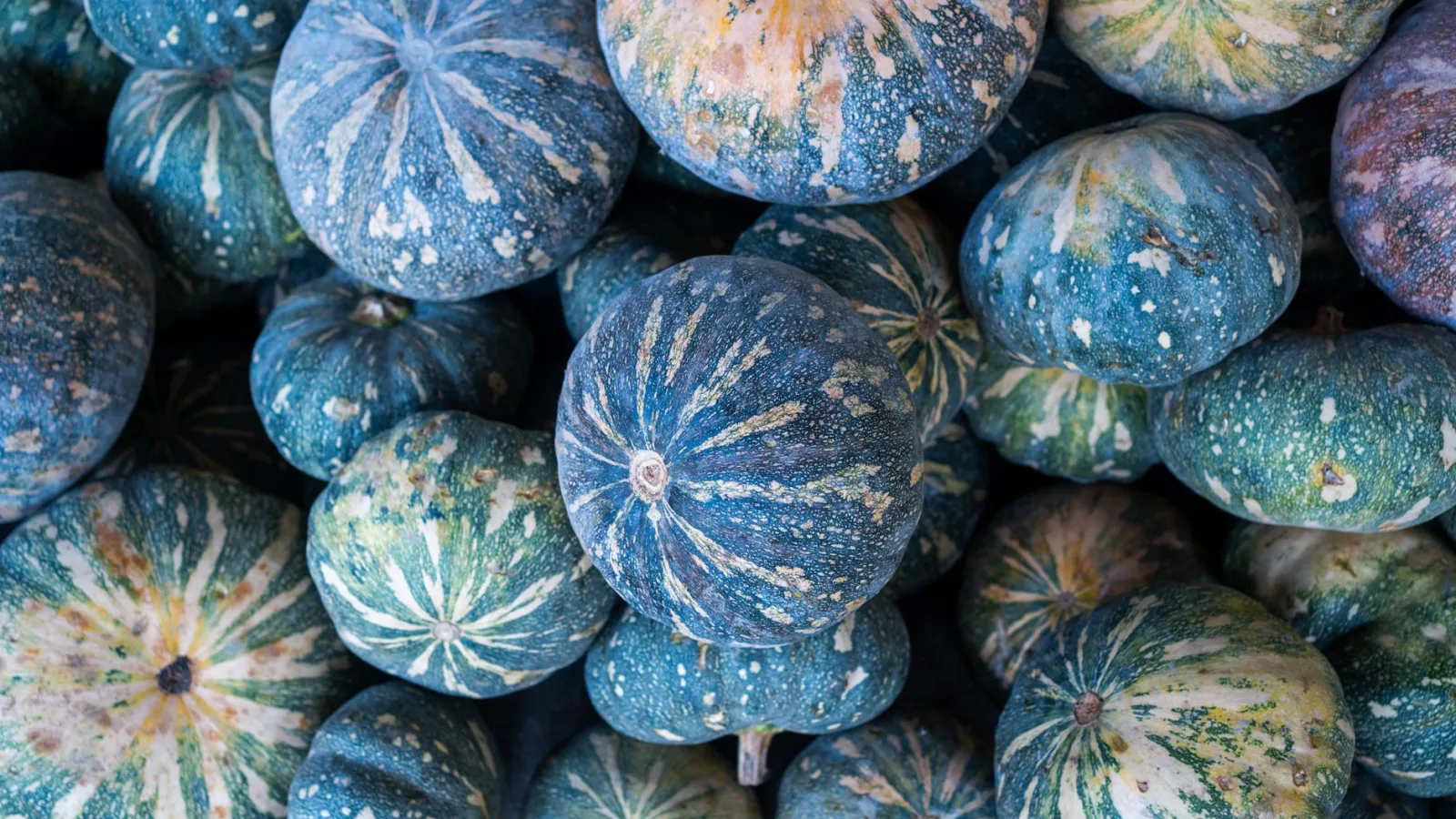
Pumpkin Leaves and Beggarticks: Read This Before You Pull Them
Researchers in Zambia fed diabetic rats extracts of winter squash leaves and Bidens pilosa — the barbed weed that sticks to your pant cuffs — and watched blood sugar fall sharply. Here's what the study found, what it doesn't prove yet, and how to harvest and cook both leaves from a home garden.
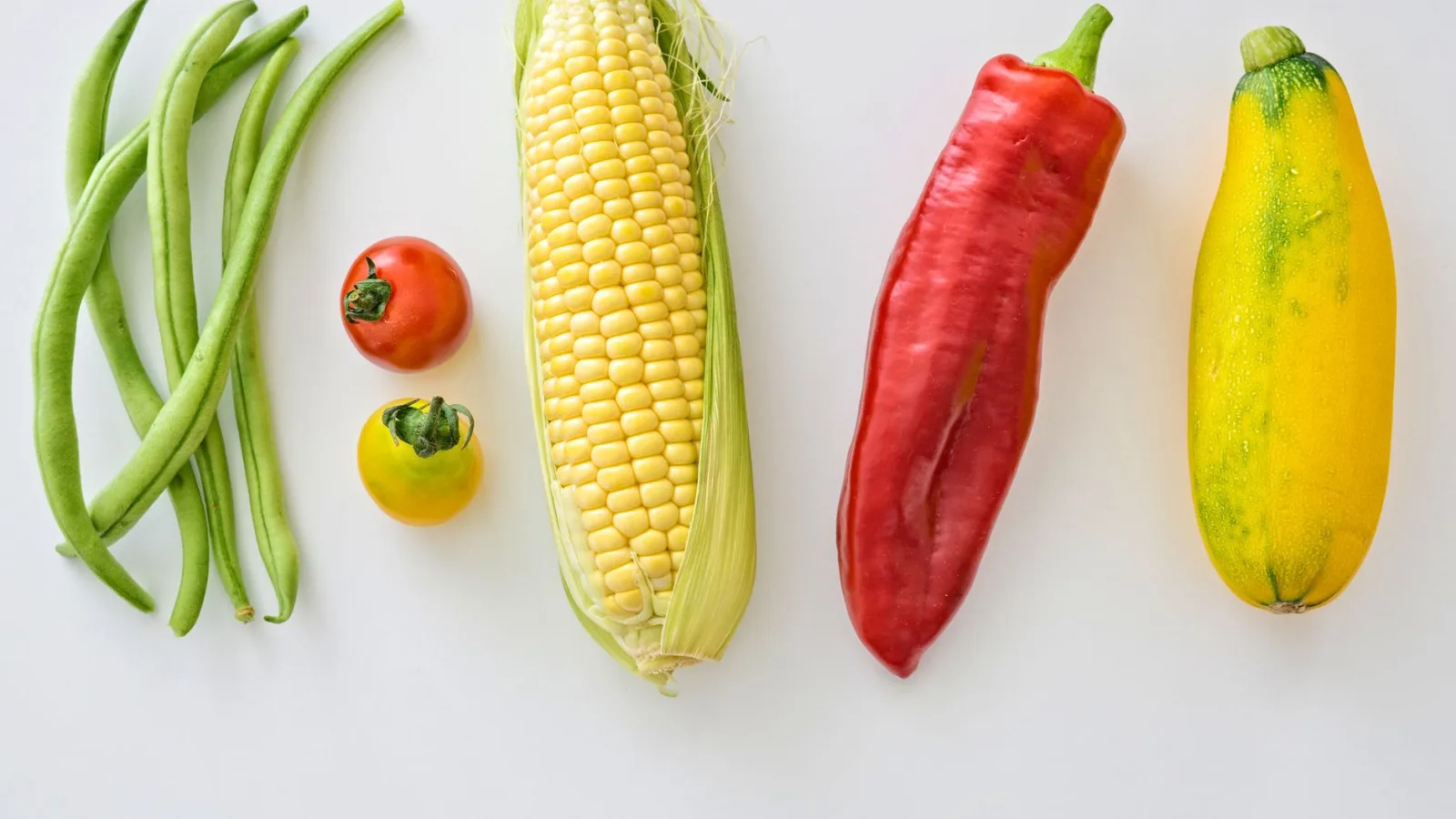
Corn, Beans, and Squash: The Three Sisters Set the Table
The milpa — corn, beans, and squash grown together in one bed — has fed Mexico and Central America for thousands of years, and the same trio grows in Korean home gardens. Research suggests the plant-forward meals it produces may help ease the inflammation, oxidative stress, and gut imbalances tied to obesity.