탕액편 · Vegetables
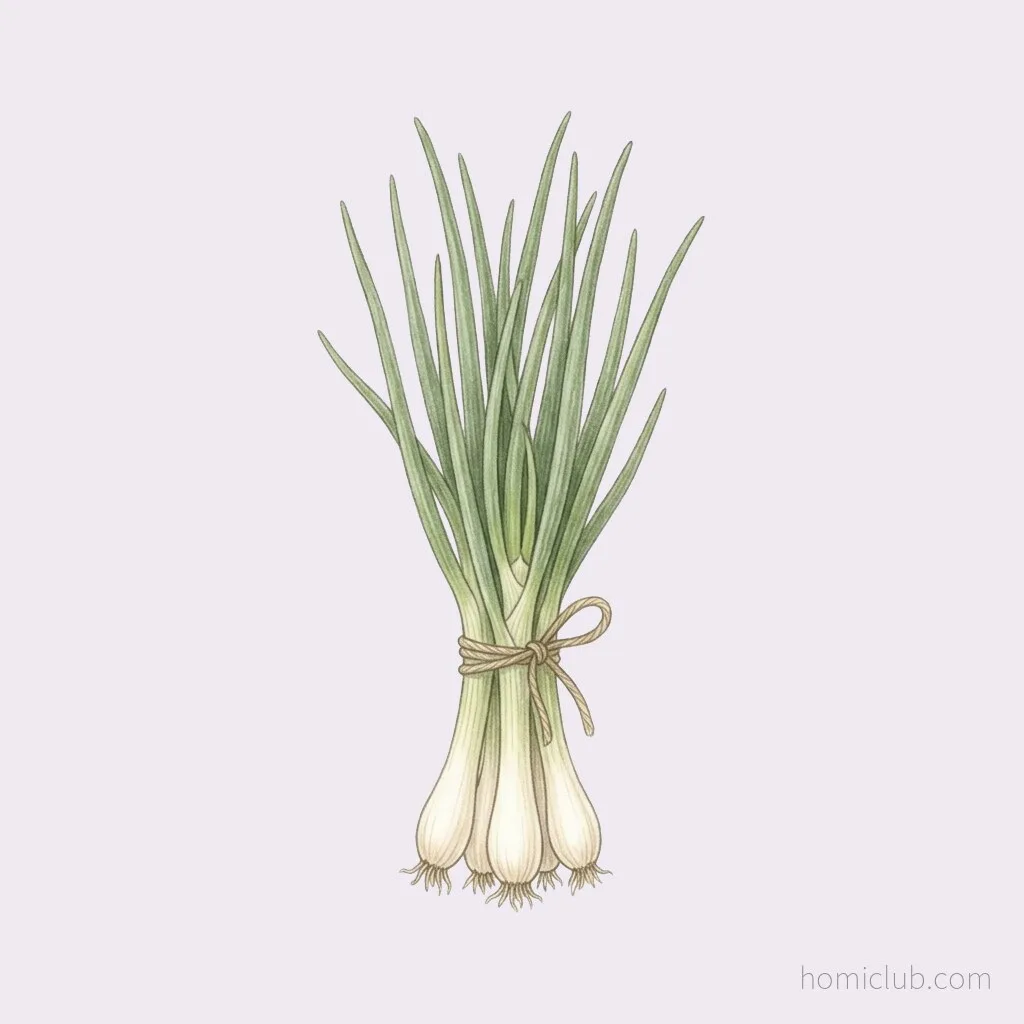
쪽파 쪽파
Related Crop · Jjokpa (Korean Bunching Onion) →
Notes
Nature and Flavor
In Korean traditional medicine, every food and herb is classified by its nature (energetic temperature — warming or cooling) and its flavor (which determines its action on the body). Jjokpa, the slender Korean scallion, is warm in nature and strongly pungent, with no toxicity.
Meridian Tropism (Organs It Acts On)
Traditional Korean medicine teaches that each herb has an affinity for specific organ systems — its "meridian tropism." Jjokpa travels to the Lung and Stomach, meaning its therapeutic action concentrates in the respiratory and digestive systems.
Main Effects
- Wind-cold colds and sweating: The white bulb portion of jjokpa (called chongbaek) simmered in hot water and drunk as a tea helps at the very first signs of a chill-type cold. A handful of jjokpa stirred into bean-sprout soup or seaweed soup is a long-standing Korean home remedy.
- Warming the digestive center: Helps the body process cold foods and heavy, oily dishes.
- Opening blocked passages: Its sharp aroma is said to clear a stuffed nose and relieve a tight, congested chest.
- Circulation and stagnant blood: Like garlic and Korean chives, jjokpa contains sulfur compounds with circulatory effects.
How It Is Used
As a seasoning — stirred into pancakes (pajeon), soups, and stews at the final stage. Also fermented as jjokpa kimchi, dressed as a seasoned side dish, or, for the earliest stage of a cold, simmered (white parts only) as a warming tea.
Cautions
People with a yin-deficient, fire-rising constitution — marked by dry mouth and a sensation of inner heat or restlessness — should go easy on it. Those with gastritis or acid reflux should avoid using it as a strong seasoning. Eating large amounts raw can irritate the stomach.
Readings are Homiclub’s own. Consult a professional for medical decisions. · 동의보감(자체 풀이)