탕액편 · Trees

桑根白皮 뽕나무 뿌리껍질 (상근백피)

Original, read line by line 東醫寶鑑 · 탕액편 권3

  1. 治肺氣喘滿, 水氣浮腫.

    치폐기천만, 수기부종

    It treats wheezing and chest fullness from disordered lung qi, as well as edema caused by water retention.

  2. 消痰止渴, 去肺中水氣, 利水道.

    소담지갈, 거폐중수기, 이수도

    It dissolves phlegm, quenches thirst, drives out water lodged in the lungs, and opens the urinary passages.

  3. 治咳嗽唾血, 利大小腸, 殺腹藏蟲.

    치해수타혈, 이대소장, 살복장충

    It treats coughing with bloody sputum, smooths the large and small intestines, and kills intestinal parasites.

  4. 又可縫金瘡.

    우가봉금창

    It can also be used as a thread to suture wounds inflicted by metal blades.

  5. 採無時, 出土者殺人.

    채무시, 출토자살인

    There is no fixed harvest season, but roots that have surfaced above the soil are poisonous and can be deadly.

  6. 初採, 以銅刀刮去上麄皮, 取其裏白, 暴乾.

    초채, 이동도괄거상추피, 취기리백, 폭건

    After harvesting, scrape off the coarse outer bark with a copper knife, take only the white inner layer, and dry it in the sun.

  7. 東行根, 益佳. 《本草》

    동행근, 익가. 《본초》

    Roots that have grown eastward are said to be especially fine. 《Bencao》

  8. 入手太陰經, 瀉肺氣之有餘.

    입수태음경, 사폐기지유여

    It enters the Hand Taiyin lung meridian and drains excess lung qi.

  9. 利水生用, 咳嗽蜜蒸或炒用. 《入門》

    이수생용, 해수밀증혹초용. 《입문》

    Use it raw to drain water; for coughs, steam it with honey or stir-fry it first. 《Yimun》

  10. On the leaves of the mulberry.

  11. 家桑葉, 煖無毒.

    가상엽, 난무독

    Leaves from cultivated mulberry trees are warm in nature and free of toxicity.

  12. 除脚氣水腫, 利大小腸, 下氣, 除風痛.

    제각기수종, 이대소장, 하기, 제풍통

    It relieves beriberi swelling, eases the bowels and bladder, descends rising qi, and soothes wind-induced pain.

  13. 葉椏者, 名雞桑, 最佳.

    엽아자, 명계상, 최가

    Leaves that grow forked are called 'gyesang' (chicken mulberry) and are reckoned the finest.

  14. 夏秋再生葉爲上, 霜後採用. 《本草》

    하추재생엽위상, 상후채용. 《본초》

    Leaves that resprout in summer and autumn are considered the best; gather them after the first frost. 《Bencao》

  15. On the branches of the mulberry.

  16. 春葉未開枝, 切炒, 煮湯飮, 治一切風.

    춘엽미개지, 절초, 자탕음, 치일체풍

    Branches cut before the spring leaves unfurl are sliced, roasted, and boiled into a drink that treats every kind of wind disorder.

  17. 療水氣, 脚氣, 肺氣咳嗽上氣.

    료수기, 각기, 폐기해수상기

    It alleviates water retention, beriberi, and lung-qi cough with rising breath.

  18. 消食, 利小便.

    소식, 이소변

    It aids digestion of food and promotes smooth urination.

  19. 治臂痛, 療口乾.

    치비통, 료구건

    It treats aching arms and relieves dryness of the mouth.

  20. 卽桑枝茶也. 《本草》

    즉상지차야. 《본초》

    This is what is known as sangji-cha, the mulberry-branch tea still enjoyed today. 《Bencao》

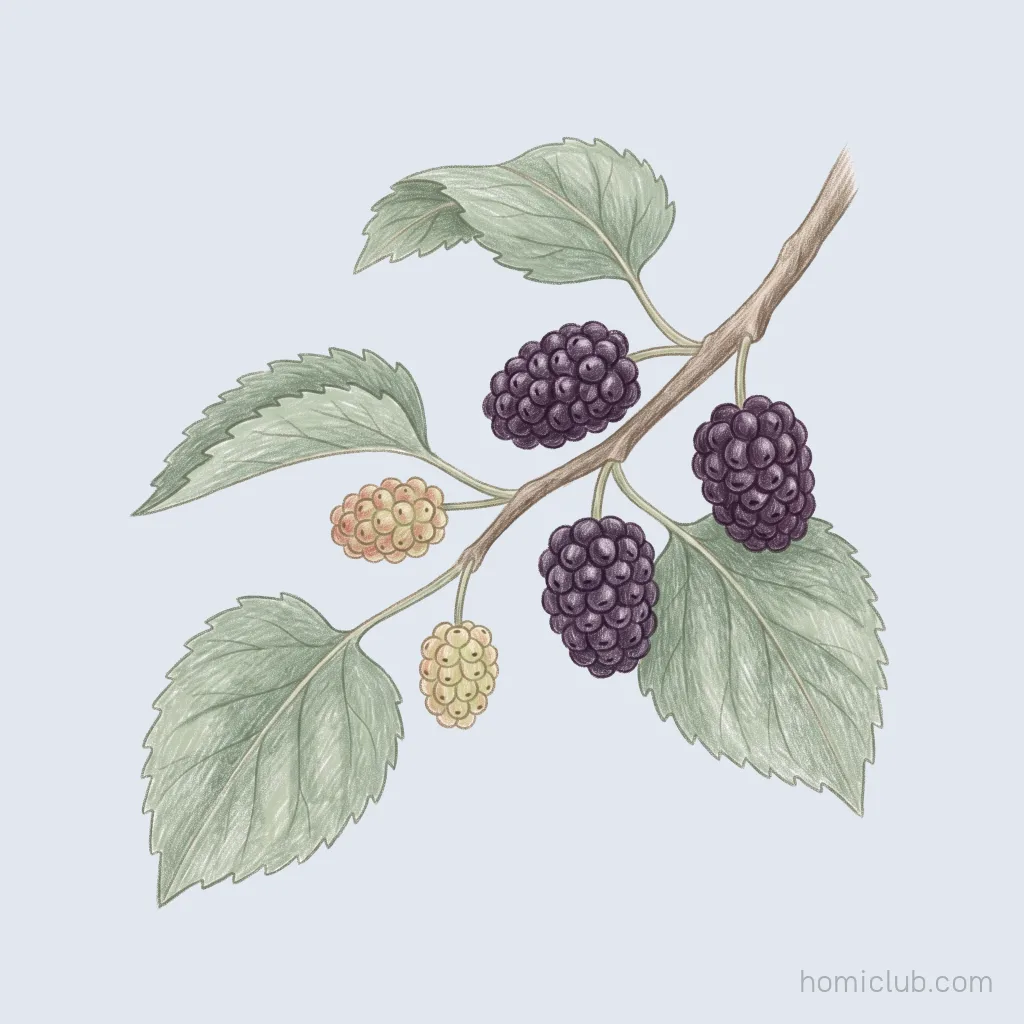
  21. On the mulberry fruit (oh-di).

  22. 性寒, 味甘, 無毒. 主消渴.

    성한, 미감, 무독. 주소갈

    Cold in nature, sweet in taste, and non-toxic; it primarily treats wasting-thirst syndrome.

  23. 利五藏, 久服不飢.

    이오장, 구복불기

    It harmonizes the five viscera, and long-term consumption staves off hunger.

  24. 黑椹, 桑之精英, 盡在於此. 《本草》

    흑심, 상지정영, 진재어차. 《본초》

    The black ripe berries are said to hold the very essence and vigor of the mulberry tree. 《Bencao》

  25. 桑花

    상화

    On sang-hwa, the so-called mulberry flower.

  26. 性暖, 無毒. 主鼻洪吐血, 腸風, 崩中帶下.

    성난, 무독. 주비홍토혈, 장풍, 붕중대하

    Warm in nature and non-toxic; it treats nosebleed, blood-vomiting, intestinal-wind bleeding, uterine hemorrhage, and abnormal vaginal discharge.

  27. 此桑樹皮上白蘚花也.

    차상수피상백선화야

    This refers not to a true flower but to the white lichen-like growth that blooms on the mulberry bark.

  28. 以刀削取, 炒乾用. 《本草》

    이도삭취, 초건용. 《본초》

    Pare it off carefully with a knife, then stir-fry and dry it before use. 《Bencao》

  29. 桑柴灰淋汁

    상시회임즙

    On the lye drawn from mulberry-wood ash.

  30. 性寒, 味辛, 有小毒.

    성한, 미신, 유소독

    Cold in nature, pungent in taste, and slightly toxic, so it must be handled with care.

  31. 煮赤小豆作粥喫, 大下水脹. 《本草》

    자적소두작죽끽, 대하수창. 《본초》

    Boiling adzuki beans in this lye to make porridge powerfully drains abdominal water-swelling. 《Bencao》

  32. 桑蠹蟲

    상두충

    On sang-du-chung, the larva that grows inside old mulberry trees.

  33. 主暴心痛, 金瘡肉生不足.

    주폭심통, 금창육생부족

    It treats sudden, severe chest pain and helps flesh regenerate where metal-blade wounds fail to close.

  34. 老桑樹中有之. 《本草》

    노상수중유지. 《본초》

    It is found within the trunks of aged mulberry trees. 《Bencao》

  35. 柘木 뫼

    자목 (뫼뽕나무)

    Finally, on jamok, the mountain mulberry (Cudrania).

  36. 性溫, 味甘, 無毒.

    성온, 미감, 무독

    Warm in nature, sweet in taste, and non-toxic.

  37. 主風虛耳聾, 瘧疾.

    주풍허이롱, 학질

    It treats deafness caused by wind-deficiency and the recurring chills and fevers of malarial illness.

  38. 煮汁堪染黃. 《本草》

    자즙감염황. 《본초》

    Its decoction can also be used to dye fabrics a rich yellow hue. 《Bencao》

Readings are Homiclub’s own. Consult a professional for medical decisions. · 동의보감(자체 풀이)