탕액편 · 초부 (풀)
芍藥 작약 (작약)
 관련 작물 · 작약 →
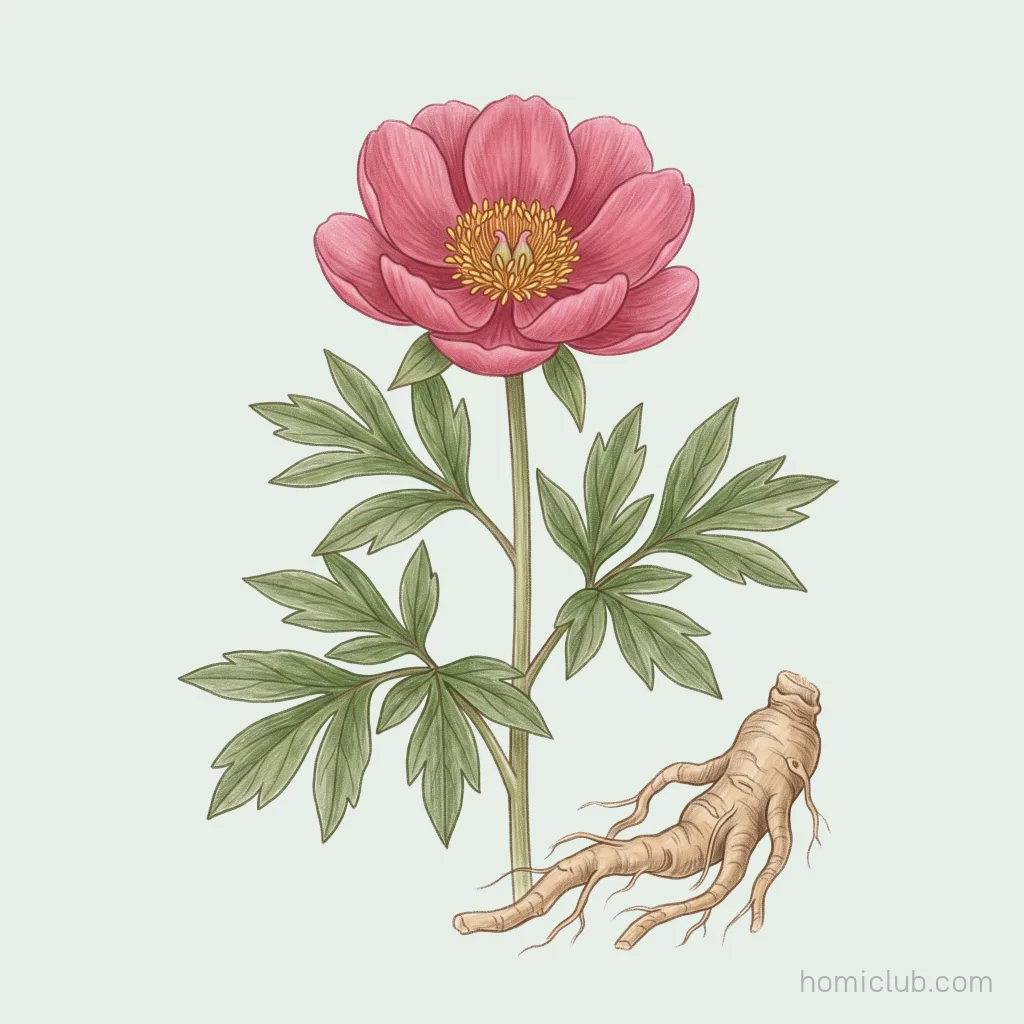
작약은 산과 들에 자라는 풀의 뿌리로, 음력 이월과 팔월에 캐어 볕에 말린다. 오늘날 함박꽃이라 부르는 크고 탐스러운 꽃이 이 뿌리에서 올라온다. 원전은 붉은 것과 흰 것 두 가지로 나누고, 산에서 절로 자란 것을 골랐다.
원문 풀이 東醫寶鑑 · 탕액편 권3
-
性平, 微寒, 味苦酸, 有小毒.
성평, 미한, 미고산, 유소독.
성질은 평이하면서 약간 차고 맛은 쓰고 시며 약간의 독이 있습니다.
-
除血痺, 通順血脉, 緩中, 散惡血, 消癰腫, 止腹痛, 消瘀血, 能蝕膿.
제혈비, 통순혈맥, 완중, 산악혈, 소옹종, 지복통, 소어혈, 능식농.
혈이 막힌 비증을 풀고 혈맥을 부드럽게 통하게 하며 속을 편안히 가라앉히고, 나쁜 피와 뭉친 어혈을 흩어 종기를 가라앉히며 배앓이를 멎게 하고 고름까지 삭여 줍니다.
-
主女人一切病, 幷産前後諸疾.
주여인일체병, 병산전후제질.
여성의 온갖 병증을 주로 다스리며 출산 전후의 여러 질환에도 두루 씁니다.
-
通月水, 療腸風瀉血, 痔瘻, 發背瘡疥, 及目赤努肉, 能明目.
통월수, 요장풍사혈, 치루, 발배창개, 급목적노육, 능명목.
월경을 잘 통하게 하고 장풍으로 피를 쏟는 증상과 치루, 등창과 옴, 눈이 충혈되고 군살이 돋는 증세까지 다스려 눈을 밝게 합니다.
-
生山野, 二月八月採根, 暴乾.
생산야, 이월팔월채근, 폭건.
산과 들에 자라며 음력 이월과 팔월에 뿌리를 캐어 햇볕에 바짝 말려 씁니다.
-
宜用山谷自生者, 不用人家糞壤者.
의용산곡자생자, 불용인가분양자.
산골짜기에서 저절로 자란 것을 써야 마땅하고, 민가의 거름밭에서 기른 것은 쓰지 않습니다.
-
又云, 須用花紅而單葉, 山中者佳.
우운, 수용화홍이단엽, 산중자가.
또 이르기를, 꽃이 붉고 잎이 홑잎인 것을 골라야 하며 그중에서도 산속에서 난 것이 으뜸이라 하였습니다.
-
一名解倉.
일명해창.
다른 이름으로는 해창이라 부르기도 합니다.
-
有兩種. 赤者, 利小便下氣, 白者, 止痛散血.
유양종. 적자, 이소변하기, 백자, 지통산혈.
작약은 두 가지가 있어, 붉은 작약은 소변을 잘 통하게 하고 기를 내려 주며 흰 작약은 통증을 멎게 하고 어혈을 흩어 줍니다.
-
又云, 白者補, 赤者瀉. 《本草》
우운, 백자보, 적자사. 《본초》
또 이르기를, 흰 것은 보하는 약이요 붉은 것은 사하는 약이라 하였습니다. 《본초》
-
入手足太陰經.
입수족태음경.
약 기운이 수태음 폐경과 족태음 비경으로 들어가 작용합니다.
-
又瀉肝, 補脾胃.
우사간, 보비위.
이와 더불어 지나친 간의 기운을 덜어 내고 비위를 든든히 보해 줍니다.
-
酒浸行經, 或酒炒或煨用. 《入門》
주침행경, 혹주초혹외용. 《입문》
술에 담그면 약 기운이 경맥을 잘 돌게 되니, 술에 볶거나 잿불에 묻어 굽는 식으로 손질해 씁니다. 《입문》
-
芍藥酒浸炒, 與白朮同用則能補脾, 與川芎同用則瀉肝, 與參朮同用則補氣.
작약주침초, 여백출동용즉능보비, 여천궁동용즉사간, 여삼출동용즉보기.
작약을 술에 담갔다가 볶아 백출과 함께 쓰면 비를 보하고, 천궁과 함께 쓰면 간을 사하며, 인삼·백출과 함께 쓰면 기를 든든히 보합니다.
-
治腹痛下痢者必炒, 後重則不炒.
치복통하리자필초, 후중즉불초.
배가 아프고 설사가 잦은 증세를 다스릴 때는 반드시 볶아 쓰고, 뒤가 묵직한 후중감에는 볶지 않은 채 그대로 씁니다.
-
又云, 收降之體, 故能至血海, 入於九地之下, 得至足厥陰經也. 《丹心》
우운, 수강지체, 고능지혈해, 입어구지지하, 득지족궐음경야. 《단심》
또 이르기를, 거두어 내리는 성질을 지녔기에 혈해까지 이르고 가장 깊은 구지의 아래까지 스며들어 족궐음 간경에 도달한다고 하였습니다. 《단심》
관련 작물
작약 →
작약 이야기
초부 (풀) 의 다른 항목
옛 문헌을 문화·역사 자료로 옮긴 것이며, 특정 식품의 효능을 주장하지 않습니다. 여기 소개된 것은 건강기능식품이 아니고 질병의 예방·치료를 위한 것이 아닙니다. 건강 문제는 의료 전문가와 상담하세요. · 동의보감(자체 풀이)