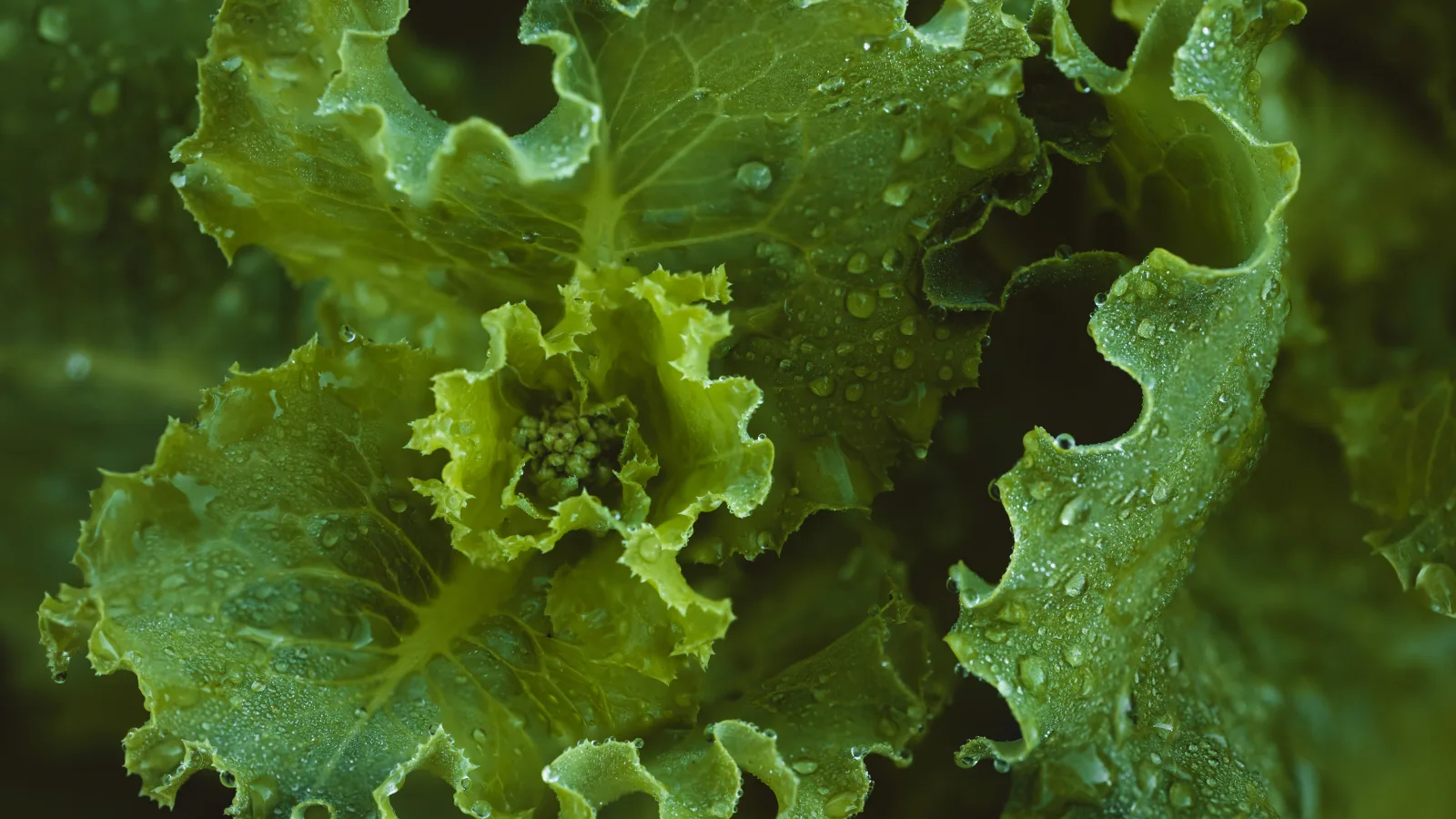
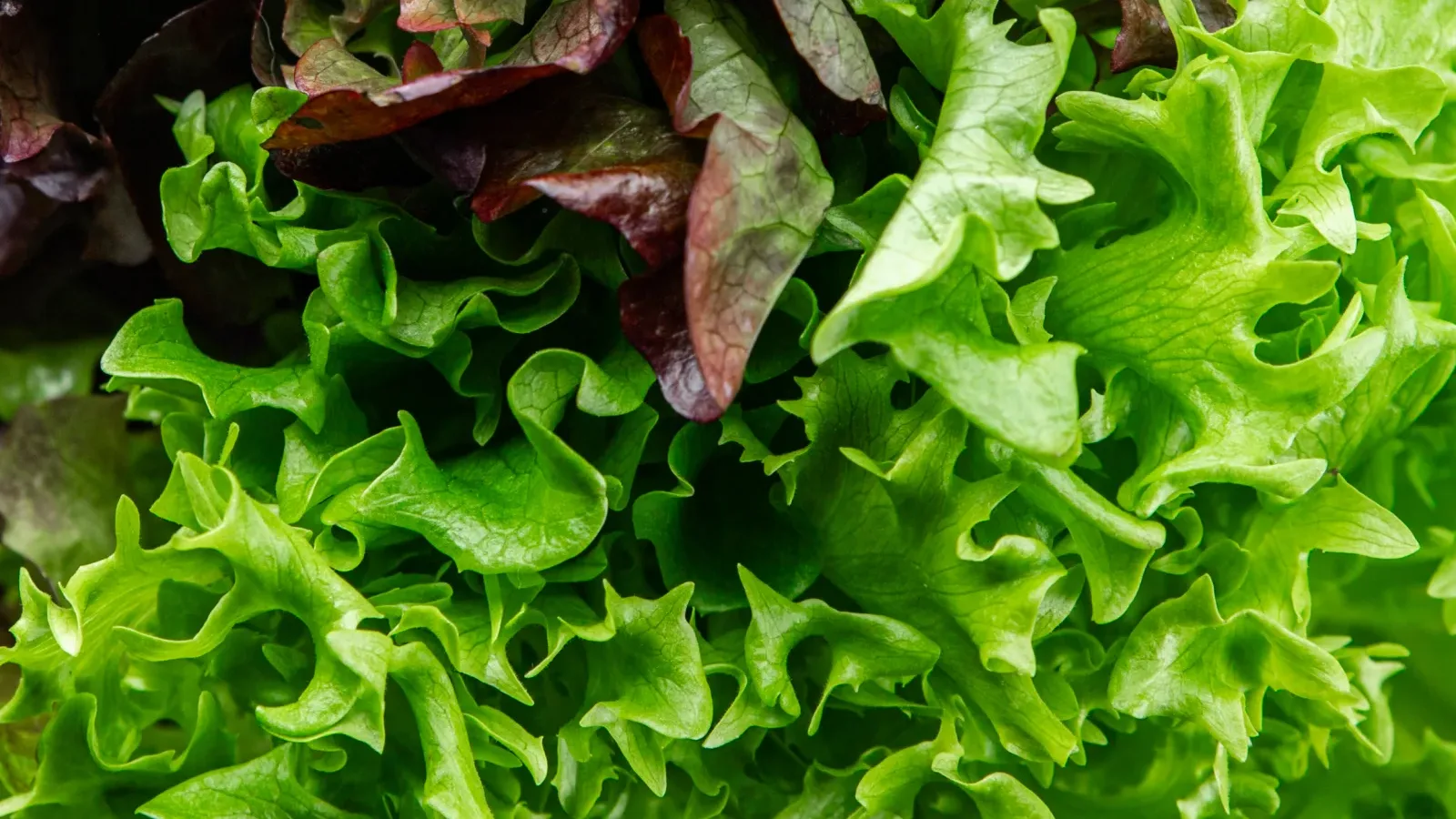
Once spring sun gets going and your lettuce grows to about the size of your palm, you start pulling off a leaf or two for the dinner table. Green leaf, red leaf, romaine, these are all greens you can raise in a single corner of a balcony. What's less widely known is that the lettuce you eat a leaf or two of each day is also tied to bone health. The deeper green the leaf, the more vitamin K it holds, and dark leafy greens like lettuce are one of the best sources.
What Vitamin K Does for Your Bones
Vitamin K is the nutrient that helps the proteins responsible for anchoring calcium to your bones do their job. You can eat plenty of calcium, but if those proteins aren't activated, the calcium has a hard time settling into the bone. That's why meals that pair calcium with vitamin K are considered good for bone health. Vitamin K is fat-soluble, so your body absorbs it better when you eat it with a little fat. Wrapping a piece of grilled meat in a lettuce leaf, or dressing a salad with olive oil, actually works in your favor here.
One word of caution, though. If you take blood thinners in the warfarin family, a sudden jump or drop in how much vitamin K you eat can affect how well the medication works. In that case there's no need to give up lettuce; the safest approach is simply to keep your usual amount steady from day to day.
The Nutrition Packed Into a Single Leaf
Beyond vitamin K, lettuce carries other compounds that benefit your bones and cells. According to data from Korea's Rural Development Administration, 100 grams of lettuce contains about 49 micrograms of folate. Folate is a nutrient your body uses to build new cells, which makes it especially worth recommending for anyone trying to conceive or already pregnant. On top of that you get calcium, iron, and antioxidant pigments like anthocyanins and beta-carotene that give the leaves their color. That reddish tint in red leaf lettuce is anthocyanin, and the darker the variety, like the deeply colored Heukharang cultivar, the more pigment it holds.
Snap a stem and you'll see a milky white sap that contains a compound called lactucin. Lactucin has a mild calming effect, which is why lettuce has long been used as a sleep-friendly vegetable. The practice is an old one, recorded as a medicinal use not only in Korea and China but even in the writings of ancient Egypt.
The Sleep Benefit, Backed by Numbers
That traditional use has recently been confirmed in the clinic. Heukharang, a domestic variety developed by South Jeolla Province's Agricultural Research and Extension Services, contains up to 124 times the lactucin of ordinary lettuce. Animal studies reported that an extract of Heukharang leaves helps promote sleep by acting through GABA (gamma-aminobutyric acid) receptors, and in 2025 a randomized, double-blind, placebo-controlled trial of 91 Korean adults was published. The group that took the Heukharang extract scored lower on sleep-quality (PSQI) than the placebo group (6.48 versus 7.41), and in measurements timing how long it took to fall asleep, total sleep time rose by about 35 minutes. You can't expect the same effect from a leaf or two of ordinary lettuce, but it does give a molecular explanation for the old habit of serving lettuce alongside dinner.
How to Get the Most Out of It
Both vitamin K and lactucin are sensitive to heat, and some of what lettuce offers is fat-soluble, so eating the leaves raw with a little fat suits them well. Wrap pork belly or beef in a lettuce leaf and the fat from the meat helps your body absorb the vitamin K, while the fiber and water lighten up a heavy meal. Add ssamjang, a dipping paste of garlic, chili, and doenjang (fermented soybean paste), and the savory tang of fermentation plays nicely against the soft leaves. For a Western take, a salad with olive oil and balsamic helps absorption on the very same principle.
- Finish dinner with two or three lettuce leaves and you may get a little help from the calming compounds.
- Eat it alongside fatty protein (meat, olive oil) to boost absorption of the fat-soluble vitamins.
- If you take medication, don't change your intake abruptly; keep it as steady as your usual amount.
Sow seeds in spring (March through April) and fall (September) and you can harvest in May and June, then again in October and November. Plant a single row of green leaf lettuce in one corner of your balcony and you'll have a fresh leaf of vitamin K to pick every day. Starting with tonight's dinner, reach for the deepest green leaf and add one more to your plate.
Sources: Korea's Rural Development Administration (Nongsaro and agri-food information); South Jeolla Province Agricultural Research and Extension Services, Heukharang lettuce study.