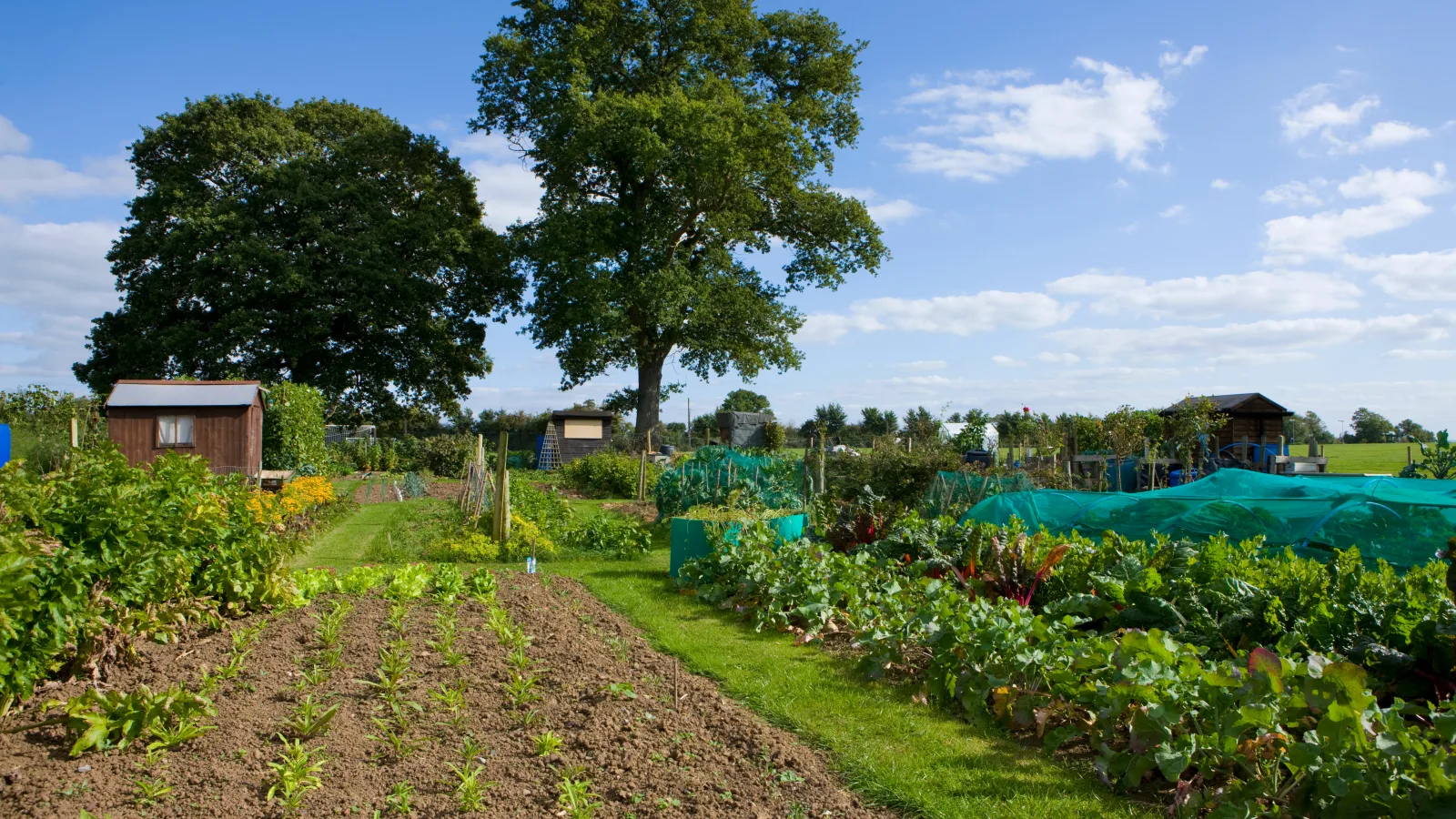
There was an evening when the lettuce I'd carried home in a plastic bag, fresh off the commute, looked oddly wilted. If you've ever stood there and thought, why not just grow some myself in a pot out on the balcony, then you're already most of the way to becoming an urban gardener. A training center in Chungbuk recently ran a hands-on urban-gardening course called the "Green Pause." The name says it all: working the soil in the middle of the city becomes a moment to catch your breath in the rush of the day.
What it means to learn gardening in the city
Urban gardening isn't something you need a big plot of land to begin. A couple of pots on the balcony, a sunny windowsill, a small rooftop—any of these is enough. This course, too, started not with heavy equipment but with the basics: leveling the soil, dropping in seeds, watering. Judging the moisture of the soil with your hand, checking the color of the leaves, peering in to see whether any bugs have settled—these are things almost anyone gets the hang of within a few days.
Horticultural-therapy research keeps confirming that activities like these help settle the mind. Tending to plants eases tension and steadies the mood. Rather than treating it as a guaranteed cure, think of it this way: ten minutes with your hands in the soil simply feels different from a day spent staring at a screen.
Good first crops for beginners
If it's your first time, start with crops that grow fast and rarely fail. These three do well even on a balcony.
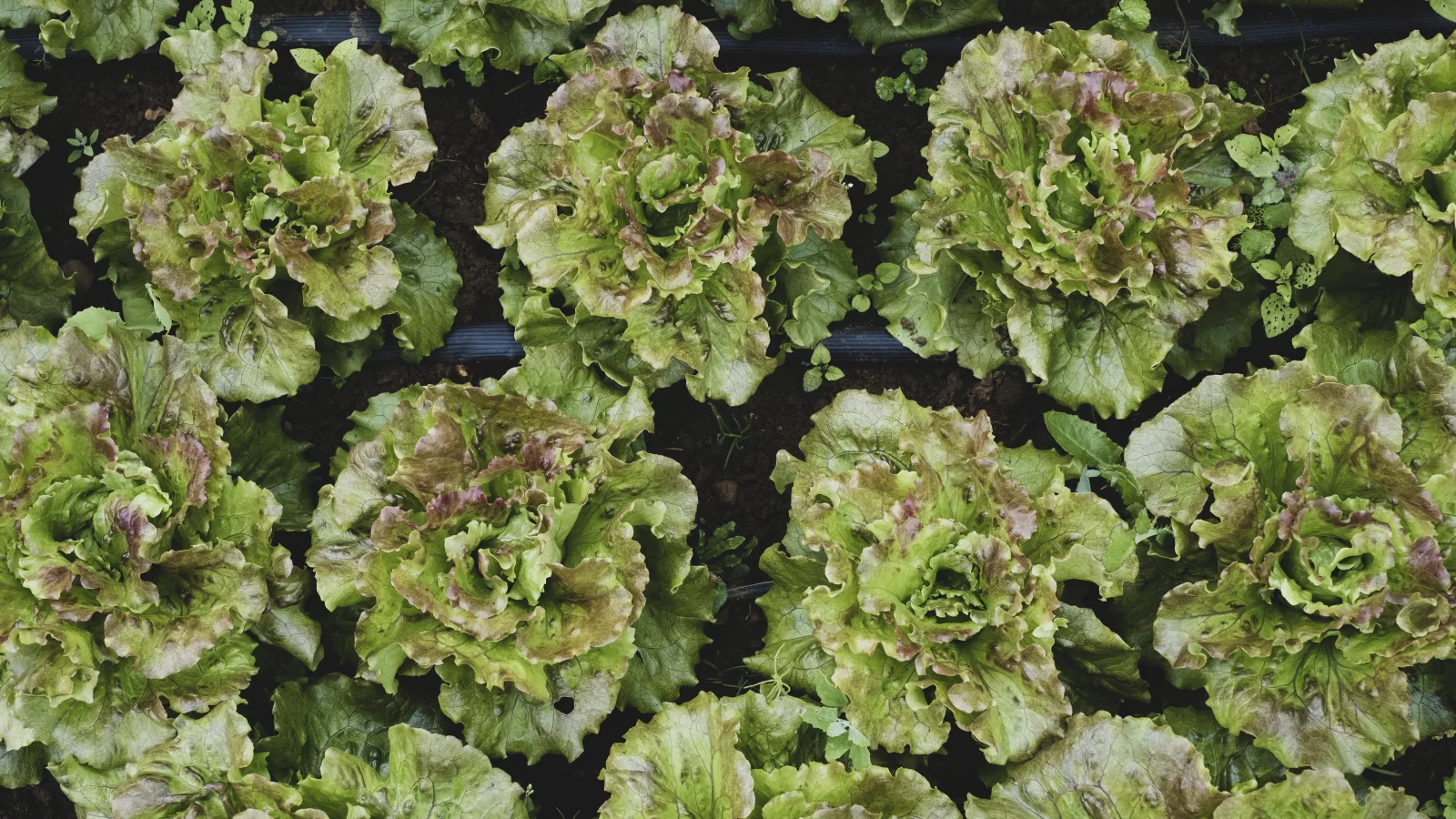
- Lettuce — Sow the seeds and within a month you can start picking the outer leaves. The leaves contain a compound called lactucin, said to have a mild calming effect, which makes it a fitting addition to the dinner table.
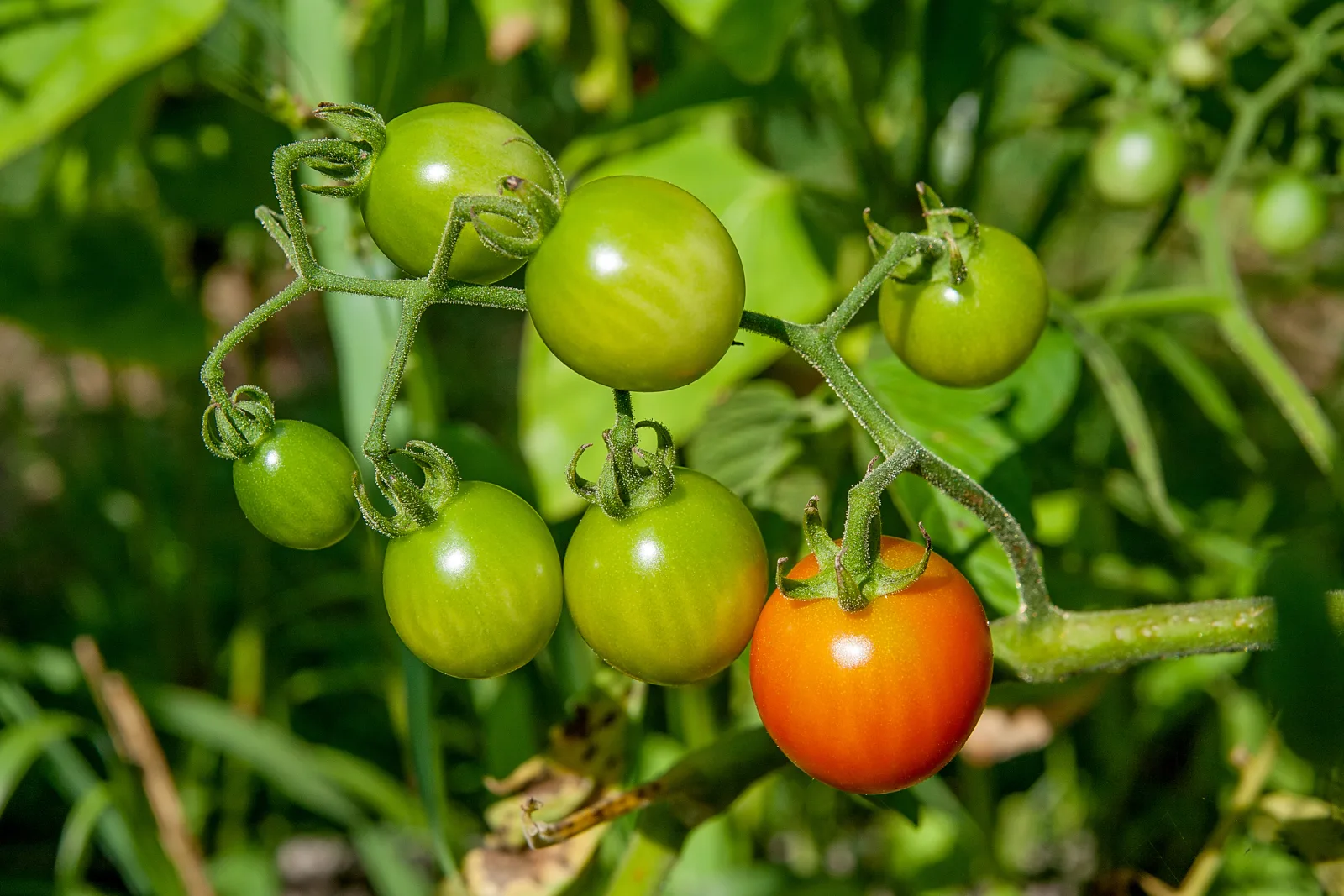
- Cherry tomatoes — With enough sun, a single plant will keep producing fruit all summer long. Pinching off the side shoots helps it grow sturdier.
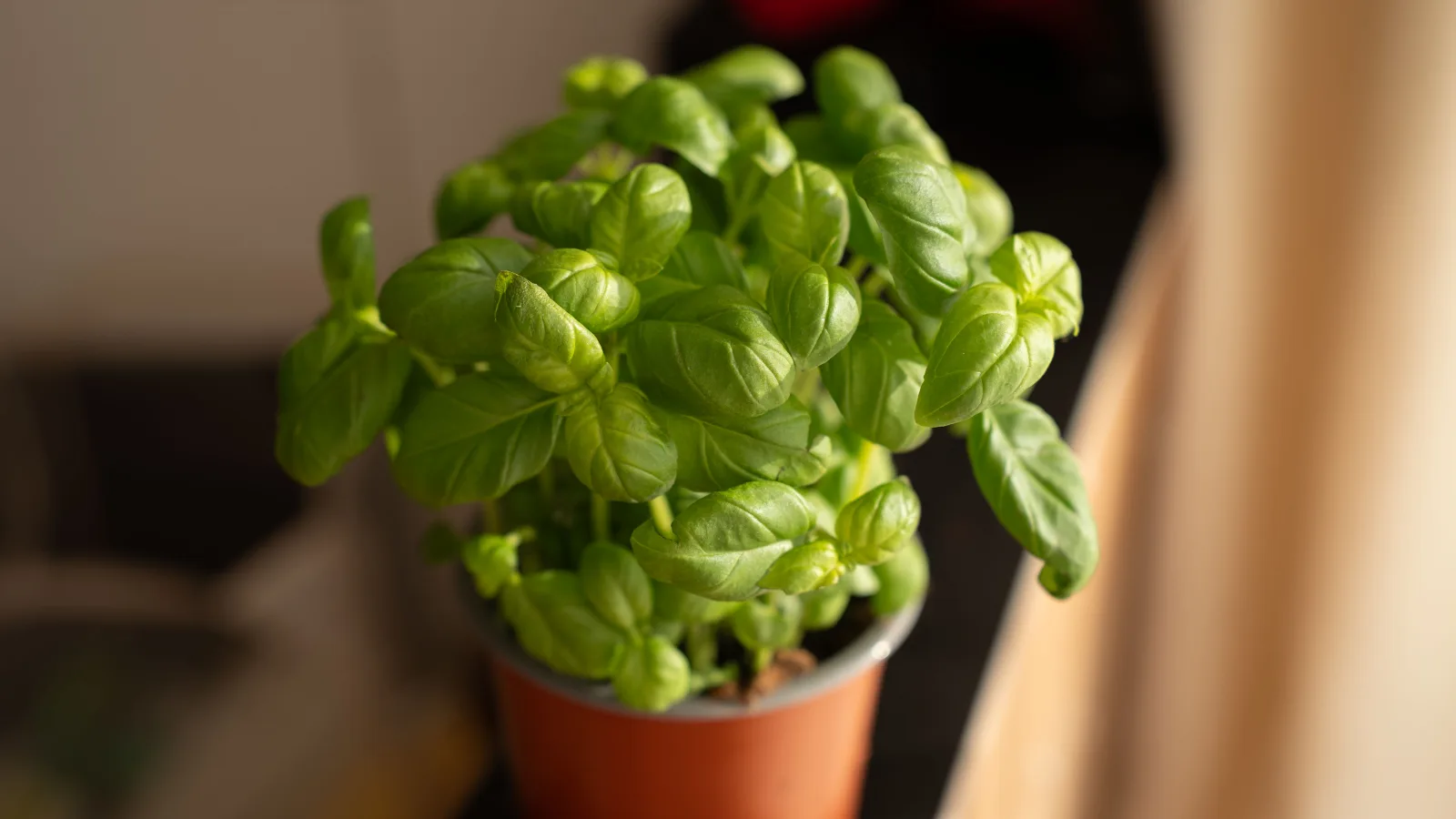
- Basil — Fragrant and low-maintenance. The more often you pick the leaves, the more lush the new growth that comes in.
Check the sowing season printed on the seed packet first. Spring and early autumn are the best times to start most leafy greens.
Tending and harvesting
When the surface of the soil dries out, water thoroughly—enough that it runs out the bottom of the pot. A good soaking once you've confirmed the soil is dry is better for the roots than a little water every day. Four or five hours of sun a day is enough for leafy greens; fruiting plants need more. When the leaves turn yellow, that's a sign of too little sun or water, so move the pot to a better spot as needed.
At harvest, don't strip the whole plant at once—pick the outer leaves first, in turn. That way new leaves keep coming up from the center, and you can enjoy a single plant for a long time. Put one leaf of lettuce you grew yourself on the dinner table that evening, and it tastes different from anything you bought at the store.
It doesn't have to be anything as formal as the course the Chungbuk center ran. On your way home today, just pick up a single lettuce seedling and set it by the window. That becomes your first green pause in the city.
Sources: the Chungbuk agricultural high school joint training center's urban-gardening course "Green Pause" (program case study); research related to horticultural therapy