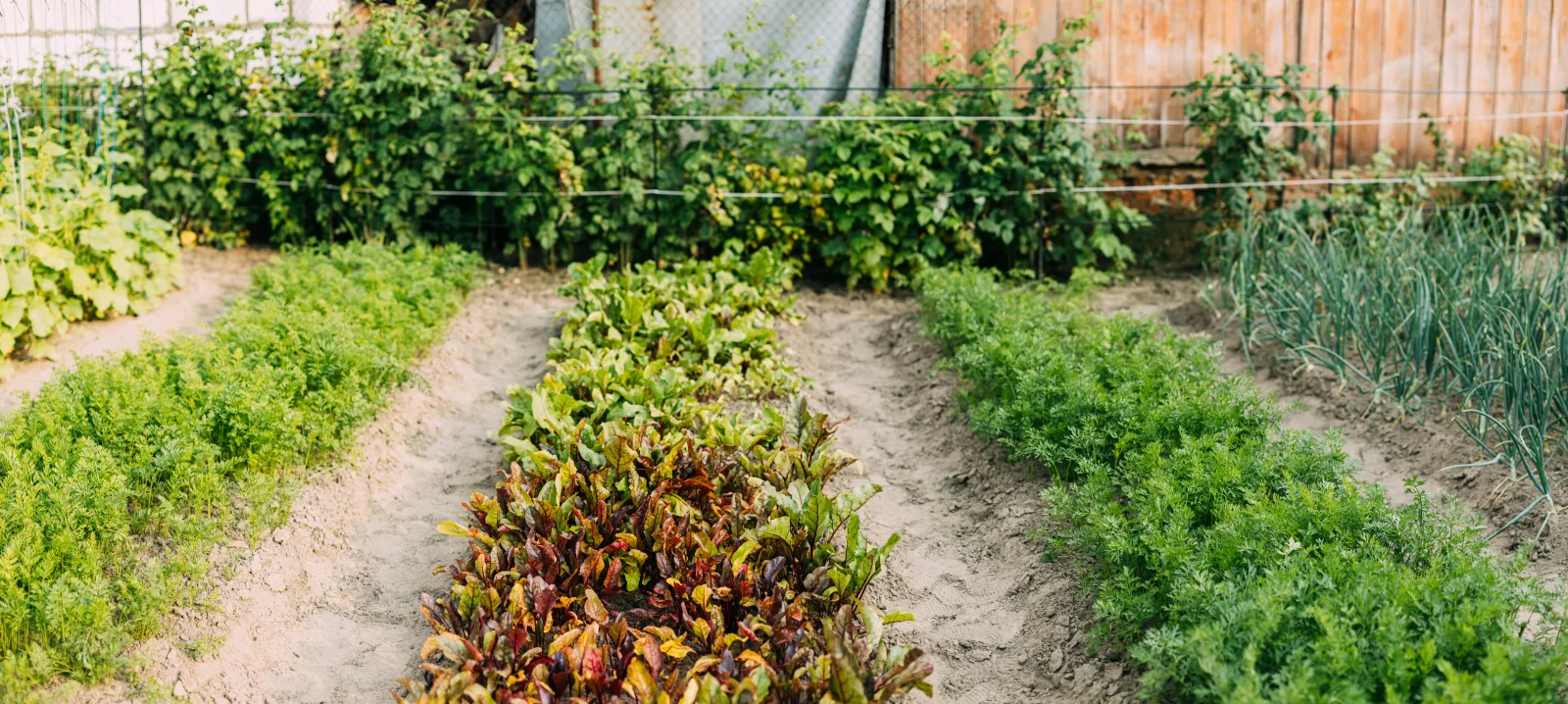
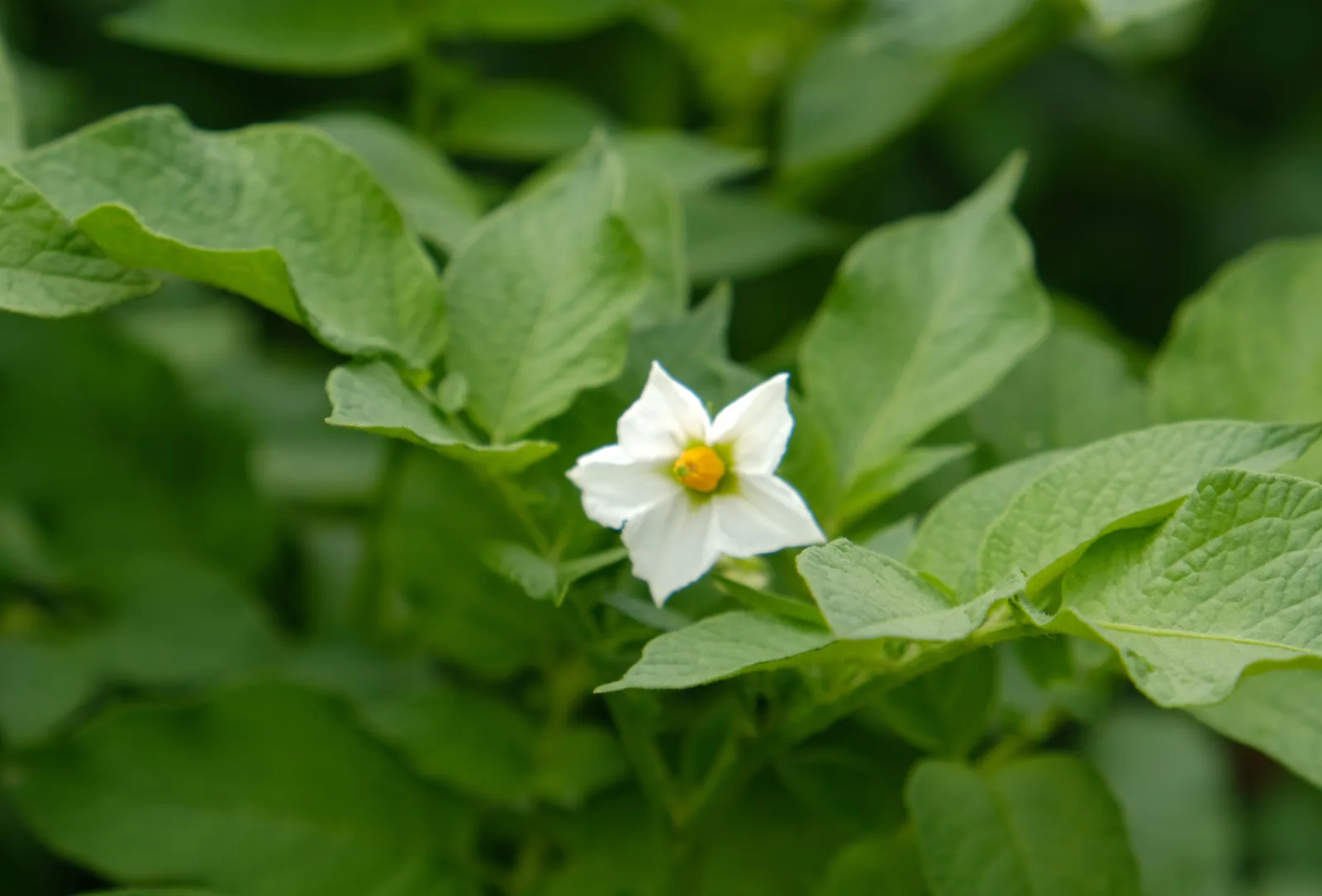
Step out to the June garden and the potato patch is the first thing to catch your eye. White or pale-purple flowers begin to open at the tips of stems that have grown knee-high. If you planted seed potatoes back in March or April, then right about now, two months on, flowers are blooming above ground while the tubers swell below. A potato flower isn't just something pretty to look at; it's the first sign that harvest is getting close.
What's Happening Underground When the Flowers Open
Potatoes flower at the same time their tubers really start to bulk up. As the blooms appear, the plant begins sending the nutrients its leaves have made down to the tubers in the soil rather than up to new top growth. So if there's plenty of water and food during this stretch, the potatoes form large and even.
A lot of gardeners wonder whether to pinch off the flowers or leave them be. Potatoes don't spread by setting seed even when they bloom; they spread through their tubers, so the flowers don't rob them of much energy. That said, if a lot of flowers and fruit (the small green, tomato-like berries) set, a little energy does go their way, so in a hands-on garden it's fine to lightly pick the flowers off. There's no need to go overboard and strip them all.
The Signs That Tell You It's Time to Dig
To time the harvest just right, watch what happens after the flowers fade. Usually, two to three weeks after the blooms drop, the leaves and stems begin to yellow from the bottom up. Yellowing leaves are a sign that the plant has stopped making food and has finished sizing up its tubers. When more than half the stems have wilted yellow and some have toppled over, it's a good time to dig.
On the calendar, potatoes planted in March or April are most often harvested in June or July. Dig them too early, while the leaves are still green and firm, and the tubers come up small with thin skins that spoil easily in storage. Wait too long, on the other hand, leaving the stems to dry out completely, and the tubers can rot in the ground in the damp of the rainy season. Judge by watching both the leaf color and the onset of the rainy season.
Why You Cut Off the Water Before Digging
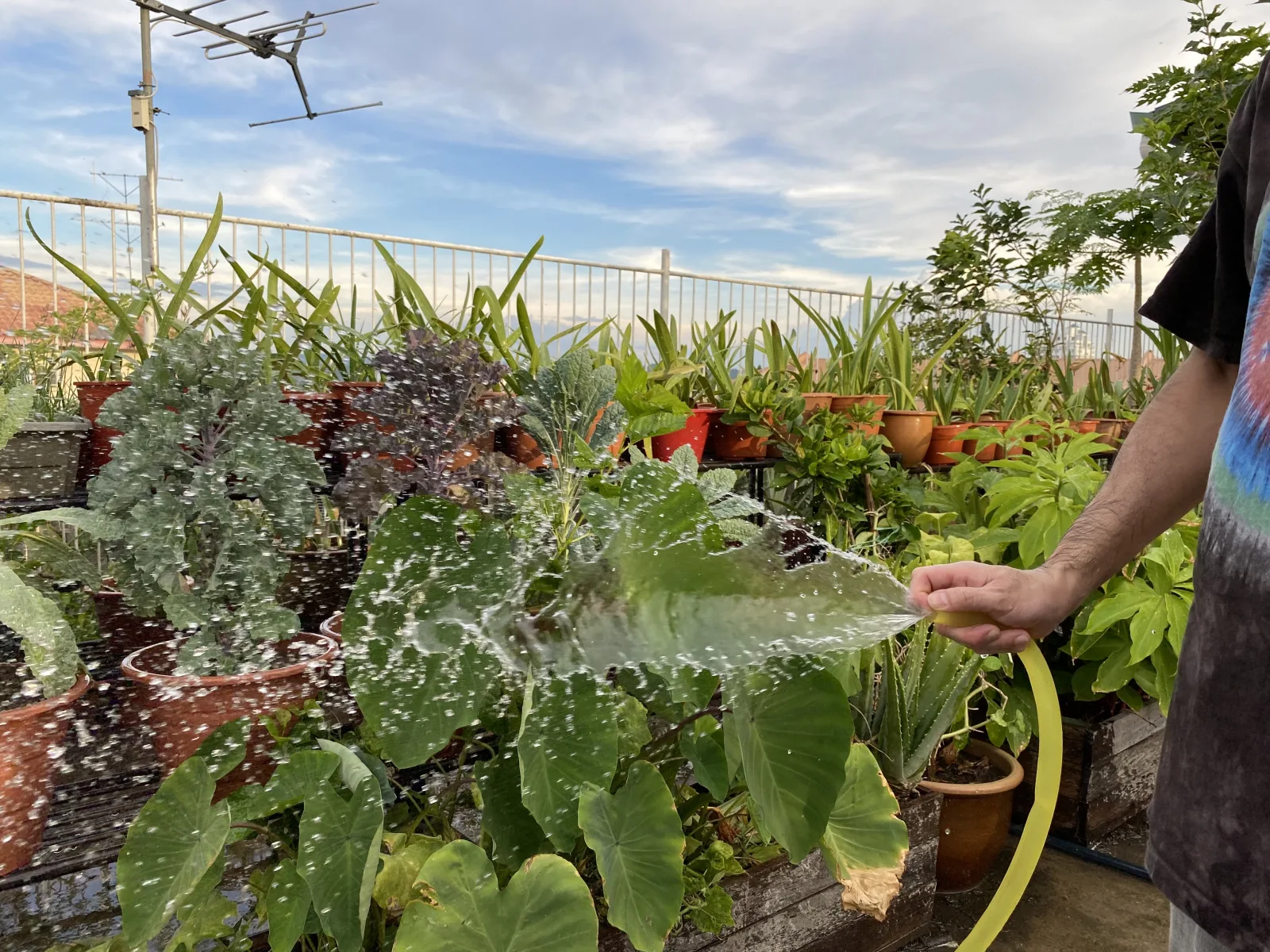
About a week to ten days before harvest, stop watering. When the soil dries out a bit, the skins firm up and set, so they don't scuff off as you dig, and the dirt shakes loose easily, making the work go smoother. Potatoes with well-set skins lose less moisture and resist rot in storage.
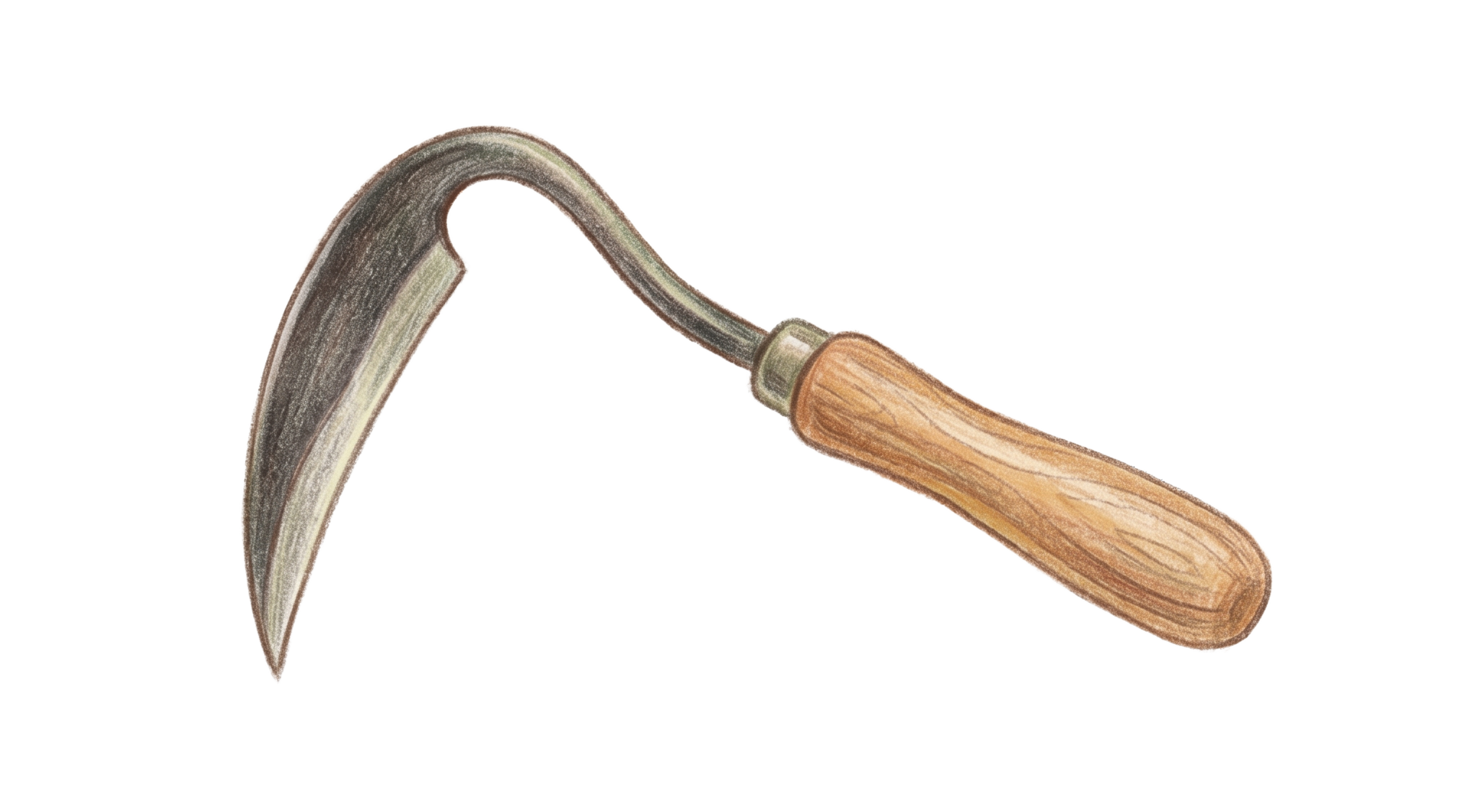
Pick a clear day with dry soil for digging. Take a hoe or hand trowel, drive it in deep about a hand's width out from the stem, and lift the tubers without nicking them. Don't leave the dug potatoes in direct sun; let them dry in the shade for half a day, then brush off the soil. Long exposure to sunlight turns the surface green and produces solanine, which makes them unpleasant to eat, so store them somewhere cool and dark as well.
What Potatoes Dug This Way Give You
Dug at the right time and dried well, potatoes are a hearty source of nutrition. The vitamin C in a potato is cushioned by its starch, so it holds up relatively well even after cooking, supporting immunity and acting as an antioxidant; potatoes are also rich in potassium, which helps flush out sodium and regulate blood pressure. Made up mostly of complex carbohydrates, they digest slowly and keep you full for a long time.
One more thing worth adding: if you boil or steam freshly dug potatoes, then let them cool before eating, their resistant starch increases. A 2023 analysis pooling 982 people across 36 randomized controlled trials reported that resistant starch intake meaningfully lowered post-meal blood sugar and insulin response, and chilled potatoes have been observed to contain about 50% more resistant starch than warm ones. If you've grown them yourself, try them braised or curried with onions and carrots, or steamed with some meat for a hearty one-bowl meal.
This summer, once the flowers fade in the potato patch and the leaves turn yellow, digging day is near. Cut off the water a week before harvest, then on a clear day turn the soil and lift out your first potato.
Source: Rural Development Administration; food and nutrition information.