
- Type
- Leafy Greens
- Difficulty
- Moderate
- Season
- Fall
- Sowing
- Transplant
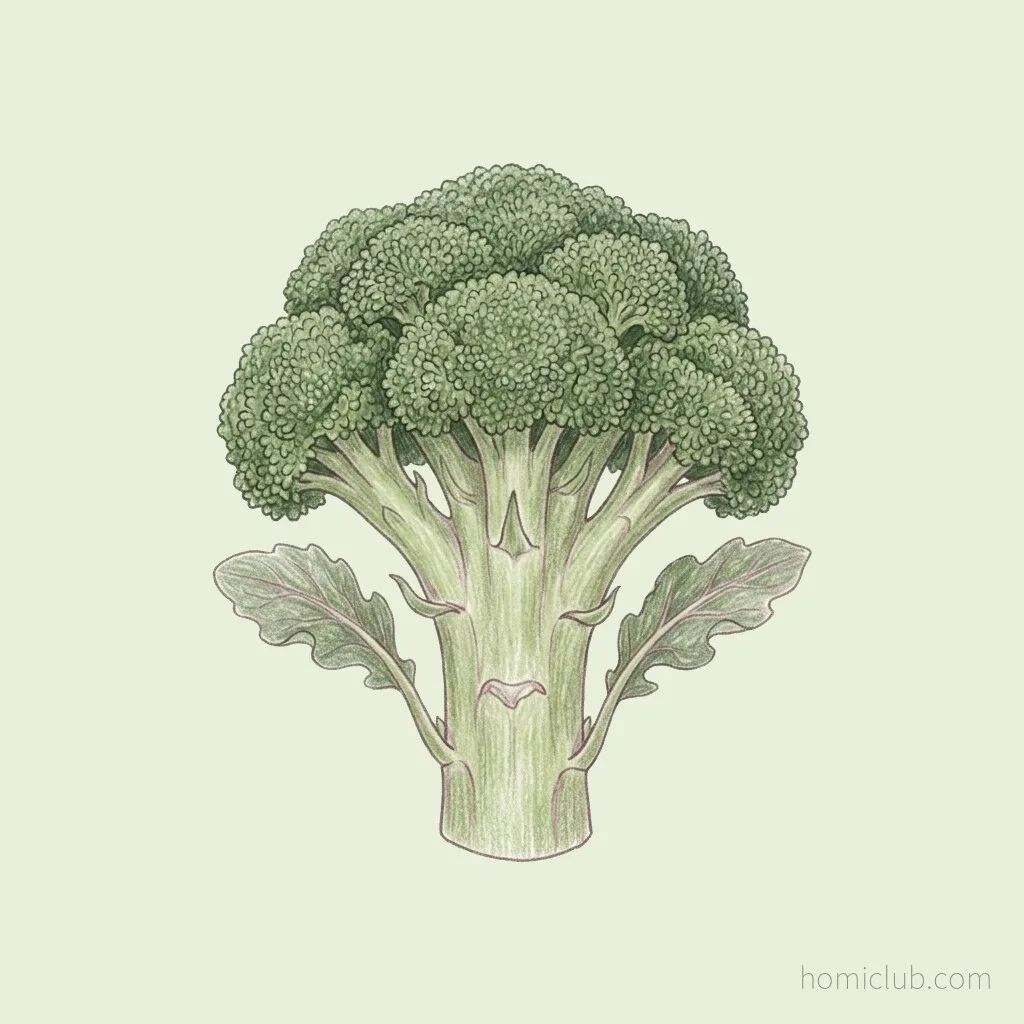
Broccoli
Brassica oleracea
Sulforaphane-rich cancer-fighting superfood
Broccoli is a member of the brassica (cabbage) family that has earned its superfood reputation thanks to sulforaphane, a compound that switches on the body's antioxidant and detoxifying enzymes and has drawn serious attention in cancer research. It's loaded with vitamins C and K to support immunity and bone health, and it delivers plenty of dietary fiber, too. Don't overcook it, though: boiling too long leaches out the nutrients, so a quick blanch is the way to go. As a cool-season crop, broccoli thrives in the fall garden.
Year-Round Calendar
- 1
- 2
- 3
- 4
- 5
- 6
- 7
- 8
- 9
- 10
- 11
- 12
- 8
- 11
Health Benefits
Inverse link with overall cancer risk. A 2024 meta-analysis drawing on observational data from roughly 730,000 people found that people with high broccoli intake had a meaningfully lower overall cancer risk. Consistent signals were reported across several cancer sites, including lung, gastrointestinal, prostate, breast, and kidney, cementing broccoli's status as a flagship example of diet-based cancer prevention.
Sulforaphane and the NRF2 pathway. Glucoraphanin in broccoli is hydrolyzed by the enzyme myrosinase to form sulforaphane, which powerfully induces NRF2-mediated antioxidant and detoxification enzymes. Human randomized controlled trials consistently report reduced oxidative-stress markers and activation of phase II detox enzymes, making sulforaphane a key molecule among chemoprevention candidates.
Cardiometabolic health and blood sugar. A meta-analysis pooling 10 randomized controlled trials found that supplementing with broccoli sprouts significantly improved fasting blood glucose, insulin resistance, and HbA1c. In a trial of people with type 2 diabetes, a sulforaphane-rich extract (150 µmol per day) lowered HbA1c, pointing to its potential as a dietary adjunct therapy.
Women's hormones and ovarian cancer. A 2024 dose-response meta-analysis reported that high intake of cruciferous vegetables, the family broccoli belongs to, was significantly associated with a lower risk of ovarian cancer. A proposed mechanism is that indole-3-carbinol and DIM help regulate the balance of estrogen metabolism.
Prostate cancer and biomarkers. In a randomized controlled trial of 98 prostate cancer patients, supplementing with broccoli sprout extract at 200 µmol per day down-regulated the expression of cancer-related genes such as AMACR and ARLNC1 in prostate tissue. A direct tumor-suppressing effect has not been confirmed, but the trial offers clinical validation of chemoprevention signals at the molecular level.
Nutrition
- Sulforaphane (Signature brassica compound) — Activates antioxidant and detox enzymes; studied for anticancer effects
- Vitamins C and K (Very high) — Immunity and bone health
- Dietary fiber (Abundant) — Gut health
Pairings
○ Garlic and olive oil — Quickly sautéed with garlic and olive oil, garlicky broccoli is a staple of Italian and Mediterranean cooking. The allicin in garlic and the fat in olive oil help with absorption of sulforaphane and carotenoids, creating a real nutritional synergy.
○ Lemon, vinegar, or a vinaigrette — A squeeze of lemon juice or a splash of vinegar over blanched broccoli boosts vitamin C and brightens the flavor. The acidity also slows discoloration, so the dish keeps its vivid green color and looks as good as it tastes.
○ Chicken, shrimp, or beef — Stir-frying or roasting broccoli alongside proteins like chicken, shrimp, or beef rounds out the balance of minerals and vitamins. The savory depth of the protein offsets broccoli's somewhat mild flavor, turning it into a satisfying one-bowl meal.
○ Cheese and cream — Paired with dairy in dishes like broccoli gratin or cream soup, broccoli takes on a silky texture and rich flavor. The fat in dairy also helps the body absorb fat-soluble nutrients, an added nutritional bonus.
○ Mustard powder — A pinch of mustard powder stirred into cooked broccoli is a scientifically backed trick: mustard's own myrosinase enzyme stands in for the broccoli enzyme that cooking destroys, reigniting sulforaphane production in the cooked vegetable.
○ Sesame oil and soy sauce — Broccoli muchim, the Korean style of dressing it with sesame oil and soy sauce (muchim means a lightly seasoned, tossed side dish), is an easy, familiar way to eat more of the vegetable. The fat in sesame oil also aids the absorption of carotenoids and sulforaphane.
△ Thyroid conditions, anticoagulants, kidney failure — Adjust your intake based on your situation: people with hypothyroidism should consider that glucosinolates may interfere with thyroid hormone synthesis, warfarin users should account for vitamin K's effect on their medication, and kidney failure patients should mind the potassium load. Cooking broccoli substantially reduces its impact on the thyroid.
△ Prolonged cooking — Boiling or heating broccoli for too long rapidly destroys its sulforaphane and vitamin C. A quick one-to-three-minute blanch or steam is best for preserving both nutrition and texture.
Source: Food and Nutrition Information