- Type
- Leafy Greens
- Difficulty
- Moderate
- Season
- Spring
- Sowing
- From seed
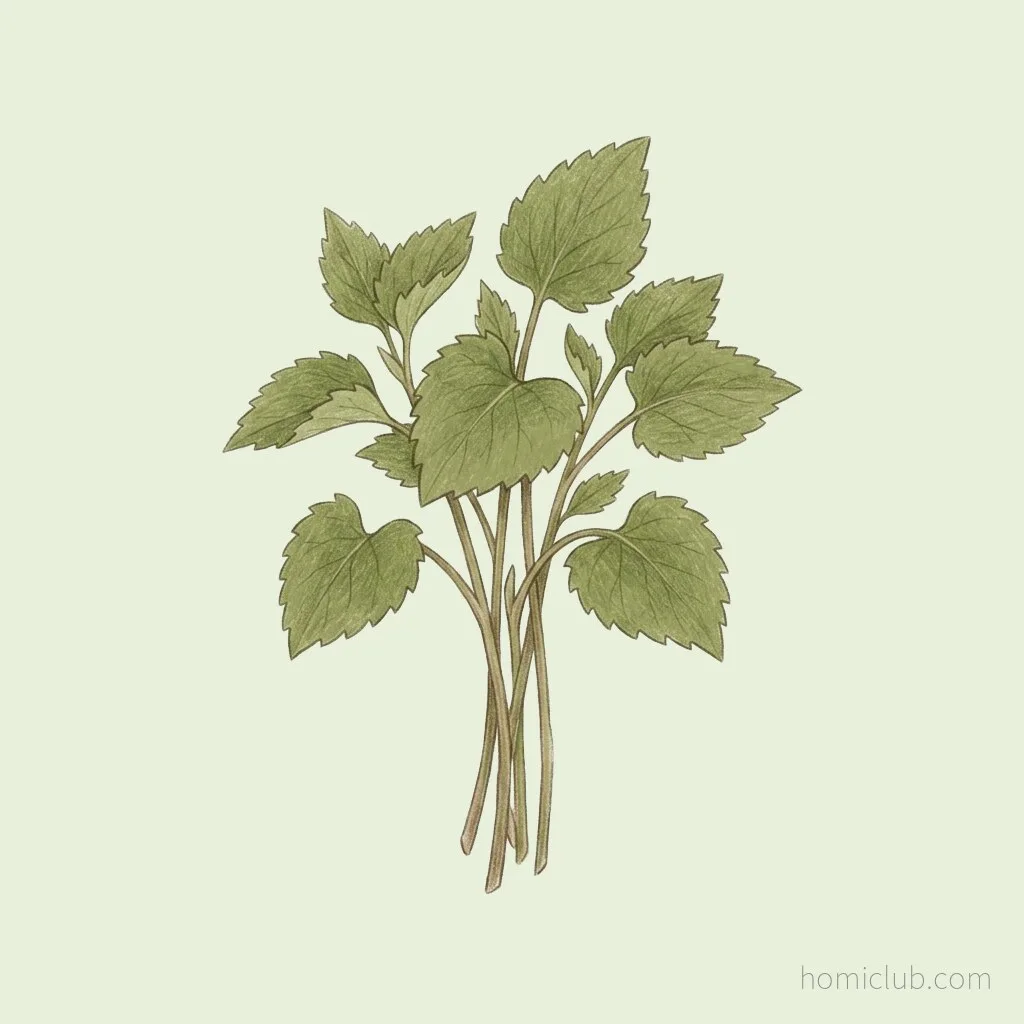
Chwinamul (Korean Aster Greens / Chamchwi)
Aster scaber
A fragrant wild spring green rich in vitamins.
Chwinamul, known botanically as chamchwi (Korean aster, Aster scaber), is one of the most beloved of Korea's wild spring "namul" greens, prized for its fresh, woodsy aroma. It's usually blanched and dressed as a side dish, or dried and stored as "muknamul" to enjoy year-round. There's no clear record of it as a specific medicinal herb in the classical pharmacopeia, but it's packed with vitamins, minerals, and polyphenols, making it a familiar green for reviving the appetite and energy in spring. Its slightly bitter, deeply aromatic flavor pairs beautifully with perilla oil and doenjang (Korean fermented soybean paste).
Year-Round Calendar
- 1
- 2
- 3
- 4
- 5
- 6
- 7
- 8
- 9
- 10
- 11
- 12
- 3
- 4
- 4
- 5
Health Benefits
Spring wild-green nutrition (modern view). Chwinamul is a spring wild green rich in vitamins A and C, minerals, and polyphenols. Because there's no clear classical record of a specific medicinal use, it's best understood from a nutritional standpoint.
Nutrition
- Vitamins A and C, minerals (wild-green nutrition) — antioxidant and restorative
- Polyphenols and dietary fiber (aroma and texture) — antioxidant and gut health
Pairings
○ Doenjang and perilla oil (chwinamul-muchim) — Tossing blanched chwinamul with doenjang (fermented soybean paste) and nutty perilla oil makes a classic spring namul side dish that brings out its aroma and savory depth.
○ Rice (chwinamul-bap) — Cooking blanched chwinamul into the rice makes chwinamul-bap, a fragrant one-bowl meal.
○ Dried greens (muknamul, for storage) — Blanched and dried, chwinamul keeps as muknamul year-round; just rehydrate and stir-fry.
Source: Rural Development Administration (Nongsaro)