
- Type
- Leafy Greens
- Difficulty
- Easy
- Season
- Spring·Fall
- Sowing
- From seed
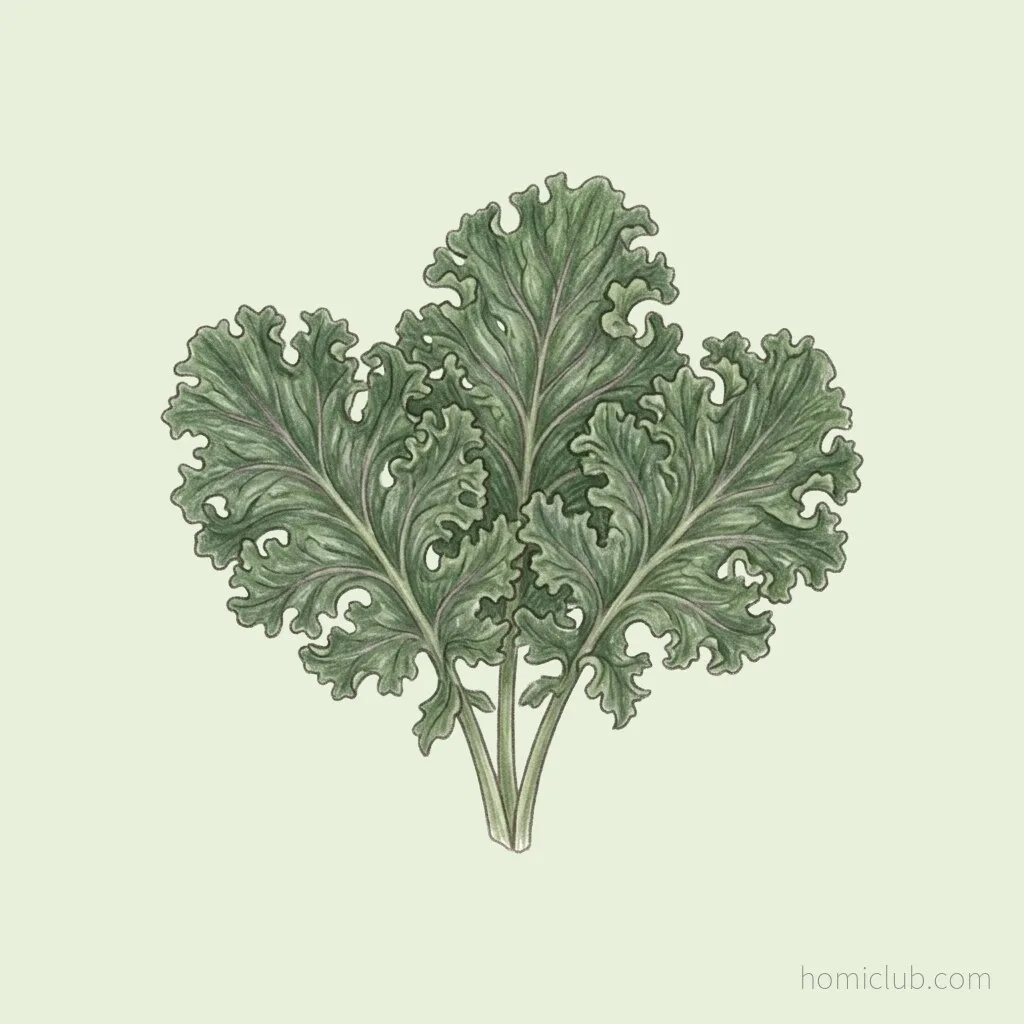
Kale
Brassica oleracea
Vitamin K and lutein in a true superfood green
Kale stands out even among leafy greens for its exceptional vitamin K and calcium, which is why it's so often called a bone-building superfood. It also delivers lutein and beta-carotene for eye health and antioxidant support, along with plenty of dietary fiber. Enjoy it in salads, smoothies, green juices, or as a Korean-style ssam wrap, and look for the sweetest, most tender leaves in the cool weather of fall.
Year-Round Calendar
- 1
- 2
- 3
- 4
- 5
- 6
- 7
- 8
- 9
- 10
- 11
- 12
- 3
- 4
- 8
- 6
- 7
- 10
- 11
Health Benefits
Blood sugar and diabetes management. A 2024 12-week randomized controlled trial found that type 2 diabetes patients who ate about 78 g of freeze-dried kale bar daily saw meaningful reductions in HbA1c, insulin resistance, body weight, and calorie intake. Though a single trial, it was the first time a kale-only intervention produced quantified clinical evidence in humans.
Overall cancer risk. A meta-analysis of observational data on roughly 730,000 people found that high intake of cruciferous vegetables, the family kale belongs to, was inversely associated with several cancers including lung, gastrointestinal, and prostate. Kale-specific data are limited, but its glucosinolate and sulforaphane content make it part of this broader cruciferous signal.
Female hormones and ovarian cancer. A 2024 dose-response meta-analysis on ovarian cancer reported that high cruciferous vegetable intake was linked to a lower ovarian cancer risk. As a cruciferous vegetable especially rich in glucosinolates, kale is considered a candidate in dietary patterns aimed at preventing hormone-dependent cancers in women.
Lipid metabolism and cholesterol. No kale-only meta-analysis exists yet, but the freeze-dried kale bar RCT also showed a trend toward improved LDL cholesterol. Mechanistic evidence continues to accumulate that the quercetin and kaempferol abundant in kale help inhibit LDL oxidation and improve endothelial function.
Antioxidant and anti-inflammatory effects. Kale is classified as a leafy green densely packed with vitamins A, C, and K, carotenoids, chlorophyll, and flavonoids. Single-crop RCTs are limited, but clinical and preclinical findings on easing chronic inflammation and oxidative stress have been consistently reported.
Nutrition
- Vitamin K (Very high) — Bone health and blood clotting
- Lutein and beta-carotene (Abundant) — Eye health and antioxidant support
- Calcium (High for a leafy green) — Bones and teeth
Pairings
○ Olive oil, avocado, and nuts — Pairing kale salad with olive oil, avocado, and nuts is practically a nutritional formula. The fats boost absorption of vitamins K, A, and E along with lutein, while the protein in nuts rounds out the nutritional balance.
○ Lemon and vinegar — A splash of lemon or vinegar adds vitamin C, which improves absorption of the plant-based iron in kale. The acidity also brings the flavors into better balance.
○ Apple, banana, and ginger — Blending kale with apple, banana, and ginger into a green smoothie is a go-to way to get flavor and nutrition in one glass. The sweetness of the fruit and the warmth of ginger smooth out kale's assertive, slightly bitter taste.
○ Garlic and onion — Sauteing kale with garlic and onion, or working it into a pesto, is one of the best ways to bring out its flavor. Allicin and glucosinolates work together, offering potential synergy for anti-cancer and anti-inflammatory benefits.
○ Pine nuts, almonds, and cheese — As in a kale pesto or a kale Caesar salad, pairing kale with pine nuts, almonds, and cheese balances protein, fat, and minerals. The nutty richness and the salty bite of cheese soften kale's coarse texture.
△ Anticoagulants — Kale has one of the highest vitamin K levels of any vegetable, so anyone on anticoagulants like warfarin must keep their intake steady rather than changing it abruptly.
△ Hypothyroidism — When eaten raw in large quantities, glucosinolates can partially interfere with thyroid hormone synthesis. People with an underactive thyroid should eat kale cooked rather than raw and avoid large portions in a single meal.
△ Kidney failure or kidney stones — Patients with kidney failure should be mindful of the potassium load, and those with a history of kidney stones should watch the oxalate load—both groups should limit large servings of kale. It's safest to work out an appropriate amount with your healthcare provider.
△ Large amounts eaten raw — Raw kale leaves are tough and can be hard on the stomach. Massaging the leaves by hand with olive oil and salt softens them considerably and makes them much easier to digest.
Source: Food and Nutrition Information