
- Type
- Alliums
- Difficulty
- Moderate
- Season
- Year-round
- Sowing
- Transplant
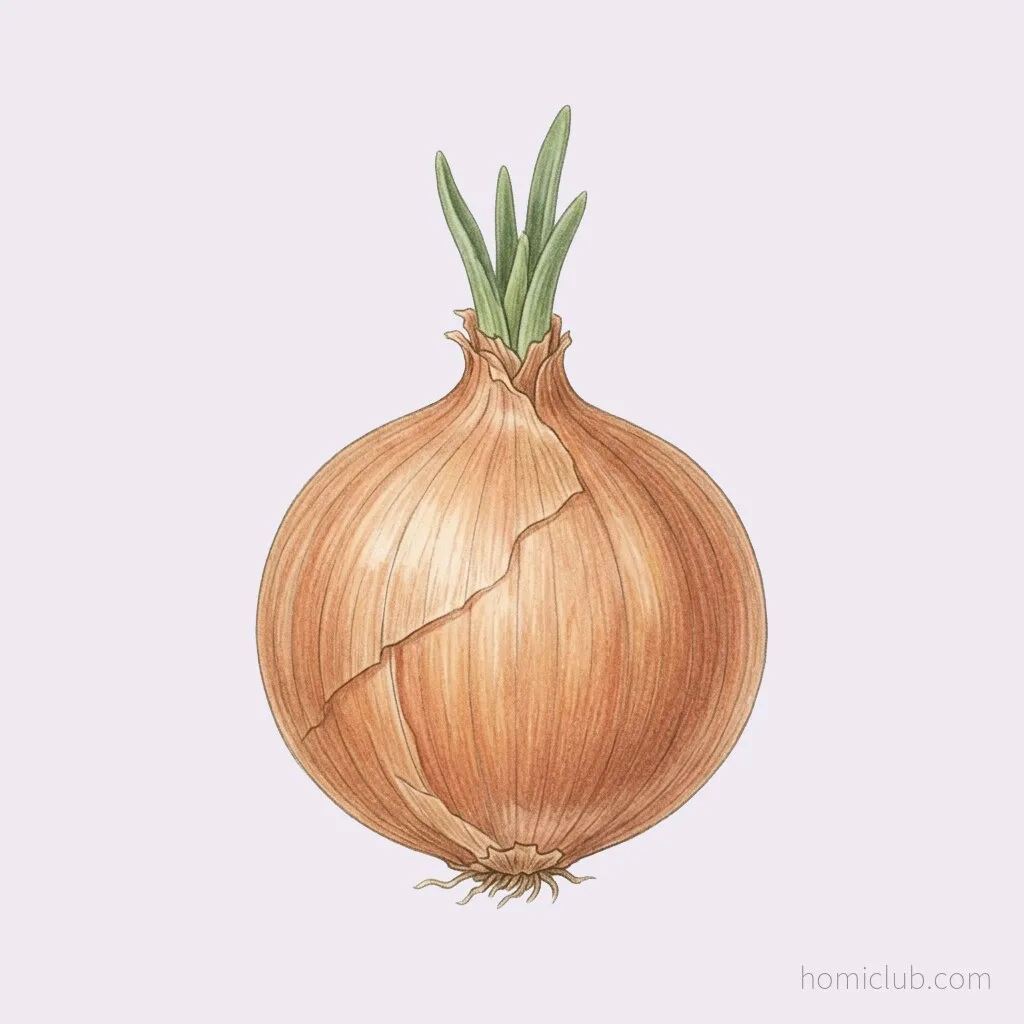
Onion
Allium cepa
Quercetin-rich bulb for heart health and antioxidant power
The onion is loaded with quercetin, a powerful antioxidant that supports blood vessel health and helps calm inflammation. The pungent sulfur compounds behind its bite help prevent blood clots and improve blood lipid levels. Because quercetin is concentrated near the outer skin, it pays not to peel away too many layers. Onions are an overwintering crop: plant them in fall (October to November) and harvest the following early summer.
Year-Round Calendar
- 1
- 2
- 3
- 4
- 5
- 6
- 7
- 8
- 9
- 10
- 11
- 12
- 9
- 10
- 6
Health Benefits
Cardiovascular and blood pressure. Multiple meta-analyses confirm that quercetin supplementation meaningfully lowers blood pressure. In people with hypertension, systolic pressure dropped by roughly 3 to 5 mmHg, marking the onion as a natural food for blood pressure management.
Blood sugar and diabetes. A growing body of randomized controlled trial (RCT) meta-analyses shows that onion extract and raw onion improve fasting blood glucose and HbA1c. The proposed mechanism is that quercetin and sulfur compounds enhance insulin sensitivity.
Anti-cancer. Many epidemiological studies link diets high in allium vegetables to a lower risk of digestive cancers such as stomach and colorectal cancer. The leading hypothesis is that the onion's quercetin and organosulfur compounds exert anti-cancer effects by influencing carcinogen metabolism and inducing apoptosis (programmed cell death).
Inflammation and immunity. Quercetin's antihistamine and anti-allergy effects have been partly demonstrated in RCTs on allergic rhinitis and conjunctivitis. Its core mechanism is suppressing histamine release from mast cells, which points to its potential as a natural anti-allergy food.
Gut health. The fructans and inulin in onions feed beneficial gut bacteria such as Bifidobacterium and Lactobacillus, delivering a prebiotic effect. The frequent use of onion as a seasoning and supporting ingredient in Korean cooking has, in effect, provided a natural boost to gut health.
Nutrition
- Quercetin (Concentrated in the skin and inner skin layers) — Antioxidant, blood vessel health, anti-inflammatory
- Sulfur compounds (The source of the pungent flavor) — Helps prevent blood clots and improve blood lipids
Pairings
○ Beef, pork, and chicken — Onion is a seasoning staple that tames the off-odors of meat and aids protein digestion. Onion, garlic, and ginger are the holy trinity of Korean cooking seasonings, balancing flavor and nutrition in nearly every meat dish.
○ Olive oil and sesame oil — Some of the onion's quercetin and sulfur compounds are fat-soluble, so cooking with olive or sesame oil improves their absorption. This is exactly why sauteed or grilled onions deliver more nutrients than raw onion.
○ Garlic — Onion and garlic both belong to the allium family, so they create a synergy of sulfur compounds and quercetin. Seasoning that combines the two appears in traditional dishes across nearly every culture, making it a universal pairing.
○ Tomato and bell pepper — Adding tomato and bell pepper to onion creates antioxidant-rich combinations like Mediterranean ratatouille or salsa. Lycopene, carotenoids, and quercetin come together in one dish for strong antioxidant activity.
○ Mushrooms — Sauteing onion with mushrooms triggers an umami synergy between glutamic acid and inosinic acid. The savory depth of the two ingredients combines to give vegetarian dishes a rich flavor without any meat.
○ Vinegar and lemon — Marinating onion in vinegar or lemon mellows its sharpness while adding vitamin C. The acidity smooths out the onion's pungent bite, making raw onion far more enjoyable to eat.
△ IBS and FODMAP sensitivity — Onions are rich in fructans, which puts them squarely in the high-FODMAP category. People with irritable bowel syndrome or FODMAP sensitivity should go easy on raw onion, or cook it to make it easier to tolerate.
△ Sensitive stomach — People with weak digestion should avoid eating large amounts of raw onion. Its pungent compounds can irritate the stomach lining, so it's safer to cook onions until soft and mellow.
△ Blood-thinning medication — Cycloalliin and quercetin in onions have anti-clotting effects, so patients on anticoagulants should avoid eating them in large quantities. Normal dietary amounts pose little concern, but onion extracts in supplement form call for medical advice.
Source: Food and nutrition references