
- Type
- Fruiting Vegetables
- Difficulty
- Hard
- Season
- Summer
- Sowing
- Transplant
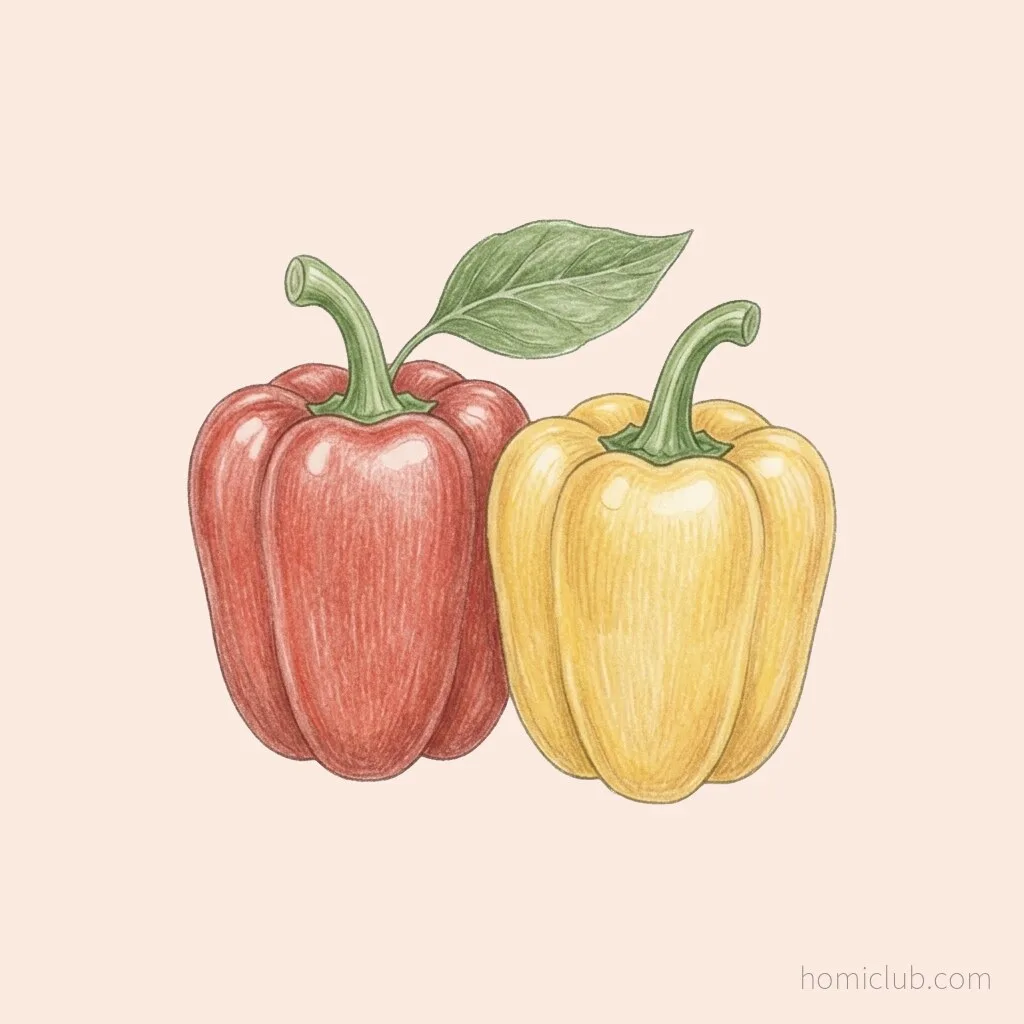
Bell Pepper (Paprika)
Capsicum annuum
Top vitamin C source, with colorful antioxidant pigments
Sweet bell peppers, known in Korea as paprika, rank among the richest vegetable sources of vitamin C, making them a standout for immune support and skin health. The red, yellow, and orange pigments come from beta-carotene and capsanthin, carotenoids that act as antioxidants and support eye health. With no heat to speak of, they're crisp and pleasant eaten raw, and their range of colors brightens up any dish. Like chili peppers, they're started from transplants set out in May.
Year-Round Calendar
- 1
- 2
- 3
- 4
- 5
- 6
- 7
- 8
- 9
- 10
- 11
- 12
- 5
- 7
- 8
- 9
- 10
Health Benefits
Capsicum annuum and metabolic syndrome. A 2020 meta-analysis specific to Capsicum annuum, pooling 11 RCTs and 609 participants, found that supplementation significantly lowered LDL cholesterol and showed a borderline-significant effect on body weight. Bell peppers are the sweet variety of this same species, making them a candidate dietary source for this benefit.
Lipid metabolism and LDL. A 2023 meta-analysis of Capsicum annuum supplementation RCTs reported consistent reductions in total cholesterol, LDL cholesterol, and triglycerides. Bell peppers contain very little capsaicin, but carotenoids such as capsanthin and capsorubin are thought to act on similar antioxidant and lipid-regulating pathways.
Antioxidants and vitamin C. Bell peppers are a nutrient-dense antioxidant food, with roughly 130 to 190 mg of vitamin C per 100 g, about three times the level found in citrus fruit. They are also high in carotenoids such as beta-carotene, lutein, and zeaxanthin, making them a leading candidate for antioxidant and immune-supporting diets.
Thermogenesis and energy metabolism. A 2021 meta-analysis of capsaicinoids and capsinoids confirmed that pungent Capsicum extracts significantly increase resting metabolic rate and fat oxidation. Sweet bell peppers have almost no capsaicin, so the same effect is unlikely, though non-pungent capsinoids such as dihydrocapsiate may contribute modestly.
Limited stand-alone RCT data. Randomized controlled trials on sweet bell pepper alone are very limited, and most are confined to dietary biomarker tracking or in-vitro antimicrobial and anticancer testing. No meta-analysis exists for bell pepper on its own, so broader Capsicum meta-analyses serve only as supporting reference.
Nutrition
- Vitamin C (Highest among vegetables) — Immunity, skin, antioxidant
- Beta-carotene and capsanthin (Red and yellow pigments) — Antioxidant, eye health
Pairings
○ Olive oil and avocado — The fat-soluble carotenoids in bell peppers are absorbed far better when eaten with the fat in olive oil or avocado. Using them in a salad dressing or dip is an easy way to boost how much of those nutrients your body takes up.
○ Meat and cheese — The generous vitamin C in bell peppers improves the absorption of plant-based iron. Eaten alongside beef or pork, the synergy of animal iron and vitamin C makes the pairing useful for preventing anemia.
○ Onion and garlic — Cooked with onion and garlic, bell peppers become the base for traditional dishes like ratatouille, Hungarian goulash, and pepper stew. The antioxidants in all three combine to bring a variety of polyphenols together in one dish.
○ Tomato and eggplant — Add bell peppers to tomato and eggplant and you have a Mediterranean medley. Ratatouille is the classic example, where the carotenoids and anthocyanins of these three nightshades come together for rich color and nutrition at once.
○ Lemon and vinegar — A splash of lemon or vinegar makes the sweetness of bell peppers stand out even more. It also adds vitamin C to strengthen the antioxidant effect, and used as a marinade it brings both flavor and better keeping quality.
○ Eggs — Folded into an Israeli-style shakshuka or an omelet, bell peppers make for a well-balanced meal of protein and carotenoids. The fat in the eggs aids carotenoid absorption, while the peppers' vitamin C helps the body take up the iron from the eggs.
△ Nightshade allergy — Bell peppers belong to the nightshade family (Solanaceae), so anyone with a nightshade allergy should avoid them. If you react to tomatoes, eggplant, or potatoes, treat bell peppers with the same caution.
△ Large amounts raw on an empty stomach — Eating a lot of raw bell pepper on an empty stomach can irritate the stomach. Enjoying moderate amounts during a meal or as a post-meal snack is easier on your digestion.
Source: Food and Nutrition Information