- Type
- Leafy Greens
- Difficulty
- Easy
- Season
- Spring·Fall
- Sowing
- From seed
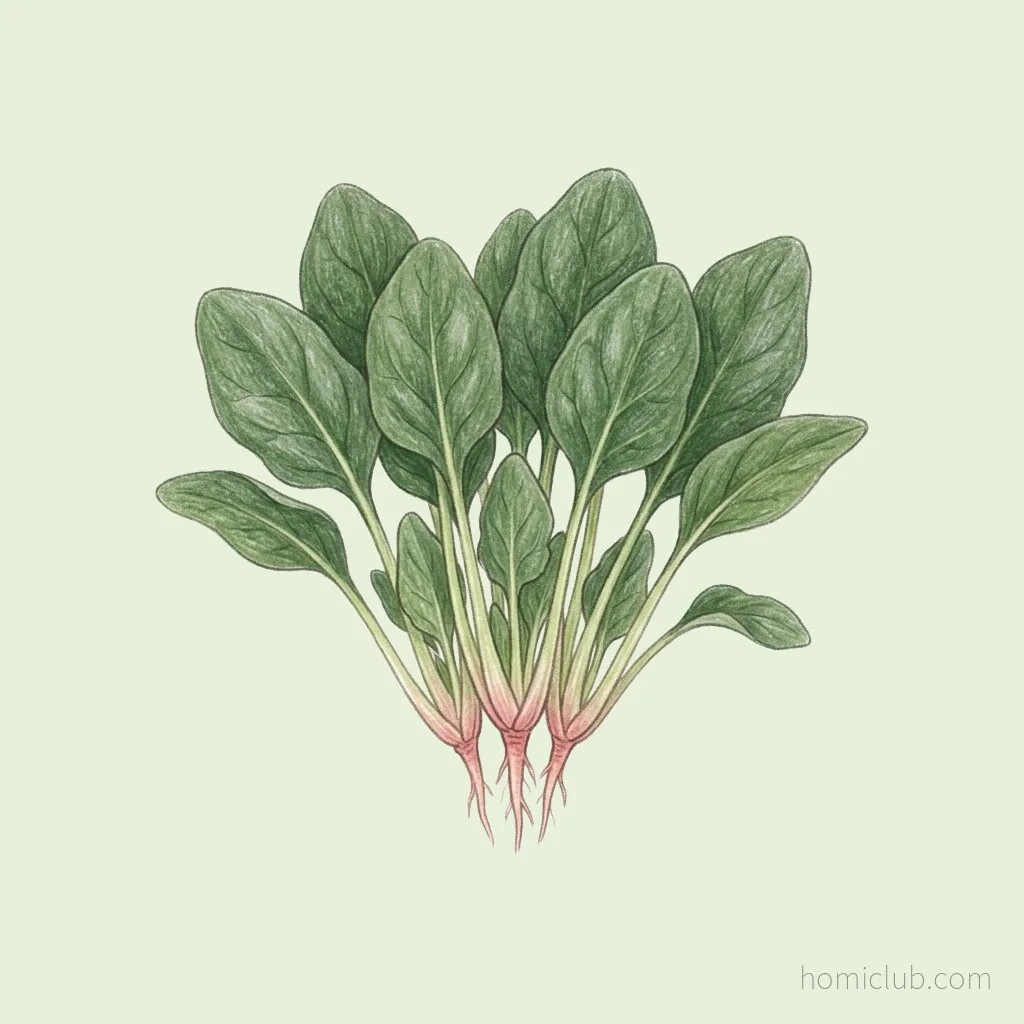
Spinach
Spinacia oleracea
Iron, folate, and lutein for healthy blood and eyes
Spinach is a leafy green loaded with iron and folate, making it a go-to for preventing anemia and supporting a healthy pregnancy. The lutein in its leaves helps protect the macula of the eye, and the leaves are also rich in vitamins A and K. Blanching shrinks the volume so you can eat plenty in one sitting, and it improves nutrient absorption too. Because spinach prefers cool weather, it grows well in spring and fall, and it can even be overwintered.
Year-Round Calendar
- 1
- 2
- 3
- 4
- 5
- 6
- 7
- 8
- 9
- 10
- 11
- 12
- 3
- 9
- 10
- 5
- 11
- 12
Health Benefits
Blood pressure, heart health, and the nitric oxide pathway. Eating nitrate-rich vegetables, including spinach, has been consistently shown across multiple studies to lower blood pressure in healthy adults. The key mechanism is blood-vessel dilation via the nitric oxide (NO) pathway, which has made these vegetables a leading strategy for diet-based blood pressure management.
Athletic performance. A nitrate-supplementation study in NCAA Division I athletes (using a spinach extract) reported positive effects on off-season physical performance and body composition. It points to the potential of whole-food-derived nitrate as a natural ergogenic aid.
An alternative nitrate source. There is active research into alternative dietary nitrate sources such as spinach. As raising nitric oxide is increasingly recognized as central to regulating the cardiovascular system, natural vegetable-based strategies for boosting NO are drawing attention as a complement to medication.
Effects of dietary nitrate on blood pressure and vascular health (dose-response meta-analysis). A 2025 GRADE-rated meta-analysis pooling 75 randomized controlled trials with 1,823 participants found that supplementing with dietary nitrate from spinach, beets, and similar vegetables lowered both systolic and diastolic blood pressure in a dose-dependent way and improved markers of vascular function (pulse wave velocity and endothelium-dependent dilation). The effect was larger in people with hypertension, strengthening the clinical case for managing blood pressure through natural diet.
Nutrition
- Iron and folate (Abundant) — Helps prevent anemia and supports red blood cell formation
- Lutein (Leaf pigment) — Supports eye health and protects the macula
- Vitamins A and K (Abundant) — Supports vision and bone health
Pairings
○ Sesame oil, perilla oil, or olive oil — Spinach's vitamins A, K, and E and its lutein are fat-soluble, so eating them with a little oil greatly improves absorption. The traditional Korean way of dressing seasoned spinach namul (a blanched, seasoned vegetable side dish) with sesame or perilla oil turns out to make good nutritional sense.
○ Lemon, vinegar, or vitamin C — The plant-based iron in spinach is absorbed more readily when eaten alongside vitamin C. Adding a squeeze of lemon juice or a splash of vinegar does double duty: it tempers the effect of oxalic acid while also boosting iron absorption.
○ Garlic — Sauteed spinach with garlic brings sulfur compounds together with minerals for a synergistic pairing. The allicin in garlic helps your body absorb spinach's vitamin B1, and the antioxidants in both ingredients work together.
○ Tofu and egg — Dishes like spinach-and-tofu salad or a spinach omelet (gyeran-mari, a rolled Korean egg dish) add plant and animal protein to spinach's vegetable nutrition. It is a home-cooking standard that delivers balanced nutrition in a single dish.
○ Pine nuts and walnuts — Adding pine nuts or walnuts to a spinach pesto brings in vitamin E and omega-3s. The unsaturated fats in nuts help your body absorb spinach's fat-soluble vitamins, and they deepen the flavor as well.
△ Large amounts with tofu or milk (disputed) — Some claim that the oxalic acid in spinach can bind with calcium and raise the risk of kidney stones. At normal dietary levels this isn't a concern—only people with a history of kidney stones need to be careful about eating large amounts of spinach together with tofu or milk.
△ Large amounts with green tea — The catechins in green tea can further interfere with the absorption of spinach's plant-based iron. Waiting at least 30 minutes after a meal before drinking tea helps minimize the impact on mineral absorption.
△ High-fat processed proteins — Eating large amounts of spinach alongside processed meats or high-fat proteins can compound the oxalate load. Blanching spinach until tender reduces its oxalic acid content and eases that burden.
Source: Rural Development Administration (Nongsaro)