- Type
- Leafy Greens
- Difficulty
- Moderate
- Season
- Spring
- Sowing
- Transplant
Spring Cabbage (Bomdong / Napa Cabbage)
Brassica rapa
Vitamin C and dietary fiber - a spring heading leaf vegetable.
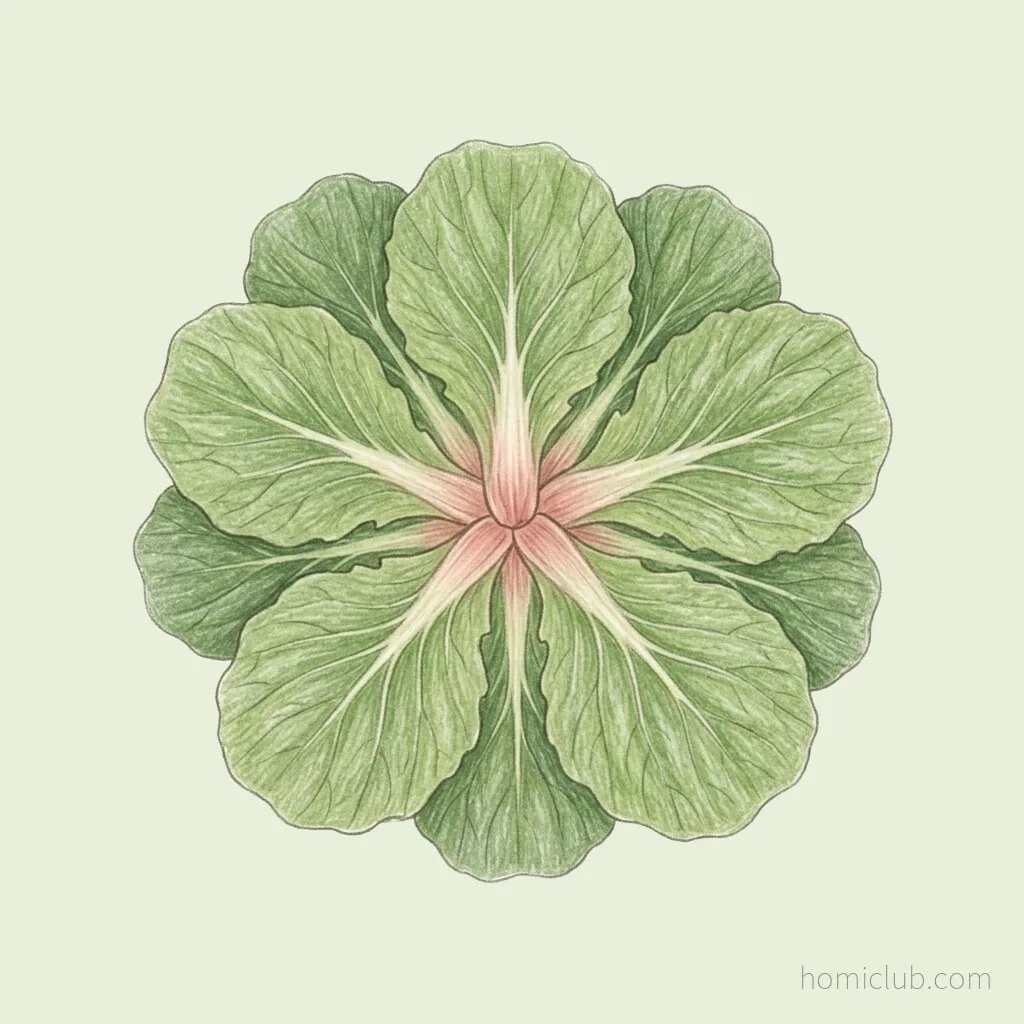
Spring napa cabbage (baechu) is a cool-season leafy green rich in vitamin C and dietary fiber, and the glucosinolates characteristic of the cabbage family help support antioxidant and detoxifying enzymes. Its leaves are more tender than fall-grown cabbage, which makes it ideal for geotjeori (a quick, lightly seasoned fresh kimchi) and for ssam (wrapping leaves). Sow in spring and harvest before the weather turns hot, so the heads stay firm rather than soft and mushy.
Year-Round Calendar
- 1
- 2
- 3
- 4
- 5
- 6
- 7
- 8
- 9
- 10
- 11
- 12
- 3
- 6
- 7
Health Benefits
Anti-cancer and detox support. Diets that regularly include cruciferous vegetables - including bomdong, the overwintered flat-leaf cabbage - have been consistently linked in meta-analyses to a reduced risk of several cancers. It shares the same active mechanisms as the Cabbage and Kale entries in this series, with isothiocyanates as the key active compounds.
A winter source of vitamins. During Korea's winter and early spring, bomdong is a key source of fresh vitamin C and folate. As a leafy green that has weathered the cold, it is nutrient-dense and has long held a place as a traditional food for preventing seasonal vitamin deficiencies.
Digestion and gut health. Its abundant dietary fiber stimulates intestinal movement and helps prevent constipation. The custom of finishing a heavy spring meal with a seasoned bomdong side dish has served as a natural aid to gut health.
Eye health and immunity. Rich in beta-carotene, lutein, and vitamins A and C, it supports eye health and strengthens immunity. Because leaves that endure the cold concentrate their pigments, the carotenoid content is high - putting it a notch above ordinary cabbage in nutrient density.
Nutrition
- Vitamin C (Abundant) — Immunity and antioxidant activity
- Glucosinolates (Cabbage-family compound) — Antioxidant action and detoxifying enzyme activity
- Dietary fiber (Abundant) — Gut health
Pairings
○ Doenjang (fermented soybean paste) — Bomdong dressed with doenjang is a fixture of spring cooking. The salty, savory umami of the paste brings out the cabbage's natural sweetness, and the probiotic benefits of the fermented food come along for the ride.
○ Gochujang and vinegar — Bomdong geotjeori (fresh, quick kimchi) is built on a base of gochujang (fermented chili paste) and vinegar. The spicy, tangy seasoning balances the tender sweetness of the cabbage, making it a classic light spring side dish.
○ Sesame oil, perilla oil, and garlic — Sesame or perilla oil with added garlic is the standard dressing for a seasoned bomdong dish. The oil helps the body absorb the cabbage's fat-soluble carotenoids, while the aroma of garlic lifts the flavor a step higher.
○ Oysters and clams — Bomdong tossed with oysters is a golden spring pairing of minerals and vitamins. The zinc and minerals from oysters meet the cabbage's vitamins, making it a restorative spring dish.
○ Tofu — Bomdong with tofu is a balanced combination of plant protein and vegetable nutrition. The softness of the tofu contrasts with the crisp bite of the cabbage, adding textural pleasure to the dish.
○ Multigrain rice — Bomdong bibimbap brings multigrain rice and cabbage together in a single bowl for both nutrition and flavor. The carbohydrates and protein from the grains complement the vitamins and minerals of the bomdong.
△ Thyroid conditions, blood thinners, and kidney failure — The glucosinolates in spring cabbage (bomdong) can partially interfere with thyroid hormone production when eaten in large amounts, its vitamin K can interact with anticoagulants, and its potassium can burden people with kidney failure. Normal dietary amounts are fine, but if any of these conditions apply to you, keep your intake consistent.
△ Long cooking at high heat — Spring cabbage loses its sweetness and vitamins when cooked at high heat for too long. A quick blanch—or eating it raw—is the best way to preserve its signature flavor and nutritional value.
Varieties
- Spring cabbage (bombaechu) — Forms heads in spring; tender enough for fresh geotjeori kimchi.
- Fall cabbage (gaeulbaechu) — The classic choice for gimjang (the annual kimchi-making); densely packed heads.
- Bomdong — Flat, open cabbage that has overwintered through the cold; notably sweet.
Source: Food and Nutrition Information