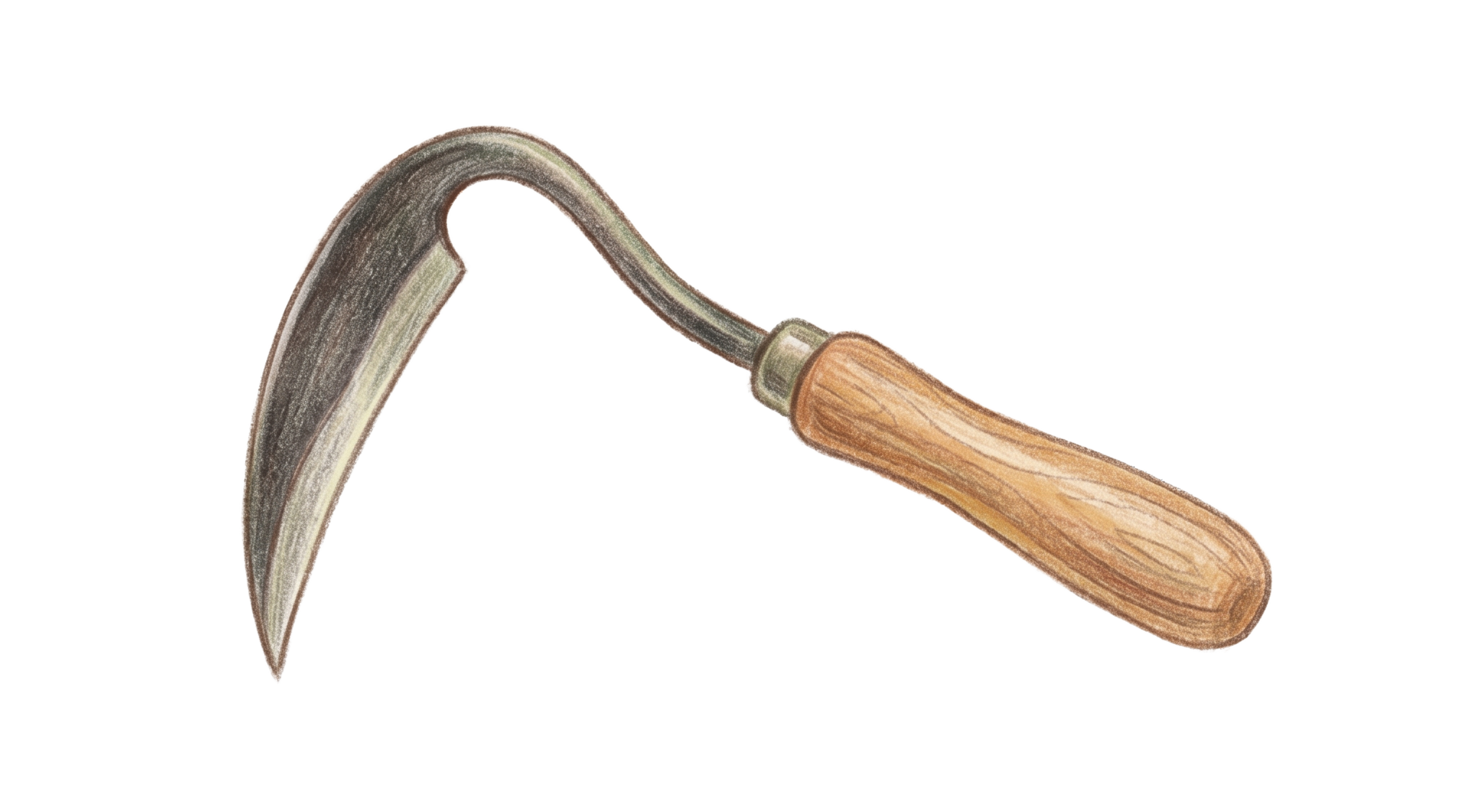
탕액편 · Vegetables
莙薘 근대 (군달)
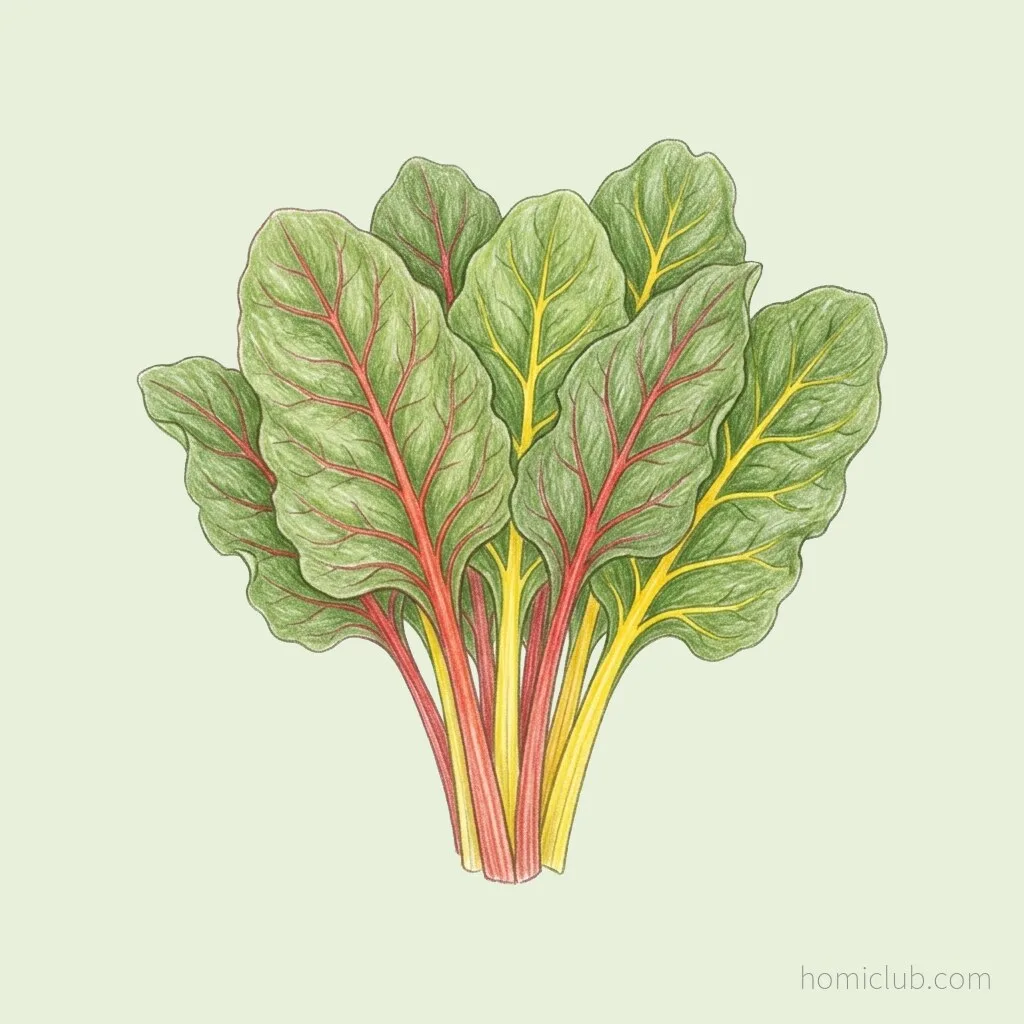 Related Crop · Chard (Geundae) →
Notes
Nature and flavor: Close to neutral (neither warming nor cooling), with a mild sweetness. In traditional Korean medicine, every food and herb is classified by its thermal nature — hot, warm, neutral, cool, or cold — and by its dominant flavor, both of which guide how it acts on the body.
Organs it acts on (meridian tropism): The spleen, stomach, and large intestine. Korean medicine maps each ingredient to specific meridians — energetic channels linked to internal organs — to predict where its effects will be felt most strongly.
Main effects:
- Harmonizes the spleen and stomach, aids digestion. As a tender leafy green, chard is gentle on the gastrointestinal tract.
- Lubricates the intestines and eases bowel movements. Its abundant fiber and mucilaginous compounds soften stool and support regularity.
- Promotes urination and reduces edema. The high potassium and water content help clear fluid retention.
- "Blood-nourishing" action (traditional). Chard belongs to the same species as beetroot, and the red betalain pigments in its leaf veins were interpreted in traditional Korean medicine as bo-hyeol (補血) — literally "supplementing the blood."
How it is used: Blanched and dressed as a seasoned side dish (muchim); simmered in a soybean-paste soup (geundae-guk); the young leaves eaten raw as wraps for rice and meat (ssam); or stir-fried.
Cautions: The Dongui Bogam itself warns against eating chard in large quantities. It contains oxalic acid — not as much as spinach, but enough that anyone with a history of kidney stones should limit their intake.
Related Crop
Chard (Geundae) →
Readings are Homiclub’s own. Consult a professional for medical decisions. · 동의보감(자체 풀이)