탕액편 · Vegetables
羊乳 더덕 (양유)
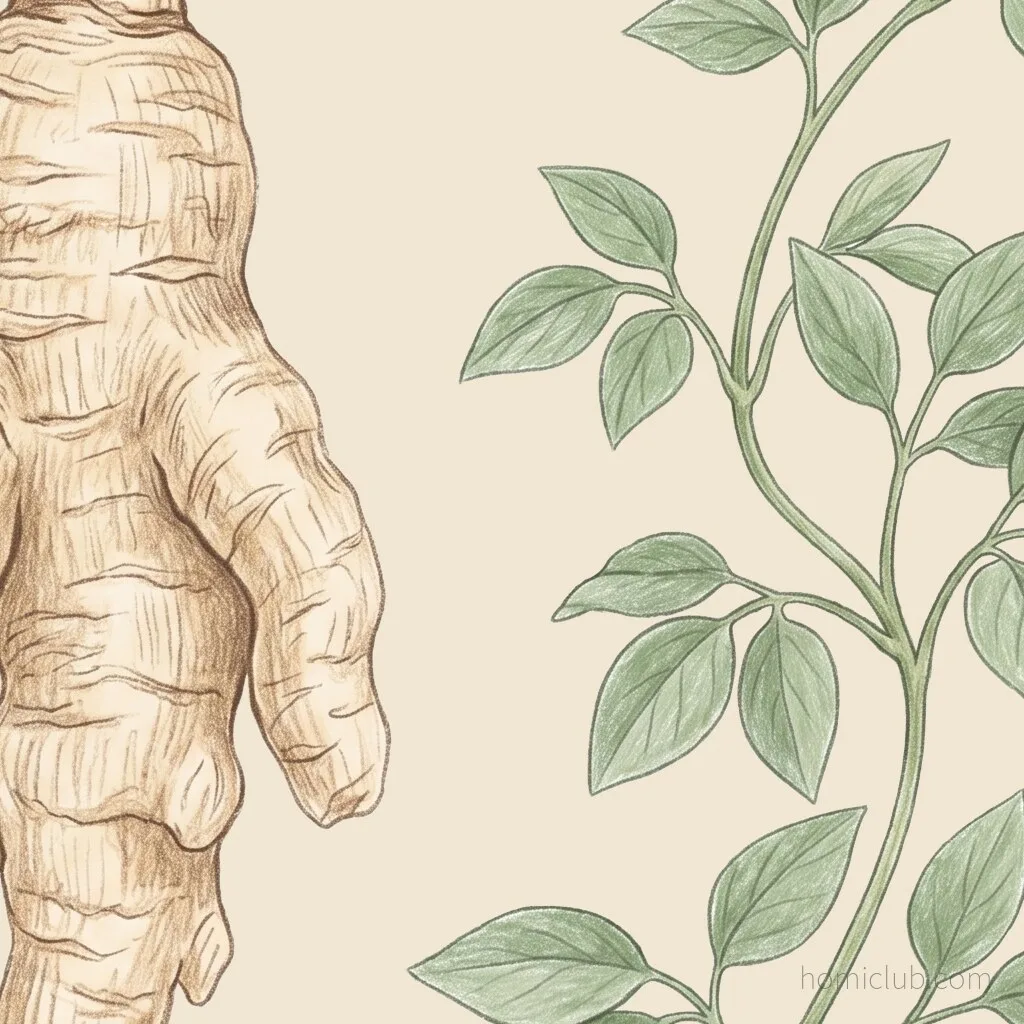 Related Crop · Deodeok (Korean Bonnet Bellflower Root) →
Notes
## Deodeok (Codonopsis lanceolata) — "Sheep's Milk Root" (羊乳, yangyu)
Nature and flavor. In Korean traditional medicine, every herb is classified by its seongjil (nature — its warming or cooling tendency) and mat (flavor — sweet, bitter, pungent, sour, salty, which signal what the herb does inside the body). Deodeok is described as sweet and bitter in flavor, neutral in nature — neither warming nor cooling — and non-toxic, meaning it can be used over longer periods without strong side effects.
Organs it acts on. Korean medicine also speaks of gwigyeong (歸經), or "meridian tropism" — the idea that each herb has an affinity for particular organ systems. Deodeok is said to enter the lung meridian, much like doraji (bellflower root, Platycodon). It was used to thin and resolve phlegm, ease coughs, and calm inflammation of the throat.
Why the name "sheep's milk." When the stem of the plant is cut, it releases a milky white sap. That detail gave the root its classical name yangyu (羊乳), literally "sheep's milk."
A note on names. Older Korean medical texts sometimes recorded deodeok as samsam (沙蔘). Modern Korean herbalism corrects this: samsam is now identified as jandae (Adenophora), a different plant. Deodeok belongs to the genus Codonopsis. Both are members of the bellflower family (Campanulaceae), but they are separate genera and should not be treated as interchangeable.
How it was used. Deodeok was given mainly as a lung-supporting herb — for chronic coughs with sticky phlegm, sore or inflamed throat, and weakened breathing. It is also eaten as food in Korea (grilled, marinated, in salads), and the line between food and medicine is intentionally thin here.
A modern perspective. Saponins isolated from deodeok have shown anti-inflammatory effects, expectorant (phlegm-clearing) activity, and some signals related to memory in laboratory studies. These findings remain largely at the level of animal and cell-culture experiments, and have not yet been confirmed by robust human clinical trials.
Cautions. Because deodeok is neutral in nature and non-toxic in the classical reading, it was considered safe for general use. Even so, anyone with a known allergy to bellflower-family plants, or who is taking medication for a chronic condition, should consult a qualified practitioner before using it medicinally rather than as food.
Related Crop
Deodeok (Korean Bonnet Bellflower Root) →
Readings are Homiclub’s own. Consult a professional for medical decisions. · 동의보감(자체 풀이)