탕액편 · Herbs
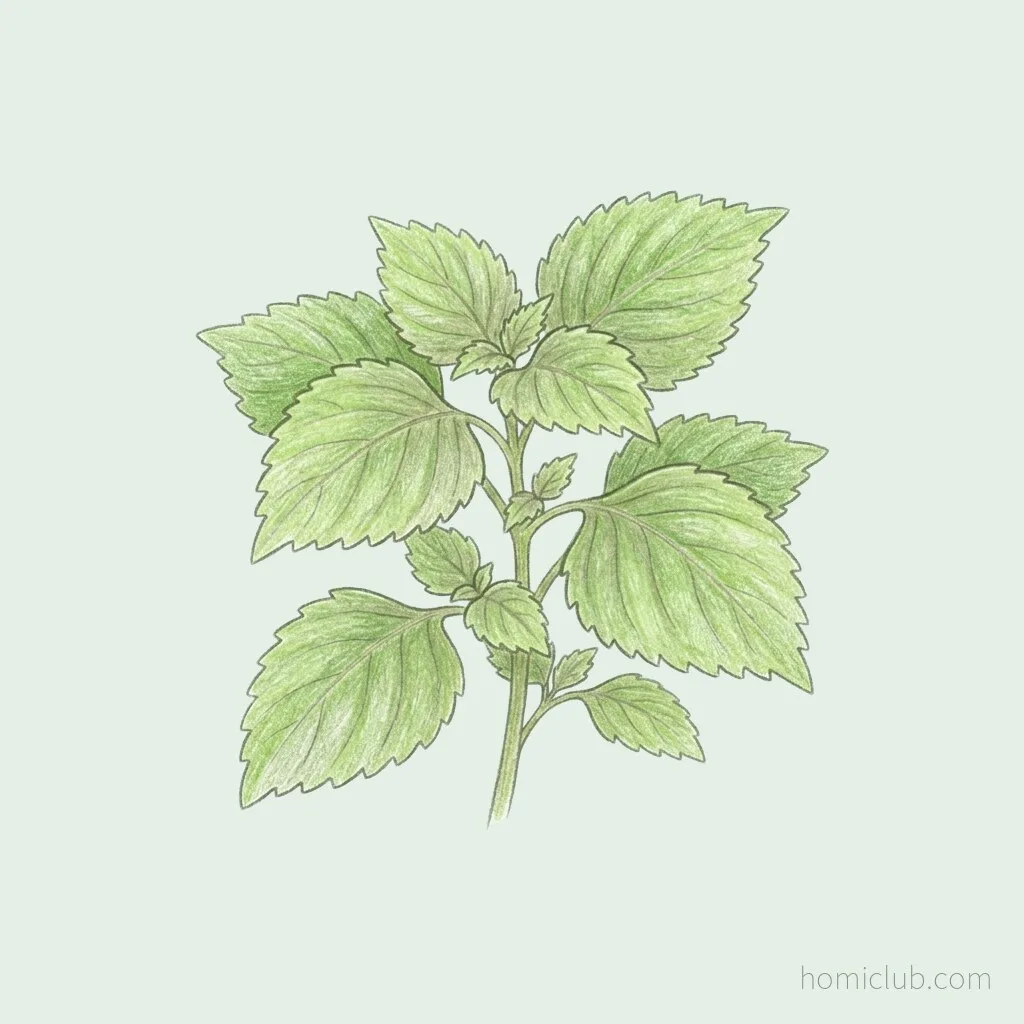
薄荷 민트 (박하)
 Related Crop · Mint →
Original, read line by line 東醫寶鑑 · 탕액편 권2
-
性溫一云平, 味辛苦, 無毒.
성온일운평, 미신고, 무독.
Its nature is warm, though some sources say neutral. The flavor is pungent and bitter, and it is non-toxic.
-
能引諸藥入榮衛, 發毒汗, 療傷寒頭痛.
능인제약입영위, 발독한, 료상한두통.
It guides the energies of other herbs into the ying and wei (the nutritive and defensive levels of circulation in traditional medicine), induces a strong sweat, and relieves headaches caused by cold damage.
-
治中風賊風頭風.
치중풍적풍두풍.
It treats stroke (zhongfeng), invasive wind (zeifeng), and chronic wind-induced headaches (toufeng) — all conditions attributed in traditional medicine to pathogenic wind entering the body.
-
通利關節, 大解勞乏.
통리관절, 대해로핍.
It opens and eases the joints and powerfully relieves fatigue and exhaustion.
-
圃中種蒔, 可生啖, 亦宜作葅.
포중종시, 가생담, 역의작저.
It can be cultivated in the vegetable garden and eaten raw, or made into a pickled side dish (jeo, a traditional salted or vinegared vegetable preparation).
-
夏秋採莖葉, 暴乾用. 《本草》
하추채경엽, 폭건용. 《본초》
In summer and autumn, gather the stems and leaves, then sun-dry them for use. From the Bencao.
-
性味辛涼.
성미신량.
Its nature and flavor are pungent and cool.
-
最淸頭目, 治骨蒸.
최청두목, 치골증.
It best clears the head and the eyes, and treats gu zheng (bone-steaming), a traditional term for chronic low-grade fever felt as heat radiating from deep within the bones.
-
入手太陰ㆍ手厥陰經, 上行之藥也. 《湯液》
입수태음·수궐음경, 상행지약야. 《탕액》
It enters the Hand Taiyin (lung) and Hand Jueyin (pericardium) meridians and is a herb whose action moves upward in the body. From the Tangaek.
-
猫食薄荷則醉. 《食物》
묘식박하즉취. 《식물》
When a cat eats mint, it becomes intoxicated as if drunk. From the Sikmul.
Related Crop
Mint →
Readings are Homiclub’s own. Consult a professional for medical decisions. · 동의보감(자체 풀이)