탕액편 · Vegetables
西瓜 수박 (서과)
 Related Crop · Watermelon →
Original, read line by line 東醫寶鑑 · 탕액편 권2
-
性寒, 味甘極淡, 無毒.
성한, 미감극담, 무독.
Its nature is cold, its flavor sweet yet very bland, and it carries no toxicity. In traditional medicine, a cold nature means the herb cools the body's internal heat.
-
壓煩渴, 消暑毒,
압번갈, 소서독,
It relieves restless thirst and dispels summer heat toxins. It works as a natural cooler for bodies worn down by sweltering summer days.
-
寬中下氣, 利小便.
관중하기, 이소변.
It soothes the middle burner, sends qi downward, and promotes urination. In other words, it eases bloating and helps the body flush out waste.
-
治血痢, 療口瘡. 《入門》
치혈리, 료구창. 《입문》
It treats bloody dysentery and heals mouth sores, as recorded in the Yixue Rumen (Introduction to Medicine).
-
契丹破回紇, 得此種, 以牛糞覆而種之.
거란파회흘, 득차종, 이우분복이종지.
When the Khitan defeated the Uyghurs, they obtained this seed and grew it by covering the ground with cow dung. This passage briefly traces how watermelon found its way into East Asia.
-
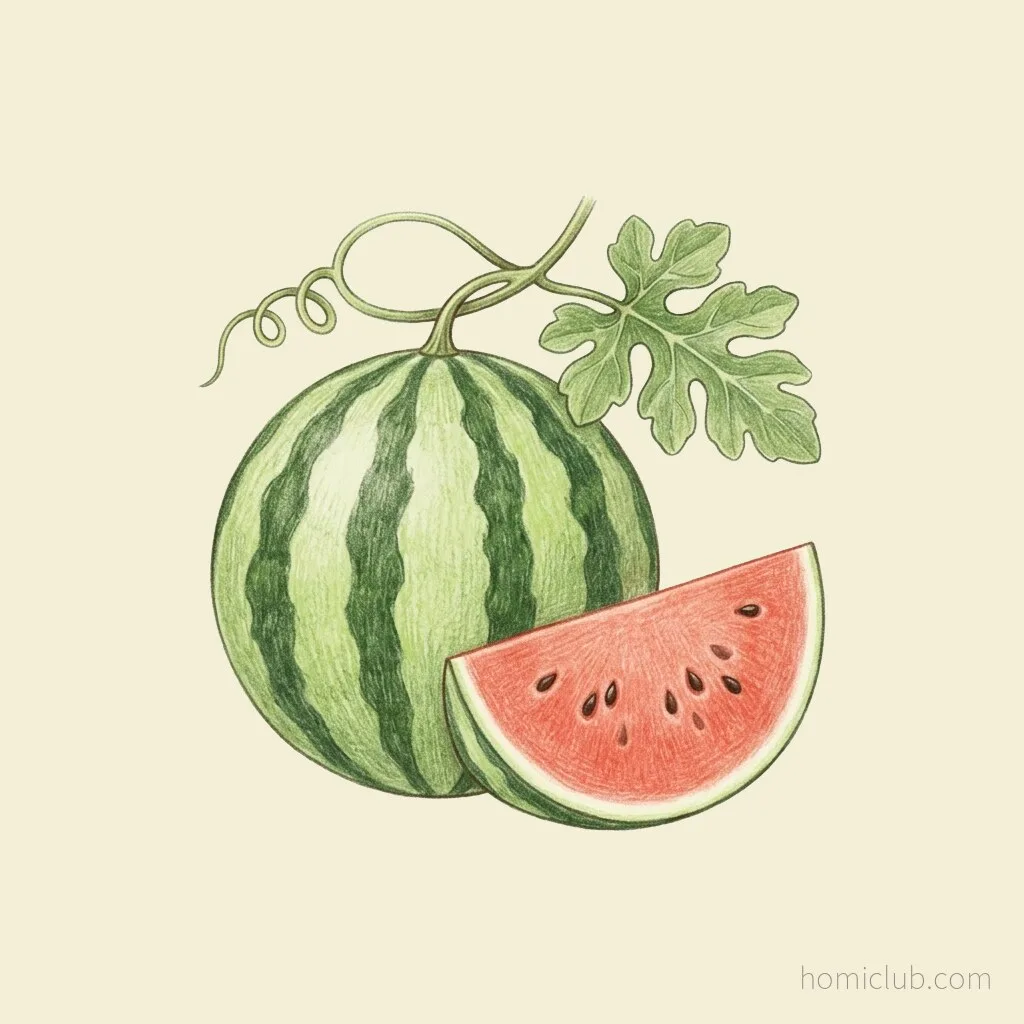
其實圓大如瓠, 色如靑玉,
기실원대여호, 색여청옥,
The fruit is round and large like a gourd, with a color resembling green jade. It calls to mind the deep green watermelon we are all familiar with.
-
子如金色, 或赤或黑, 或黑麻色.
자여금색, 혹적혹흑, 혹흑마색.
The seeds may be golden, sometimes red or black, or speckled like black sesame. The variety in seed color suggests that several cultivars were already known.
-
北地多有之, 今則流播南北, 處處皆有之.
북지다유지, 금즉유파남북, 처처개유지.
Once abundant in the north, it has now spread across both south and north and can be found everywhere. In short, watermelon had taken root throughout the peninsula.
-
六七月熟. 《日用》
육칠월숙. 《일용》
It ripens in the sixth or seventh lunar month, the heart of summer, as noted in the Riyong Bencao (Materia Medica for Daily Use).
-
有一種楊溪瓜, 秋生冬熟,
유일종양계과, 추생동숙,
There is also a variety called Yangxi melon, which sprouts in autumn and ripens in winter. Its growing season runs opposite to that of the common watermelon.
-
形略長匾而大, 瓤色臙紅.
형략장편이대, 양색연홍.
It is slightly elongated and flat in shape, yet large, with flesh the deep red of rouge. The description matches the bright red watermelon flesh we know today.
-
味勝西瓜. 可留至次年夏間.
미승서과. 가류지차년하간.
Its flavor surpasses ordinary watermelon, and it can be kept until the following summer. It was, in other words, a prized variety that also stored remarkably well.
-
或云, 異人遺種也. 《食物》
혹운, 이인유종야. 《식물》
Some say this variety came from seeds left behind by an extraordinary stranger, as recorded in the Shiwu Bencao (Materia Medica of Foodstuffs). A touch of legend, as often accompanies rare cultivars.
Related Crop
Watermelon →
Readings are Homiclub’s own. Consult a professional for medical decisions. · 동의보감(자체 풀이)