탕액편 · Vegetables
山菜 취나물
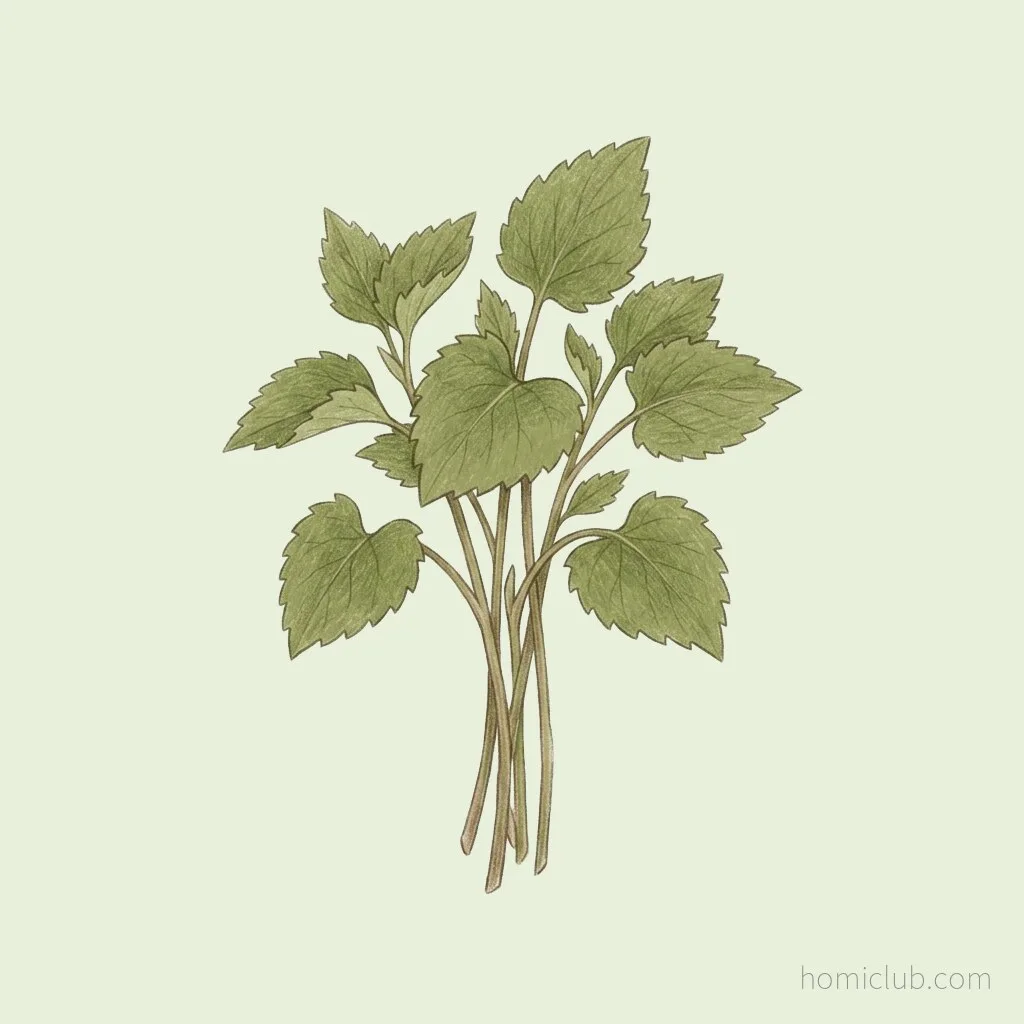 Related Crop · Chwinamul (Korean Aster Greens / Chamchwi) →
Notes
Chwinamul (most often the species Aster scaber, known in Korean as cham-chwi) is one of the best-loved wild spring greens on the Korean table. Prized for its distinctive fragrance, it has been gathered and eaten for centuries — but it is worth being honest with readers: chwinamul does not appear as a clearly defined medicinal herb in the classical materia medica. Unlike many entries in the Dongui Bogam (the 1613 Korean medical classic), there is no firmly established record assigning it a specific "nature and flavor" (seongjil and mat — the traditional way of describing whether a food is warming or cooling, and which of the five tastes it carries) or a defined "meridian tropism" (gwigyeong — the internal organs or energy channels a substance is believed to act upon).
For that reason, rather than borrowing medicinal claims that the old texts do not actually make, it is more accurate to approach chwinamul through the lens of modern nutrition. The greens are rich in vitamins, minerals, and polyphenol compounds, which is the substantive basis for their reputation as a healthful spring vegetable.
In Korean kitchens, the name "chwinamul" covers several related wild greens beyond cham-chwi, including bujikkaengi-namul (Aster glehnii, the island aster) and other "chwi" species, all prepared in much the same way. The standard method is to blanch the fresh leaves briefly, squeeze out the water, and season them — typically with soy sauce, sesame oil, garlic, and toasted sesame seeds — as a side dish. When the spring harvest is plentiful, the greens are also dried and stored as muknamul ("aged greens"), to be rehydrated and cooked through the rest of the year.
There are no traditional cautions recorded for chwinamul as a medicinal substance, since it is treated in Korean food culture as an everyday vegetable rather than a prescribed herb. As with any wild green, foragers should be sure of correct identification before gathering, and dried muknamul should be soaked and cooked thoroughly before eating.
Related Crop
Chwinamul (Korean Aster Greens / Chamchwi) →
Readings are Homiclub’s own. Consult a professional for medical decisions. · 동의보감(자체 풀이)