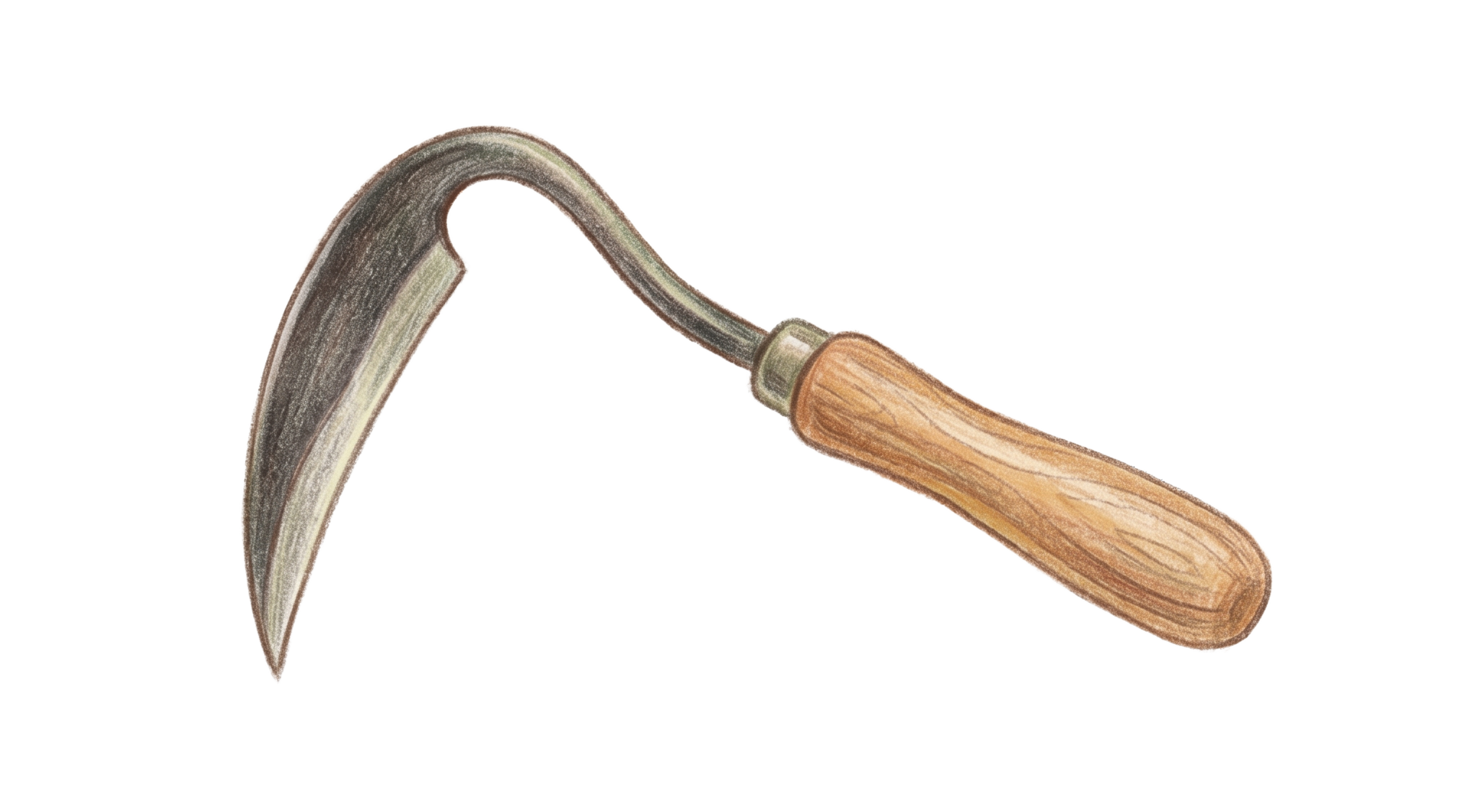
탕액편 · Vegetables
甛瓜 참외 (첨과)
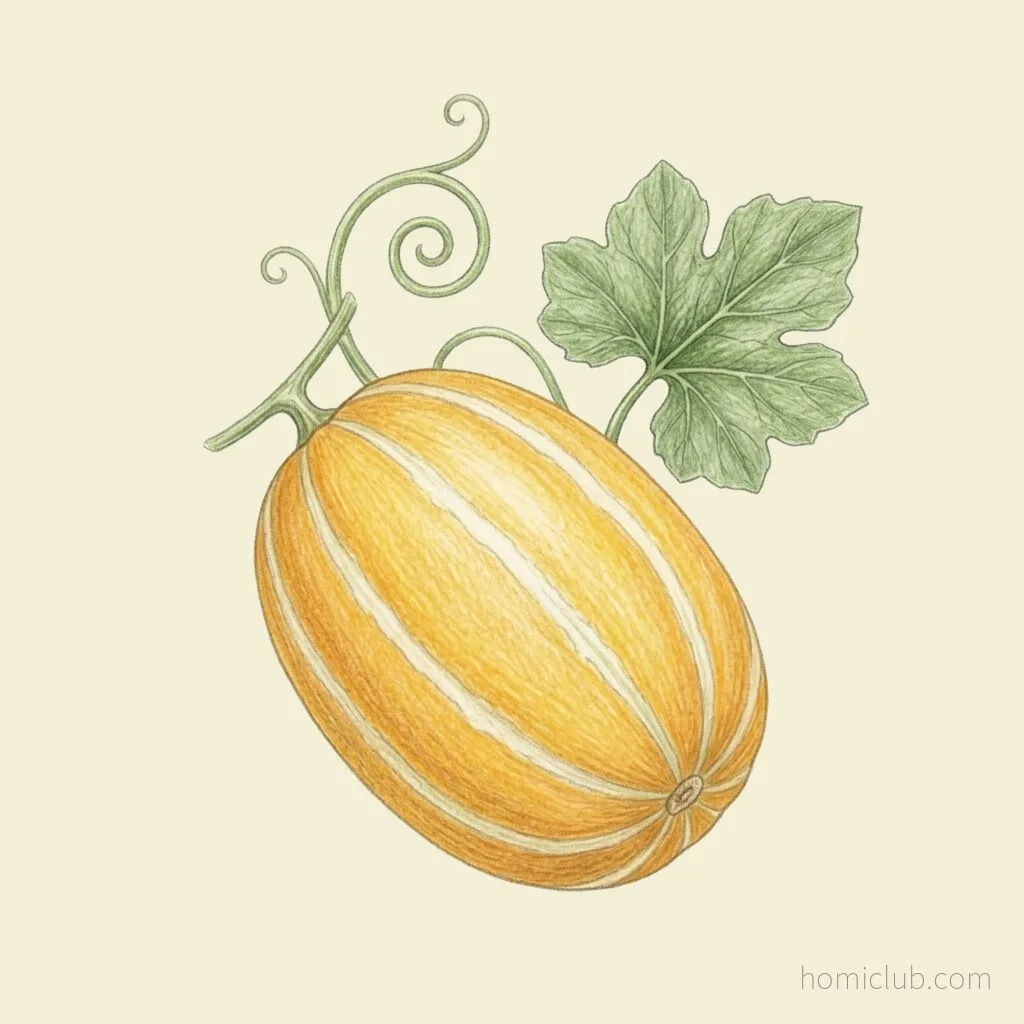 Related Crop · Korean Melon (Chamoe) →
Original, read line by line 東醫寶鑑 · 탕액편 권2
-
性寒, 味甘, 有毒一云無毒.
성한, 미감, 유독일운무독.
Its nature is cold, its taste sweet, and it is said to be toxic, though some sources say it is non-toxic. In Korean medicine, nature and taste are the first lens for judging an herb's action.
-
止渴, 除煩熱, 利小便, 通三焦間壅塞氣.
지갈, 제번열, 이소변, 통삼초간옹색기.
It quenches thirst, clears vexing heat, promotes urination, and unblocks stagnant qi between the three burners (sanjiao). These are classic remedies for summer heat distress.
-
兼主口鼻瘡.
겸주구비창.
It also treats sores in the mouth and nose, having been used as a supportive remedy for oral ulcers and nasal inflammations.
-
處處有之, 多食則動宿冷病, 破腹, 令人脚手無力.
처처유지, 다식즉동숙냉병, 파복, 영인각수무력.
It grows everywhere, but eating too much stirs up old cold-type disorders, causes diarrhea, and weakens the limbs. The more common the fruit, the greater the caution against overeating.
-
有癥癖, 患脚氣人, 尤不可食.
유징벽, 환각기인, 우불가식.
Those with abdominal masses (jingbi) or suffering from beriberi (gakgi) must especially avoid it. The fruit's use depends strongly on one's constitution and condition.
-
沈水者, 及兩蔕兩鼻, 幷殺人. 《本草》
침수자, 급양체양비, 병살인. 《본초》
Melons that sink in water, or those with two stems or two navels, are said to be capable of killing a person, according to the Bencao, an empirical warning passed down by the ancients.
-
瓜蔕 외고고리
과체 외고고리
The melon stem is called gwache in Chinese characters and oegogori in native Korean. It is treated as a separate medicinal part with its own entry.
-
性寒, 味苦, 有毒.
성한, 미고, 유독.
Its nature is cold, taste bitter, and it is toxic. Unlike the flesh, the stem is treated as a bitter and potent medicinal.
-
主通身浮腫, 下水.
주통신부종, 하수.
It is mainly used for whole-body edema, draining accumulated water from the body through its strong diuretic and purgative action.
-
殺蠱毒, 去鼻中瘜肉.
살고독, 거비중식육.
It kills gu poison (parasitic or noxious toxins in classical thought) and removes polyps from inside the nose, a traditional remedy for conditions resembling nasal polyps.
-
療黃疸, 及食諸物過多, 病在胸中者, 皆吐下之.
요황달, 급식제물과다, 병재흉중자, 개토하지.
It treats jaundice and, for ailments lodged in the chest from overeating, induces vomiting or purgation. It was used to forcefully clear what is stuck in the upper digestive tract.
-
卽甛瓜蔕也. 一名苦丁香.
즉첨과체야. 일명고정향.
This refers to the stem of the sweet melon, also known as godinghyang (bitter clove). The same medicinal has come down to us under several names.
-
瓜有靑白二種, 當用靑瓜蔕.
과유청백이종, 당용청과체.
There are two kinds of melon, green and white, and for medicine one should use the stem of the green variety. The ancients carefully chose the right cultivar for each remedy.
-
七月待瓜熟氣足, 其蔕自然落, 在蔓莖上, 約半寸許.
칠월대과숙기족, 기체자연락, 재만경상, 약반촌허.
In the seventh lunar month, wait until the melons are ripe and full of qi; the stems then fall naturally, leaving about half a chon on the vine. The text specifies even the harvest timing and size.
-
採取陰乾, 麩炒黃色用. 《本草》
채취음건, 부초황색용. 《본초》
After harvesting, dry the stems in the shade and stir-fry them with wheat bran until yellow before use, a traditional processing method to temper the herb's toxicity, per the Bencao.
-
瓜子
과자
The melon seeds are given their own entry. Along with the flesh and stem, the seeds were used for distinct medicinal purposes.
-
主腹內結聚.
주복내결취.
It is mainly used to dissolve masses and accumulations within the abdomen, conditions traditionally classified as jeokchwi.
-
破潰膿血, 最爲腸胃癰要藥.
파궤농혈, 최위장위옹요약.
It bursts and disperses pus and stagnant blood, making it the principal remedy for abscesses (ong) in the intestines and stomach, a key herb for internal suppuration.
-
又主婦人月經太過.
우주부인월경태과.
It also treats excessive menstrual bleeding in women, used historically for menorrhagia and related conditions.
-
暴乾搗末, 三重紙包裹, 壓去油用之. 《本草》
폭건도말, 삼중지포과, 압거유용지. 《본초》
Sun-dry the seeds, grind them to powder, wrap in three layers of paper, and press out the oil before use, per the Bencao. Removing the oil was considered essential for the seeds' proper effect.
-
葉
엽
The melon's leaves are also treated as a separate medicinal, with their own traditional use.
-
主無髮. 取汁塗之. 《本草》
주무발. 취즙도지. 《본초》
It is mainly used for areas where hair does not grow. According to the Bencao, one extracts the juice from the leaves and applies it to the spot.
-
花
화
The melon's flowers are likewise used medicinally, with their own properties recorded separately.
-
主心痛咳逆. 《本草》
주심통해역. 《본초》
It treats chest pain and the upward counterflow of cough or hiccup, used historically for chest pain and conditions of qi rebellion, per the Bencao.
-
野甛瓜
야첨과
The wild melon is distinguished as yacheomgwa and treated separately, since its nature and uses differ from the cultivated variety.
-
又名馬剝兒.
우명마박아.
It is also called mabaga, one of several names by which the same plant has been recorded across regions and texts.
-
味酸似甛瓜而小.
미산사첨과이소.
Its taste is sour and it resembles the sweet melon but is smaller, distinguishing it as a small, sour wild variety.
-
治噎嗝有功. 《入門》
치열격유공. 《입문》
According to the Uihak Ipmun, it is effective in treating yeolgyeok, a condition where food cannot pass down the throat, used historically for esophageal obstruction.
Related Crop
Korean Melon (Chamoe) →
Readings are Homiclub’s own. Consult a professional for medical decisions. · 동의보감(자체 풀이)