탕액편 · Vegetables
落花生 땅콩 (낙화생)
 Related Crop · Peanut →
Notes
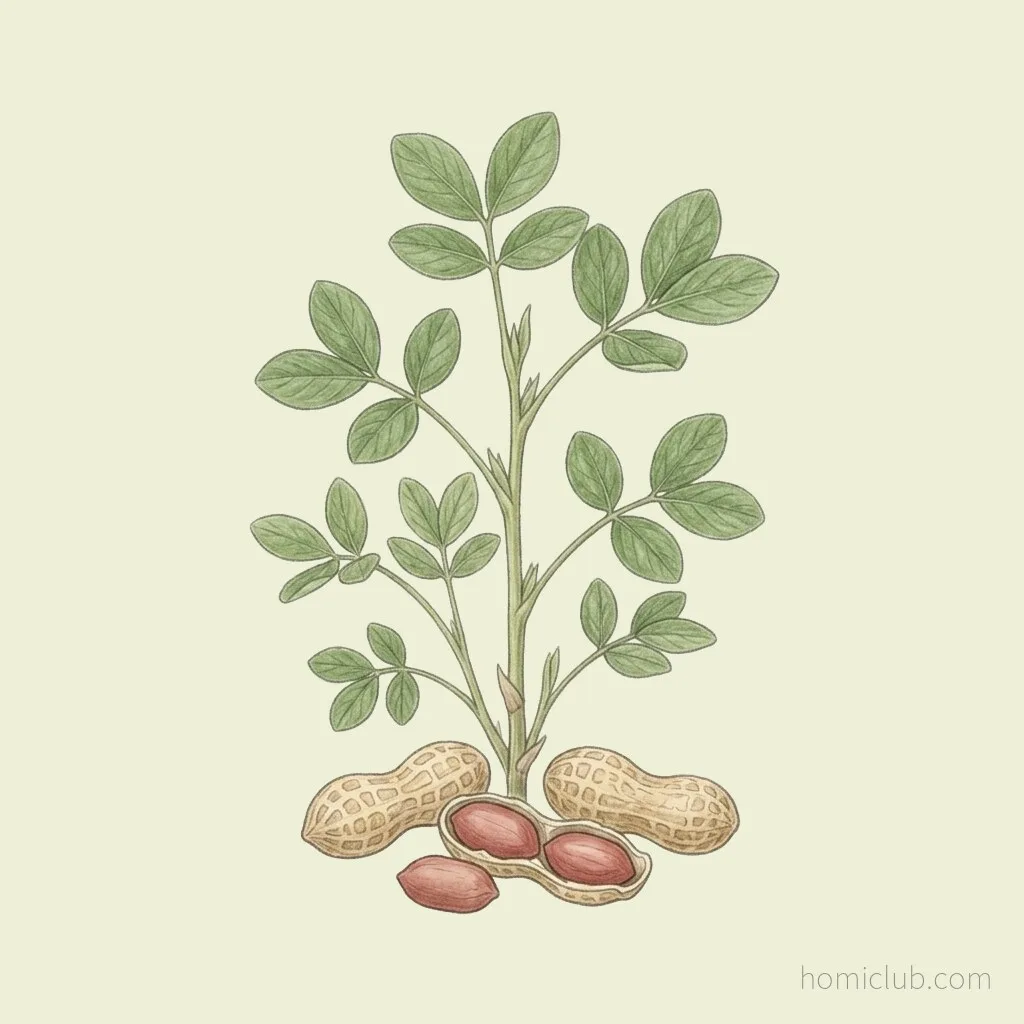
## Peanut (落花生, Nakhwasaeng)
Nature and flavor. In traditional Korean medicine, every food and herb is classified by its "nature" (its warming or cooling tendency in the body) and its "flavor" (one of five tastes, each tied to a different organ system). The classical materia medica describes the peanut as sweet in flavor and neutral in nature — neither warming nor cooling, gentle enough for regular use.
Organs it acts on. Peanuts work mainly on the Spleen and Stomach — the digestive core in Korean medicine, responsible for transforming food into the energy and blood that nourish the body — and on the Lung, which governs breathing and the moisture of the airways.
Main effects. Peanuts were valued as a nourishing food that strengthens the Spleen and Stomach to support digestion, and that moistens the Lung to ease dry cough and thin stubborn phlegm. One caveat: the peanut is native to South America and reached East Asia relatively late, so it appears only sparingly in the older Korean and Chinese medical classics compared with long-established staples.
How it is used. As a daily nourishing food rather than a prescribed remedy — eaten as is, lightly roasted, or simmered in soups and porridges to build up a weak digestion or soothe a dry, unproductive cough.
Cautions. Modern nutrition research highlights peanuts as a rich source of unsaturated fats (oleic and linoleic acid), vitamin E, and plant protein, and ongoing studies examine the role of nuts in cardiovascular health. However, peanuts are one of the most common and serious food allergens worldwide, and anyone with a known nut allergy should avoid them entirely.
Related Crop
Peanut →
Readings are Homiclub’s own. Consult a professional for medical decisions. · 동의보감(자체 풀이)