About a week after you sow yeolmu (young summer radish) in the early-summer garden, the seed leaves push up thick across the soil. They stand so close together there's barely room to slip a finger between them in a single row. First-time growers tend to smile at all those crowded sprouts—but left as they are, the plants stretch thin and leggy, the leaves turn flimsy, and the roots never properly fill out. With yeolmu, half the crop is decided after sowing, in the thinning.
Why You Have to Thin
Yeolmu germinates fast, and several seeds sprout together in one spot. Even if you scatter the seed evenly, three or four plants come up out of a single hole. When neighboring plants share the same soil, they split the water and nutrients between them, and none of them grows enough. The same goes for light. When the leaves shade one another, the lower plants sit in the dark and stretch tall just to reach the sun. That's what makes the stems thin and leggy.
Early summer makes this worse, because the temperature climbs quickly. Warm conditions plus too little light, working together, will make yeolmu shoot up in just a few days with nothing but height to show for it. Thinning is how you open up room between the plants for light, air, and nutrients. You have to clear out the crowded spots so the remaining plants can spread their leaves wide and send their roots down straight.
Thin in Two Rounds
Rather than thinning straight to the final spacing all at once, it's safer to do it in two passes. Young seedlings sometimes get lost to insects or heat, and if you leave them spread too far apart from the start, you'll have no way to fill the gaps.
- First thinning: Do this when one or two true leaves have appeared above the seed leaves. Pull the weak or bent seedlings and the pale-colored ones first, opening the spacing to about 2–3 cm between plants.
- Second thinning: Do this once the true leaves have grown to three or four and the plants begin to touch again. Now space them to their final 5–10 cm apart, leaving roughly 15 cm between rows.
When you thin, snipping close to the soil with scissors is better than pulling by hand, so you don't disturb the roots of the plants you're keeping. If you do pull by hand, steady the base of the neighboring plant with your other hand to hold it in place. Don't toss the thinned seedlings—rinse them and use them for a quick fresh kimchi (geotjeori) or to add to a soup. Thinned yeolmu is tender enough to make a side dish all on its own.
Caring for the Bed After Thinning
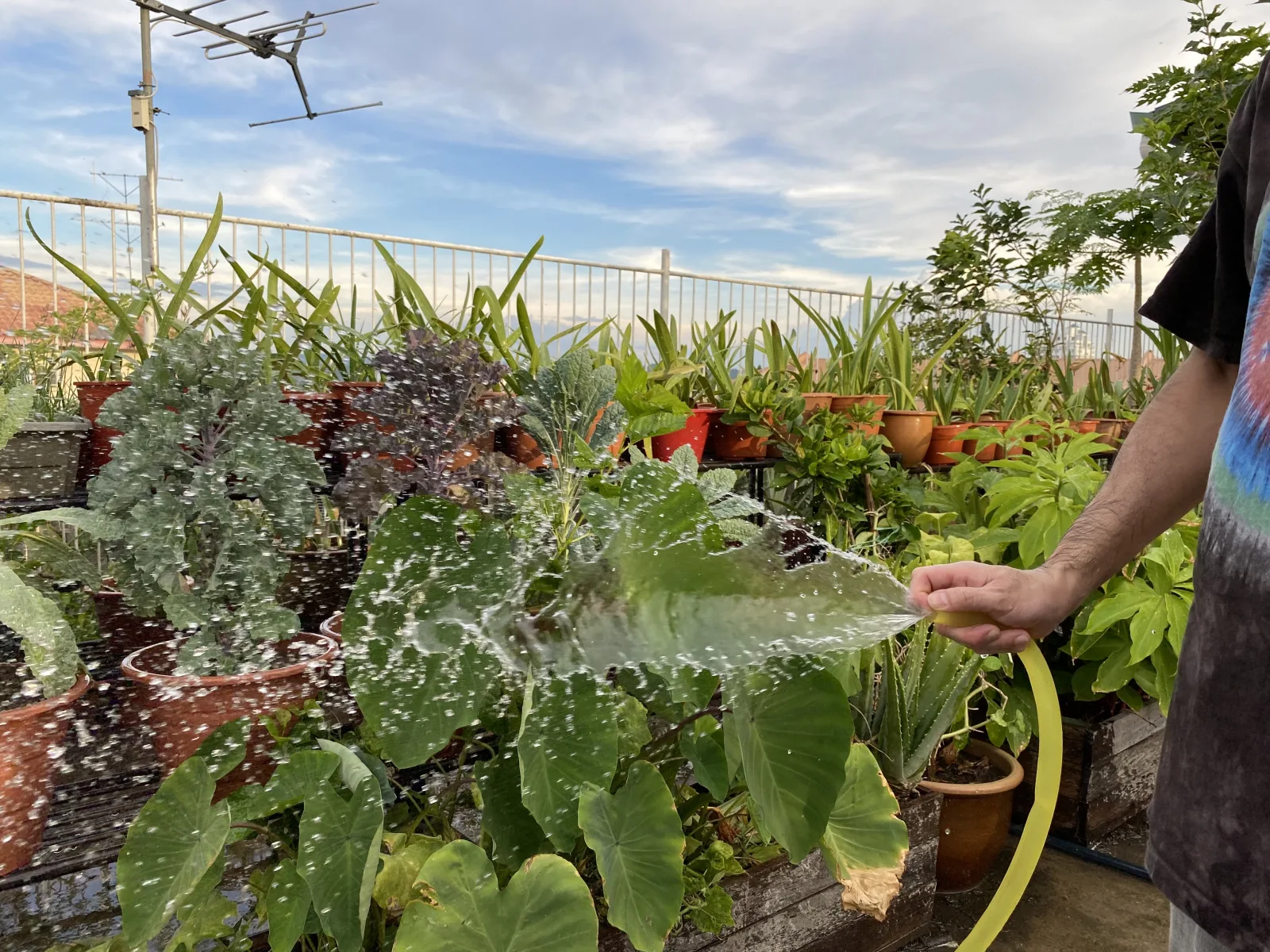
Right after thinning, firm down the loosened soil and water well. This helps the roots of the remaining plants settle into their new spacing. The soil dries out fast in early summer, so it's best to water in the morning or around sunset. Watering at midday can scorch the leaves against soil that has heated up.
Opening up the spacing through thinning also lets air move between the plants, which lowers the risk of soft, rotting leaves and mildew. That said, during the rainy season, when rain comes often, check the drainage one more time. If the soil stays soggy and waterlogged, the roots will rot. Yeolmu grows straight when the right spacing and well-draining soil come together.
Up to Harvest
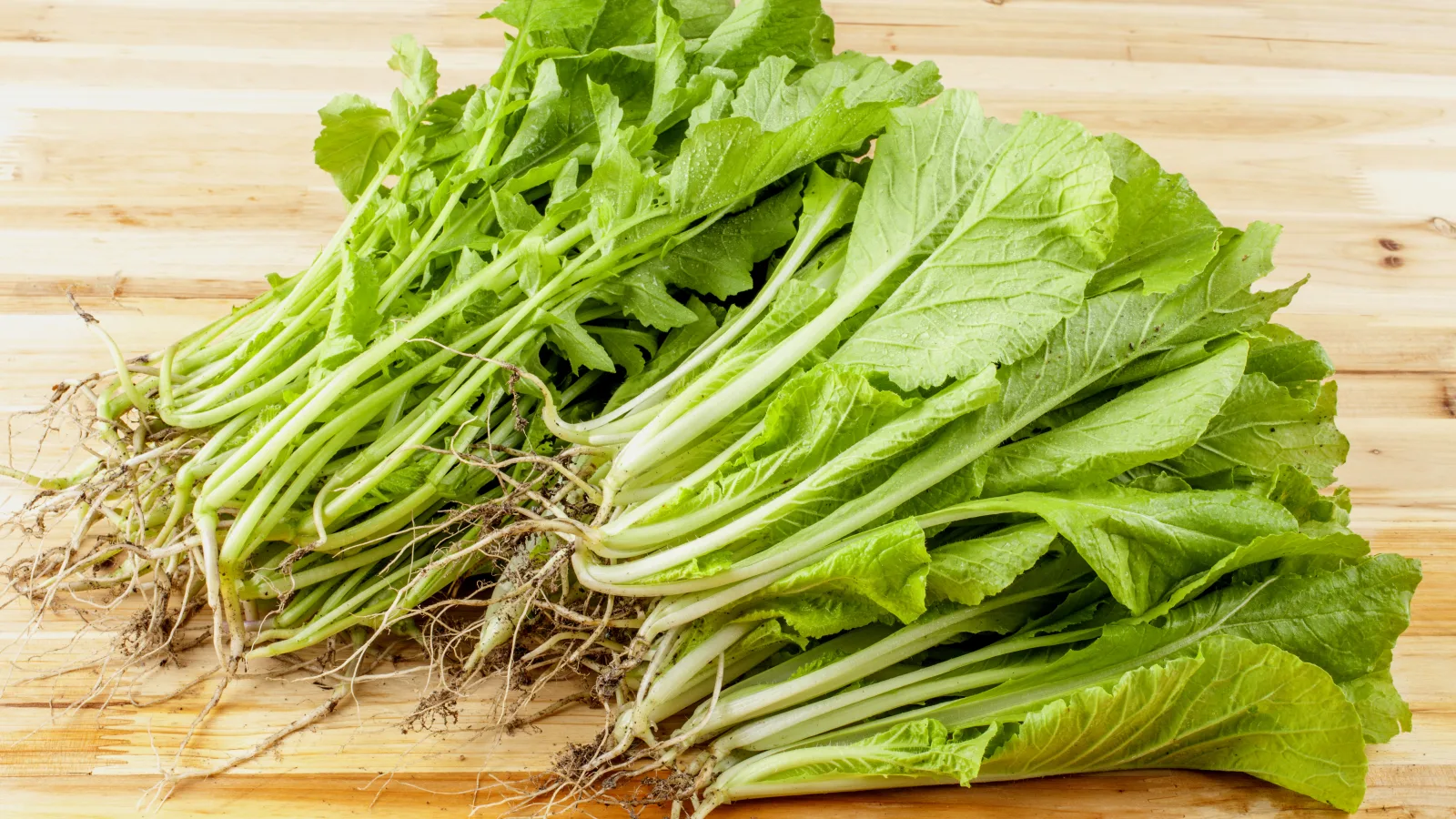
Yeolmu is a fast grower, so it's usually big enough to harvest about a month after sowing. Once the leaves grow a little larger than your palm and the roots thicken to about the size of an adult's thumb, pull the whole plant. Leave it too long and the stems turn tough and a flower stalk shoots up, which spoils the flavor. In early summer the heat makes those flower stalks bolt quickly, so it's best to harvest as soon as the plants reach the right size.
Head out to the garden today, start with the most crowded rows of yeolmu, pick the spots where true leaves have come up, and make your first thinning. Take those tender thinnings home for a quick fresh kimchi on the dinner table.