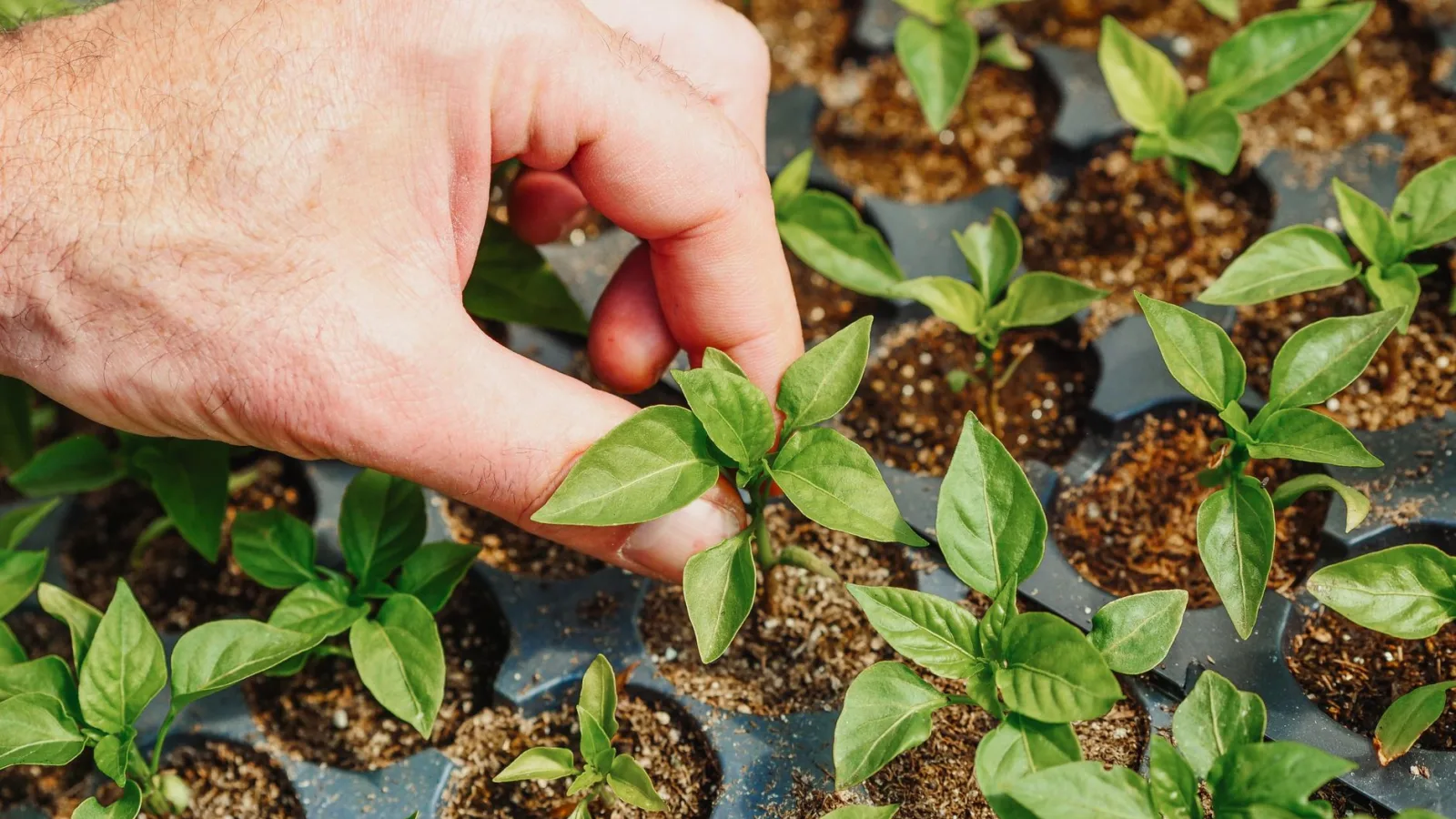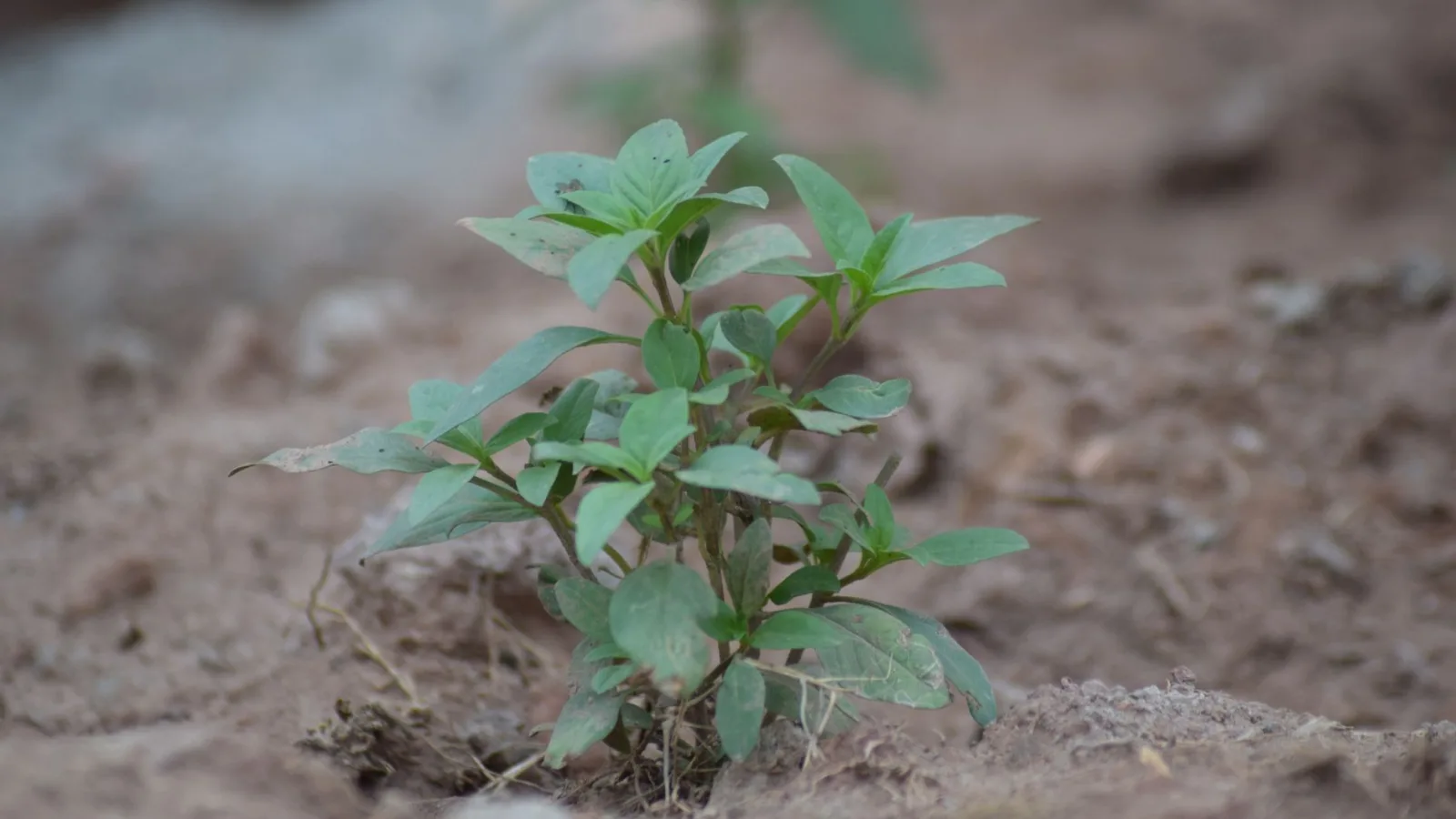
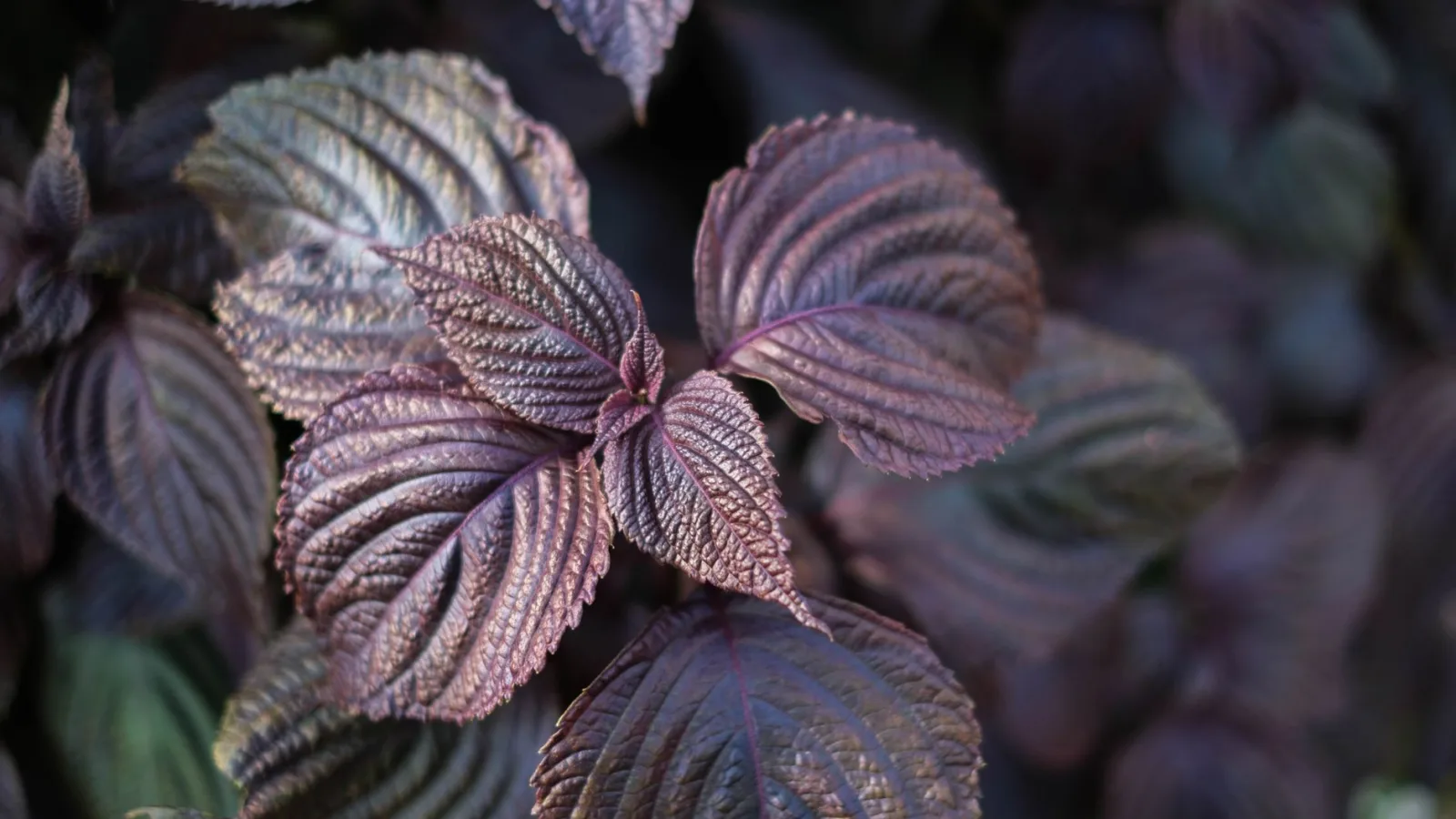
In a corner of the fall garden, perilla is ripening and giving off its nutty aroma. Perilla is a leafy herb in the mint family, and Koreans have long pressed its seeds for oil. Take a batch of well-dried seeds to a local oil mill and you come home with a bottle of perilla oil. A single spoonful holds omega-3 fatty acids, fats our bodies can't make on their own and have to get from food. But you can eat the same oil and still absorb very different amounts, depending on how you eat it.
The Omega-3s in Perilla and Flaxseed
In both perilla oil and flaxseed oil, alpha-linolenic acid (ALA) makes up 40–60% of the total fat. ALA is an omega-3 fatty acid, and because the body can't produce it, we need to get it from our diet. Research so far suggests that it supports heart and blood vessel health, helps calm inflammation in the body, and helps protect nerve cells. That's why a handful of homegrown perilla seeds is worth more than its toasty flavor.
Why You Don't Absorb All of It
The catch is that this beneficial fat doesn't easily stay in the body. ALA is sensitive to air, light, and heat, so it oxidizes readily. If a bottle of perilla oil has sat around too long and starts to smell off, that's the sign. And because ALA is an oil, it doesn't dissolve in water, so the gut can take in only so much of it. Even when you make a point of eating it, a good share passes through your system unabsorbed.
Food scientists are exploring ways to encase this fatty acid in microscopic particles. Wrapping oil droplets in a thin coating slows oxidation and increases how much the gut absorbs. Researchers are also studying how to add these encapsulated omega-3s to everyday foods, including dairy products like milk and yogurt, bread, and processed meats, so people can get them easily from their regular meals. The work is still in its early stages, and more research is needed to find out which approach works best.
Getting the Most Out of It at Home
You don't have to wait for fortified foods to reach store shelves. You can boost absorption in your own kitchen. Start by buying perilla and flaxseed oil in small bottles, keeping them in the refrigerator, and using them up within two to three months. It's the easiest way to prevent oxidation. And instead of stir-frying or deep-frying with these oils, turn off the heat and add them at the very end, the way you would when dressing namul (Korean seasoned vegetable side dishes) or drizzling oil over a salad.
Fats like these are absorbed better when you eat them with other fats or with protein. Try pairing perilla oil with tofu, nuts, or yogurt. As for flaxseed, whole seeds have a tough outer hull that makes them hard to absorb, so you're better off grinding them lightly first.
Tonight, when you make your namul, turn off the heat and then swirl in a spoonful of perilla oil at the end. It's the easiest way to get the most omega-3s from the perilla you grew yourself.
Source: A 2026 review of oral delivery technologies for alpha-linolenic acid, published in Critical Reviews in Food Science and Nutrition, an academic journal covering food science and nutrition