In many Korean homes, someone drops a spoonful of black rice on top of the white rice before starting the pot. Pour in the water, and it quickly turns purple. It can look as if the color is washing away with every rinse, so you keep rinsing. But that deep color is the best sign of the nutrition black and red rice carry. Pigment is the first thing that sets white rice apart from these colored varieties.
The Deeper the Color, the More Pigment
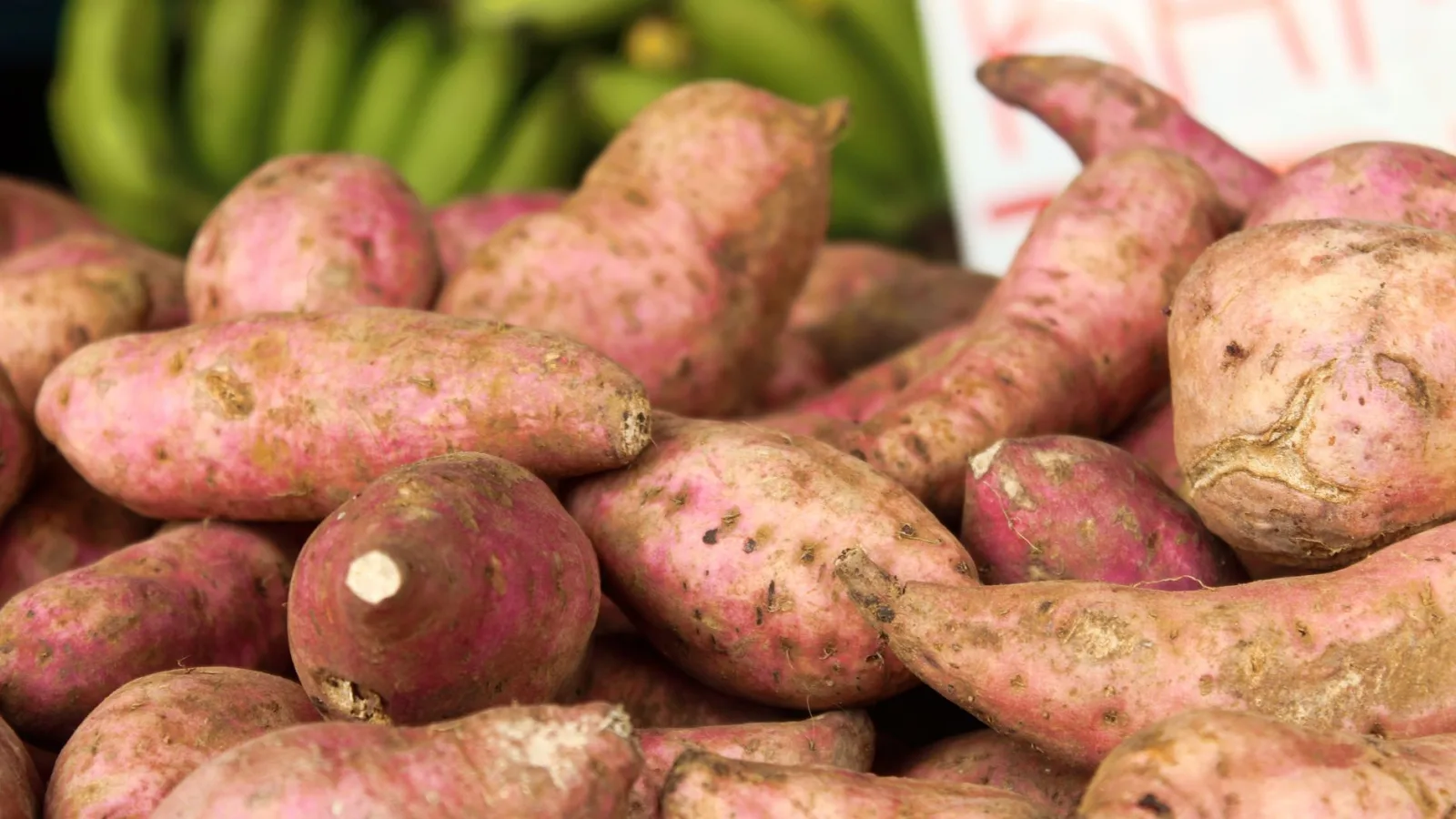
The dark purple-black of black rice and the red of red rice both come from a pigment called anthocyanin, the same kind of pigment that colors blueberries and purple sweet potatoes. A handful of genes control how much of it a rice plant makes, but growing conditions such as sunlight, temperature, and fertilizer affect how deep the color gets. That's why the same variety can produce darker grains in a sunny year.
What Changes When You Swap It for White Rice?
Colored rice is milled less, so more of the bran layer stays on the grain. That thin outer layer is where most of the nutrients are. Compared with white rice, it has more of the following:
- Resistant starch: It digests more slowly than white rice, so your blood sugar rises more gently after a meal.
- Fiber and protein: It has more of both than white rice, so you stay full longer.
- Minerals and vitamins: It contains more iron, magnesium, and similar nutrients.
- Phenolic compounds and GABA (gamma-aminobutyric acid): These act as antioxidants and are thought to help calm the nervous system.
What It Does for Your Body
A recent review that pulled together many studies found that the anthocyanins and phenolic compounds in colored rice reduce oxidative stress and inflammation in the body. This effect has fairly strong evidence behind it.
Some studies also report that colored rice helps regulate blood sugar and blood lipids and supports a healthy balance of gut bacteria. That has raised hopes that it could help lower the risk of diabetes, heart disease, and some cancers. Much about these chronic-disease benefits is still unproven, though. Rather than treating colored rice like medicine, the realistic approach is to make it a regular part of the rice you eat every day.
How to Cook It Well
Since the nutrients are concentrated in the bran, don't scrub the grains too hard. A couple of gentle rinses is enough. Black rice grains are firm, so soaking them for 30 minutes to an hour gives you softer rice. If mixing in a lot at once feels like too much, start with one spoonful of colored rice to three cups of white rice. Once you're used to the color and texture, add a little more each time. Use just slightly more water than usual.
Tonight, when you start your rice, add a spoonful of black rice on top. If it used to bother you to see that purple rinse down the drain, think of it now as nutrition soaking into your rice.