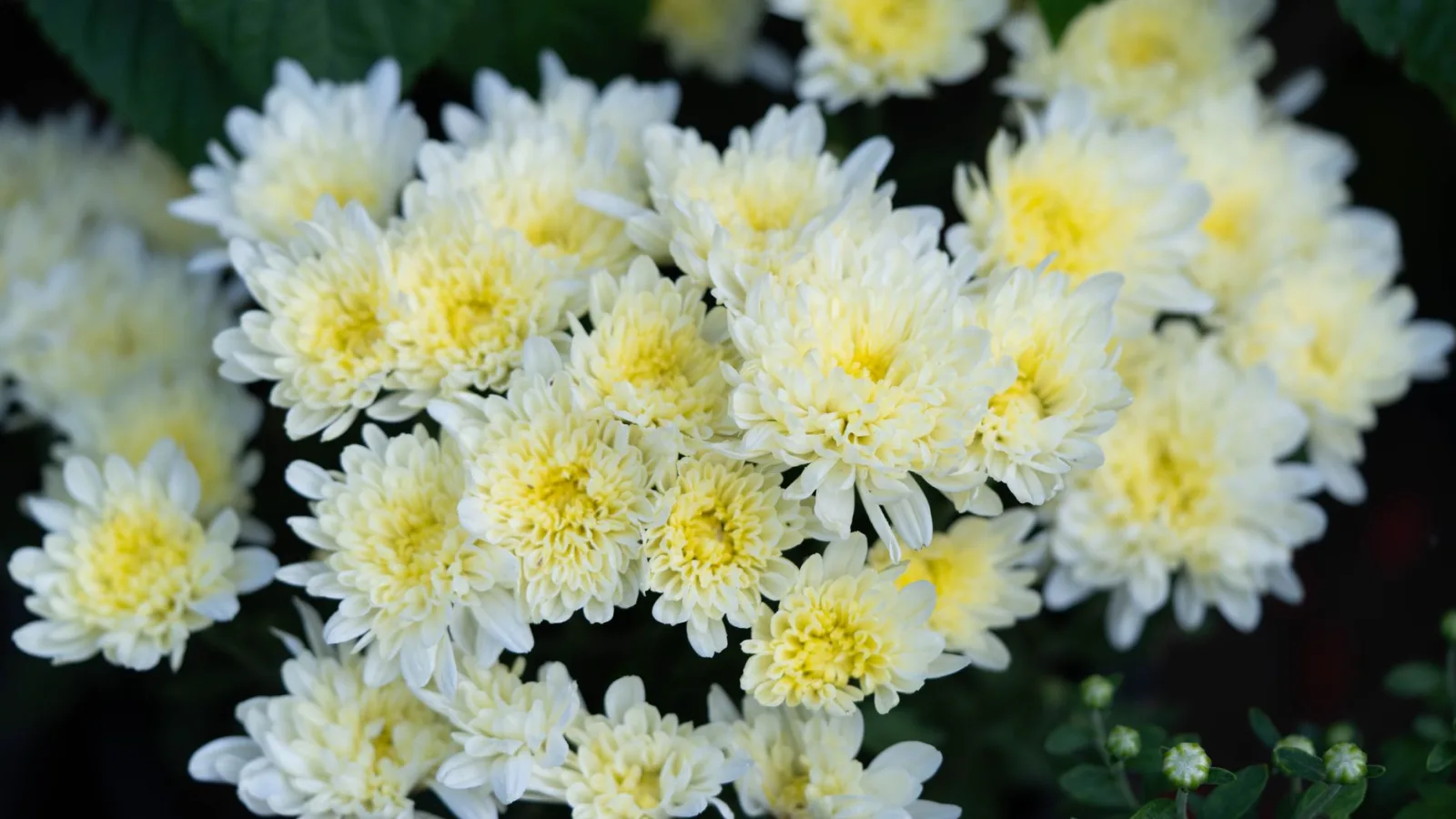
By October, there isn't much left in the vegetable garden. The pepper plants have been pulled, and the napa cabbages are still heading up. Off in one corner, though, the chrysanthemums are only now opening their buds. White petals unfold in layers, and the center stays yellow. Around this time of year, we hear one question again and again: can I pick these flowers, dry them, and make tea?
The color of the flower alone won't tell you. Many plants in the aster family bloom white, and a few of them are not safe to drink. To be sure, you need to look at the leaves and find out where the plant came from.
A White Flower With a Yellow Center
White chrysanthemum (Chrysanthemum morifolium) is a chrysanthemum that blooms white in the fall. Its stems and leaves look just like those of yellow chrysanthemums. Only the petals are white, and the center stays yellow. It's widely grown in China, Korea, Japan, and Taiwan, where people pick the flowers, dry them, and brew them as tea.
The Donguibogam, a classic Korean medical encyclopedia from the early 1600s, lists baekgukhwa (白菊花) in its section on herbs and gives its Korean name as "white chrysanthemum." It says the stems and leaves match those of the yellow kind and only the flower is white. It describes large leaves that look like mugwort, green stems, thin roots, and white flowers with yellow centers. The text calls the herb neutral in nature, pungent in taste, and nontoxic. It says to gather the flowers in the 8th and 9th months of the lunar calendar and dry them in the sun. This is an old medical text, and it doesn't meet today's standards. Still, its advice to check the leaves and the flower center together works just as well in a garden today.
That is also why the text gives white chrysanthemum its own entry. Because the stems and leaves are the same and only the flower is white, it lists the plant separately from the yellow chrysanthemum. White-flowered chrysanthemums are still treated separately from gamguk (Chrysanthemum indicum, a small wild yellow chrysanthemum) today. The entry is about names and identification, so we don't read it as proof that one works differently from the other.
A White Bloom Doesn't Make It the Same Plant
Pyrethrum daisy (Tanacetum cinerariifolium) is a different species that people grow as a source of insecticide. It has white flowers, but it isn't used for tea. Gujeolcho (Korean chrysanthemum) is another white-flowered plant from a different group. Don't choose flowers by color alone. Check the leaf shape and the plant label too. If you're not sure, don't pick it.
Find out where the plant came from, too. Most ornamental chrysanthemums, whether potted mums from the florist or flower-bed plants, were sprayed with pesticides while they grew, so don't use them for tea. The same goes for flowers from funerals or events. Only pick flowers for tea from plants that were grown to be eaten from the start. If a neighbor gave you a plant, ask where it came from, and put a label in the ground next to it when you plant it. Once it blooms, the leaves alone won't tell you much.
When to Plant, When to Pinch, When to Pick
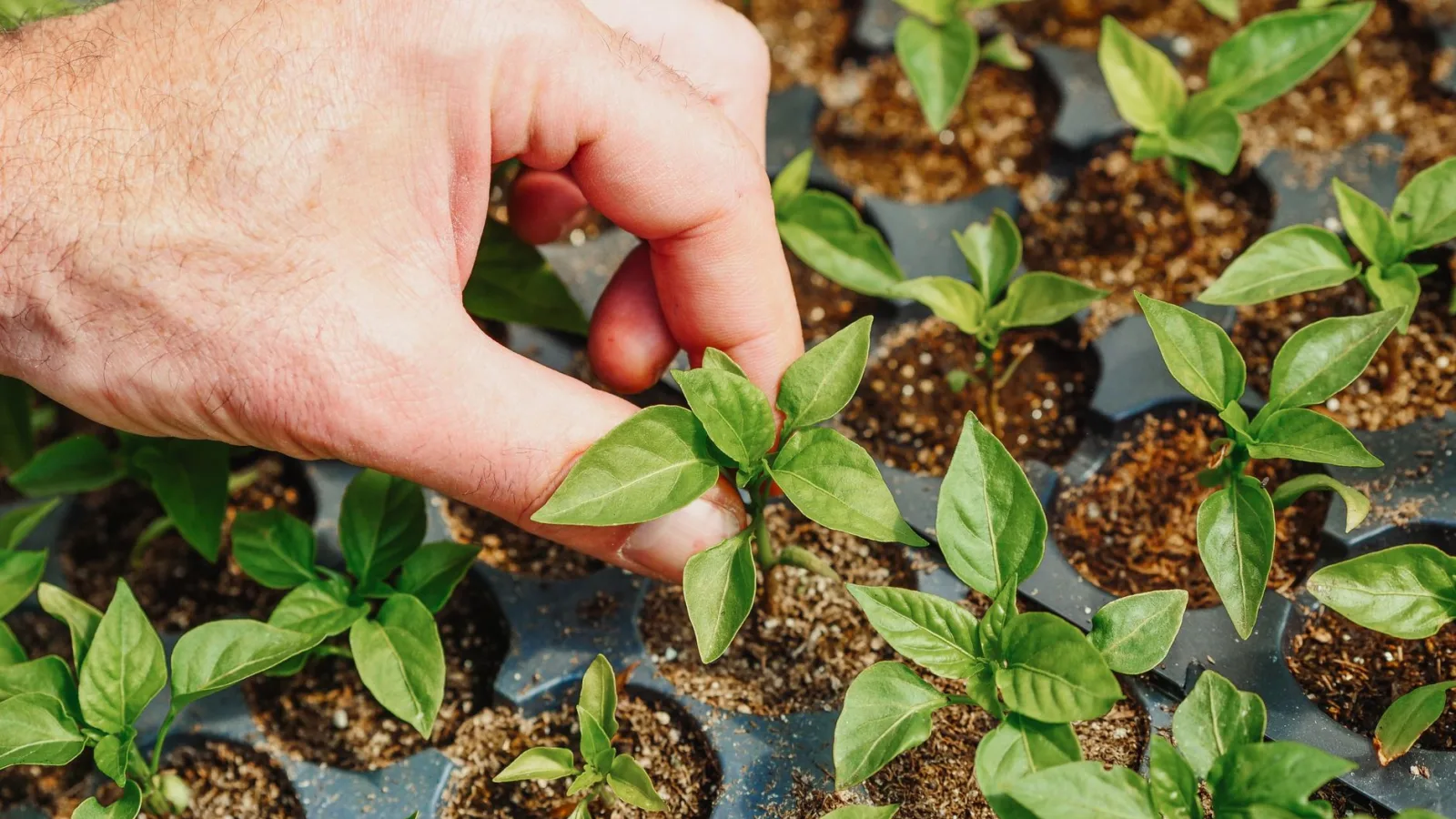
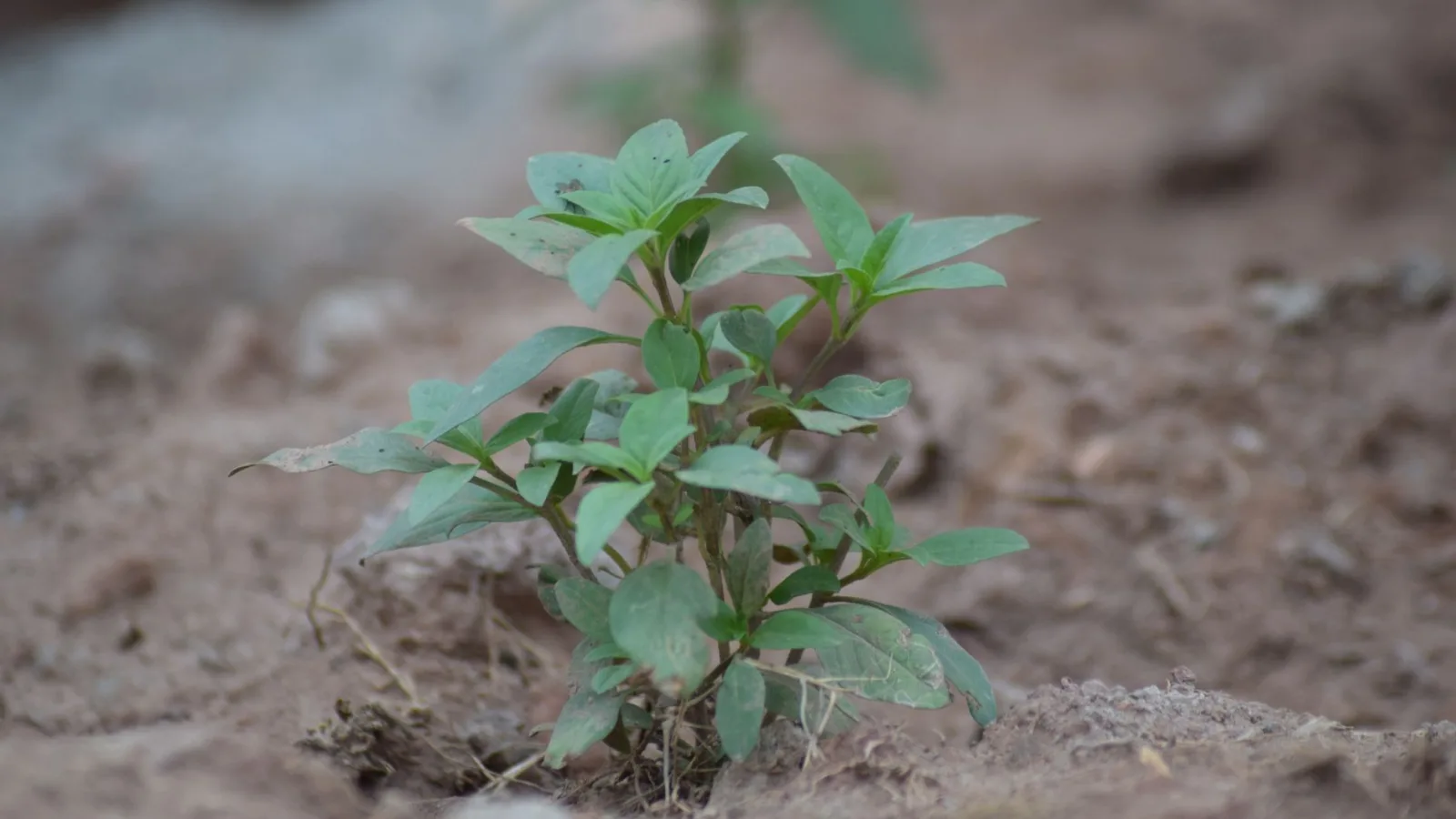
In the Northern Hemisphere, plant seedlings in April or May. Pinch back the tips a couple of times in June and July, and the plants will branch out and produce more flowers. Pick the flowers in October and November. In the Southern Hemisphere, simply flip the seasons.
Dry the flowers completely in the shade, then store them in an airtight container. The old text says to dry them in the sun, but shade drying keeps more of the petals' color and fragrance. Wait until they crumble when you touch them before you pack them away. Otherwise, they may turn damp in storage. Keep the container out of the sun.
How to Steep the Dried Flowers
Pour hot water over three or four dried flowers and pour off the tea within 1 minute. If you steep them longer, the tea turns bitter, so it's better to make two or three short brews. Many people say the second brew smells the best. From the third on, the flavor fades. A few goji berries or jujubes (Chinese red dates) add some sweetness and make the tea easier to drink. Pit the jujubes before you add them, then add the chrysanthemum last and steep it only briefly. If the tea is still bitter, let it cool a little after brewing and stir in a spoonful of honey. It keeps more of its aroma that way than if you add honey while the tea is very hot.
Food studies have found chlorogenic acid, plus flavonoids related to luteolin and apigenin, in the brewed tea. These studies only measured what's in the tea. They make no claims about any disease. The scent that rises from your cup comes from the flowers' essential oils.
Chrysanthemums are part of the aster family. People who are allergic to mugwort or ragweed pollen sometimes react to other plants in that family as well. The first time you try the tea, make it very weak and take just one sip. If your mouth swells or you break out in hives, stop right away and see a doctor. Don't be quick to give it to children, and if you do, make it weak.
Today, go look at the chrysanthemums in your garden. Are the leaves large and shaped like mugwort? Does the center stay yellow? When and where was the plant put in? Those answers will tell you whether to pick. The growing calendar and our notes on what's in the tea are in the White Chrysanthemum Crop Guide.