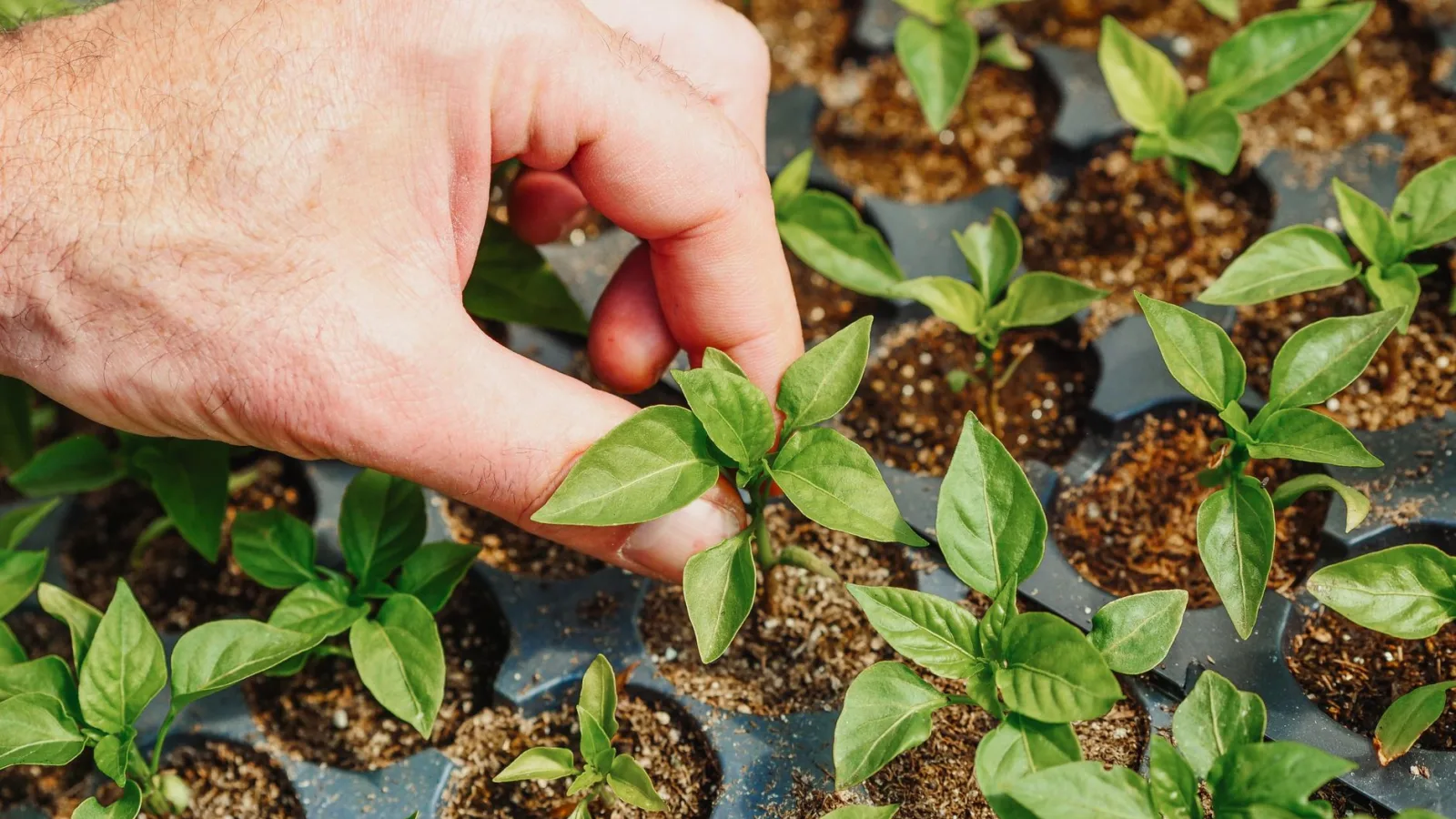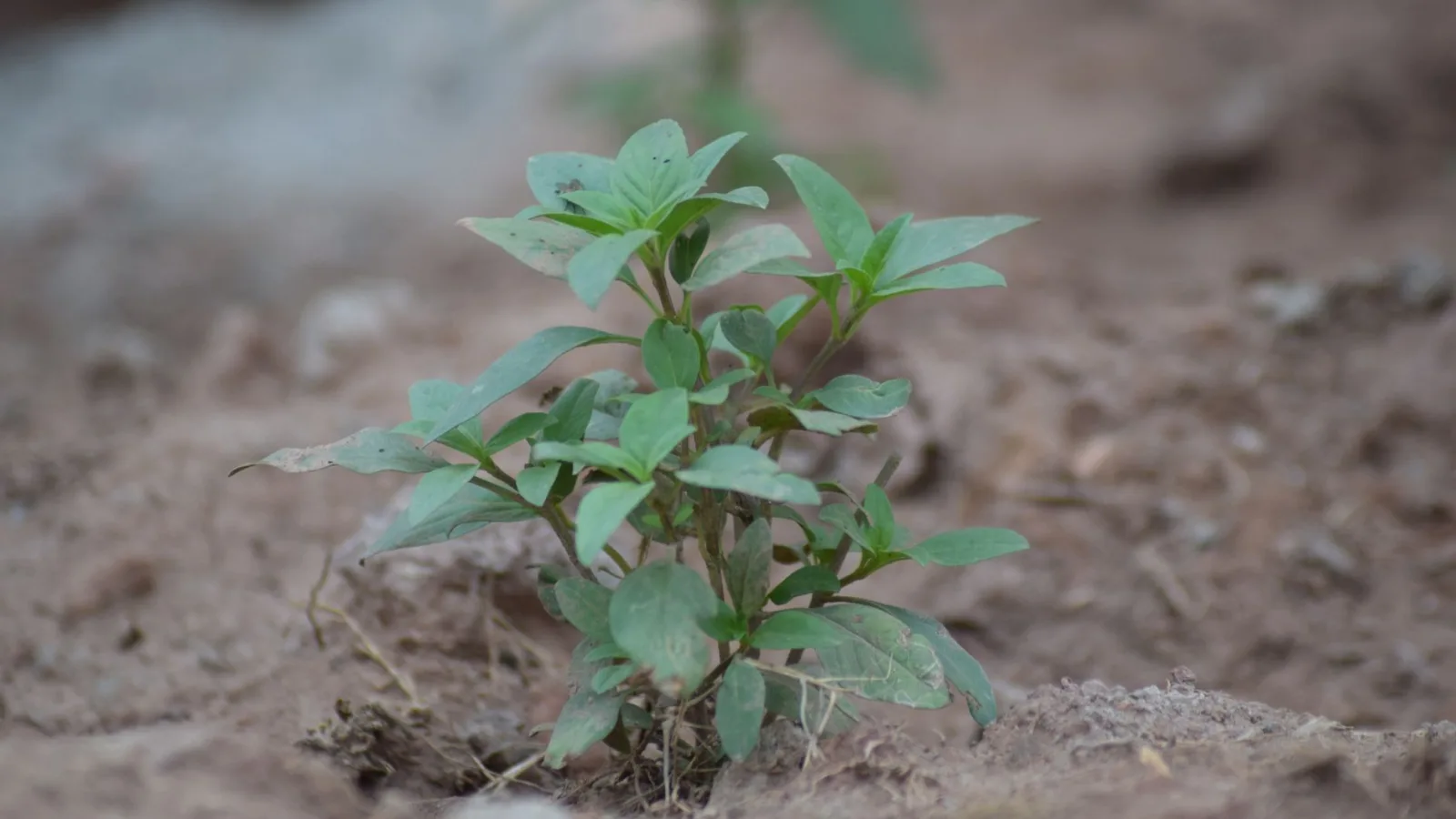
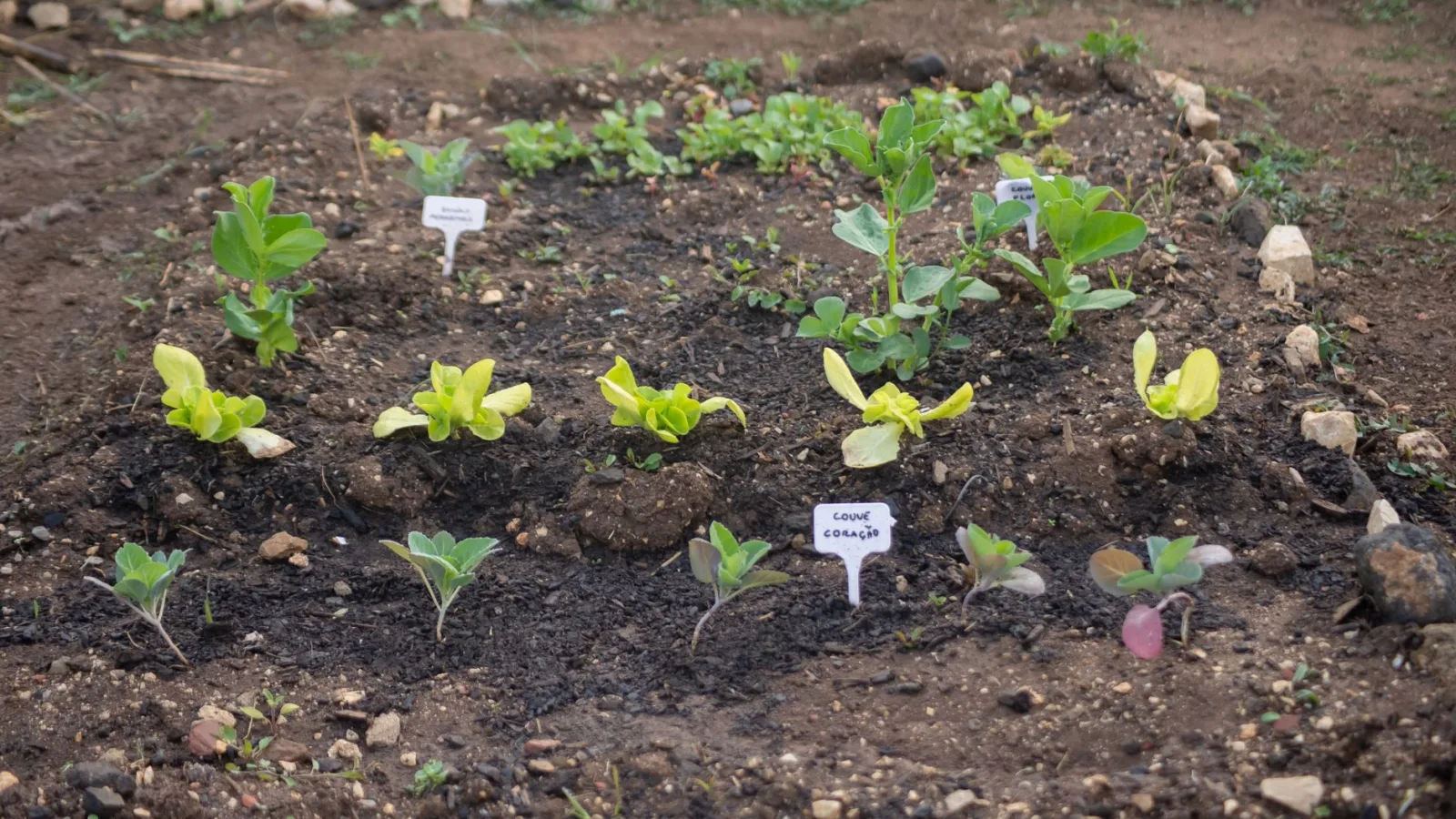
Walk out to the garden after a couple of frosts and you'll find the cabbages aren't standing up in heads at all. They're pressed close to the soil, leaves opened into a wide rosette, the center left empty and the leaf tips curling slightly upward. This is bomdong — Korean spring cabbage — sown in September or October and left to winter over right where it stands. Harvest runs from February through April. The months given here are for the Northern Hemisphere.
The same cabbage — it just never fills in
Bomdong's botanical name is Brassica rapa subsp. pekinensis, identical to the tightly headed napa cabbage used for kimjang, the annual winter kimchi-making. Say napa cabbage and most people picture a dense, solid head first. Same classification, very different plant in the field — and the difference comes down to when it goes in and when it comes out. Heading napa cabbage is planted in late August and harvested in November, and over those months the inner leaves fold across one another and fill in the head. Bomdong is sown in September or October and grows as the temperature falls; instead of filling a head, it spreads its leaves out sideways. It's grown widely in China, Korea, and Japan. In cool regions where the ground doesn't freeze hard, it winters over in the open with no cover at all.
Why a leaf that has survived winter tastes sweet
Chew a raw bomdong leaf and the sweetness is far more distinct than in late-autumn cabbage. Sugars accumulate in the leaves while the plant is enduring the cold. As temperatures drop, a plant raises the sugar concentration inside its leaves to slow the water in them from freezing. What we taste as sweetness is the sugar left behind by that process. So even from the same bed, a leaf pulled in February tastes sweeter than one pulled in November. In a year when the winter runs unusually mild, the flavor is fainter.
What a wide-open leaf carries
Because it never fills a head, each individual leaf takes the winter sunlight straight on. Deep green leaves hold carotenoids — beta-carotene, along with lutein and zeaxanthin — and lutein and zeaxanthin collect in the macula, at the back of the retina. In late winter and early spring, when fresh greens are hard to come by, this is the vegetable that has long come to the table carrying vitamin C and folate.
It's a cruciferous vegetable, in the same group as cabbage and kale, so it also contains glucosinolates and their breakdown products, isothiocyanates. That doesn't mean eating these leaves prevents any particular disease. Dietary fiber travels undigested to the large intestine and adds bulk there. That is as far as the confirmed evidence goes. For more on the nutrients and on sowing and harvest months, open the bomdong crop guide.
Give it heat, but keep it brief
Sweetness and vitamin C both fade under high heat held too long. That's why a quick-dressed geotjeori (fresh, unfermented kimchi) or a seasoned muchim salad suits these leaves better than a long-simmered soup. Even when blanching, drop them into boiling water for about 30 seconds, then rinse them straight into cold water. The leaves won't go limp, and the crispness stays.
- Add a spoonful of oil — Dress the leaves with sesame or perilla oil and minced garlic. Carotenoids are fat-soluble, so they're absorbed better when eaten with oil.
- Doenjang muchim — Dressed with doenjang, Korea's fermented soybean paste; the salty, savory depth makes the leaf's sweetness read more clearly.
- Gochujang-and-vinegar geotjeori — The spicy, tangy seasoning built on gochujang (fermented red chile paste) balances the leaf's mildness.
- Tossed with oysters or clams — You pick up the zinc in oysters from the same plate.
- With tofu — Crumble soft tofu into the dressing and you add plant protein.
- Ssam — The leaves are tender enough to use raw as wraps, no blanching needed.
When it's worth keeping your portion steady
At the amount you'd eat as an everyday side dish, there's nothing to be concerned about. That said, in large quantities glucosinolates can partly interfere with the process that produces thyroid hormone. The vitamin K in the leaves can interact with anticoagulants. Potassium is a burden for anyone with reduced kidney function. If you have thyroid disease, take an anticoagulant, or are living with kidney failure, keep the amount you eat at one sitting steady rather than swinging it up and down.
In the Northern Hemisphere, put one row of seed in the ground between September and October and it will come through the winter with almost no tending, sending up leaves from February on. This weekend, scratch a single line in the bed and sow it. Pick the leaves by hand in late winter and dress them that same evening, and you'll catch them exactly when the sweetness runs deepest.