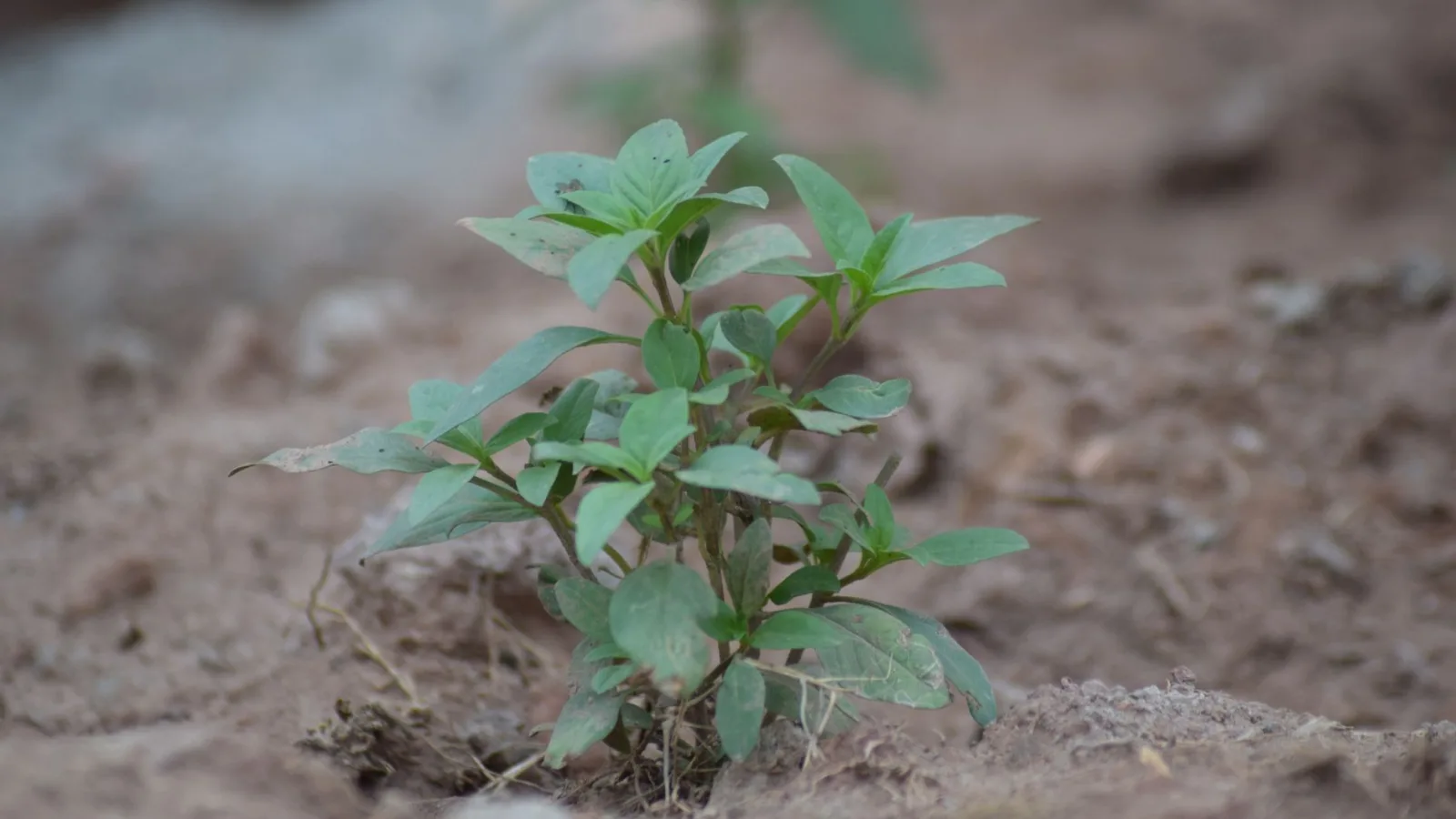
By mid-September, the vegetable garden has bare spots where the summer crops used to be. If you've just pulled out the spent chili pepper plants and don't want to leave those rows empty, try sowing gobagi (Ixeridium dentatum). In the Northern Hemisphere, seeds sown in September put down roots as the weather cools. The leaves hold on through winter and come back the next spring.
Snap a leaf and a milky white sap oozes out. Take a bite and the first thing you taste is bitterness. Koreans today split these greens into two kinds, sseumbagwi and godeulppaegi, but the old medical texts put them under a single name.
Gochae in the Dongui Bogam
The vegetable section (菜部) of the Dongui Bogam, Korea's 17th-century medical classic, has an entry titled gochae (苦菜), "bitter vegetable," and gobagi is one of the Korean names listed there. The entry calls the plant cold in nature, bitter in taste, and nontoxic. Right beside that, it keeps a note from another source saying it is slightly toxic (一云小毒). The plant grows wild in the fields, and because it lives through the winter without dying, it got a second name, yudong (遊冬). The entry also describes what it looks like: leaves like those of gogeo (苦苣), another bitter green, but narrower; white sap when a leaf is broken; and yellow flowers that look like chrysanthemums. It says to gather the plant on the third day of the third lunar month and dry it in the shade. This comes from a medical text more than 400 years old, so it doesn't meet today's standards. Don't read it as a claim that the plant cures disease. You'll find the original text and our translation in the Dongui Bogam entry on gochae.
How It Compares With a Modern Nutrition Label
The overlaps are the first thing you notice. Modern science explains the bitter taste the old text describes with sesquiterpene lactones, the compounds that make the leaves bitter. You can see the white sap from a broken leaf for yourself in the garden. The note about lasting through winter also checks out: plants sown in fall send up new leaves the next spring.
There are differences, too. The old text described how the plant affects the body by calling it "cold" in nature, but a modern nutrition label uses different terms. Inulin is a dietary fiber that ferments in the gut. Beta-carotene, calcium, and iron are more concentrated the earlier in spring you pick the leaves. Several studies have measured the antioxidant activity of sesquiterpene lactones in bitter greens from the daisy family. Most of those numbers come from lab tests, though, and no one has shown that eating a plate of greens gives the same results. Think of a handful of bitter leaves as helping prevent problems, not as a treatment.
When to Sow and When to Harvest
In the Northern Hemisphere, sow seeds in March–April and in September. Harvest in April–June and October–November. If you sow in fall, thin the young leaves a few at a time in October–November and eat them, then leave the rest of the plants to overwinter. Early spring leaves have the most beta-carotene, calcium, and iron, so save some plants for an April–June harvest. If you want the roots too, dig them up in spring before the leaves get tough. This green grew wild in the fields, so it takes hold without much fertilizer. The planting calendar and nutrient details are together in our gobagi crop guide.
How to Balance the Bitterness
- Mix gochujang (Korean fermented chili paste) with vinegar and toss the greens in it. The sour and sweet flavors balance the bitterness. After blanching, squeeze the greens very dry. Otherwise the dressing turns watery.
- The easiest option is to dress the greens with perilla oil (pressed from the seeds of perilla, a leafy herb in the mint family) and sesame seeds. The oil softens the bitterness and helps your body absorb the beta-carotene in the leaves.
- For godeulppaegi kimchi, whole plants, roots and all, are salted and then seasoned with jeotgal (salt-fermented fish seasoning) and garlic. Fermentation changes the bitterness. Expect to wait 2–3 weeks after making it before the bitterness mellows.
Try sowing a row of gobagi seeds in the bed you cleared today. In fall you'll pick a handful of young leaves, and in spring you can harvest whole plants, roots and all.