
- Type
- Leafy Greens
- Difficulty
- Moderate
- Season
- Fall
- Sowing
- Transplant
Broccoli
Brassica oleracea
Sulforaphane - a brassica grown for its flower buds
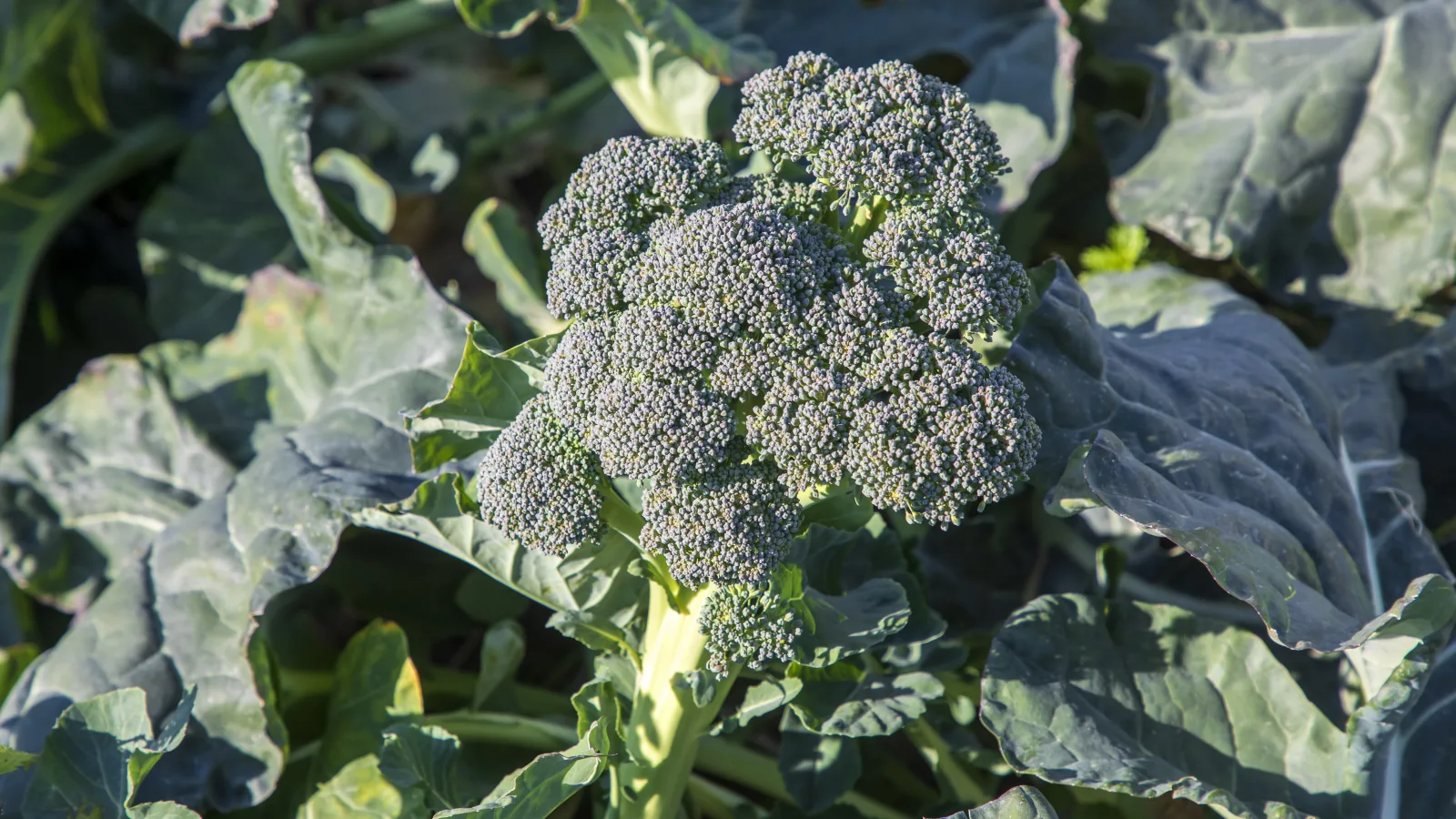
Broccoli belongs to the brassica (cabbage) family and carries sulforaphane, the compound that keeps it turning up in the research literature. It contains a good deal of vitamin C, vitamin K and dietary fiber. A long boil carries the water-soluble compounds off into the cooking water, so a brief blanch or a steam is the better approach. As a cool-season crop, broccoli does well in the fall garden. That does not mean eating this vegetable prevents or treats any particular disease.
Year-Round Calendar
- 1
- 2
- 3
- 4
- 5
- 6
- 7
- 8
- 9
- 10
- 11
- 12
- 8
- 11
Where It Grows
- Main producer The world's largest producer. It grows a large winter crop along the East China and South China coasts.
- Main producer Second after China, though cauliflower accounts for a far larger share.
- Major producer Production centers on California's Salinas Valley. Thanks to coastal fog that keeps summers cool, it harvests year-round.
- Major producer Grown in winter on the Bajío highlands, including Guanajuato, and shipped to the United States.
- Major producer Murcia is the supply base for Europe's winter broccoli.
- Origin This is where the Mediterranean wild cabbage settled into the broccoli we know today. The southern regions of Puglia and Campania produce it in autumn and winter.
Broccoli branched off from the wild cabbage (Brassica oleracea) of the Mediterranean coast and took its present form in southern Italy, then spread to Asia by way of the United States in the 20th century. Because the FAO counts broccoli and cauliflower as a single category, the rankings above include cauliflower — India's position, in particular, is mostly cauliflower's share.
- Optimum
- 15~20℃
- Range
- 5~25℃
- Hardiness
- Half-hardy
Broccoli is a cool-climate crop. Head formation does best at 15–18℃; above 25℃ the heads grow loose, or leaves emerge mixed in among the buds. Conversely, if young seedlings spend a long spell below 10℃, the head fails to form and only a flower stalk shoots up.
In Korea Nationwide
Jeju is the country's largest growing area, and the highland (cool upland farming) districts of Gangwon take on the summer supply. Because the heads set in cool weather, cropping schedules are staggered to avoid the summer.
- 8
- 9
- 1
- 2
- 11
- 12
- 3
- 8
- 6
- 10
- 11
- 5
- 6
- 8
- 9
How to grow
- Light
- Somewhere sunny
- Soil and depth
- 30cm deep or more
- Spacing
- 45cm
- Watering
- Steady. Dry spells give you small heads
- Feeding
- Base dressing plus a feed every three weeks
- Harvest
- Cut while the beads are tight. Yellow and opening means you left it late. Side shoots follow
What makes the difference. After you cut the crown, smaller heads keep coming from the side shoots for weeks. Do not pull the plant
Common problems
- Cabbage white caterpillars You will see Holed leaves, and they hide inside the head What to do Net it. Soak the head in salted water before cooking to check
- Aphids You will see A white bloom between the florets What to do You cannot wash them out of a head, so prevent rather than cure
This page describes how a crop is grown and used. It does not claim health effects for any food, nor is it intended to prevent or treat disease. Component and study notes are references only and do not mean the same result occurs in people. Consult a medical professional about health concerns.
Health Benefits
How sulforaphane is formed. Glucoraphanin in broccoli meets the enzyme myrosinase when the tissue is broken and converts into sulforaphane. That sulforaphane induces antioxidant and detoxification enzymes in cell studies is established. That does not mean eating this vegetable holds off any particular disease.
What observational research can say. Several observational studies have followed groups that eat large amounts of brassica vegetables. Observational work sees an association between eating habits and outcomes; it cannot separate cause from effect, nor can it isolate what broccoli alone did.
Extract studies run under different conditions. The clinical work on blood-sugar markers and on gene expression in tissue was mostly carried out with broccoli sprout extract, which is not the same condition as eating the vegetable as food. Changes observed with a concentrated extract cannot be copied across to the broccoli on the table.
What can be stated today. That it contains the glucosinolates specific to the brassica family, and that it carries vitamins C and K along with folate, potassium and dietary fiber, is as far as a clear statement reaches today.
Nutrition
- Sulforaphane (Signature brassica compound) — A compound specific to the brassica family; still under study
- Vitamins C and K (Very high) — Water- and fat-soluble vitamins
- Dietary fiber (Abundant) — High for a vegetable
Glucoraphanin Broccoli is exceptionally rich in glucoraphanin, one of the glucosinolates. It has little activity on its own and is known as a precursor: the enzyme myrosinase breaks it down into sulforaphane.
Sulforaphane An isothiocyanate formed when glucoraphanin is broken down by the enzyme myrosinase. It is one of the most extensively studied compounds in natural-product research, and broccoli sprouts carry it at a higher concentration than the mature head, which is why they are used as raw material for extracts and supplements.
Indole-3-carbinol (I3C) & diindolylmethane (DIM) Glucobrassicin breaks down into I3C, and I3C molecules combining in the stomach form DIM. Both have been examined in laboratory work in connection with estrogen metabolism pathways, and nothing has yet been confirmed in people.
Vitamin C With about 89 mg of vitamin C per 100 g it ranks in the upper tier among vegetables. Vitamin C dissolves in water and breaks down under heat, so a long boil carries a large share of it off into the cooking water; brief blanching or steaming favors the retention of both vitamin C and sulforaphane.
Vitamin K It carries a high level of vitamin K per 100 g, placing it in the upper tier even among leaf and flower vegetables. Vitamin K is a nutrient involved in blood clotting and bone metabolism, and anyone taking warfarin is better off not raising or cutting their intake abruptly.
Vitamins A and E, folate, potassium & dietary fiber It contains vitamins A and E along with folate, potassium and dietary fiber in balanced amounts. Antioxidant vitamins, minerals and fiber occur together, so a single ingredient is well suited to keeping a nutritional balance.
Quercetin, kaempferol & flavonoids It contains a varied range of flavonoids such as quercetin and kaempferol. These are compounds examined in laboratory work on oxidation and inflammation, and whether the same thing happens in the body when they are eaten as food is a separate question.
Lutein & zeaxanthin The deep green of broccoli carries lutein and zeaxanthin. That these two carotenoids accumulate in the macula of the retina is established. That does not mean eating this vegetable holds off any particular eye disease.
Pairings
○ Garlic and olive oil — Quickly sautéed with garlic and olive oil, garlicky broccoli is a staple of Italian and Mediterranean cooking. The allicin in garlic and the fat in olive oil help with absorption of sulforaphane and carotenoids, creating a real nutritional synergy. Garlic
○ Lemon, vinegar, or a vinaigrette — A squeeze of lemon juice or a splash of vinegar over blanched broccoli boosts vitamin C and brightens the flavor. The acidity also slows discoloration, so the dish keeps its vivid green color and looks as good as it tastes.
○ Chicken, shrimp, or beef — Stir-frying or roasting broccoli alongside proteins like chicken, shrimp, or beef rounds out the balance of minerals and vitamins. The savory depth of the protein offsets broccoli's somewhat mild flavor, turning it into a satisfying one-bowl meal.
○ Cheese and cream — Paired with dairy in dishes like broccoli gratin or cream soup, broccoli takes on a silky texture and rich flavor. The fat in dairy also helps the body absorb fat-soluble nutrients, an added nutritional bonus.
○ Mustard powder — A pinch of mustard powder stirred into cooked broccoli is a scientifically backed trick: mustard's own myrosinase enzyme stands in for the broccoli enzyme that cooking destroys, reigniting sulforaphane production in the cooked vegetable.
○ Sesame oil and soy sauce — Broccoli muchim, the Korean style of dressing it with sesame oil and soy sauce (muchim means a lightly seasoned, tossed side dish), is an easy, familiar way to eat more of the vegetable. The fat in sesame oil also aids the absorption of carotenoids and sulforaphane.
△ Thyroid conditions, anticoagulants, kidney failure — Adjust your intake based on your situation: people with hypothyroidism should consider that glucosinolates may interfere with thyroid hormone synthesis, warfarin users should account for vitamin K's effect on their medication, and kidney failure patients should mind the potassium load. Cooking broccoli substantially reduces its impact on the thyroid.
△ Prolonged cooking — Boiling or heating broccoli for too long rapidly destroys its sulforaphane and vitamin C. A quick one-to-three-minute blanch or steam is best for preserving both nutrition and texture.
Varieties
- Standard green-head type (Seedling transplant) — One large central head first, then smaller side shoots for a second and third picking.
- Stick broccoli (sprouting type) (Seedling transplant) — Small heads on long stems keep coming, so pick a few at a time over several weeks.
- Romanesco (Seed) — Lime-green spirals instead of a flat head, and a long season that asks for early planting.
Source: Food and Nutrition Information
Stories about Broccoli
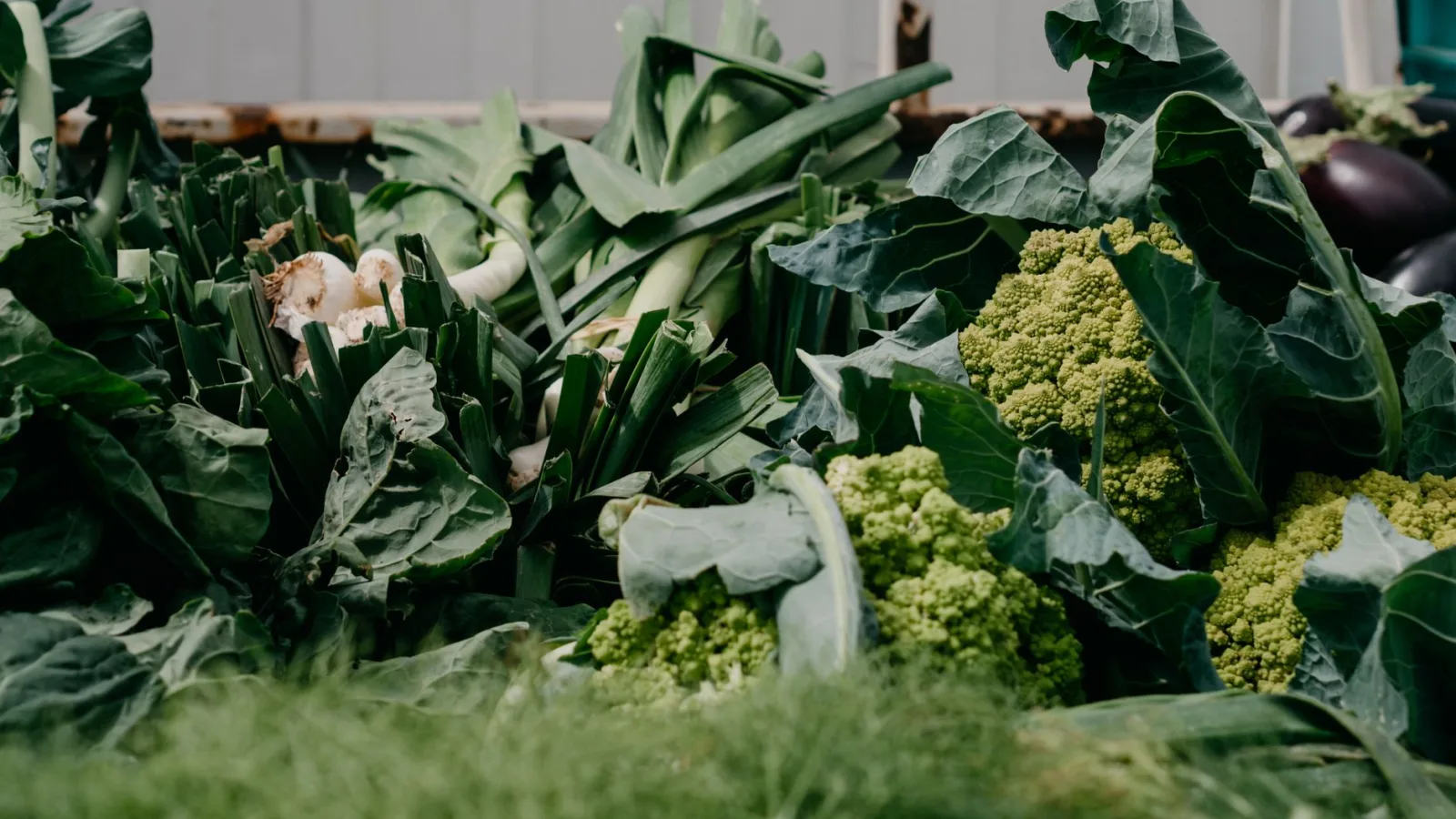
Quercetin from Onions and Broccoli Shows Up in Lung Cancer Research
A computer-modeling study found that a form of quercetin, a compound in onions, broccoli, and apples, attached firmly to seven proteins linked to lung cancer. It hasn't been tested in a lab yet, but it's still a good reason to change how you prepare what you grow.
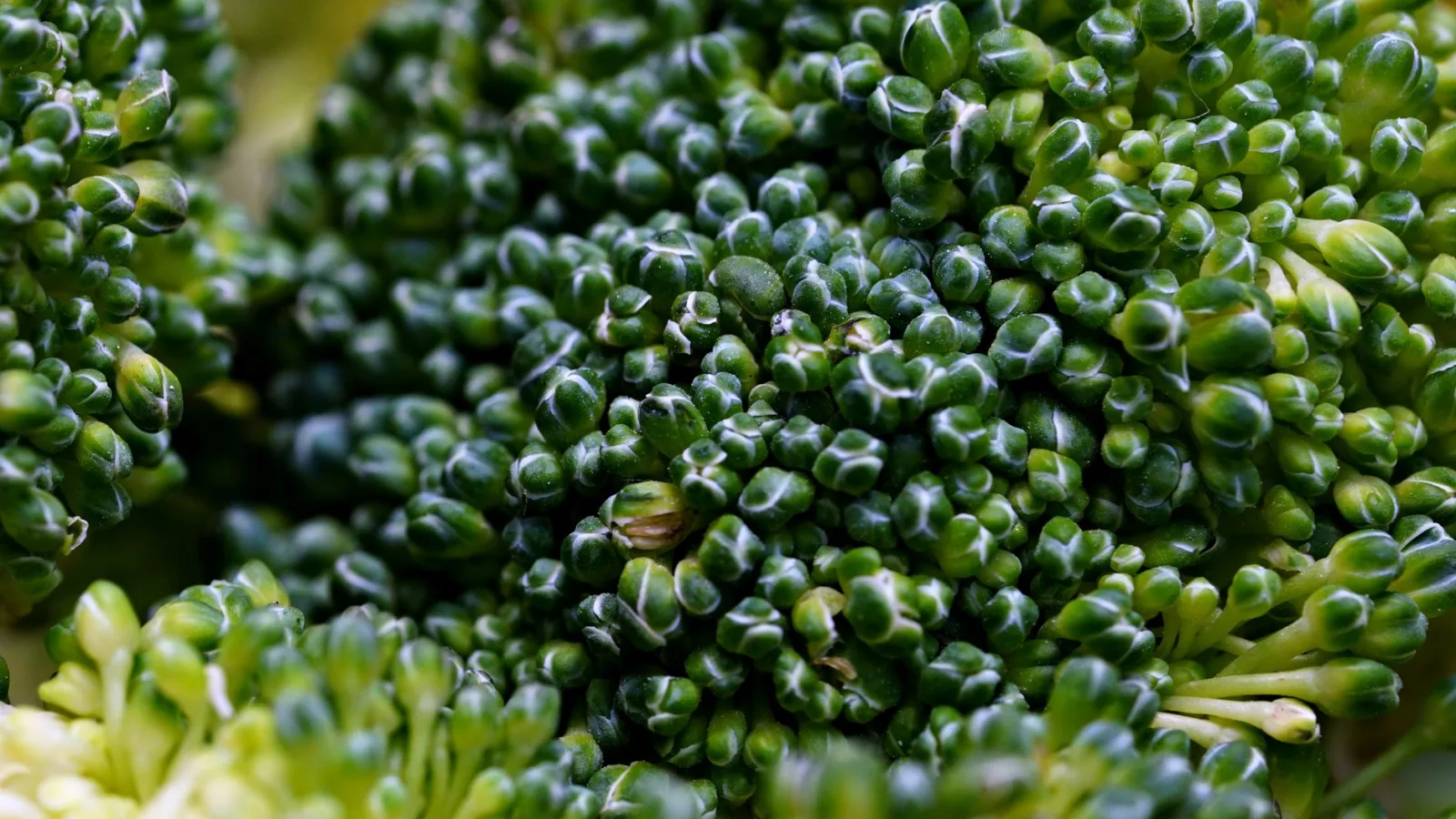
Broccoli Juice Keeps More When the Heat Stays Low
Researchers found that treating broccoli juice with gentle heat plus ultrasound — 40°C for about seven minutes — preserved more polyphenols, chlorophyll, and vitamin C than standard pasteurization. You can't do that at home, but you can borrow the principle: less heat, less water.
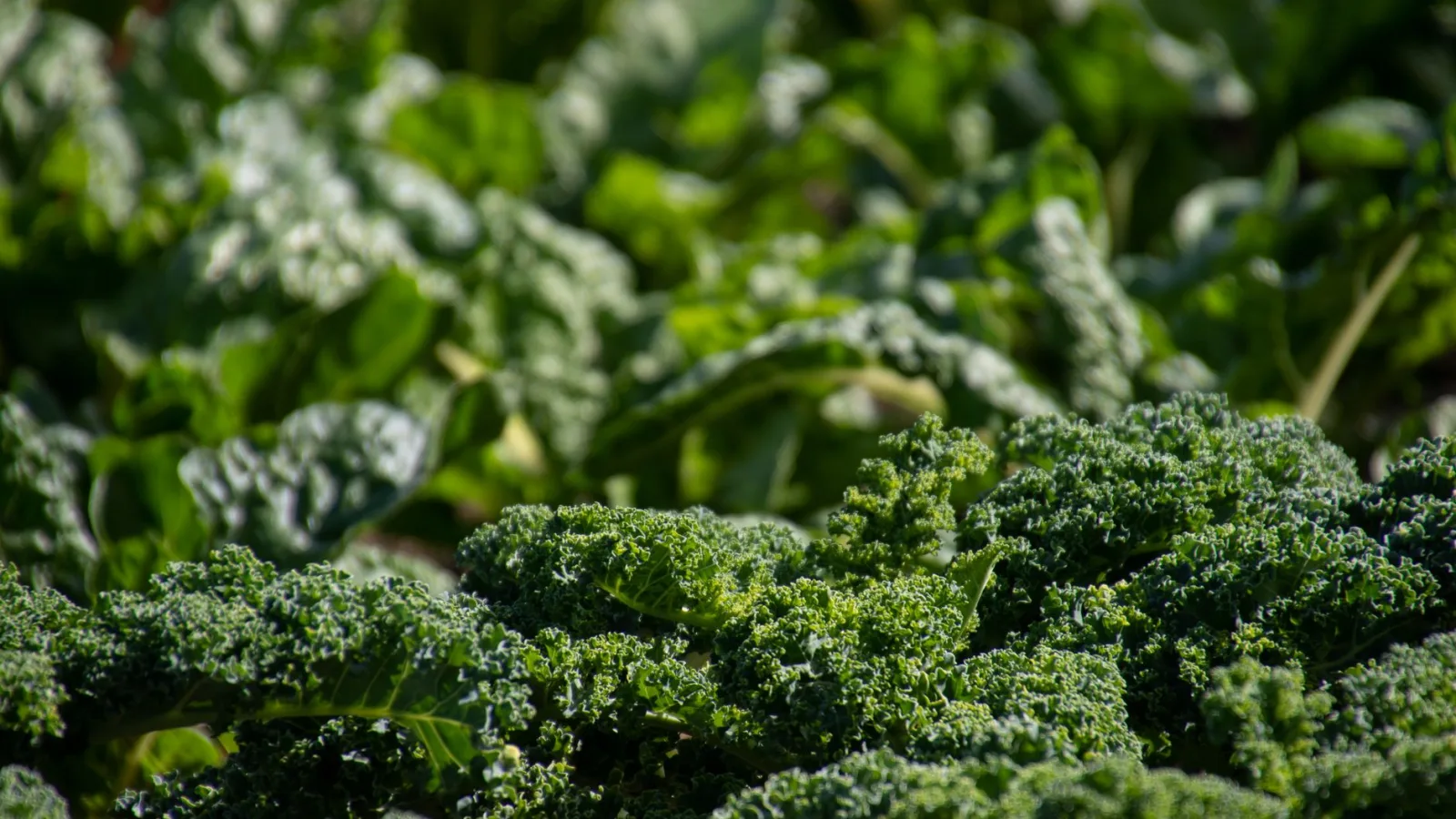
How Garden Vegetables Reach Your Brain by Way of Your Gut
The microbes in your gut turn what you eat into compounds that can influence brain function — and leafy greens from your own garden are among the best raw material. Broccoli sprouts, ready in a week from seed, have become one of the most studied vegetables in this field.
Don't Toss the Broccoli Leaves and Stems
Harvest a broccoli plant and most of it — the thick stalk, the broad leaves — stays behind in the bed. New research on how compounds shift by plant part and maturity suggests those leftovers are worth carrying into the kitchen.