
- Type
- Alliums
- Difficulty
- Easy
- Season
- Spring·Fall
- Sowing
- From seed
Welsh Onion (Daepa)
Allium fistulosum
Sulfur compounds - the pungent white base of the stalk
The Welsh onion (daepa) is the backbone of Korean soups and seasonings and a must-grow in any home garden. Its white lower stalk has long been called chongbaek (蔥白), and it appears under that name in the vegetable section of the Donguibogam, the classic Korean medical text - an old record, written within an older frame of medicine, and different from present-day judgment. The pungent aroma comes from sulfur compounds of the allyl-sulfide class; heating softens the sharpness and brings the sweetness forward. The white stalk goes into broths, while the green tops are used as a garnish.
Year-Round Calendar
- 1
- 2
- 3
- 4
- 5
- 6
- 7
- 8
- 9
- 10
- 11
- 12
- 3
- 4
- 9
- 10
- 1
- 2
- 3
- 10
- 11
- 12
Where It Grows
- Main producer Produces most of the world's green onions. The daepa of Zhangqiu in Shandong is well known.
- Major producer Known as negi, with Kanto mainly growing the types used for their white stems and Kansai the types used for their leaves.
- Major producer Winter daepa and summer highland daepa (grown on cool uplands) are split between the seasons to supply the crop year-round.
- Major producer Grown on irrigated land in the north, with most of it shipped to the United States.
It appears to have originated in the interior stretching from western China to Siberia, though no wild ancestral form has been confirmed, so no line of origin has been set down here. It has been cultivated in East Asia for a long time, and production and consumption are still concentrated in China, Japan and Korea. The FAO counts daepa together with scallions and shallots under the single heading of green onion, so a ranking for daepa alone cannot be read directly from the statistics.
- Optimum
- 15~25℃
- Range
- 0~30℃
- Hardiness
- Hardy
It grows well in cool conditions and is hardy enough to winter over in the field. Above 25℃ growth slows, and a plant that has already thickened past a certain point will bolt in spring if it goes through winter cold, leaving the stalk unusable.
In Korea Nationwide
Winter daepa comes from Jindo, Sinan and Yeonggwang in South Jeolla, summer daepa from the highlands (cool uplands) of Pyeongchang and Hongcheon in Gangwon, and spring and autumn volumes are taken up by the inland areas of Gyeonggi and South Chungcheong. Crops sown in spring overwinter in the field and carry through to the following spring.
- 3
- 4
- 1
- 2
- 3
- 11
- 12
- 3
- 4
- 9
- 10
- 11
- 12
- 2
- 3
- 7
- 8
- 9
- 10
How to grow
- Light
- Somewhere sunny
- Soil and depth
- 30cm deep or more. Earthing up is what lengthens the white
- Spacing
- 10cm
- Watering
- Moderate
- Feeding
- Once a month
- Harvest
- Pull as you need it. Leave it standing through winter
What makes the difference. The length of the white is decided by earthing up. Draw soil up three or four times as it grows
Common problems
- Leek moth You will see White streaks appear in the leaves What to do Cut away badly affected leaves
This page describes how a crop is grown and used. It does not claim health effects for any food, nor is it intended to prevent or treat disease. Component and study notes are references only and do not mean the same result occurs in people. Consult a medical professional about health concerns.
Health Benefits
Old record - chongbaek (蔥白). The Donguibogam, the classic Korean medical text, lists chongbaek (蔥白), the white base of the Welsh onion, in its section on vegetables. What can be carried over here is only that the old text gave this ingredient its own name and entry; the passages describing how it was used came out of an older frame of medicine and differ from present-day judgment.
Present-day view - sulfur compounds. Composition analyses confirm that the pungent aroma of the Welsh onion, and the sting it brings to the eyes, come from compounds of the allyl-sulfide class. Studies in people are scarce, so what can be stated for now reaches only as far as the composition.
Present-day view - nutrients in the leaf. Food composition tables confirm that the green leaves hold vitamin C and dietary fiber. The amount used as a seasoning is small, however, so its share as a nutrient source is modest.
Nutrition
- Sulfur compounds (allyl sulfides) (the onion's distinctive pungent aroma) — The compounds behind the sharp scent and the sting in the eyes
- Vitamin C & dietary fiber (nutrients in the green leaves) — Nutrients held in the leaf
Sulfur compounds (allyl sulfides) These make up the pungent aroma and the eye-stinging bite characteristic of the Welsh onion, belonging to the same class of sulfur compounds found in garlic and onion. They also explain why heating softens the sharpness and brings the sweetness forward.
Vitamin C & dietary fiber The green leaf portion holds vitamin C and dietary fiber. Using the leaves in soups and seasoned dishes rather than the white base alone leaves less of the stalk to throw away.
Pairings
○ Ginger (chongbaek + ginger tea) — A tea made by simmering the white base of the onion with ginger is a traditional folk remedy for inducing sweat at the onset of a cold, echoing the framework of the Donguibogam formula chongbaeksan. Ginger
○ Meat & fish — Welsh onion is a basic aromatic vegetable that tames the off-odors of meat and fish while bringing out the savory depth of broths.
○ Soups & broths — The white stalk lends sweetness and aroma to broths, while the green tops add color and fragrance as a garnish.
Varieties
- Summer type (Seed) — Stands heat without softening. Sown in spring and pulled from that summer.
- Winter-hardy type (Seed) — Hardy enough to winter in the ground and be pulled as needed. Cold sweetens it.
- Long white shank type (Seed) — A long white shank for stock. Earth it up often to keep that white part long.
- Silpa (thin young spring onion) (Seed) — Sown thickly and pulled while thin. Ready the same year, so it suits small plots.
Source: Rural Development Administration (Nongsaro) · Donguibogam (Principles and Practice of Eastern Medicine)
Stories about Welsh Onion (Daepa)
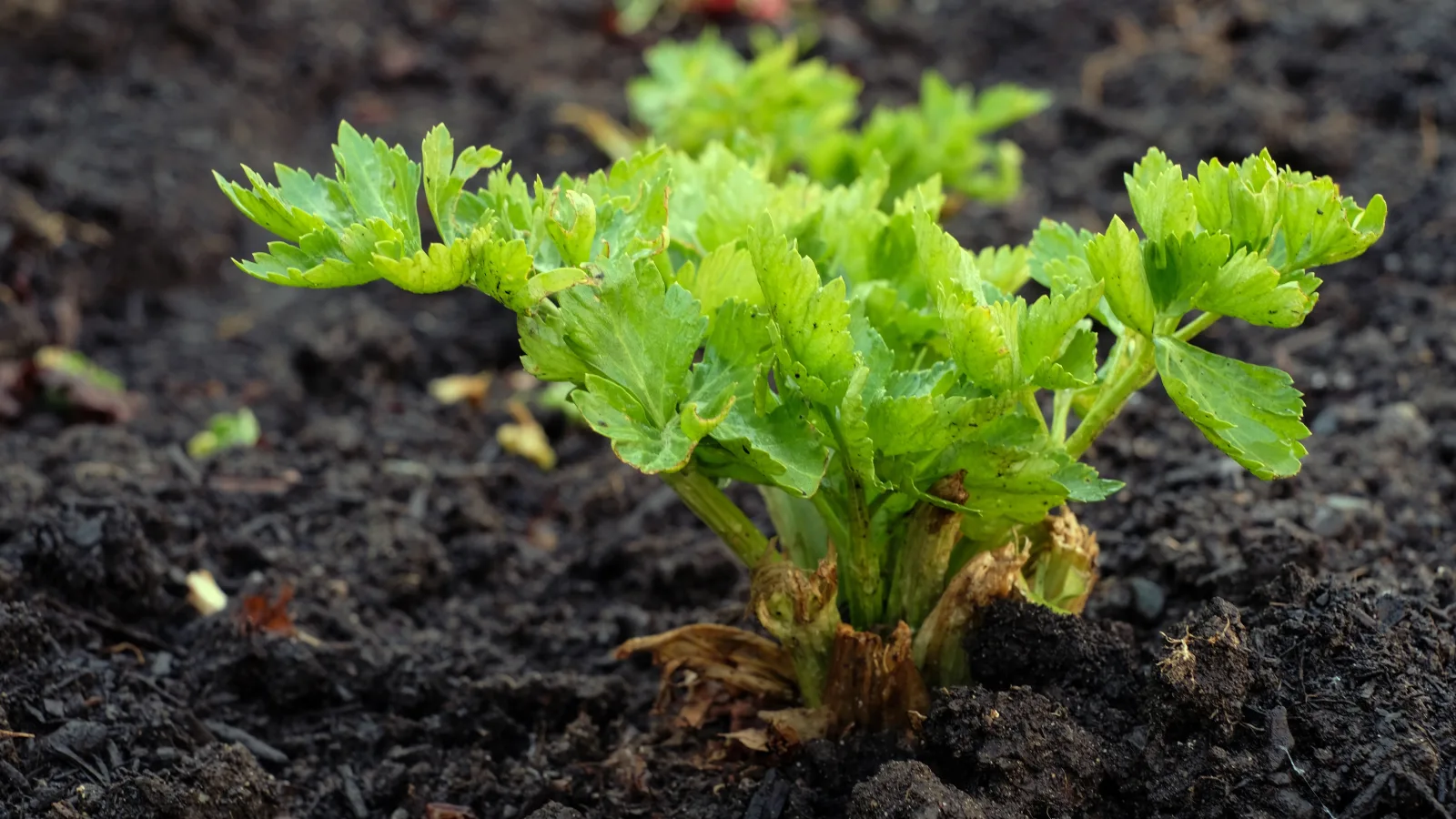
When Your Celery Fades Year After Year, Try a Season of Green Onions
Celery grown in the same bed for years leaves the soil depleted and the plants weak. A simple crop rotation—slipping in a single season of green onions—can revive tired soil, cutting disease by 64% and boosting the next celery harvest by more than 30%.
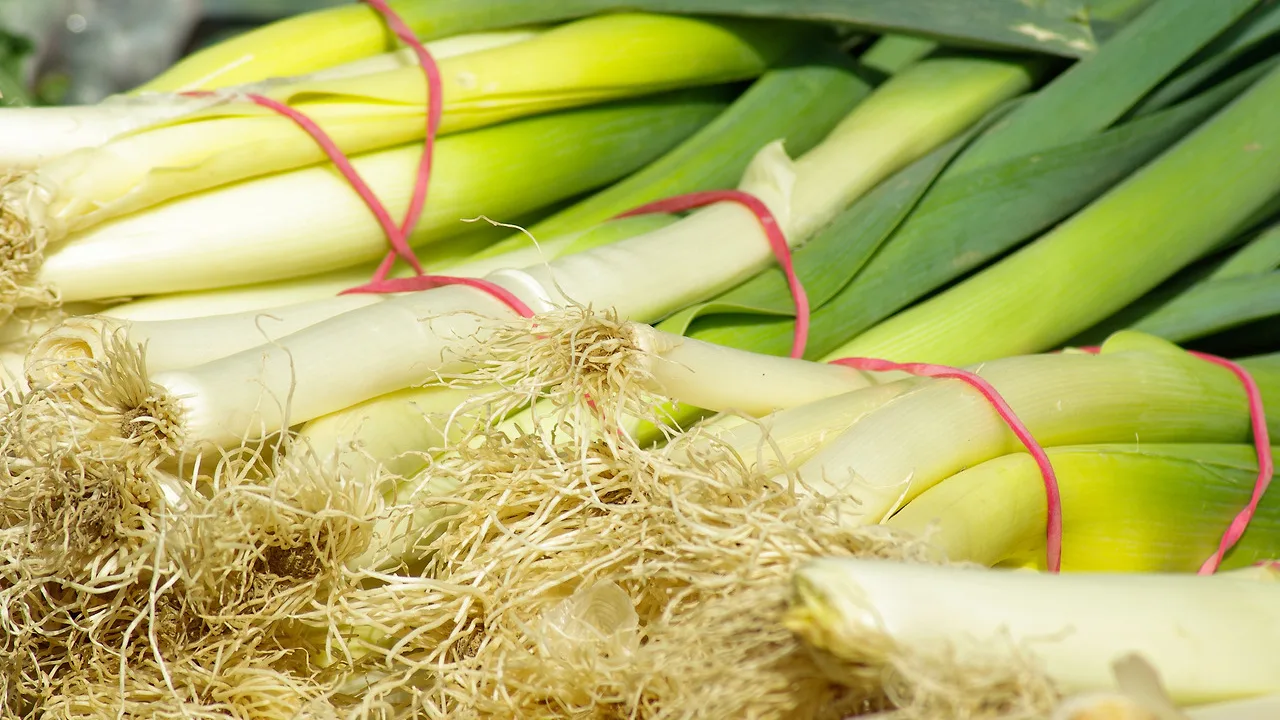
Green Onion Wellness, as Seen by Dongui Bogam
The large green onion growing in your garden has a quietly distinguished history in Korean classical medicine. Dongui Bogam gave its thick white base a dedicated name — chongbaek — and relied on it as a household remedy for early-stage chills, best simmered with ginger in a warming broth.