
- Type
- Leafy Greens
- Difficulty
- Easy
- Season
- Spring·Fall
- Sowing
- From seed
Kale
Brassica oleracea
Vitamin K and lutein in a deep-green leafy vegetable
Kale stands out even among leafy greens for how much vitamin K and calcium it carries. The deep green leaves bring pigments such as lutein and beta-carotene along with plenty of dietary fiber. Enjoy it in salads, smoothies, green juices, or as a Korean-style ssam wrap, and look for the most tender leaves in the cool weather of fall. One caution: anyone taking an anticoagulant such as warfarin should talk with the prescribing doctor before letting vitamin K intake swing sharply.
Year-Round Calendar
- 1
- 2
- 3
- 4
- 5
- 6
- 7
- 8
- 9
- 10
- 11
- 12
- 3
- 4
- 8
- 6
- 7
- 10
- 11
Where It Grows
- Main producer California and Georgia are the centres of production. Growers split the year between the mild-winter South and the cool-summer coastal uplands to supply kale all year round.
- Major producer The non-heading couve-manteiga type is grown year-round in the South and Southeast.
- Major producer Couve galega is widely planted as a kitchen-garden crop, and the leaves are picked in the open field even in winter.
-
Major producer
In the northwest, around Oldenburg and Bremen, kale is a winter vegetable, harvested only once the first frost has passed. Harvest November, December, January, February
- 1
- 2
- 11
- 12
- Major producer Tuscany's cavolo nero is the leading type, and open-field harvest runs on at length through the Mediterranean winter.
Kale is a line that split off from the wild cabbage of the Mediterranean and the European Atlantic coast, and it stays close to the primitive, non-heading form. Because its origin cannot be pinned to any single country, no country-of-origin row has been included. Note — the FAO does not count kale separately but folds it into "cabbages", so no production ranking for kale alone can be drawn. The list above is not a statistical ranking; it is a selection of countries where kale has long been established as a field crop. Kai-lan (Chinese broccoli), grown widely in China and Southeast Asia, is another variety of the same species.
- Optimum
- 15~20℃
- Range
- 0~25℃
- Hardiness
- Hardy
Kale likes cool weather. It withstands cold of around -10℃, and a touch of frost raises the sweetness in the leaves. In summers above 25℃ the leaves thin out and the bitterness sharpens.
In Korea Nationwide
Spring and autumn open-field crops are the mainstay, and midsummer is taken up by the highlands (cool upland farming) of Gangwon. Winter volume, and the crop grown for green juice, comes from open fields and greenhouses on Jeju and the south coast of South Jeolla, where winters are mild.
- 9
- 10
- 1
- 2
- 3
- 12
- 3
- 4
- 8
- 6
- 7
- 10
- 11
- 5
- 6
- 7
- 8
- 9
How to grow
- Light
- The more sun, the thicker the leaf
- Soil and depth
- 25cm deep or more. It stands a long time, so give it room
- Spacing
- 40cm. It gets bigger than you expect
- Watering
- Soak it when the surface dries. Dry kale is leathery
- Feeding
- Once a month. This is a long-cropping plant, and the leaves shrink when feeding stops
- Harvest
- Take the lower leaves and new ones keep coming from the top. One plant runs half a year
What makes the difference. Frost brings out the sweetness. Better to plant in autumn and leave it standing through winter
Common problems
- Cabbage white caterpillars You will see Large holes and a green caterpillar sitting there What to do Pick off what you see. Insect netting is the only thing that really works
- Aphids You will see Clusters on the leaf undersides What to do Wash them off and leave the ladybirds alone
This page describes how a crop is grown and used. It does not claim health effects for any food, nor is it intended to prevent or treat disease. Component and study notes are references only and do not mean the same result occurs in people. Consult a medical professional about health concerns.
Health Benefits
Where the cruciferous research stops. The route by which glucoraphanin turns into isothiocyanates such as sulforaphane is well mapped in test tubes and in animals. Most of that work handles the isolated compound, so whether the same thing happens to the same degree when a person eats the leaf remains a separate question.
Lutein and zeaxanthin: established and not established. That the two pigments accumulate in the macula of the retina is established. What eating more of them as a vegetable does to vision has not been settled, and there is no ground for tying the leaf to any particular eye condition.
Vitamin K and anticoagulants. Kale sits at the very top among vegetables for vitamin K. Vitamin K is the nutrient the body uses to build clotting factors, so anyone taking an anticoagulant such as warfarin is better off not raising or lowering intake abruptly. Talk it over with the prescribing doctor.
How far human research has come. Studies on kale by itself in humans are still scarce. Most of the evidence comes from observational work that groups all cruciferous vegetables together, or from experiments on isolated compounds, so what can be said today stops at composition.
Nutrition
- Vitamin K (Very high) — Top tier among vegetables
- Lutein and beta-carotene (Abundant) — Pigments behind the deep green
- Calcium (High for a leafy green) — Unusually high for a leaf
Glucosinolates & isothiocyanates Kale contains glucoraphanin, one of the glucosinolates the Brassicaceae family shares. Cutting or chewing a leaf breaks the tissue apart, myrosinase goes to work, and isothiocyanates including sulforaphane are formed. The slightly bitter, peppery finish particular to kale comes from those breakdown products.
Lutein & zeaxanthin Kale ranks among the vegetables highest in lutein and zeaxanthin. They are yellow, fat-soluble pigments hidden under the deep green, and cooking the leaf with a little oil draws them out more readily.
Beta-carotene The deep green leaves hold a rich supply of beta-carotene. It is a pigment that converts to vitamin A in the body, and kale ranks high on this measure even among Brassicaceae leafy greens.
Vitamin K Kale sits at the very top among vegetables for vitamin K, with 100 g supplying several times the daily recommended amount. Being fat-soluble, it survives blanching and stir-frying well, and darker leaves tend to carry more of it.
Vitamins C, A & E Antioxidant vitamins such as C, A and E are present in balanced amounts. Vitamin C among them is heat-sensitive, so more of it survives in raw leaves or briefly blanched ones.
Calcium Kale is one of the leafy vegetables that carry a good amount of calcium. Its low oxalate content is often noted alongside, since oxalate is what binds calcium and holds absorption back elsewhere. It is one of the plant sources people turn to when dairy is off the table.
Iron, dietary fiber, folate, potassium & manganese Trace nutrients such as iron, dietary fiber, folate, potassium and manganese are present in balanced amounts. These are the nutrients involved in red blood cell formation, cell division and intestinal movement.
Quercetin & kaempferol Kale holds quercetin and kaempferol, both of them flavonols. A considerable body of research has accumulated on their antioxidant activity, which does not mean an effect has been confirmed when a person eats kale.
Pairings
○ Olive oil, avocado, and nuts — Pairing kale salad with olive oil, avocado, and nuts is practically a nutritional formula. The fats boost absorption of vitamins K, A, and E along with lutein, while the protein in nuts rounds out the nutritional balance.
○ Lemon and vinegar — A splash of lemon or vinegar adds vitamin C, which improves absorption of the plant-based iron in kale. The acidity also brings the flavors into better balance.
○ Apple, banana, and ginger — Blending kale with apple, banana, and ginger into a green smoothie is a go-to way to get flavor and nutrition in one glass. The sweetness of the fruit and the warmth of ginger smooth out kale's assertive, slightly bitter taste. Ginger
○ Garlic and onion — Sauteing kale with garlic and onion, or working it into a pesto, is one of the best ways to bring out its flavor. Allicin and glucosinolates work together, offering potential synergy for anti-cancer and anti-inflammatory benefits. Garlic · Onion
○ Pine nuts, almonds, and cheese — As in a kale pesto or a kale Caesar salad, pairing kale with pine nuts, almonds, and cheese balances protein, fat, and minerals. The nutty richness and the salty bite of cheese soften kale's coarse texture. Korean Pine Nut
△ Anticoagulants — Kale has one of the highest vitamin K levels of any vegetable, so anyone on anticoagulants like warfarin must keep their intake steady rather than changing it abruptly.
△ Hypothyroidism — When eaten raw in large quantities, glucosinolates can partially interfere with thyroid hormone synthesis. People with an underactive thyroid should eat kale cooked rather than raw and avoid large portions in a single meal.
△ Kidney failure or kidney stones — Patients with kidney failure should be mindful of the potassium load, and those with a history of kidney stones should watch the oxalate load—both groups should limit large servings of kale. It's safest to work out an appropriate amount with your healthcare provider.
△ Large amounts eaten raw — Raw kale leaves are tough and can be hard on the stomach. Massaging the leaves by hand with olive oil and salt softens them considerably and makes them much easier to digest.
Varieties
- Gopseul kale (curly kale) (Seed) — Frilled leaf edges with a firm bite, and cold-hardy enough to pick into late autumn.
- Ssam kale (broad-leaf type) (Seed) — Large flat leaves for wraps and juice; taking the lower leaves one by one extends the harvest.
- Jeok kale (red-leaf type) (Seed) — Purple veins and edges. Slower to grow, but it carries the color of a salad.
Source: Food and Nutrition Information
Stories about Kale
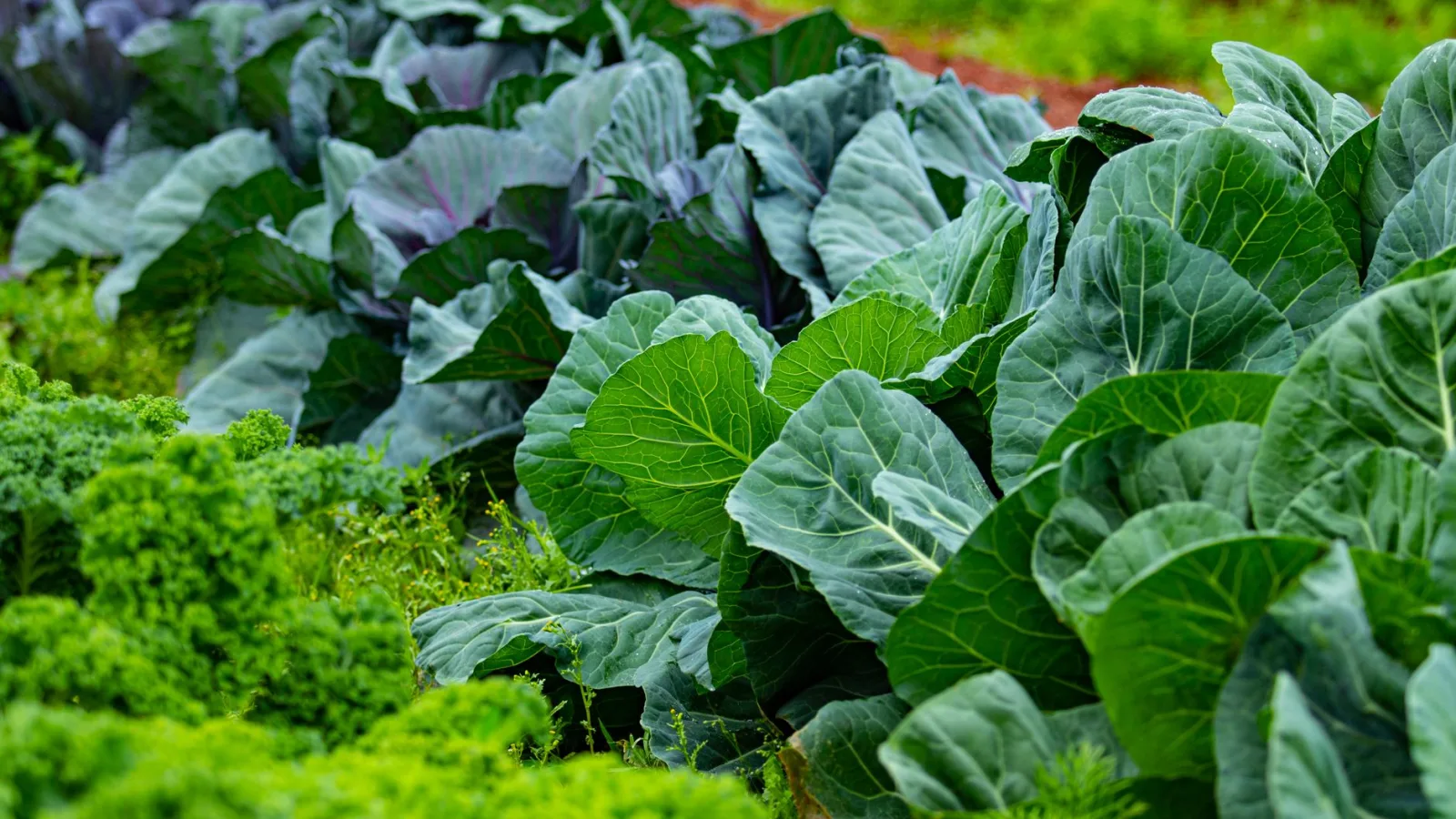
On the Days You're Running on Empty, a Plate of Garden Greens
Dark leafy greens from the garden — kale, spinach, Swiss chard — are loaded with vitamin K, and a recent study links higher intake to fewer depressive symptoms. Here's what the research says, and how to get more of it on your plate.
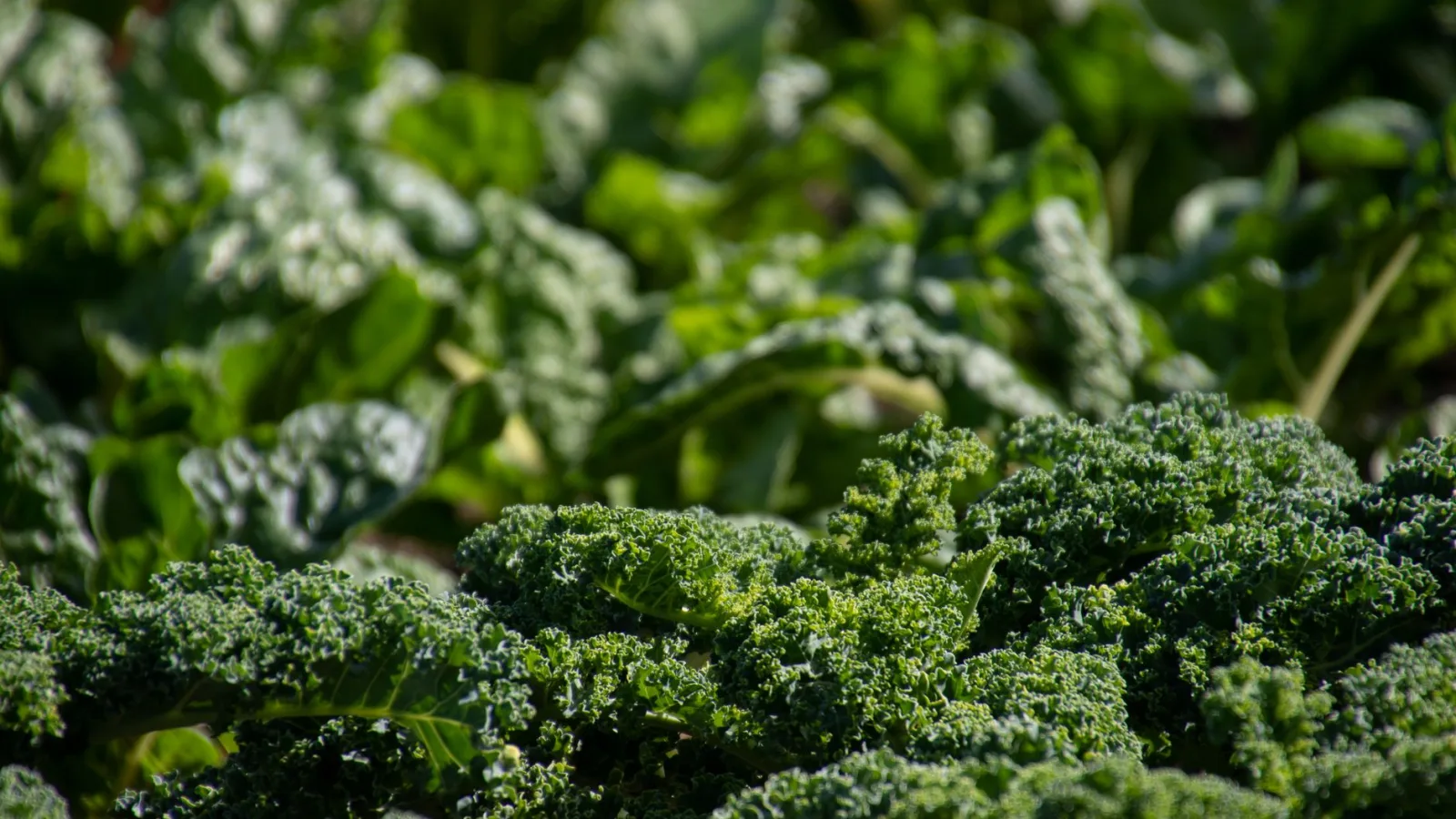
How Garden Vegetables Reach Your Brain by Way of Your Gut
The microbes in your gut turn what you eat into compounds that can influence brain function — and leafy greens from your own garden are among the best raw material. Broccoli sprouts, ready in a week from seed, have become one of the most studied vegetables in this field.
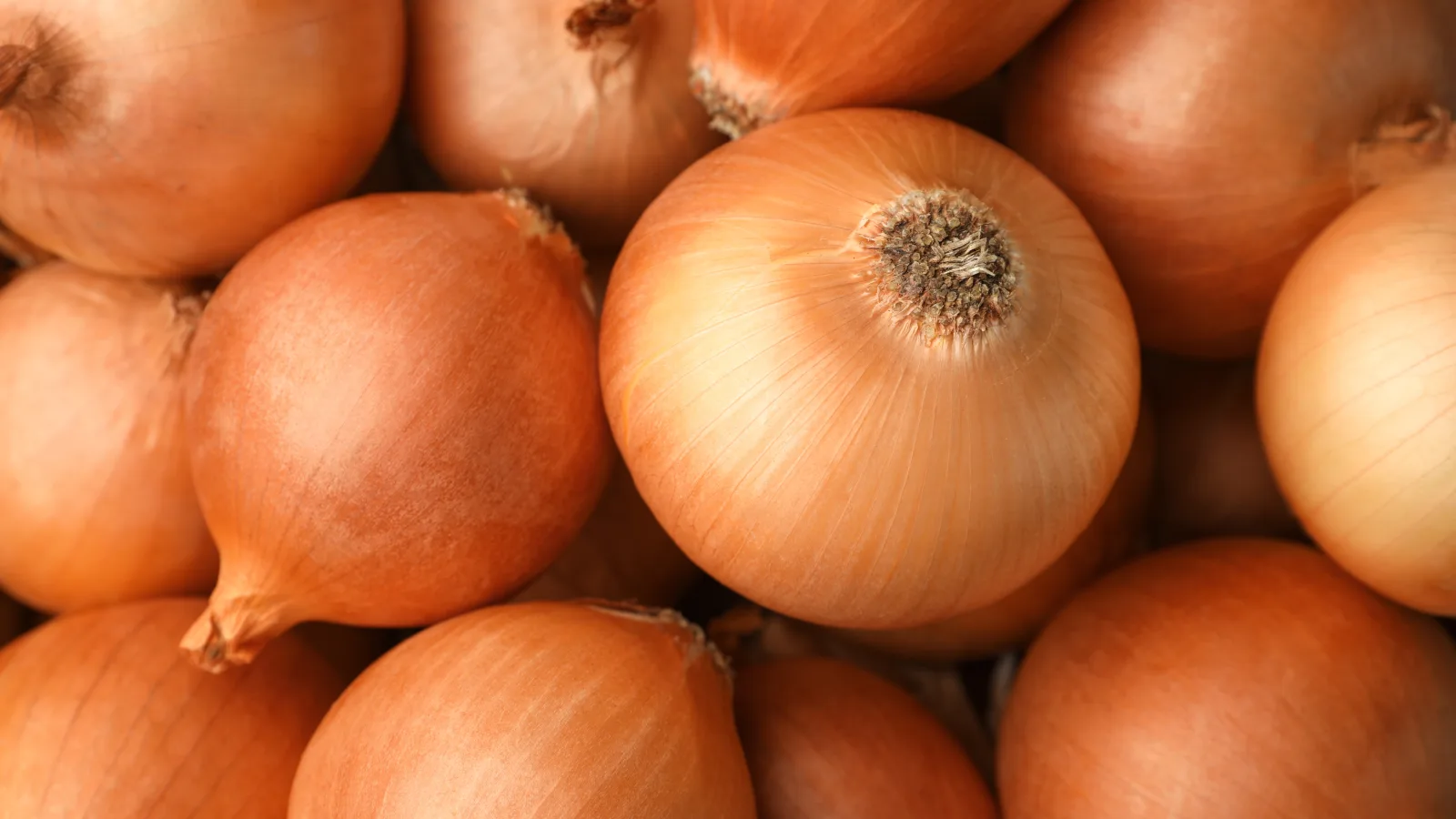
Before You Toss Those Onion Skins, Try Simmering Them First
Researchers analyzed onion skins, kale leaves, and Korean summer squash that markets reject for looking imperfect, and found the papery brown skins carried the most antioxidant compounds of the three. Even the spent pulp left after extraction turned out to be dense in fiber and protein.
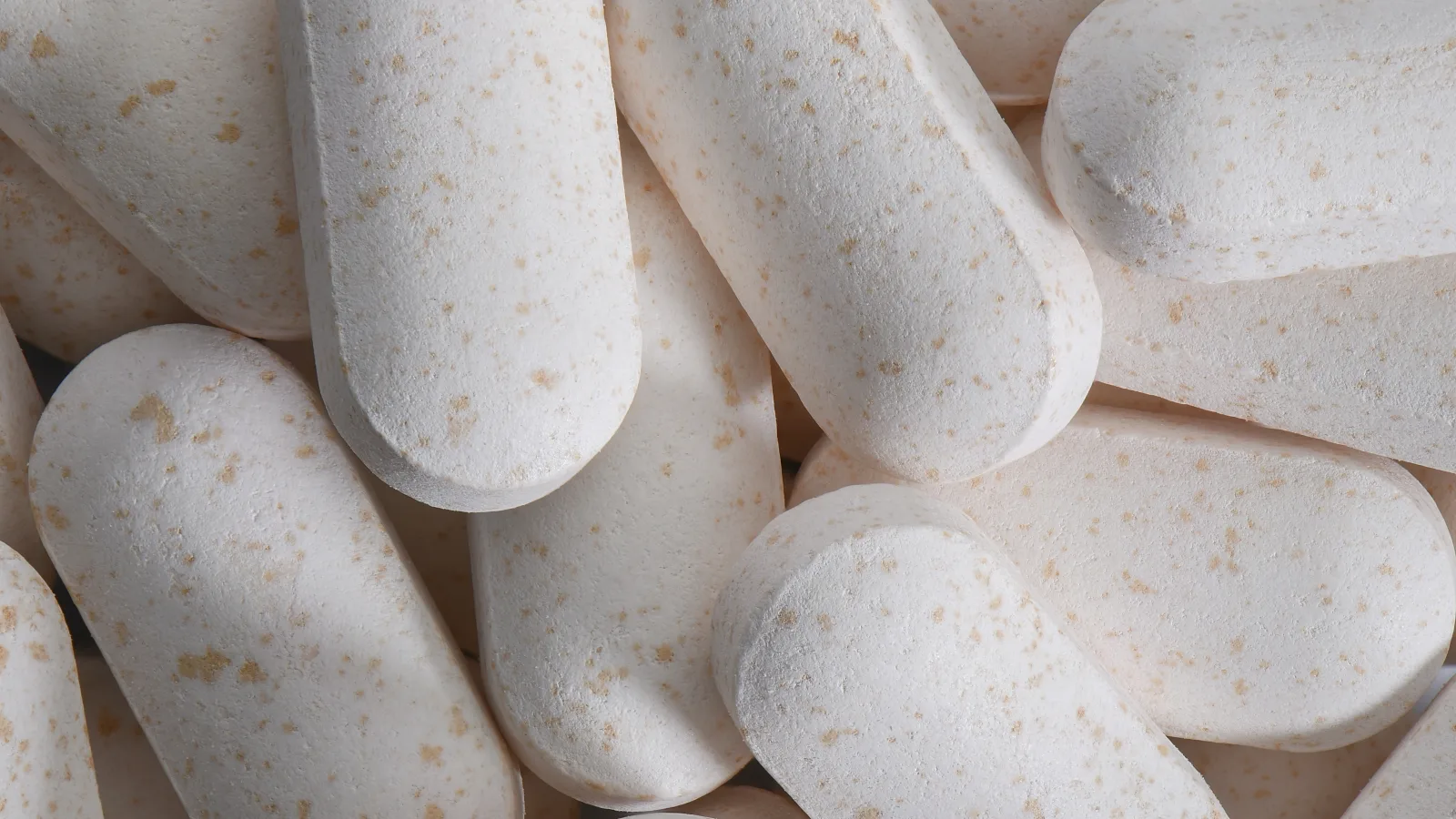
Does a Calcium Pill Really Protect Your Bones?
A study of more than 150,000 people found that calcium and vitamin D supplements did little to prevent fractures or falls in healthy older adults. The most reliable path to strong bones runs through calcium-rich garden vegetables, a little sunshine, and the weight-bearing work of tending the soil.