
- Type
- Gourds & Squash
- Difficulty
- Easy
- Season
- Summer
- Sowing
- Transplant
Korean Zucchini (Aehobak)
Cucurbita moschata
Beta-carotene, water · a tender summer squash
Aehobak is a distinctly Korean summer vegetable: a squash harvested young and immature, so unlike the firm, mature winter pumpkin it stays high in moisture and tender. That softness makes it a kitchen workhorse, equally at home in jeon (pan-fried fritters), stews, and namul (seasoned vegetable sides). It carries beta-carotene and vitamin C while staying low in calories. On rare occasions a fruit grown from home-saved seed tastes strongly bitter; if it does, do not eat it and discard the whole fruit. For the components of the fully mature pumpkin, see the pumpkin entry.
Year-Round Calendar
- 1
- 2
- 3
- 4
- 5
- 6
- 7
- 8
- 9
- 10
- 11
- 12
- 4
- 5
- 6
- 7
- 8
Where It Grows
- Main producer Produces somewhere around a third of the world's squash and pumpkin crop.
- Major producer Divided between a winter season on the northern plains and a rainy-season crop in the south.
- Major producer Grown on a large scale in open fields across the black-earth belt.
- Major producer Centred on the warm southern zone.
- Major producer The home of the Cucurbita crops, where several species are still grown alongside one another. Winter shipments go to the United States market.
- Major producer Greenhouses in Almería supply Europe's winter volume.
The genus Cucurbita is native to the Americas, and the species behind aehobak (Cucurbita moschata) is placed within that range in the lowlands running from southern Mexico to Colombia, so it cannot be pinned to a single country and no place-of-origin row has been included here. Picking the fruit young and eating it in the form known as aehobak is a practice found virtually only in Korea. FAO statistics group mature pumpkins, zucchini and gourds together as one squash category, so the rankings above should not be read as aehobak production figures.
- Optimum
- 22~28℃
- Range
- 15~35℃
- Hardiness
- Not hardy
A summer crop that stands up to heat. It grows well at 22~28℃, stops growing below 10℃, and is killed outright by frost. Above 35℃ the pollen is damaged and the fruit will not set.
In Korea Nationwide
How to grow
- Light
- Somewhere sunny
- Soil and depth
- 30cm deep or more. It takes up room
- Spacing
- 80cm or more
- Watering
- Plenty
- Feeding
- Every two or three weeks
- Harvest
- At about 20cm, while a fingernail still marks it
What makes the difference. Dust a morning female flower with pollen from a male and the fruit sets for certain. On a balcony with no bees this is essential
Common problems
- Powdery mildew You will see White leaves What to do Strip lower leaves for airflow
- Fruit fly You will see Small fruit yellows and drops What to do Bagging the young fruit settles it
This page describes how a crop is grown and used. It does not claim health effects for any food, nor is it intended to prevent or treat disease. Component and study notes are references only and do not mean the same result occurs in people. Consult a medical professional about health concerns.
Health Benefits
A squash variety — shared evidence base. Aehobak is the young, immature fruit of the pumpkin/squash plant (Cucurbita), so it shares its composition and its evidence base with mature pumpkin. For detailed components and the academic research behind them, see the pumpkin entry.
Bitterness means do not eat it — cucurbitacin. Plants of the gourd family produce bitter compounds called cucurbitacins. Stress during growing, or home-saved seed that has crossed with another squash, can leave a fruit with a strong concentration, and such a fruit tastes sharply bitter at the first bite. If bitterness appears, spit it out and discard the whole fruit; cooking does not remove it.
Nutrition
- Beta-carotene (Provitamin A) — The pigment behind the pale yellow tint
- Water and dietary fiber (Immature fruit) — High in water, low in calories
Beta-carotene Even the pale yellow tint of Korean zucchini carries beta-carotene, the compound that converts to vitamin A in the body. The content is deeper in mature squash.
Water content & dietary fiber As an immature fruit it holds much water and few calories, cooking to a soft texture that sits lightly on digestion.
Cucurbitacin The bitter compound of the gourd family. Market fruit carries almost none, but stress in the field or home-saved seed that has crossed with another squash can raise it. A bitter fruit stays bitter after cooking, so it is discarded whole.
Pairings
○ Salted shrimp (aehobak-bokkeum) — Stir-fried aehobak seasoned with saeujeot (salted fermented shrimp) is a classic side dish, with the shrimp bringing out its savory depth.
○ Doenjang (doenjang-jjigae) — Added to doenjang-jjigae, a fermented soybean-paste stew, the squash releases a gentle, subtle sweetness.
○ Pan-fried (hobak-jeon) — Sliced thin and pan-fried into hobak-jeon, it becomes a soft, lightly sweet fritter. Pumpkin & Squash (Hobak)
△ A bitter fruit: cucurbitacin — Plants of the gourd family produce bitter compounds called cucurbitacins. Market aehobak carries almost none, but stress during growing, or home-saved seed that has crossed with another squash or an ornamental gourd, can leave a fruit with a strong concentration. If the first bite is clearly bitter, spit it out and discard the whole fruit. Cooking does not remove it, so a stir-fry or stew already made with such a fruit goes out too. Pumpkin & Squash (Hobak)
Varieties
- Aehobak (improved node-bearing type) (Seedling transplanting) — Sets fruit at nearly every node, so picking is frequent; this is the straight, plump squash sold in markets.
- Joseon hobak (round native summer squash) (Seedling transplanting) — A long vine with rounded fruit: picked young it is aehobak, left on the vine it matures into a winter pumpkin.
- Zucchini (Seedling transplanting) — An upright bush instead of a runner, fitting a tight bed; the fruit is long, straight and thin-skinned.
Source: Rural Development Administration (Nongsaro)
Stories about Korean Zucchini (Aehobak)
Why Don't We Wipe Our Pruners, Even When We Know Better?
Most of us know we should disinfect our garden tools, and most of us still don't. A review of livestock-farm biosecurity studies suggests more rules won't fix that, but making the right habit easy to reach will.
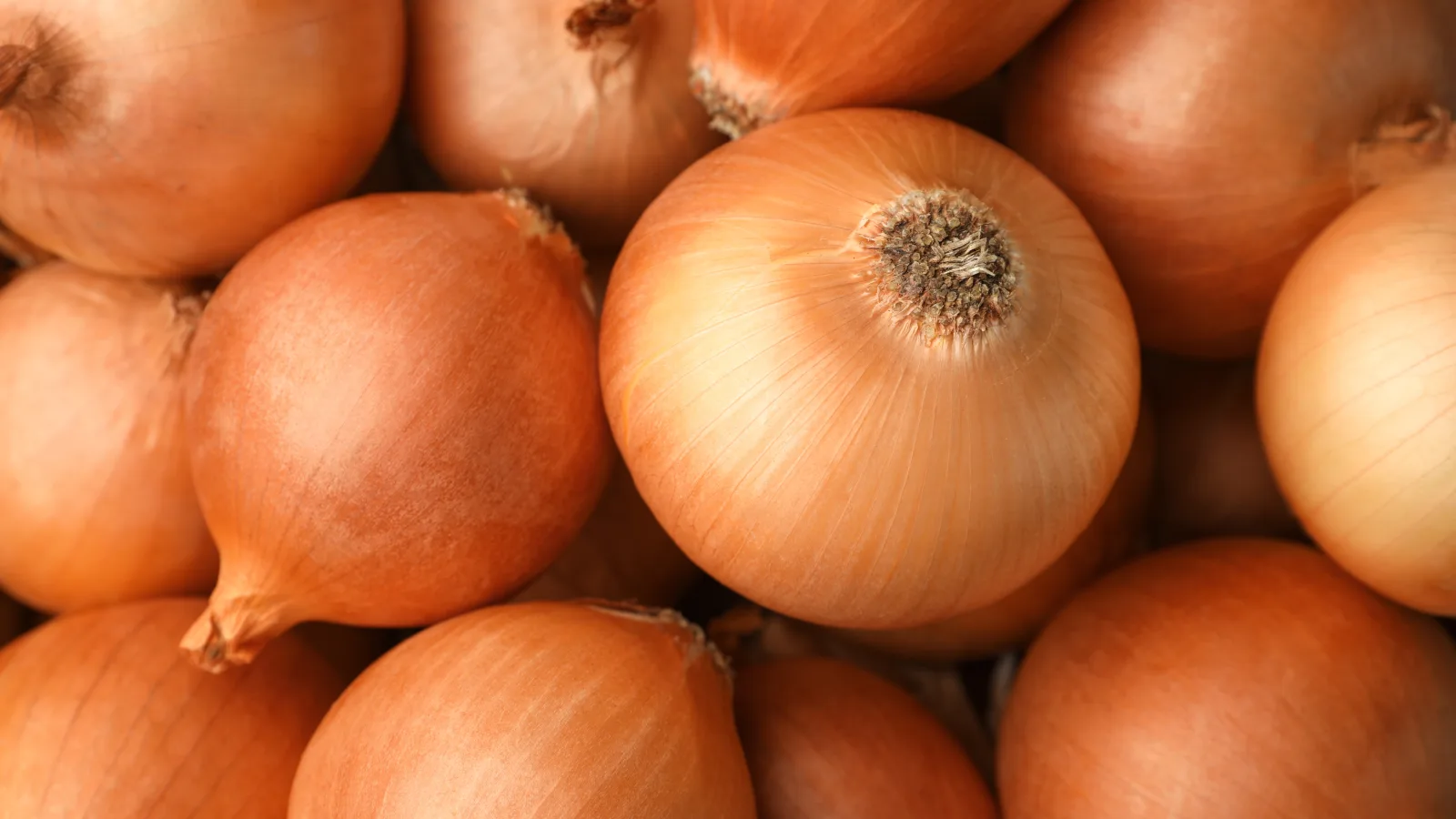
Before You Toss Those Onion Skins, Try Simmering Them First
Researchers analyzed onion skins, kale leaves, and Korean summer squash that markets reject for looking imperfect, and found the papery brown skins carried the most antioxidant compounds of the three. Even the spent pulp left after extraction turned out to be dense in fiber and protein.