Tangaek — Decoctions · Herbs
白鮮 Geomhwatbulhwi (검홧불휘)
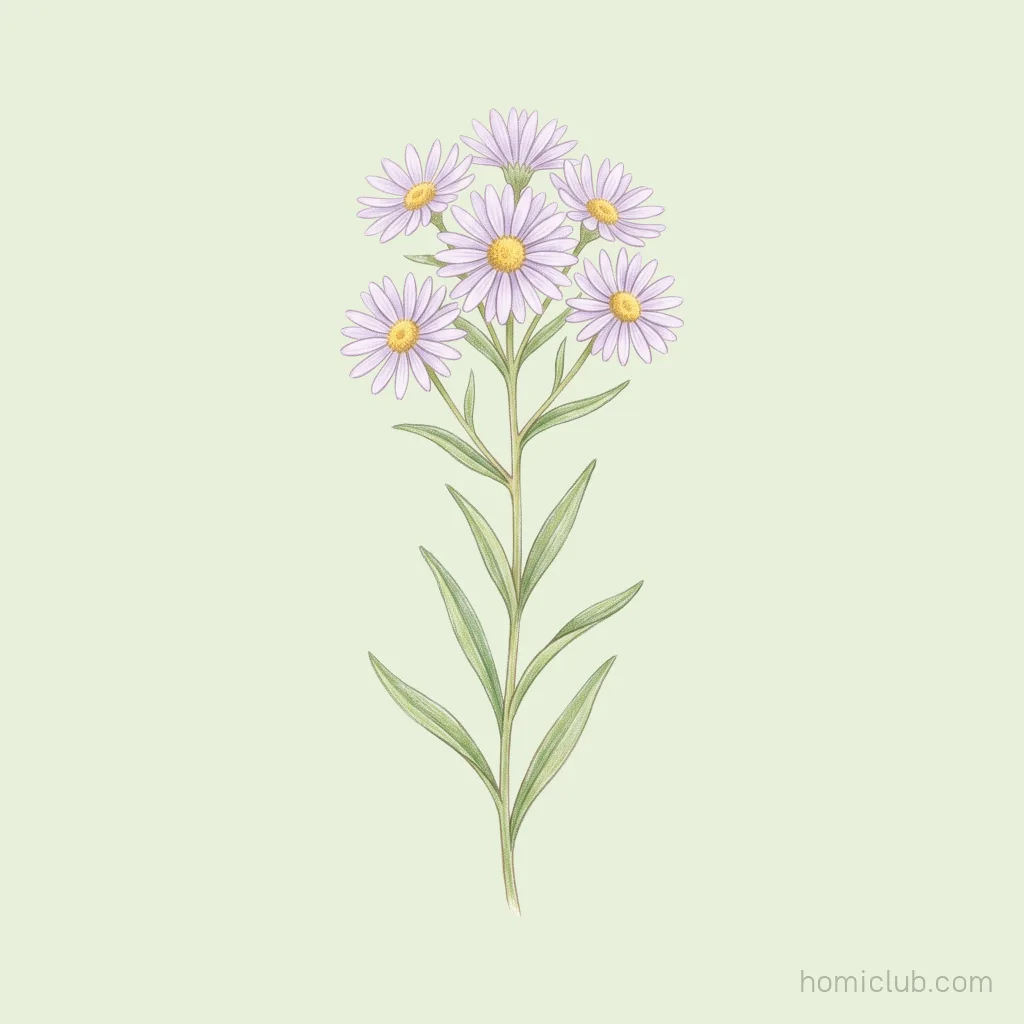
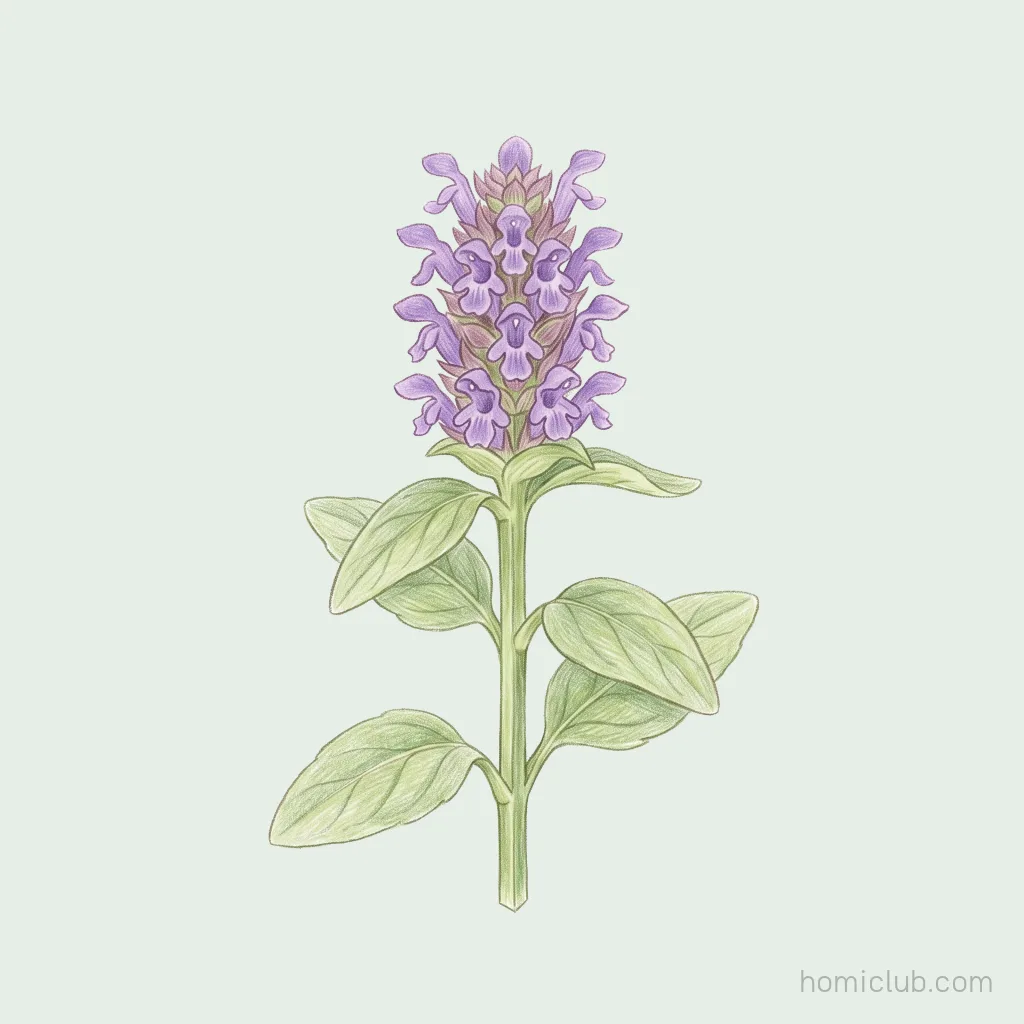
Baekseon is the dried root bark of dittany, a perennial of open fields that raises pale pink flowers in late spring; its old Korean name was geomhwat burhwi. Donguibogam recorded that country people called it baegyangseon, white sheep dittany, for the muttony smell the plant carries.
Original, read line by line 東醫寶鑑 · Tangaek — Decoctions vol. 3
-
性寒, 味苦醎, 無毒.
Its nature is cold, its taste bitter and salty, and it has no toxicity.
-
治一切熱毒風, 惡風, 風瘡, 疥癬赤爛, 眉髮脫, 皮肌急.
It treats all heat-toxin winds, malignant wind, wind sores, scabies and ringworm festering red, loss of eyebrows and hair, and tightness of the skin.
-
解熱黃, 酒黃, 急黃, 穀黃, 勞黃.
It resolves yeolhwang, juhwang, geuphwang, gokhwang, and nohwang (five kinds of jaundice).
-
主一切風痺, 筋骨弱乏, 不可屈伸.
It chiefly governs all wind impediment, and sinews and bones so weak and spent that they cannot bend or stretch.
-
生原野, 處處有之.
It grows in open fields and is found everywhere.
HomiclubToday it is called baekseon; in early summer its pink, stripe-veined flowers open tier upon tier.
-
以其氣似羊羶, 故俗呼爲白羊鮮.
Because its smell resembles the rank odour of sheep, it is popularly called baegyangseon (白羊鮮).
HomiclubRubbing the leaves or the root releases a distinctive smell. The 羊 (sheep) in the name is the character that likens that smell to a sheep.
-
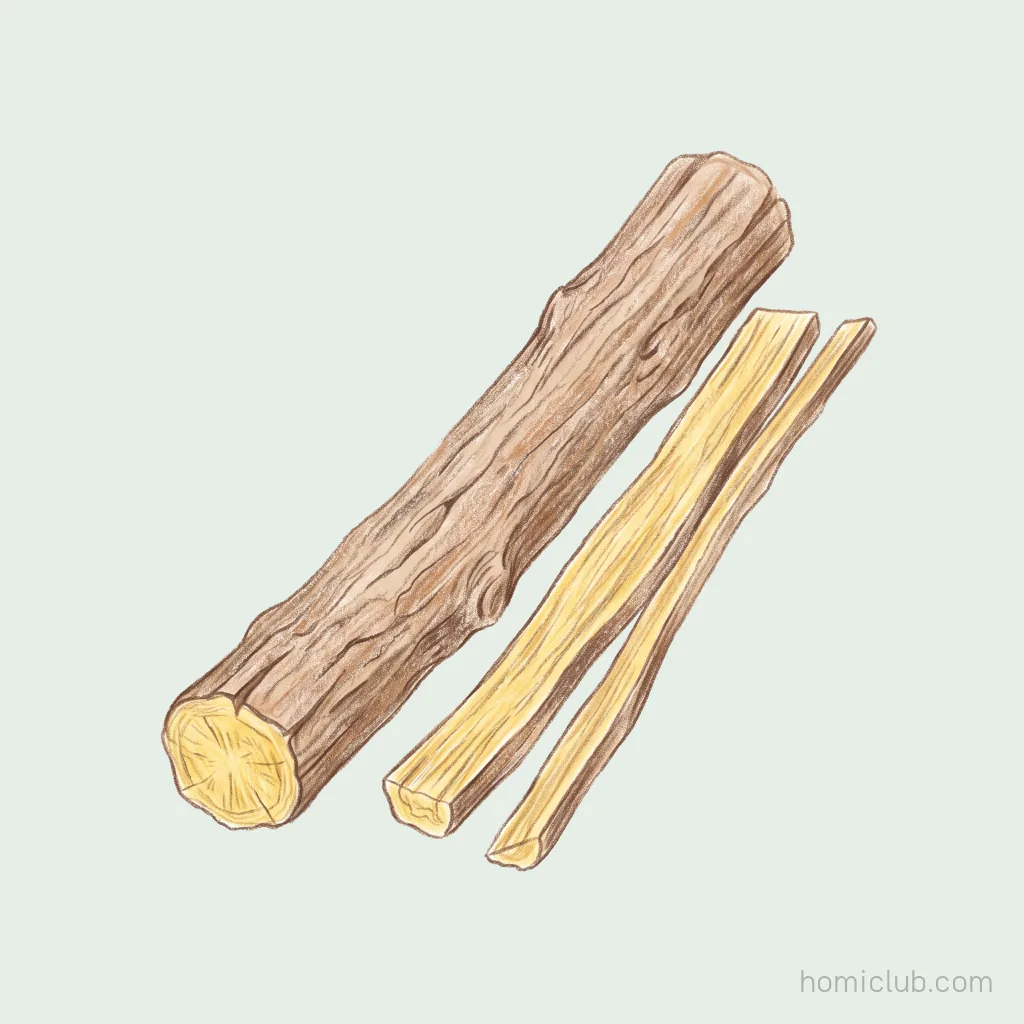
四五月採根, 陰乾. 《本草》
The root is dug in the fourth and fifth months and dried in the shade. 《Boncho (Materia Medica)》
Herbs — more entries
This is a cultural and historical record from a classical text, not a claim about any food’s effects. Nothing here is a health supplement or intended to prevent or treat disease. Consult a medical professional about health concerns. · Text: Korean Medicine Classics DB · Reading: Homiclub