Tangaek — Decoctions · Herbs
馬兜鈴 Jwibangul (쥐방울)
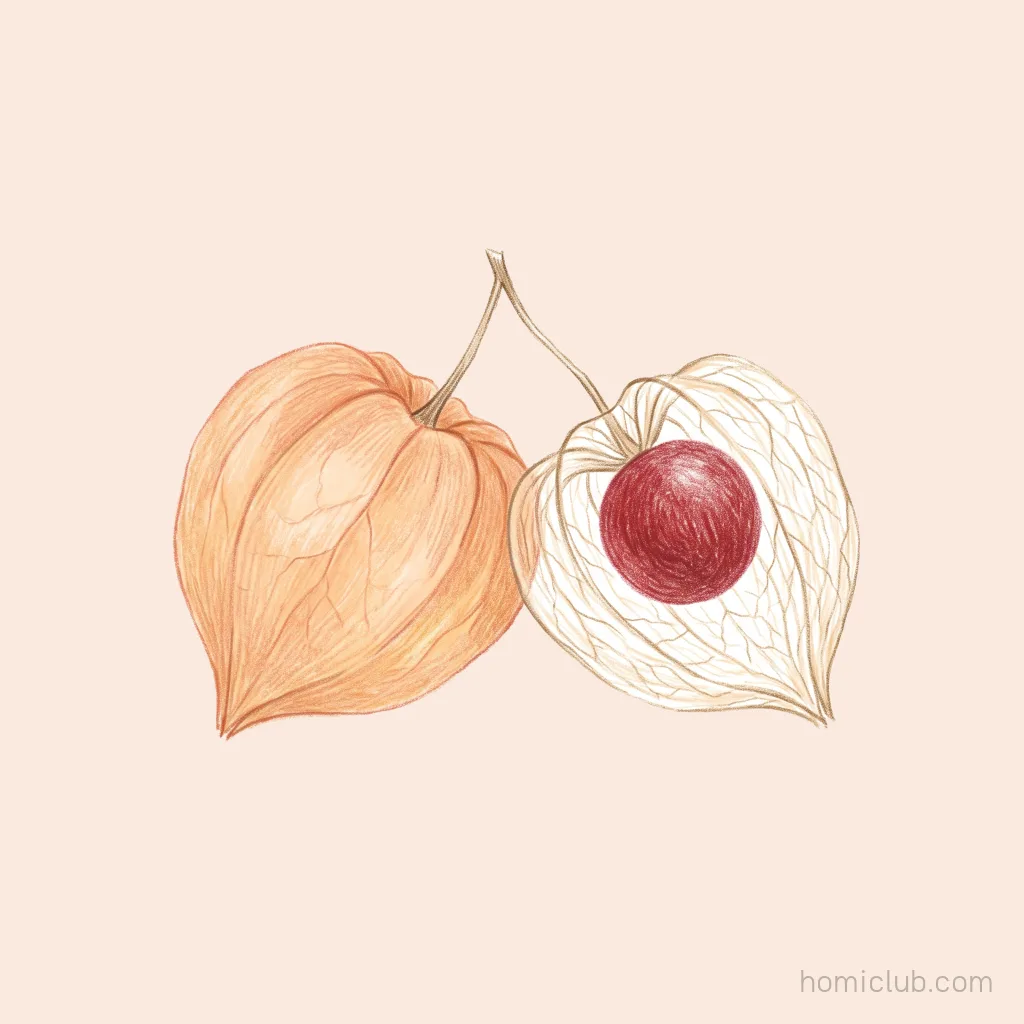
Maduryeong is the fruit of the birthwort vine. Its rattle-shaped pods stay hanging after the leaves drop, looking like the bell on a horse's neck, which is where the name comes from. Toxicity later confirmed in the plant ended its use, and it survives now only as a wild vine.
Original, read line by line 東醫寶鑑 · Tangaek — Decoctions vol. 3
-
性寒一云平, 味苦, 無毒.
Its nature is cold, though one account calls it neutral; its taste is bitter, and it is non-toxic.
HomiclubMaduryeong is the fruit of the birthwort vine. Plants of this genus contain aristolochic acid, so the material is no longer used as a drug and the vine is now met only in the field.
-
主肺熱咳嗽喘急, 淸肺下氣.
It governs cough and hurried panting from heat in the lung, clears the lung, and sends qi downward.
-
處處有之. 藤遶樹而生, 子狀如鈴, 作四五瓣.
It is found everywhere. The vine twines around trees as it grows, and its fruit is shaped like a bell, splitting into four or five segments.
HomiclubThe birthwort vine climbs through thickets in Korean hills and fields. Its heart-shaped leaves and the curved, saxophone-like tubular flower it bears in summer make it easy to recognise.
-
葉脫時, 鈴尙垂如馬項鈴, 故得名.
When the leaves have fallen the bells still hang, like the bell tied at a horse's neck, and from this it took its name.
-
熟則自折, 八九月間採實, 暴乾.
When ripe it splits of itself, so the fruit is gathered between the eighth and ninth months and dried in the sun.
-
只取裏面子, 去殼及革膜, 微炒用. 《本草》
Take only the seeds inside, remove the husk and the leathery membrane, and use them lightly parched. 《Boncho (本草)》
Herbs — more entries
This is a cultural and historical record from a classical text, not a claim about any food’s effects. Nothing here is a health supplement or intended to prevent or treat disease. Consult a medical professional about health concerns. · Text: Korean Medicine Classics DB · Reading: Homiclub