Tangaek — Decoctions · Herbs
大靑 Daecheong (대청)
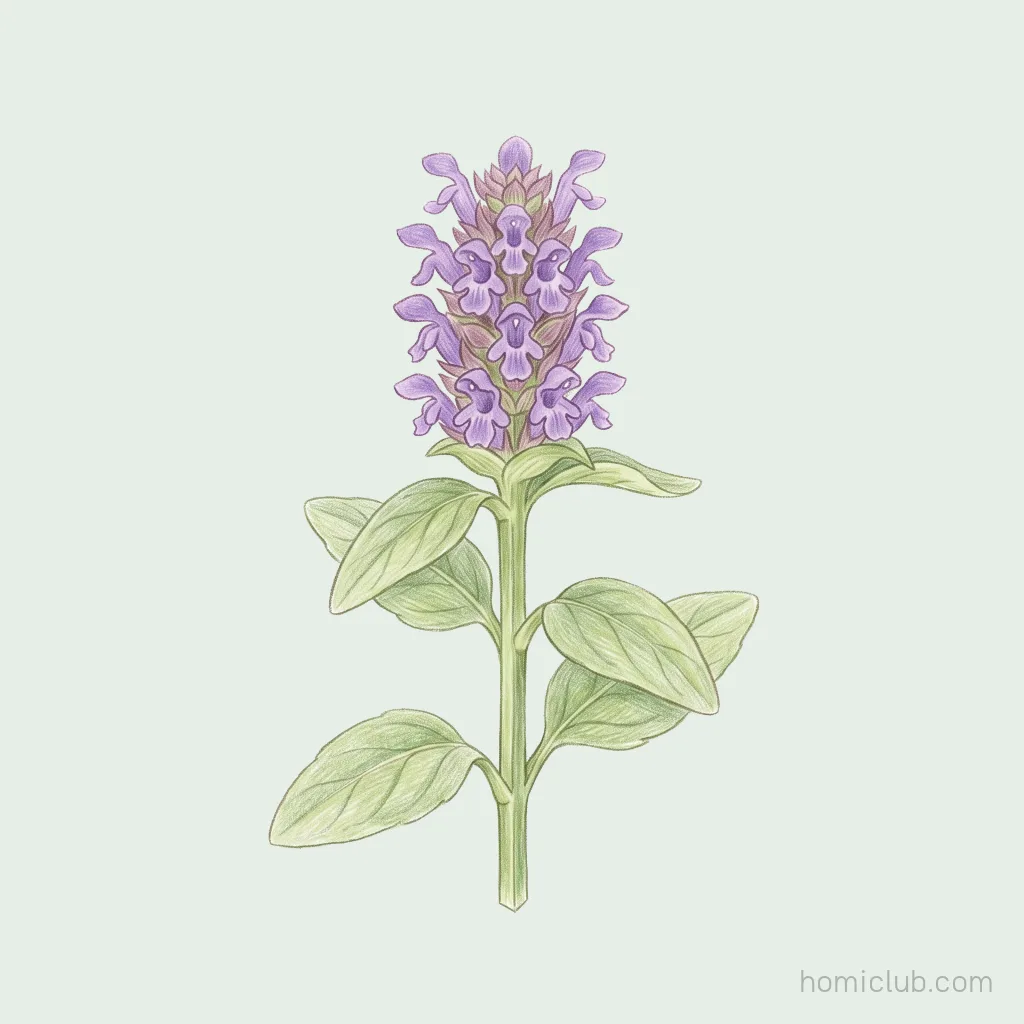
Daecheong is a plant that comes up in spring. The text describes a blue-purple stem, red-purple flowers, and a yellow root, with stem and leaf gathered in the third and fourth months and dried in shade. The name has attached itself to more than one plant over the centuries, so telling them apart has never been simple.
Original, read line by line 東醫寶鑑 · Tangaek — Decoctions vol. 3
-
性大寒, 味苦, 無毒.
Its nature is greatly cold, its taste bitter, and it is non-toxic.
HomiclubThe name daecheong (大靑) means "great blue plant." Which species it points to differs from text to text: some identify it with the sungnam (Isatis) group used for indigo dye, others with a different plant.
-
治天行熱疾, 大熱口瘡, 熱毒風, 心煩悶渴, 及金石藥毒, 兼塗腫毒.
It treats cheonhaeng yeoljil (epidemic febrile disease), mouth sores from great heat, yeoldokpung (heat-toxin wind), oppression and thirst in the chest, and poisoning by mineral drugs; it is also smeared on jongdok (swelling toxin).
-
春生, 靑紫莖似石竹苗葉, 花紅紫色似馬蓼, 根黃.
It comes up in spring; the blue-purple stalk resembles the shoots and leaves of seokjuk, the flowers are red-purple like maryo, and the root is yellow.
HomiclubSeokjuk (石竹) is the fringed pink and maryo (馬蓼) is the pale smartweed. The passage explains an unfamiliar plant by comparing it to weeds anyone would have seen on a field bank.
-
三月四月採莖葉, 陰乾. 《本草》
In the third and fourth months the stalk and leaves are gathered and dried in the shade. 《Boncho》
Herbs — more entries
This is a cultural and historical record from a classical text, not a claim about any food’s effects. Nothing here is a health supplement or intended to prevent or treat disease. Consult a medical professional about health concerns. · Text: Korean Medicine Classics DB · Reading: Homiclub