Tangaek — Decoctions · Herbs
葎草 Hansamdeonggul (한삼덩굴)
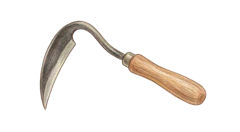
Yulcho is the Japanese hop, a vine in the same genus as the hop brewed into beer. It sprawls over roadsides and vacant lots, and its stems and leaves were gathered in summer. Today it is better known as the weed behind autumn pollen counts.
Original, read line by line 東醫寶鑑 · Tangaek — Decoctions vol. 3
-
性寒, 味甘, 無毒.
Its nature is cold, its taste sweet, and it is non-toxic — a cooling herb well suited to clearing heat.
-
主五淋.
It treats the Five Lin disorders — a traditional grouping of urinary ailments marked by painful, frequent, or difficult urination.
-
止水痢,
It stops watery diarrhea, easing cases where loose stools will not settle.
-
除瘧,
It dispels malarial fevers — the alternating chills and heat that classical sources call nüe.
-
主癩瘡.
It addresses festering sores and ulcerating skin lesions.
-
處處有之, 蔓生.
It grows everywhere as a climbing vine, easily found along roadsides and fallow ground.
-
夏月採莖, 葉用. 《本草》
In summer the stems and leaves are gathered for use, when the plant is at its most vigorous. So it is recorded in the Bencao.
Herbs — more entries
This is a cultural and historical record from a classical text, not a claim about any food’s effects. Nothing here is a health supplement or intended to prevent or treat disease. Consult a medical professional about health concerns. · Text: Korean Medicine Classics DB · Reading: Homiclub