Tangaek — Decoctions · Herbs
天南星 Duyeomeojojagi (두여머조자기)
Cheonnamseong is the corm of a woodland arum, called 'duyeomeojojagi' in old Korean. It carries toxicity, so it was roasted or simmered with ginger juice and alum before use, and the text marks it off-limits in pregnancy. Prepared with ox bile it is called udamnamseong.
Original, read line by line 東醫寶鑑 · Tangaek — Decoctions vol. 3
-
性平, 味苦辛, 有毒. 主中風, 除痰, 利胸膈, 消癰腫, 墮胎. 又療破傷風.
Its nature is neutral, its taste bitter and pungent, and it is toxic. It governs wind stroke, removes phlegm, frees the chest and diaphragm, disperses abscess swellings, and drops the foetus. It also treats lockjaw from wounds.
HomiclubCheonnamseong is the corm of an arum-family herb of shaded hills and fields; its old Korean name is duyeomeojojagi. In spring it raises a tubular spathe, and in autumn it bears a cluster of red berries like a small ear of corn, easily spotted.
-
生山野. 二月八月採根. 入藥炮用. 《本草》
It grows in the hills and fields. The root is dug in the second and eighth months. When put into medicine it is roasted for use. 《Boncho (本草)》
-
治風痰, 破傷風, 及小兒驚癎. 牛膽製者, 尤佳. 《醫鑑》
It treats wind phlegm, lockjaw, and fright epilepsy in children. The kind processed with ox gall is better still. 《Uigam (醫鑑)》
HomiclubThe form processed with ox gall has its own name, udam namseong (牛膽南星). Because the material is toxic, the text repeats instructions for its preparation at several points.
-
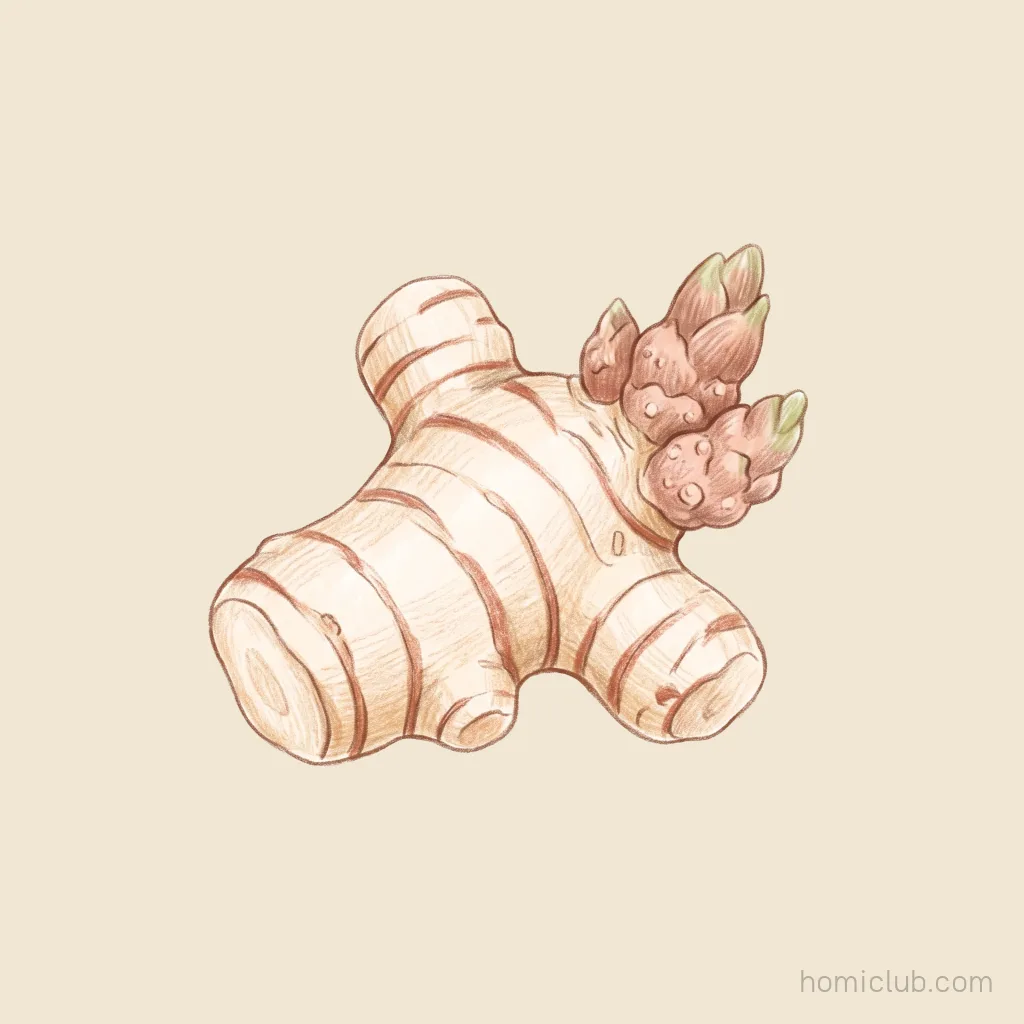
臘月置水中, 凍去燥性, 炮裂用, 或薑汁白礬煮, 至中心無白點, 亦好. 《丹心》
In the twelfth month it is placed in water and frozen to strip away its drying nature, then roasted until it splits for use; boiling it in ginger juice and alum until no white spot remains at the centre is also good. 《Dansim (丹心)》
Herbs — more entries
This is a cultural and historical record from a classical text, not a claim about any food’s effects. Nothing here is a health supplement or intended to prevent or treat disease. Consult a medical professional about health concerns. · Text: Korean Medicine Classics DB · Reading: Homiclub