Tangaek — Decoctions · Herbs
葛根 Kudzu
 Related Crop · Kudzu →
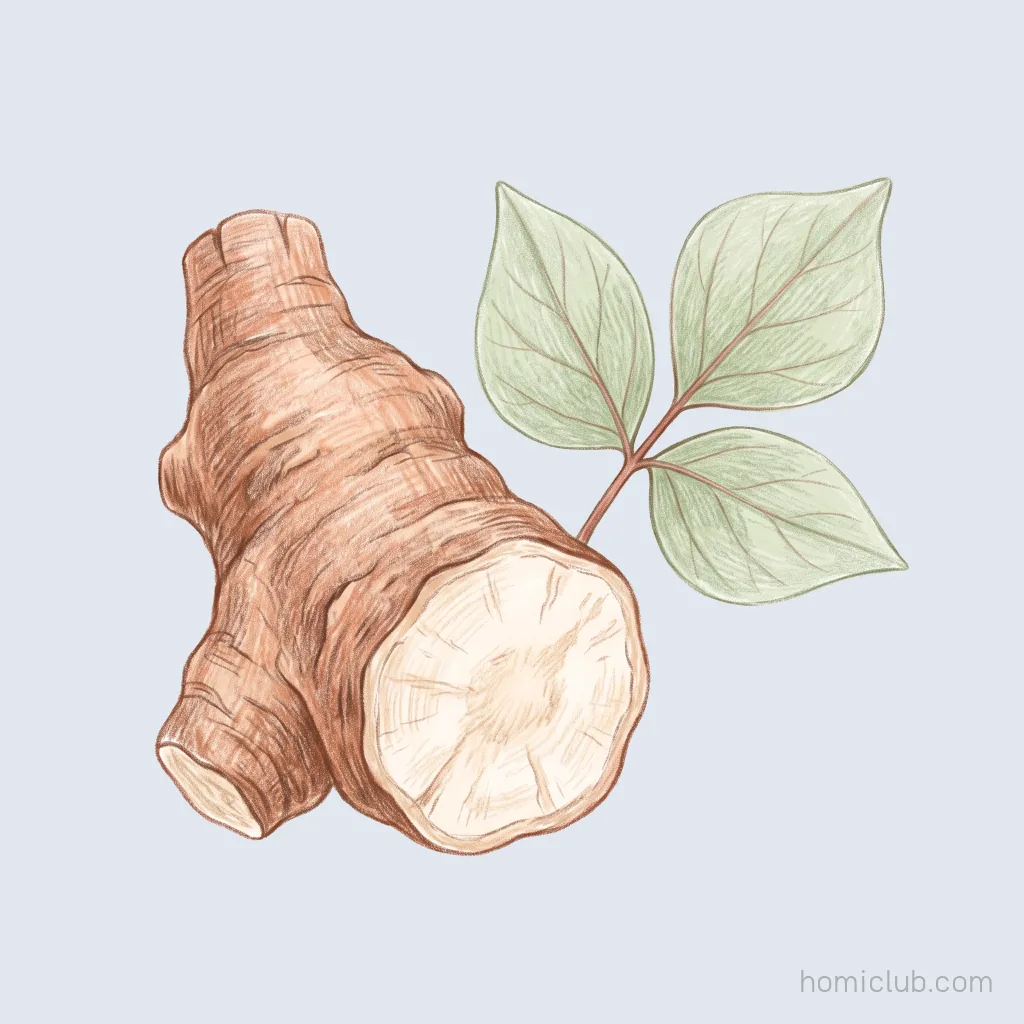
Galgeun is the root of kudzu, the vine that blankets Korean hillsides. It is still pressed for juice and tea, and the starch settled from the pounded root becomes galbun noodles. The flower appears in the Donguibogam as its own entry.
Original, read line by line 東醫寶鑑 · Tangaek — Decoctions vol. 3
-
性平一云冷, 味甘, 無毒. 主風寒頭痛.
Its nature is neutral, though one account calls it cold; its taste is sweet, and it is non-toxic. It chiefly addresses headache from wind-cold.
HomiclubGalgeun is the root of kudzu, a leguminous vine that blankets Korean hillsides. It is the same root behind kudzu juice, kudzu tea, and the starch noodles called galbun-guksu.
-
解肌發表, 出汗開腠理, 解酒毒, 止煩渴, 開胃下食.
It releases the flesh and effuses the exterior, brings out sweat and opens the juri (腠理, interstices), resolves liquor toxin, stops vexing thirst, and opens the stomach so food goes down.
-
治胸膈熱, 通小腸, 療金瘡.
It treats heat in the chest and diaphragm, frees the small intestine, and addresses metal wounds.
-
生山中, 處處有之. 五月五日採根, 暴乾. 以入土深者, 爲佳. 《本草》
It grows in the mountains and is found everywhere. Dig the root on the fifth day of the fifth month and dry it in the sun. Roots that run deep into the ground are counted the fine ones. 《Boncho (本草)》
HomiclubKudzu roots run thick and deep, sometimes as stout as a forearm. The text's preference for deep-running roots is the same judgment kudzu diggers make today.
-
一名鹿藿. 《本草》
It is also called nokgwak (鹿藿, deer bean). 《Boncho (本草)》
-
足陽明經行經的藥也. 通行足陽明之經, 生津止渴, 虛渴者, 非此不能除也.
It is a channel-coursing medicine for the foot yangmyeong. It moves through the foot yangmyeong channel, engenders fluids, and stops thirst; thirst from vacuity cannot be removed without it.
-
凡病酒及渴者, 得之甚良. 亦治溫瘧消渴. 《湯液》
For anyone ailing from liquor or suffering thirst, getting hold of it is very good. It also treats onhak (溫瘧, warm malaria) and wasting thirst. 《Tangaek (湯液)》
Related Crop
Kudzu →
Herbs — more entries
This is a cultural and historical record from a classical text, not a claim about any food’s effects. Nothing here is a health supplement or intended to prevent or treat disease. Consult a medical professional about health concerns. · Text: Korean Medicine Classics DB · Reading: Homiclub