Tangaek — Decoctions · Herbs
蠡實 Butgosyeoreum (붇곳여름)
Yeosil is the seed of a wild iris, also called marinja. The Dongui Bogam gives the old Korean name butgot-yeoreum, iris fruit, and describes purple-blue flowers in the third month and seed in the fifth. Its tough roots, the book adds, were dug up and bound into brushes.
Original, read line by line 東醫寶鑑 · Tangaek — Decoctions vol. 3
-
性平溫一云寒, 味甘, 無毒. 主胃熱, 止心煩, 利大小便.
Its nature is neutral and warm, though one account calls it cold; its taste is sweet, and it is non-toxic. It governs stomach heat, stills vexation in the chest, and frees the stool and urine.
HomiclubYeosil is the seed of the iris group, chiefly Iris lactea. Irises are common perennials of sunny Korean fields and grave mounds; the Korean name butkkot, brush flower, comes from the bud's likeness to the tip of a writing brush.
-
治婦人血暈, 幷崩中帶下, 消瘡癤腫毒, 消酒毒, 治黃病.
It treats hyeolhun (血暈, postpartum blood dizziness) in women, together with bungjung (崩中, flooding) and vaginal discharge; it disperses boils and swelling toxin, dissolves alcohol toxin, and treats hwangbyeong (黃病, jaundice disease).
-
此卽馬藺子也. 處處有之. 葉似薤而長厚. 三月開紫碧花, 五月結實.
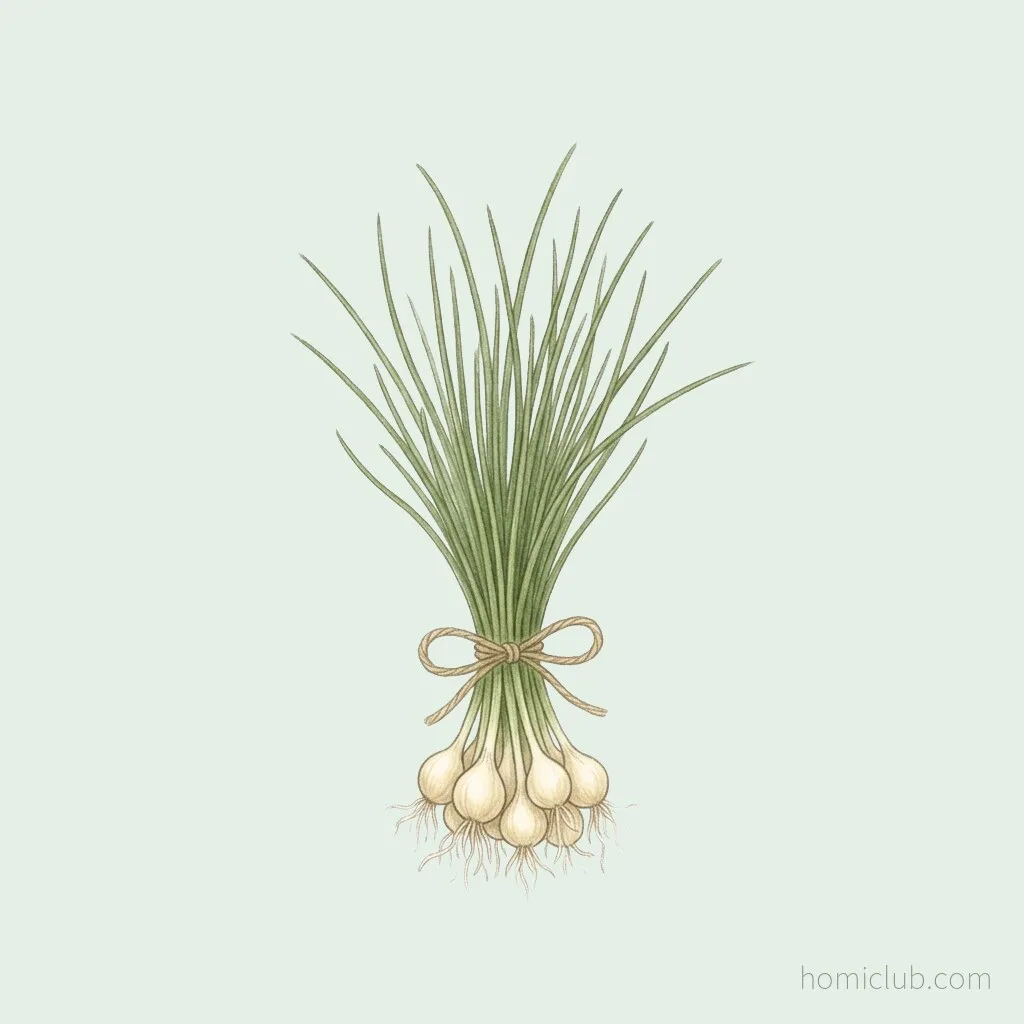
This is the same as marinja (馬藺子). It is found everywhere. Its leaves resemble those of the shallot but are longer and thicker. In the third month it opens purple-blue flowers, and in the fifth month it sets fruit.
HomiclubNarrow blade-like leaves standing upright and spreading in a fan are the readiest sign of the iris group. The ripe capsule splits into three valves, revealing angular seeds set in rows.
-
根細長, 通黃色, 人取以爲刷. 三月採花, 五月採實, 幷陰乾. 《本草》
The roots are slender and long and yellow throughout, and people dig them up to make brushes. Gather the flowers in the third month and the fruit in the fifth month, and dry both in the shade. 《Boncho (本草)》
-
今人以此治急喉痺, 及食牛馬肉發疔腫, 最妙. 《俗方》
People today use it for sudden geuphubi (急喉痺, acute throat blockage) and for jeongjong (疔腫, deep-rooted boils) arising after eating beef or horsemeat, and it works best of all. 《Sokbang (俗方)》
Herbs — more entries
This is a cultural and historical record from a classical text, not a claim about any food’s effects. Nothing here is a health supplement or intended to prevent or treat disease. Consult a medical professional about health concerns. · Text: Korean Medicine Classics DB · Reading: Homiclub