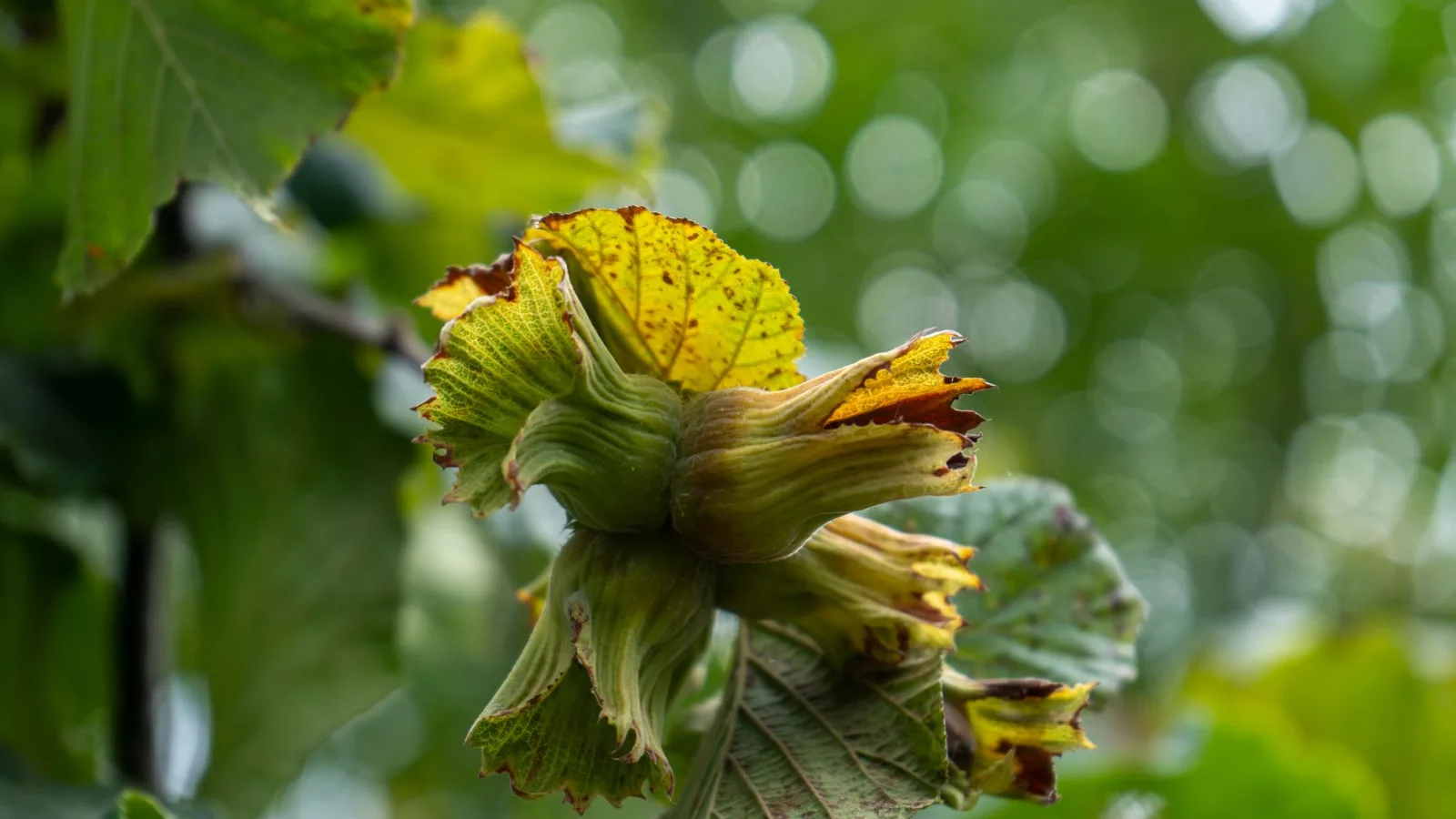
By late August, the leafy husks at the tips of hazel branches start to split open. Inside sits a nut or two, each in a brown shell. In the Northern Hemisphere the harvest runs from August into September, so if you have a hazel planted along the edge of the garden or beside a fence, now is the time to go look.
The Hazelnut in the Donguibogam
The Donguibogam, Korea's seventeenth-century medical compendium, lists the hazelnut in its fruit section (gwabu, 果部) under the name jinja (榛子). The entry says the tree grows commonly everywhere, and that the nuts are picked in the sixth or seventh lunar month, shelled, and eaten. Those lunar months fall roughly across July and August on today's calendar. It reads less like a long prescription for treating illness than a short note on when to gather and how to eat.
One thing is worth stating plainly. This is a record from an old medical text, and it is not the same thing as a modern medical judgment. Better not to read the original wording as a health claim for today. We've transcribed the heading and a plain reading of the original, line by line, in the Donguibogam hazelnut entry, if you're curious about the older terminology.
This is a tree that grew on its own along hillsides and the margins of fields. In Korea it lives on as the nut you picked up and cracked open on a mountain path; in Europe, the same group of trees has been cultivated for centuries under the name hazel.
What Today's Nutrition Panel Adds
Most of the fat in a hazelnut is oleic acid, a monounsaturated fat. Along with it comes vitamin E, a fat-soluble antioxidant. Protein sits in the middle of the range for nuts, and between the magnesium and the dietary fiber, a small amount keeps you full for a long while.
Researchers have looked at what happens to blood LDL cholesterol when nuts, hazelnuts among them, become a steady part of the diet. But the fine print matters: the effect showed up when nuts replaced other snacks, not when they were piled on top of what people were already eating. Read it at the level of prevention and support, and you'll have it about right.
Where the old record and the new one overlap is the method. Shelling them and eating them as they are is still what's recommended. Where they part ways is the amount. The old text says nothing about how much to eat in a day, but this is a fat-rich nut — portion out what you plan to eat before you start.
What to Eat Them With
- Coffee and cacao — The aroma of roasted hazelnuts stands up nicely to the bitterness of cacao and coffee. It's part of why hazelnut chocolate took such firm hold in Europe. At home, chop them coarsely and stir them into dark chocolate.
- Yogurt and salads — Chopped and scattered on top, they add texture and fat in one move. The fat-soluble vitamins in vegetables need fat to be absorbed. Chopping them ahead of time lets the aroma escape, so crush them right before you eat.
- Whole-grain bread — Worked into a whole wheat or rye dough, their toasty note layers over the grain. They get a second roasting in the oven, so there's no need to toast them first. Ten to fifteen percent of the dough's weight is about right.
The Month to Plant, the Month to Pick
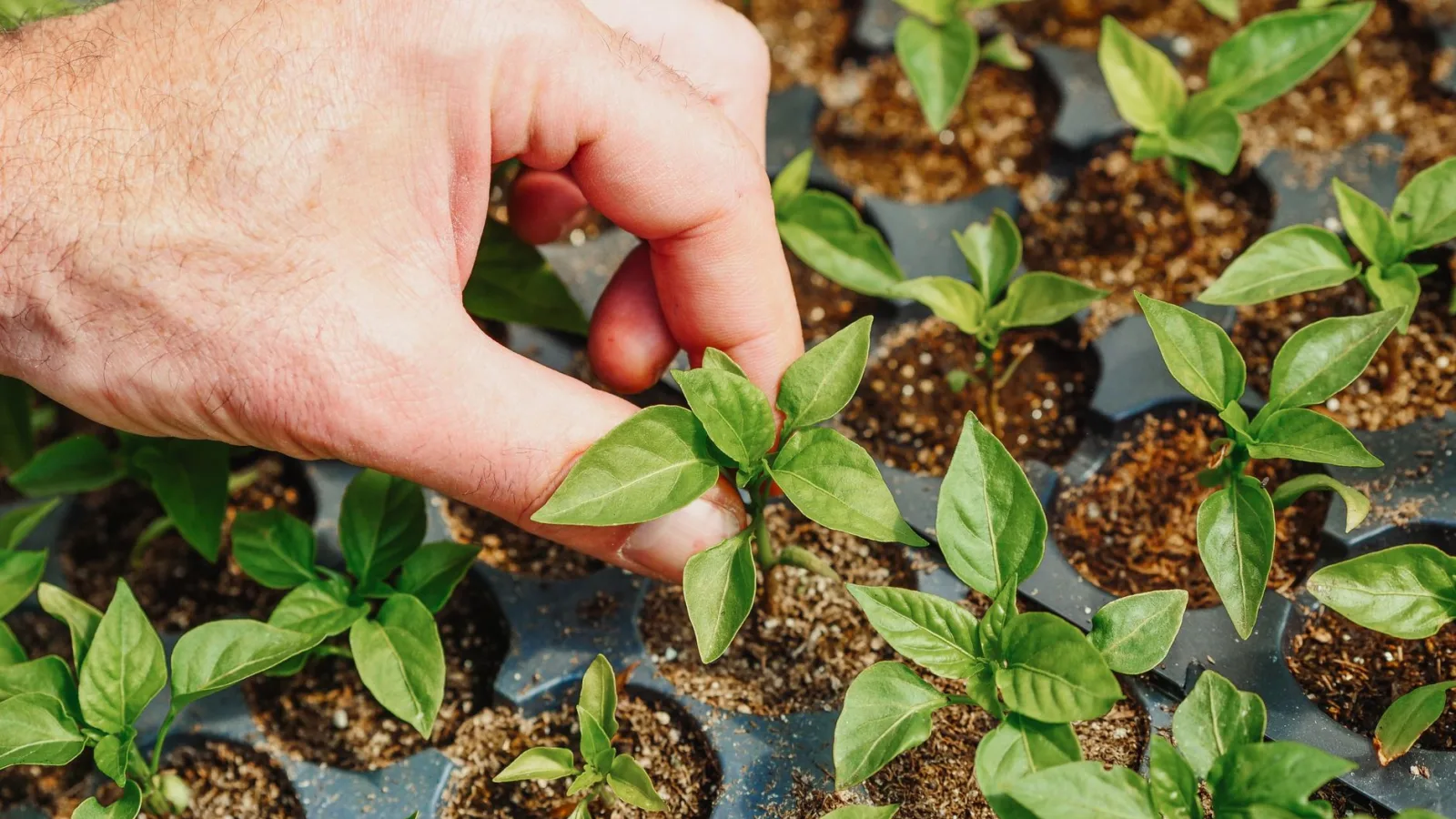
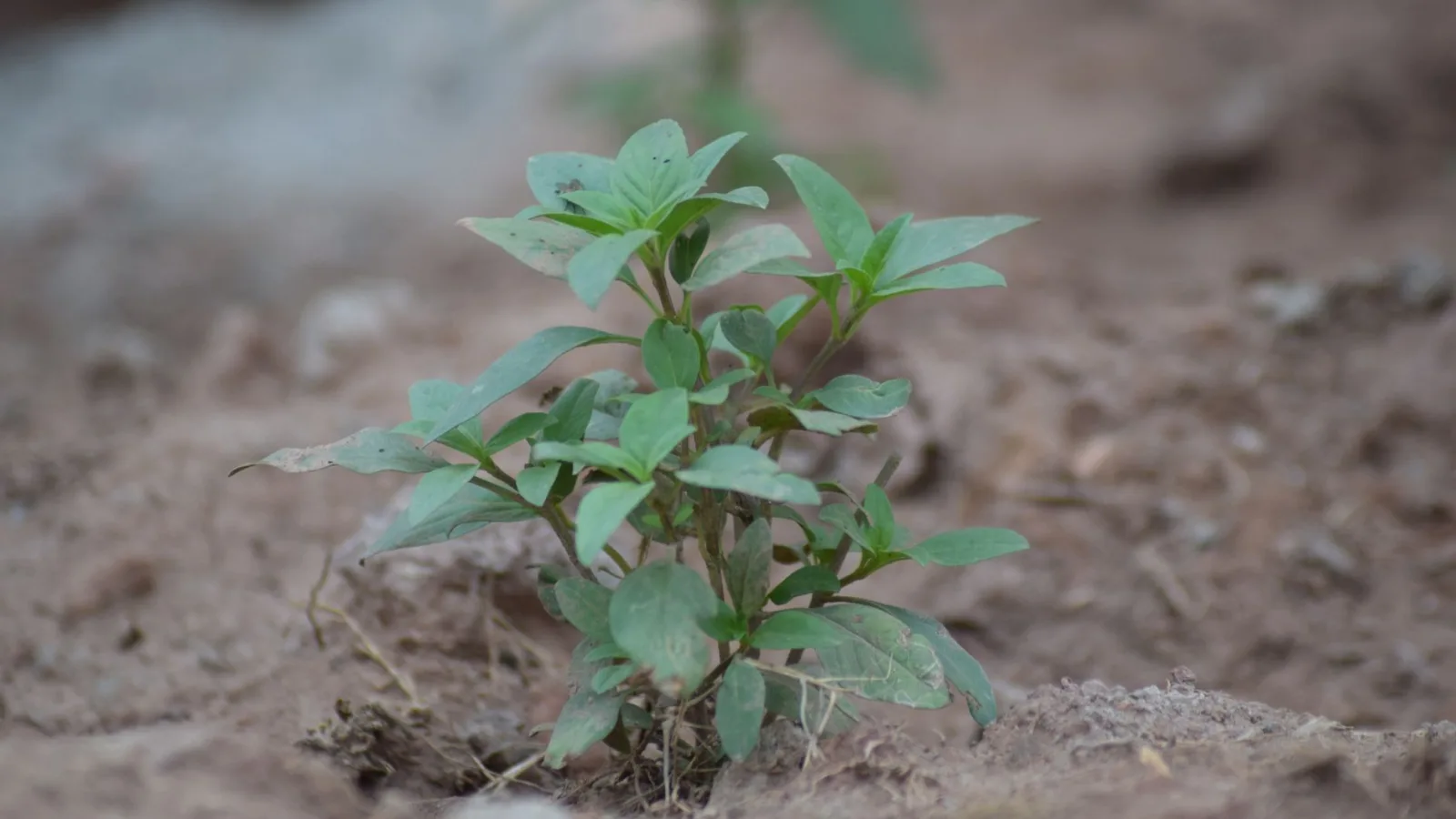
Hazels go into the ground in March or November in the Northern Hemisphere. Moving one in early spring before the leaves open, or in late fall after they've dropped, spares the roots. Because it's a tree that grows freely on hillsides and field edges, it isn't fussy about soil. Set it along the edge of the garden or by a fence rather than in the middle, and you'll have less to worry about with shade.
Harvest comes in August and September. When the outer husk turns brown and the nut slips free easily under your thumb, it's ready to pick. After picking, shell the nuts and dry them in the shade. Planting and harvest months, nutrition, and pairings are all gathered together in the hazelnut entry in our crop guide.
Today, chop a few roasted hazelnuts coarsely and set them aside in a small jar; tomorrow morning, spoon them over yogurt. And if you've had your eye on a hazel out on a hillside, it's worth writing November on the calendar and moving one home.