
- Type
- Grains
- Difficulty
- Easy
- Season
- Spring
- Sowing
- From seed
Corn (Sweet Corn)
Zea mays
Fiber and lutein in a hearty summer snack
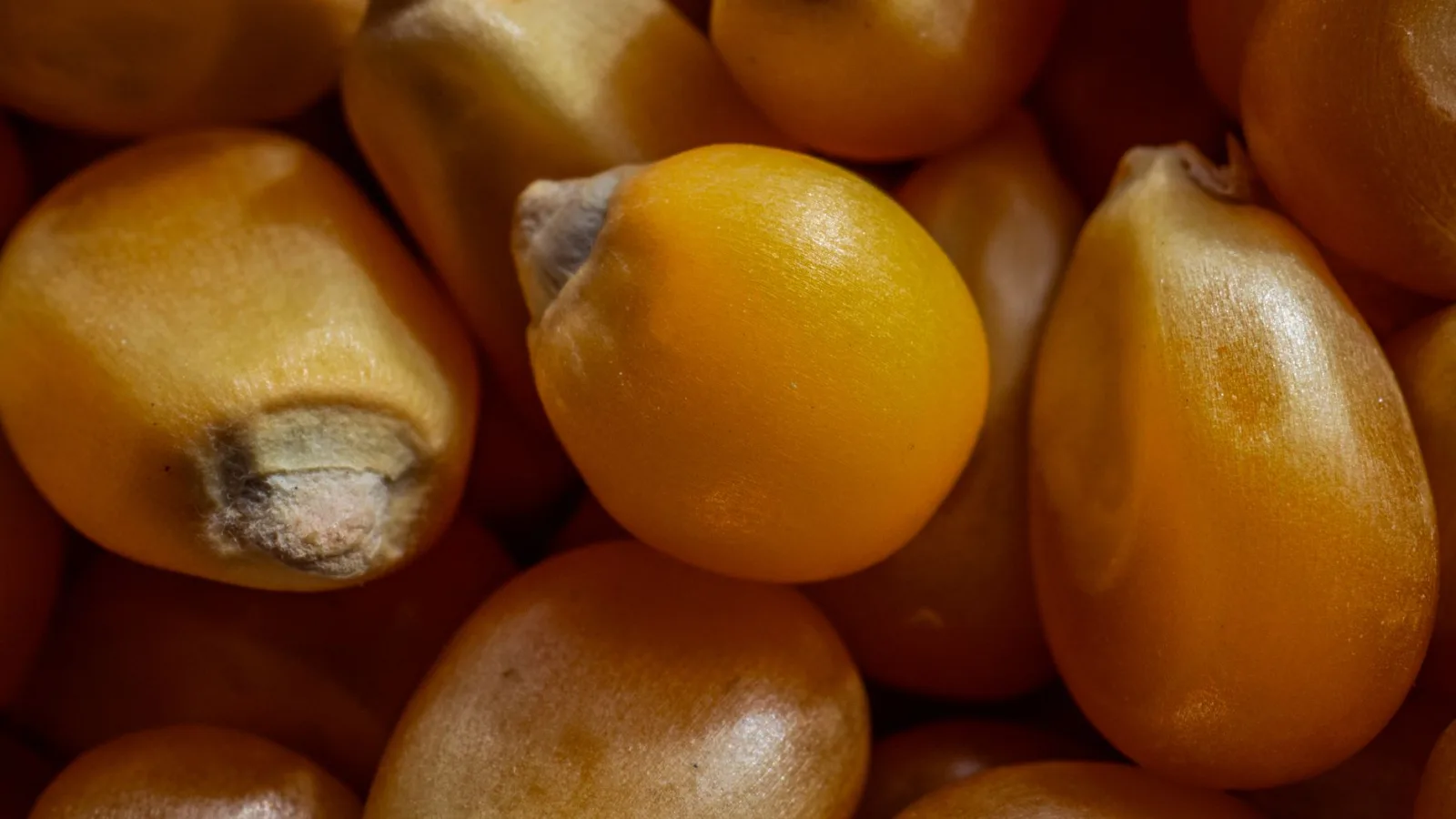
Corn is filling thanks to its dietary fiber, and its golden kernels carry the carotenoid pigments lutein and zeaxanthin. B vitamins are present as well. Freshly picked corn is at its sweetest, so it tastes best boiled the moment it comes off the stalk. Sow the seed in spring for a summer harvest; the plants grow tall.
Year-Round Calendar
- 1
- 2
- 3
- 4
- 5
- 6
- 7
- 8
- 9
- 10
- 11
- 12
- 4
- 5
- 7
- 8
- 9
Where It Grows
-
Main producer
Produces roughly a third of the world's corn. The heart of production is the Corn Belt south of the Great Lakes (Iowa, Illinois, Nebraska). Harvest September, October, November
- 9
- 10
- 11
-
Main producer
Production is centered on the Northeast China Plain and the North China Plain, making it the world's second-largest producer after the United States. Harvest September, October
- 9
- 10
-
Main producer
Produces two harvests a year: a summer crop, plus a second crop (the safrinha) planted after the soybeans come off — a form of double cropping. Being in the Southern Hemisphere, its harvest season runs opposite to the Northern Hemisphere's. Harvest February, March, June, July, August
- 2
- 3
- 6
- 7
- 8
-
Major producer
Grown on the wide fields of the Pampas, with a harvest that falls during Korea's spring. Harvest March, April, May, June
- 3
- 4
- 5
- 6
-
Major producer
Grown on the black-earth belt and shipped to Europe and North Africa. Harvest September, October
- 9
- 10
- Origin This is where cultivated corn was domesticated. Wild teosinte from the Balsas River valley in the southwest has been identified as its ancestor, and white-kerneled corn is still widely grown there for food.
Domesticated in southwestern Mexico, corn spread across the Americas and, from the 16th century onward, crossed over to Europe, Africa, and Asia; today it ranks alongside wheat and rice as one of the world's three major cereal crops. The production figures above are mostly grain maize (grown for feed and starch), while fresh corn such as the sweet corn and waxy corn covered in this guide is counted separately in the statistics, so the rankings don't line up exactly.
- Optimum
- 20~30℃
- Range
- 10~35℃
- Hardiness
- Not hardy
- Day length
- Short-day
It grows fast in warm spots with strong sunlight. Seeds won't sprout until the soil temperature passes 10℃, the plant grows best at daytime temperatures of 25–30℃, and a frost kills it outright. If temperatures climb above 35℃ around pollination, the ears fill in only patchily. Corn is naturally a short-day plant, setting ears as the days grow shorter, but varieties grown in temperate regions have been bred to be less sensitive to day length.
In Korea Nationwide
Planted in spring and picked in summer. The waxy corn of Hongcheon and Pyeongchang in Gangwon and of Goesan in North Chungcheong is well known, and in the southern regions growers cover the crop with tunnels to bring the harvest forward by about a month.
- 3
- 4
- 6
- 7
- 4
- 5
- 7
- 8
- 5
- 6
- 8
- 9
How to grow
- Light
- It wants a lot of sun
- Soil and depth
- 30cm deep or more
- Spacing
- 30cm
- Watering
- Plenty, especially as the silks appear
- Feeding
- Once when it reaches knee height, again when the silks show
- Harvest
- When the silks have browned and the kernels are full. Peel back a little to check
What makes the difference. Do not plant a single long row. Plant a block of several short rows. It is wind-pollinated, and it needs company to fill
Common problems
- Corn borer You will see Holes in stem and cob with sawdust-like frass What to do Cut out a stem once you see the hole
This page describes how a crop is grown and used. It does not claim health effects for any food, nor is it intended to prevent or treat disease. Component and study notes are references only and do not mean the same result occurs in people. Consult a medical professional about health concerns.
Health Benefits
Lutein and zeaxanthin. It is established that lutein and zeaxanthin accumulate in the macula of the retina, and corn is one of the few cereals to carry these pigments. That does not mean eating corn keeps any particular eye disease away.
Dietary fiber and resistant starch. Observations report that dietary fiber and resistant starch ferment in the colon to yield short-chain fatty acids. Most of that work covers whole-grain diets in general, so for corn on its own what can be said stops at composition.
Ferulic acid and potassium. Composition analyses confirm that ferulic acid is abundant in the outer layers of the kernel and that potassium is present alongside it. For what happens when a person eats corn, what can be said for now likewise stops at composition.
Corn silk (extract research). Most research on corn silk works with extracts, a different setting from a tea brewed from the silk itself. Corn silk tea (oksusu-suyeom-cha) has long been drunk in Korea, and what has been confirmed in people about drinking the tea has not been settled.
Pellagra caution (dietary balance). It is a historically well-established fact that relying on corn as a sole staple can lead to pellagra from a shortage of niacin (vitamin B3). Eating it as part of a varied diet is the safe course.
Nutrition
- Dietary fiber (Abundant) — Carbohydrate that passes through undigested
- Lutein and zeaxanthin (Yellow pigments) — Carotenoid-class pigments
- B vitamins (Present) — B1, B5 and folate among them
Carbohydrates (starch) Starch is the main component of corn. Any figure for it needs its basis checked first: the often-quoted 70-odd grams of carbohydrate per 100 g is measured on dried grain, so it does not carry over to the sweet corn steamed in summer. Freshly picked sweet corn holds far more water, which pulls the figure down sharply for the same weight.
Dietary fiber The fiber is mostly cellulose and hemicellulose, and corn sits among the richer cereals for it. That fiber is what gives the kernel skin its bite. Figures listed in cereal tables are generally measured on dried grain, a different basis from steamed sweet corn.
Protein Corn protein is low in the essential amino acids lysine and tryptophan. That is why pairing corn with legumes to round out the amino-acid balance has been a traditional practice in many regions.
Lutein & zeaxanthin Lutein and zeaxanthin, the pigments behind the color of yellow corn, are carotenoids that accumulate in the macula of the retina. Corn is one of the few cereals to carry them.
Ferulic acid The hull and waxy layer of the kernel are rich in ferulic acid, a phenolic acid. It appears often in antioxidant assays and is also used in the food and cosmetics industries to slow oxidation.
Vitamin B1, B5, folate, magnesium, phosphorus & potassium Vitamins B1 and B5 and folate are present along with minerals such as magnesium, phosphorus and potassium. Among cereals, corn carries an unusually even spread of micronutrients.
Corn silk Corn silk contains potassium, flavonoids and saponins. It is the part that has long been brewed as corn silk tea in Korea.
Pairings
○ Beans — Beans supply the lysine and tryptophan that corn lacks, so together they form a complete protein. Pairing beans with corn is a time-honored cornerstone of traditional Latin American and African diets. Soybean
○ Butter, cheese, and milk — Because corn's carotenoids are fat-soluble, eating them alongside the fat in dairy boosts absorption. Grilled corn, corn chowder, and corn-and-cheese gratin are classic examples.
○ Olive oil and avocado — The monounsaturated fats in olive oil and avocado aid the absorption of corn's carotenoids. In Mexican cooking, serving corn with avocado and olive oil has become a well-established pairing.
○ Chili and lime — Grilled corn dusted with chili powder and a squeeze of lime is the hallmark of the Mexican street food elote. The capsaicin and bright acidity give corn's sweetness a more layered, dimensional flavor. Chili Pepper (Gochu)
○ Corn silk tea — Brewing corn silk into a tea is a beloved traditional Korean beverage prized for its diuretic and urinary-tract benefits. Its potassium and flavonoids are often cited as the basis for helping ease swelling and support kidney health.
△ As a sole staple food — History offers a well-known warning here: relying on corn as your only staple can cause pellagra, a disease driven by niacin (vitamin B3) deficiency. The safe approach is to eat corn as part of a varied diet.
△ Kidney failure — Because people with kidney failure need to manage their potassium and phosphorus intake, it's safer to avoid eating large amounts of corn, which is rich in both. Work with your medical team to set a safe serving size.
△ Corn syrup — High-fructose corn syrup is a processed form widely linked to higher risks of obesity and fatty liver disease. Corn itself is a healthy ingredient — overconsumption of processed foods sweetened with corn syrup is a separate issue and should be treated as one.
Varieties
- Chal-oksusu (waxy corn) (Seed) — The most common type in Korean home gardens, with chewy kernels. The picking window is short, so harvest once the silks dry.
- Chodang-oksusu (supersweet corn) (Seed) — Sweet enough to eat raw. Keep it away from waxy corn, since cross-pollination dulls the sugar.
- Heukchal-oksusu (black waxy corn) (Seed) — A waxy type that ripens to dark purple kernels. Texture is similar, but it matures a little later.
- Popcorn corn (Seed) — Small, hard kernels that are left to dry fully on the plant, so it holds its bed longer than sweet types.
Source: Food and nutrition references
Stories about Corn (Sweet Corn)
Can Good Soil Carry Your Garden Through a Drought?
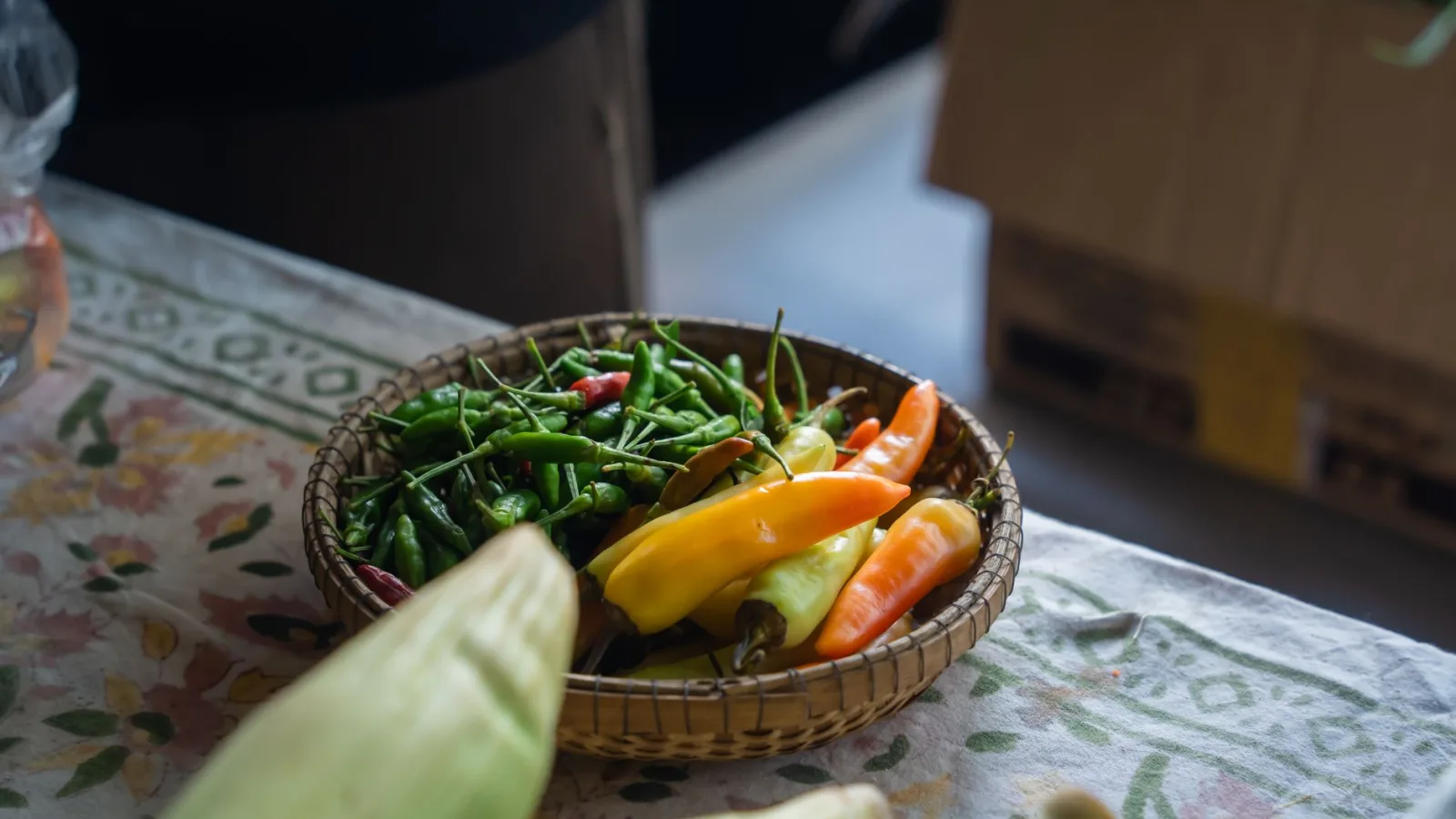
Soil rich in organic carbon produces bigger harvests in normal years, but research from Colorado State University found that the advantage disappears in severe drought. Here's why compost still matters, and what else to do when the rain doesn't come.
Take Away One Herbicide — What Does a Field Lose?
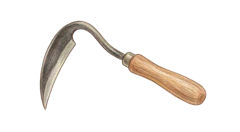
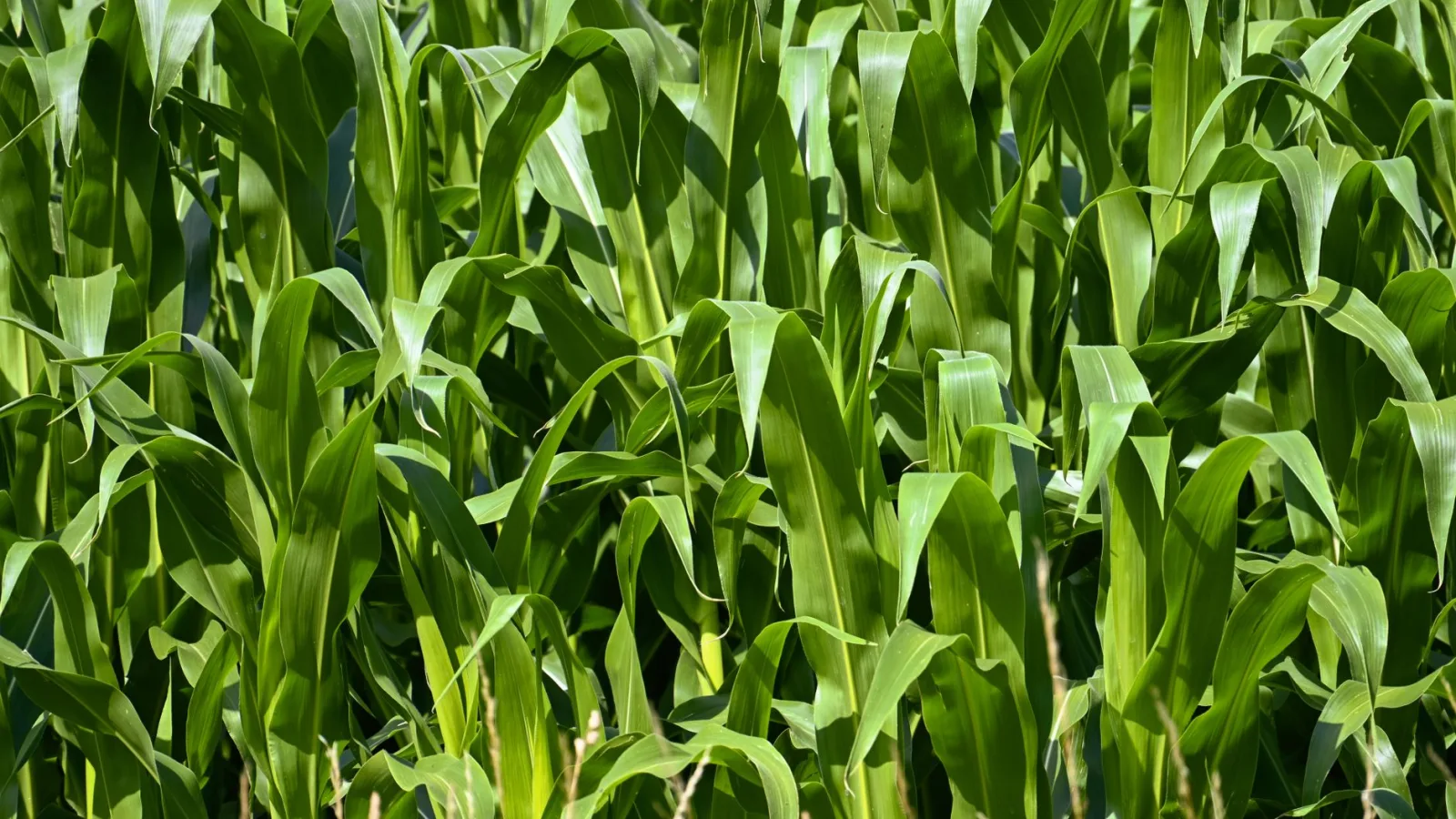
Illinois researchers put a dollar figure on banning a single herbicide: up to $609 million a year in lost income for corn and soybean farmers. Here's what that math says — and how to keep weeds down in a home garden with nothing but a hoe and a bale of straw.
Corn, Beans, and Squash: The Three Sisters Set the Table
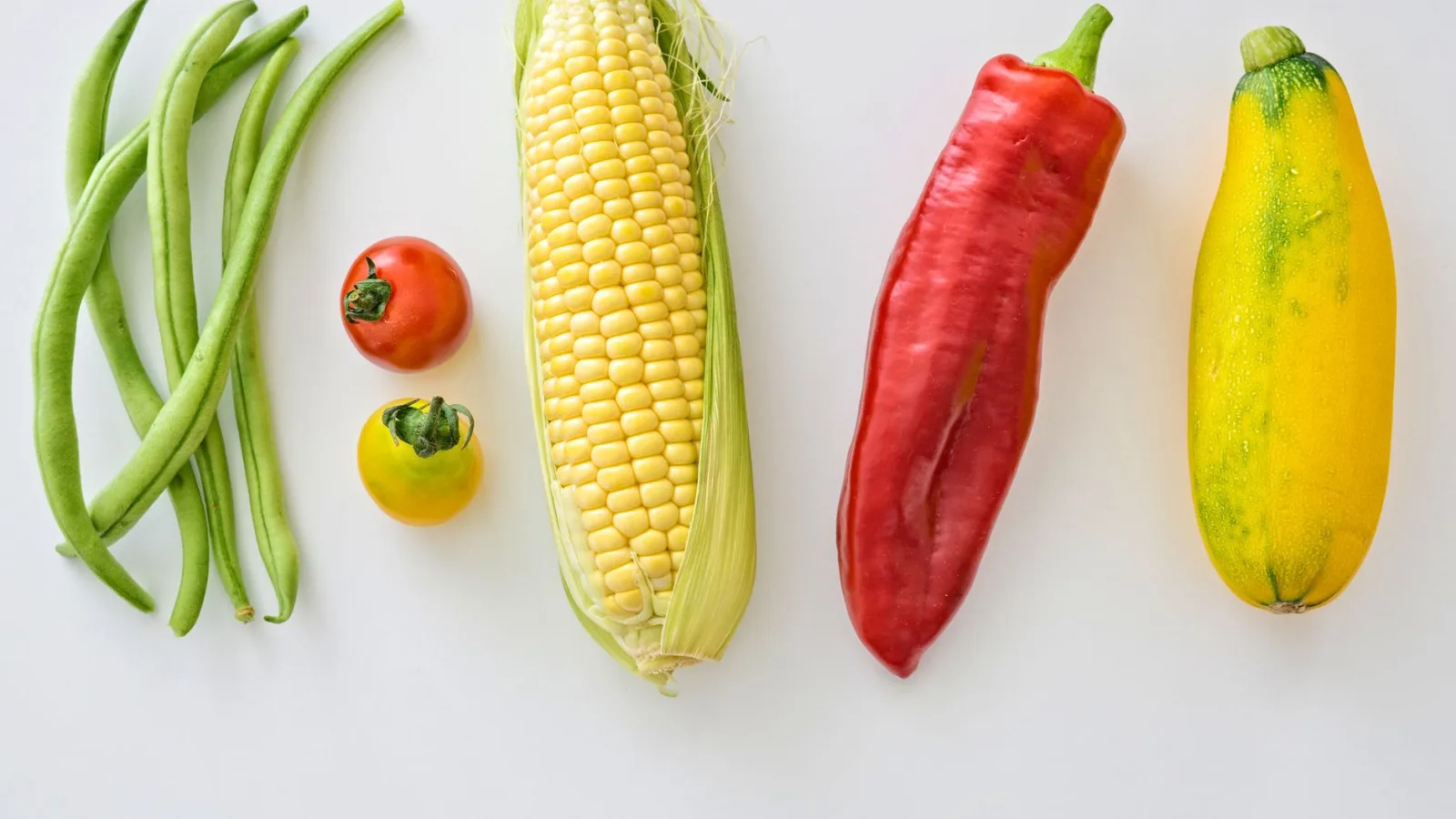
The milpa — corn, beans, and squash grown together in one bed — has fed Mexico and Central America for thousands of years, and the same trio grows in Korean home gardens. Research suggests the plant-forward meals it produces may help ease the inflammation, oxidative stress, and gut imbalances tied to obesity.
Finding the Genetic Switches Inside a Seed
Researchers in Germany trained an AI model on a small weed's genome — and it went on to predict gene-regulation sites in corn, a plant it had never seen. The finding could speed up how new crop varieties are bred and chosen.