Tangaek — Decoctions · Herbs
淫羊藿 Korean Epimedium
 Related Crop · Korean Epimedium →
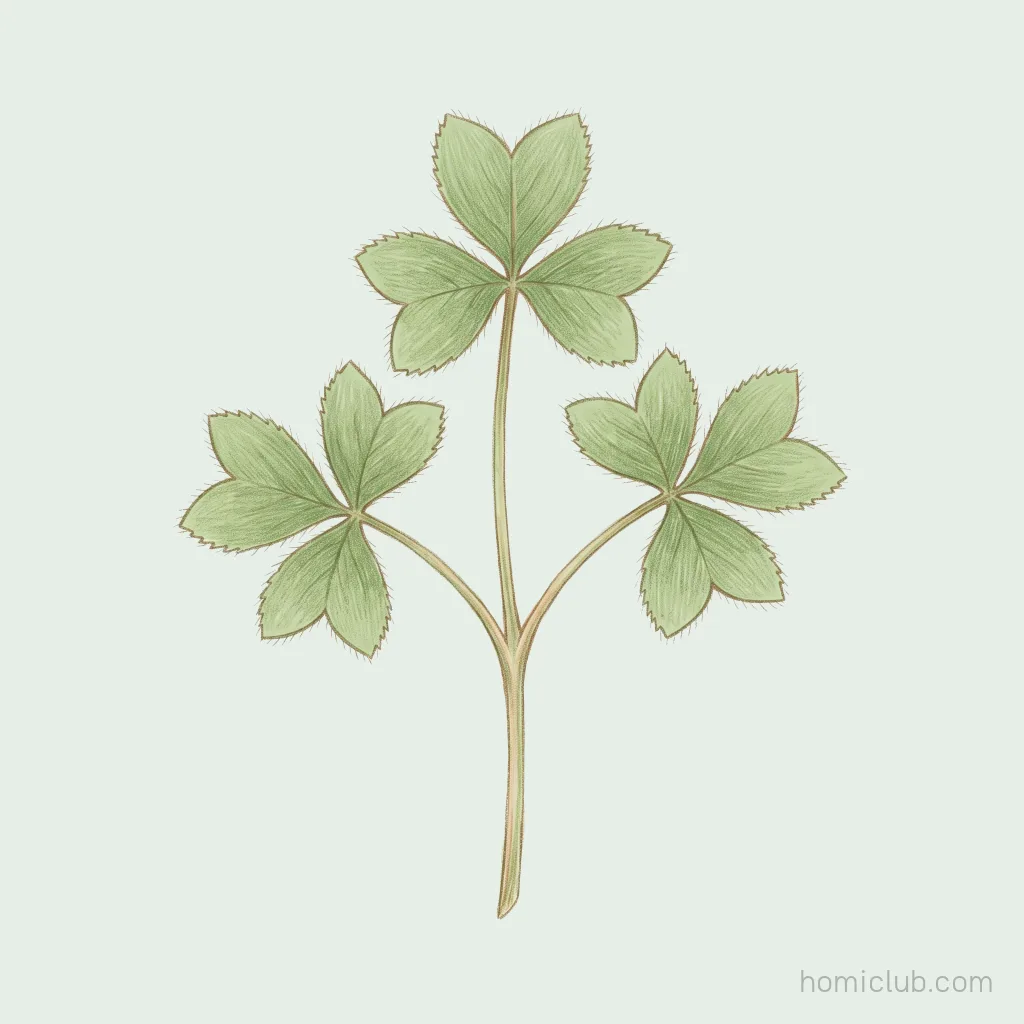
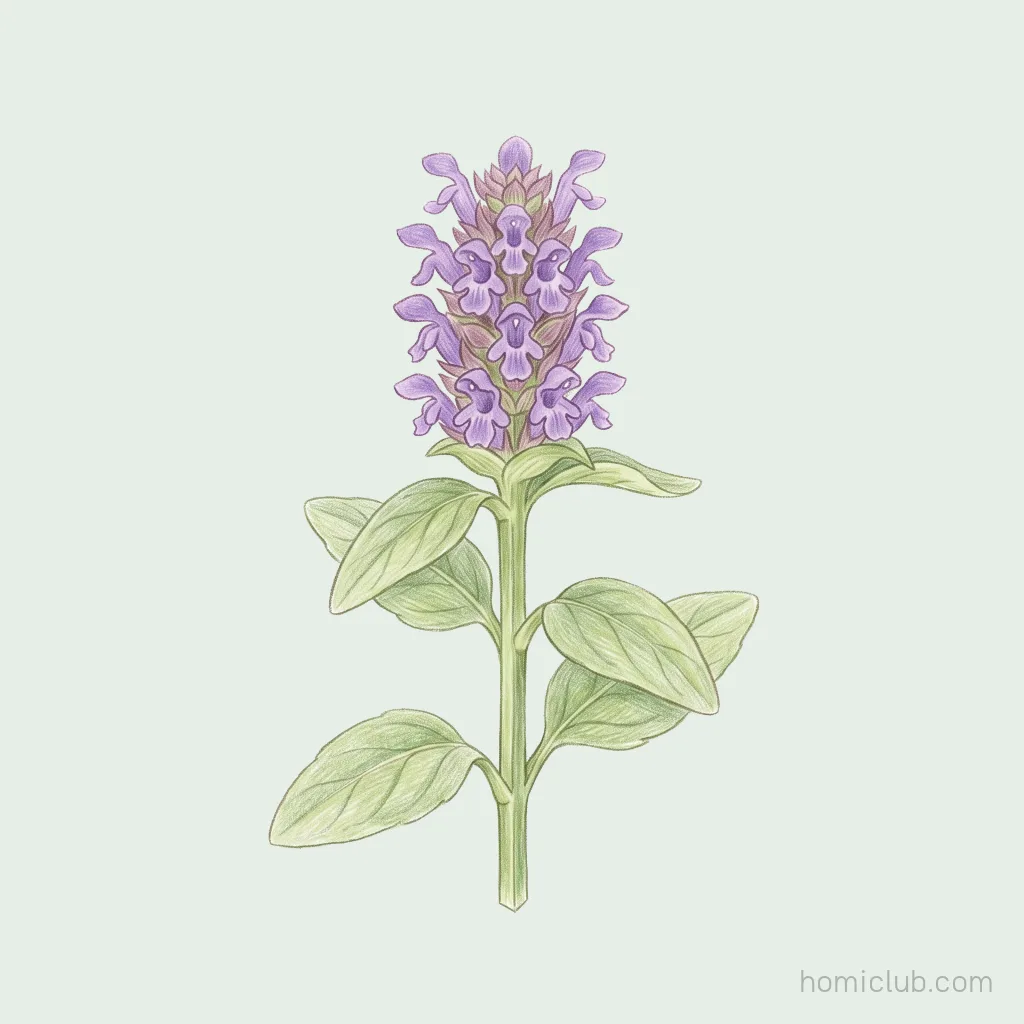
Eumyanggwak is the leaf and stem of Epimedium koreanum. Its Korean name, samjigueopcho, counts the plant out: three branching stems, three leaflets on each, nine leaves in all. The old text also called it seollyeongbi, and had the leaves picked on hillsides in the fifth month and sun-dried.
Original, read line by line 東醫寶鑑 · Tangaek — Decoctions vol. 3
-
性溫一云平, 味辛一云甘, 無毒.
Its nature is warm (one account says neutral), its taste pungent (one account says sweet), and it has no toxicity.
-
主一切冷風勞氣.
It governs every kind of cold-wind and taxation gi (vital energy).
-
補腰膝, 丈夫絶陽不起, 女人絶陰無子, 老人昏耄, 中年健忘.
It supplements the lower back and knees, and is used for a man whose yang is cut off so that it does not rise, a woman whose eum (yin) is cut off so that she bears no child, the clouded mind of the aged, and forgetfulness in middle age.
-
治陰痿, 莖中痛, 益氣力, 堅筋骨, 丈夫久服令有子.
It treats yin wilting and pain within the stalk, boosts strength of gi, firms the sinews and bones, and when a man takes it long it brings him children.
-
消瘰癧, 下部有瘡, 洗出蟲.
It disperses scrofula (narok), and where sores appear on the lower body it is washed on to draw out worms.
-
一名仙靈脾, 俗號爲三枝九葉草, 生山野.
One name for it is seonryeongbi (仙靈脾); commonly it is called samjiguyeopcho (三枝九葉草, three-branch nine-leaf herb), and it grows in hills and fields.
HomiclubOne stalk divides into three branches, each carrying three leaflets — nine leaves in all — which is exactly what the name samjiguyeopcho describes.
-
葉似杏, 葉上有子, 莖如粟稈.
Its leaves resemble apricot leaves, seeds sit upon the leaves, and the stem is like a millet straw.
-
五月採葉曬乾, 生處不聞水聲者, 良.
In the fifth month the leaves are picked and dried in the sun; those grown where the sound of water is not heard are good.
-
又云, 得酒良.
It is also said that it is good when combined with liquor.
-
服此令人好爲陰陽.
Taking this makes a person fond of the affairs of eum and yang.
-
羊一日百遍合, 盖食此草所致, 故名淫羊藿.
A ram couples a hundred times in a day, and this is generally brought about by eating this herb; hence the name eumyanggwak (淫羊藿).
HomiclubThe character gwak (藿) denotes a broad leaf like a bean leaf; the plant's name comes straight out of this anecdote.
-
酒洗細剉焙用. 《本草》
Wash it with liquor, cut it fine, and dry it over heat before use. 《Boncho》
Related Crop
Korean Epimedium →
Herbs — more entries
This is a cultural and historical record from a classical text, not a claim about any food’s effects. Nothing here is a health supplement or intended to prevent or treat disease. Consult a medical professional about health concerns. · Text: Korean Medicine Classics DB · Reading: Homiclub