Tangaek — Decoctions · Herbs
穀精草 Gowitga (고윗가)
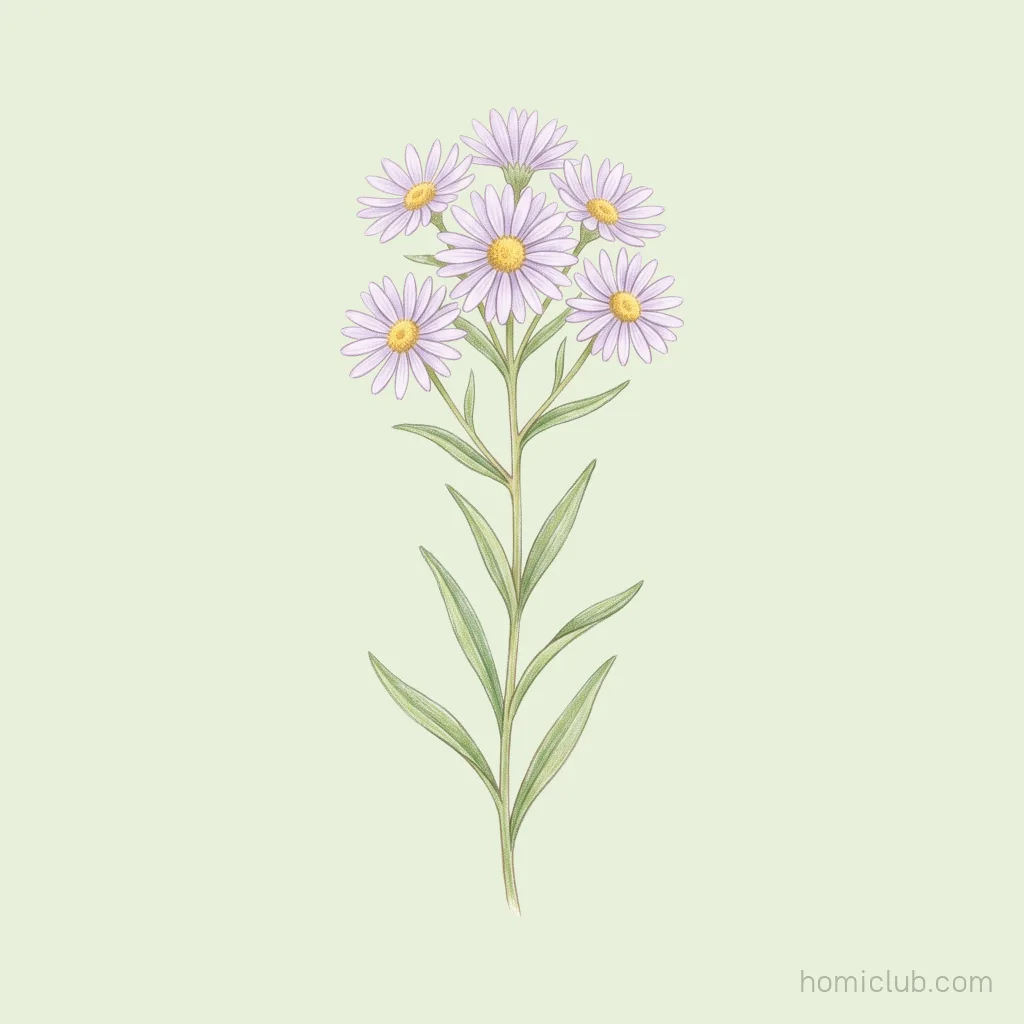
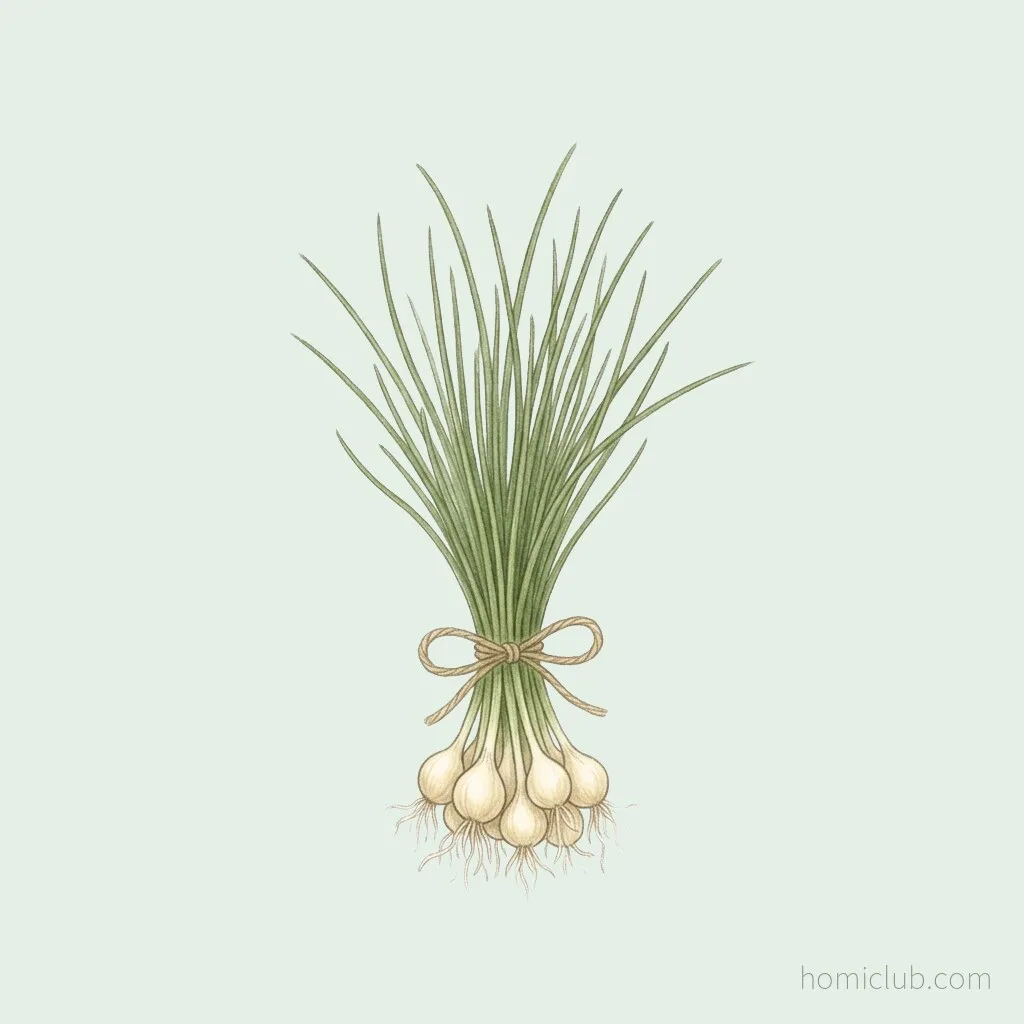
Gokjeongcho is a small annual of paddies and damp fields, known in Korean today as byeolsuyeompul. Button-like white flower heads sit on the tips of thin stalks. The Dongui Bogam gives the old Korean name gowitga and says it is gathered from grain fields in the second and third months.
Original, read line by line 東醫寶鑑 · Tangaek — Decoctions vol. 3
-
性溫, 味辛, 無毒.
Its nature is warm, its taste pungent, and it has no toxicity.
-
主眼病, 喉痺, 齒風痛, 及諸瘡疥.
It chiefly governs eye disease, hubi (throat blockage), toothache from wind, and all sores and scabies.
-
處處有之.
It is found everywhere.
-
二三月穀田中採之. 《本草》
It is gathered in the second and third months from the middle of grain fields. 《Boncho (Materia Medica)》
HomiclubGokjeongcho is a small plant that springs up on the floor of paddies after the rice is taken in. Each slender stalk carries a single white, button-like flower head, and the name itself comes from its growing in grain fields.
Herbs — more entries
This is a cultural and historical record from a classical text, not a claim about any food’s effects. Nothing here is a health supplement or intended to prevent or treat disease. Consult a medical professional about health concerns. · Text: Korean Medicine Classics DB · Reading: Homiclub