Tangaek — Decoctions · Herbs
紫草 Purple gromwell
 Related Crop · Purple gromwell →
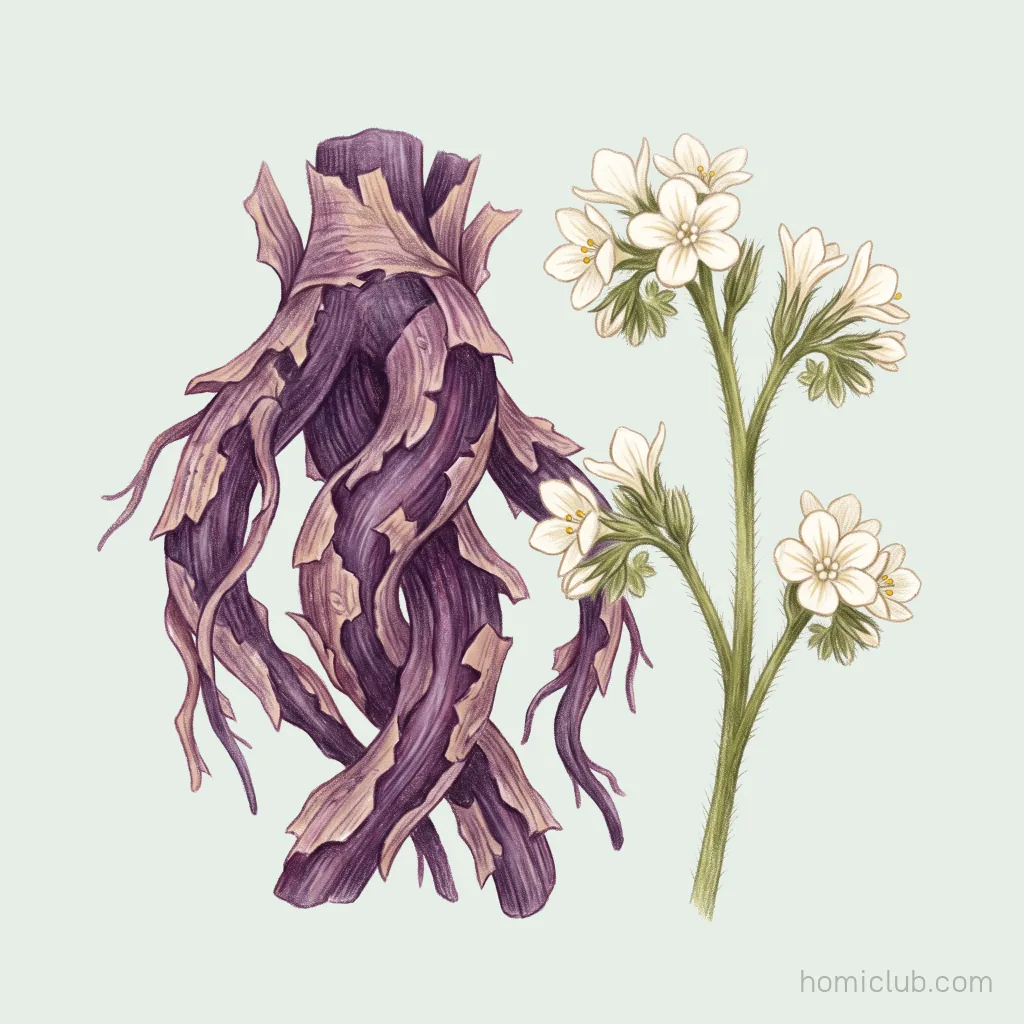
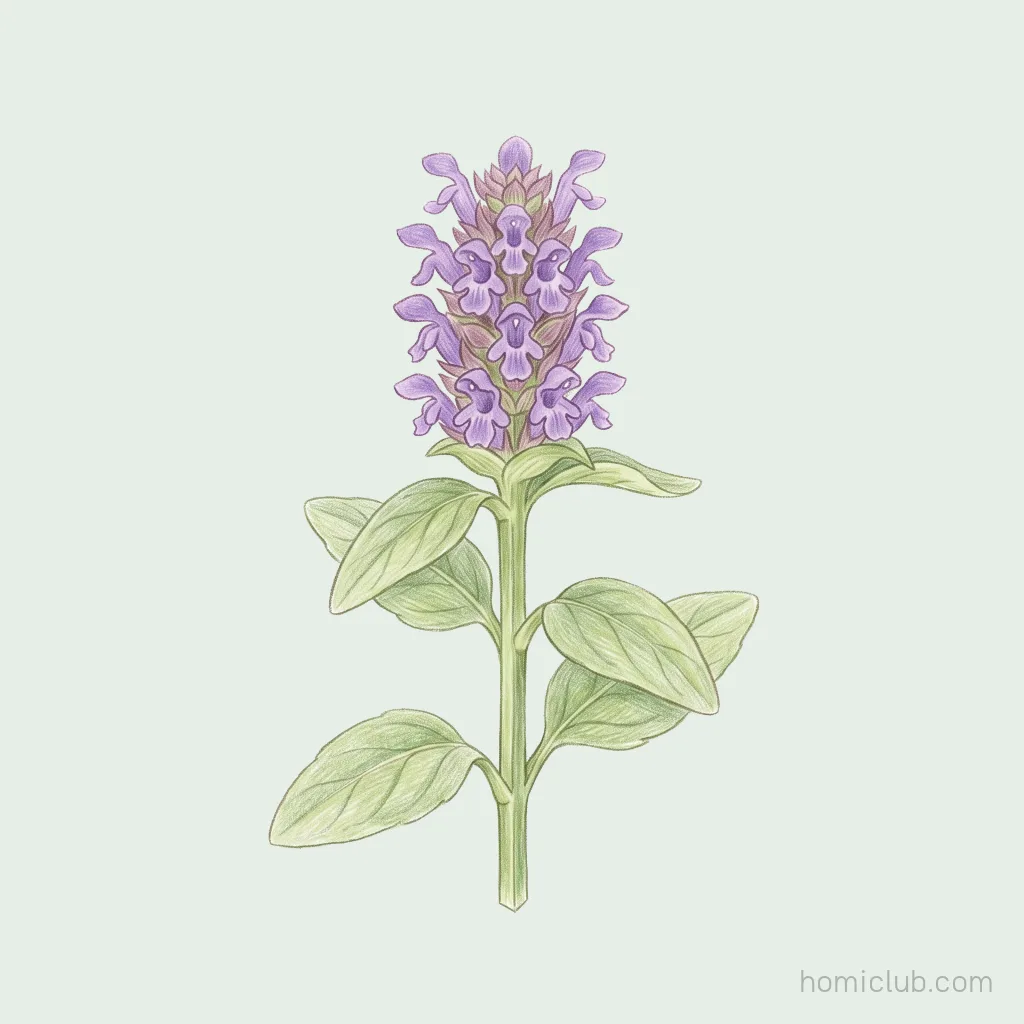
Jacho is the root of gromwell, which stains the hands purple as it is pulled. It was long the dye that gave cloth its purple, and it still serves as a natural colorant in cosmetics. The Donguibogam says it grows through hills and fields and is dug in the third month and dried in shade.
Original, read line by line 東醫寶鑑 · Tangaek — Decoctions vol. 3
-
性寒一云平, 味苦一云甘, 無毒.
Its nature is cold (some say neutral), its taste bitter (some say sweet), and it is without toxicity.
-
主五疸.
It governs the five kinds of jaundice.
-
通水道, 腹腫脹滿.
It opens the waterways and addresses swelling and distending fullness of the abdomen.
-
療惡瘡, 瘑癬, 面皶, 及小兒痘瘡.
It treats malignant sores, gwaseon (ringworm-like sores), facial pimples, and duchang (smallpox) in children.
-
生山野, 處處有之.
It grows in mountains and fields and is found everywhere.
HomiclubJichi is a perennial with a thick, straight taproot driving deep into the soil; it grows on sunny grassy mountain slopes.
-
卽今染紫紫草也.
It is the jacho used nowadays to dye purple.
HomiclubDigging the root stains the hands purple. It has long served as a natural purple dye and is still used in traditional dyeing.
-
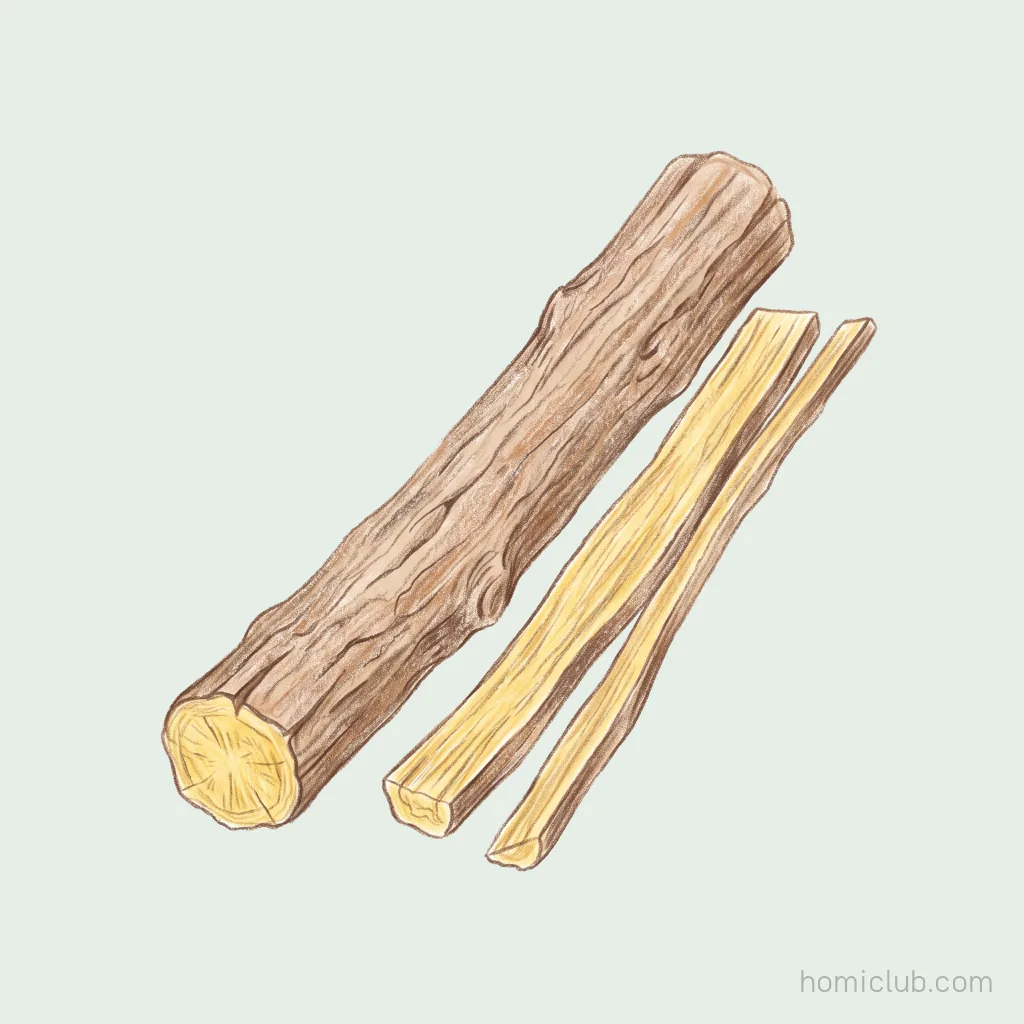
三月採根, 陰乾, 酒洗用. 《本草》
In the third month the root is dug, dried in the shade, washed with liquor, and used. 《Boncho (Materia Medica)》
-
痘瘡, 須用茸. 《湯液》
For duchang (smallpox) the young shoots must be used. 《Tangaek》
Related Crop
Purple gromwell →
Herbs — more entries
This is a cultural and historical record from a classical text, not a claim about any food’s effects. Nothing here is a health supplement or intended to prevent or treat disease. Consult a medical professional about health concerns. · Text: Korean Medicine Classics DB · Reading: Homiclub