Tangaek — Decoctions · Herbs
艾葉 Mugwort
 Related Crop · Mugwort →
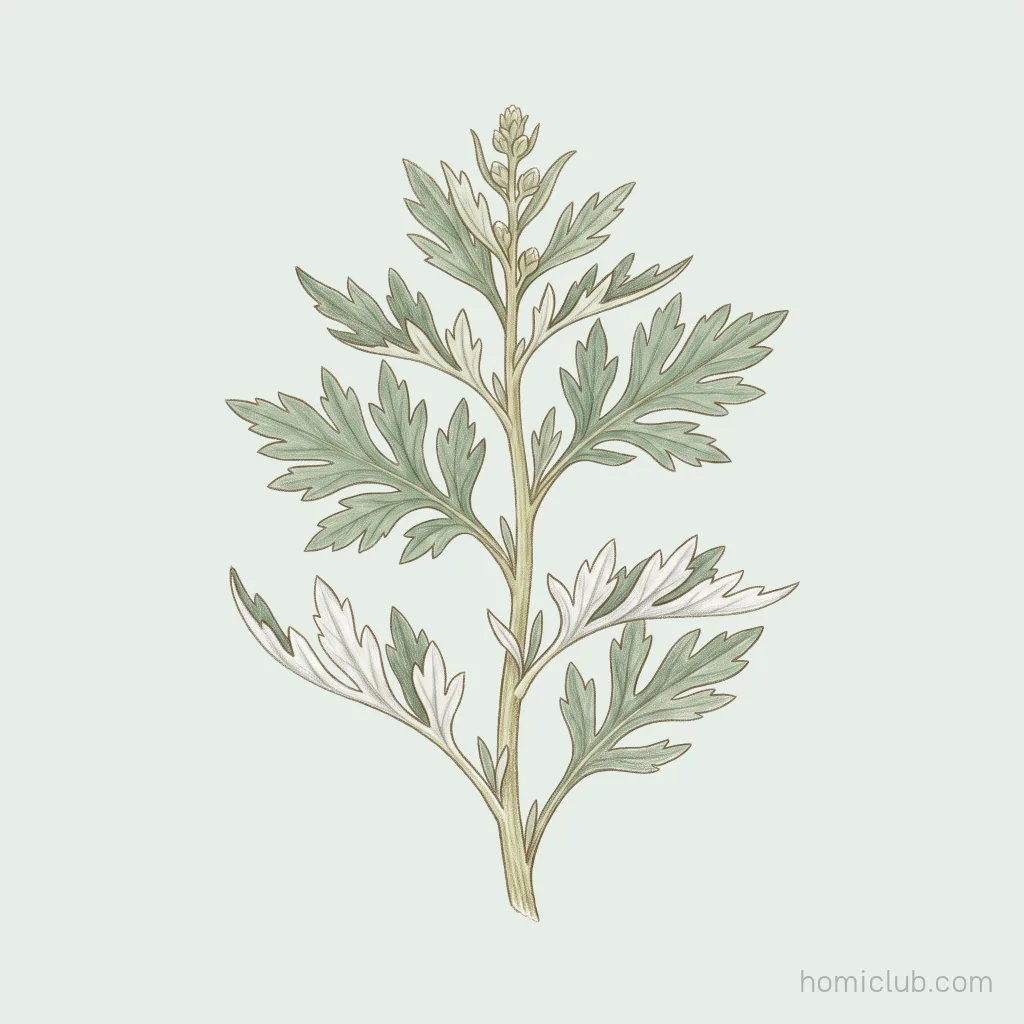
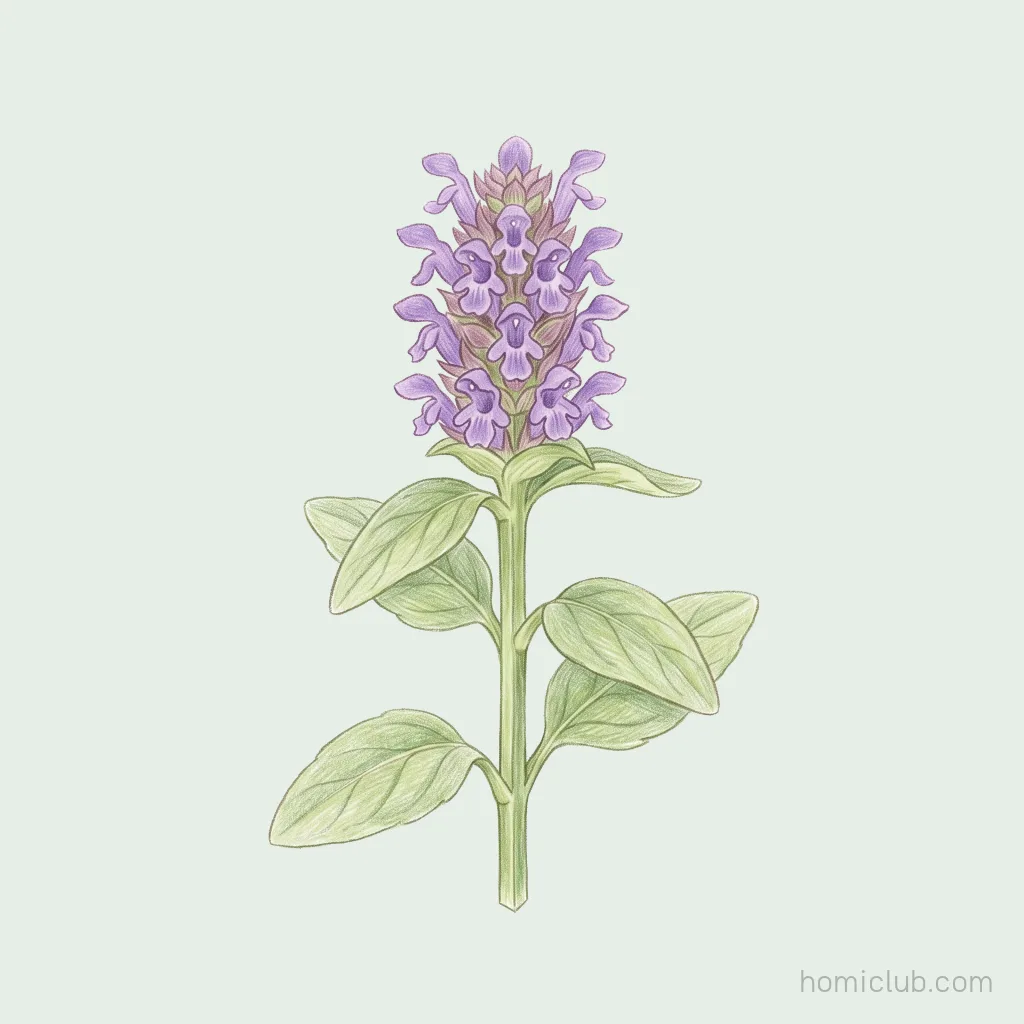
Aeyeop is the leaf of mugwort, the same mugwort in the crop guide. Also called bingdae or uicho, it grows everywhere; leaves were picked on the third and fifth lunar festival days, sun-dried, and aged before use. Today it turns up in mugwort soup and rice cakes, and as the fluffy moxa rolled from dried leaves.
Original, read line by line 東醫寶鑑 · Tangaek — Decoctions vol. 3
-
性溫一云熱, 味苦, 無毒. 主久百病, 主婦人崩漏. 安胎, 止腹痛, 止赤白痢, 五藏痔, 瀉血, 療下部䘌, 生肌肉, 辟風寒, 令人有子.
Its nature is warm, though one account calls it hot; its taste is bitter, and it is non-toxic. It governs chronic diseases of every kind and governs bungnu (崩漏, flooding and spotting) in women. It settles the foetus, stops abdominal pain, checks red and white dysentery, haemorrhoids of the ojang (五藏, five viscera), and the pouring out of blood; it treats nik (䘌, eroding sores) of the lower body, grows new flesh, wards off wind and cold, and enables one to conceive.
HomiclubAeyeop is the leaf of mugwort, a composite-family perennial abundant in Korean fields and roadsides. The underside of the leaf is covered in white hairs so that it looks silvery, and the spring leaves are gathered for ssukguk soup and ssuktteok rice cakes.
-
一名氷臺, 一名醫草. 處處有之. 以覆道者爲佳. 三月三日, 五月五日採葉, 暴乾. 經陳久者, 方可用. 其性生寒熟熱. 《本草》
It is also called bingdae (氷臺) and uicho (醫草, healing herb). It is found everywhere; those spreading over a path are reckoned the best. Pick the leaves on the third day of the third month and the fifth day of the fifth month and dry them in the sun. Only leaves long stored may be used. Its nature is cold when raw and hot when prepared. 《Boncho (本草)》
HomiclubGathering mugwort on Samjinnal and Dano remains a living seasonal custom in Korea. The instruction to use long-stored leaves matches the practice of selecting leaves aged several years when making moxa.
-
端午日, 日未出時不語採者, 佳. 搗篩去靑滓, 取白, 入硫黃少許, 作炷灸之. 《入門》
Those picked in silence before sunrise on Dano day are the best. Pound and sift them, discard the green residue, take the white fibre, add a little sulphur, and form it into a cone for moxibustion. 《Immun (入門)》
HomiclubThe white fibre left after pounding and sifting is moxa wool, made only from the white hairs on the leaf's underside. Moxa is still produced the same way today.
-
得米粉少許, 可搗爲末, 入服食藥. 《本草》
With a little rice flour it can be pounded into a powder and put into medicines that are taken by mouth. 《Boncho (本草)》
Related Crop
Mugwort →
Reading on Mugwort
Herbs — more entries
This is a cultural and historical record from a classical text, not a claim about any food’s effects. Nothing here is a health supplement or intended to prevent or treat disease. Consult a medical professional about health concerns. · Text: Korean Medicine Classics DB · Reading: Homiclub