Tangaek — Decoctions · Herbs
草蒿 Sweet wormwood
 Related Crop · Sweet wormwood →
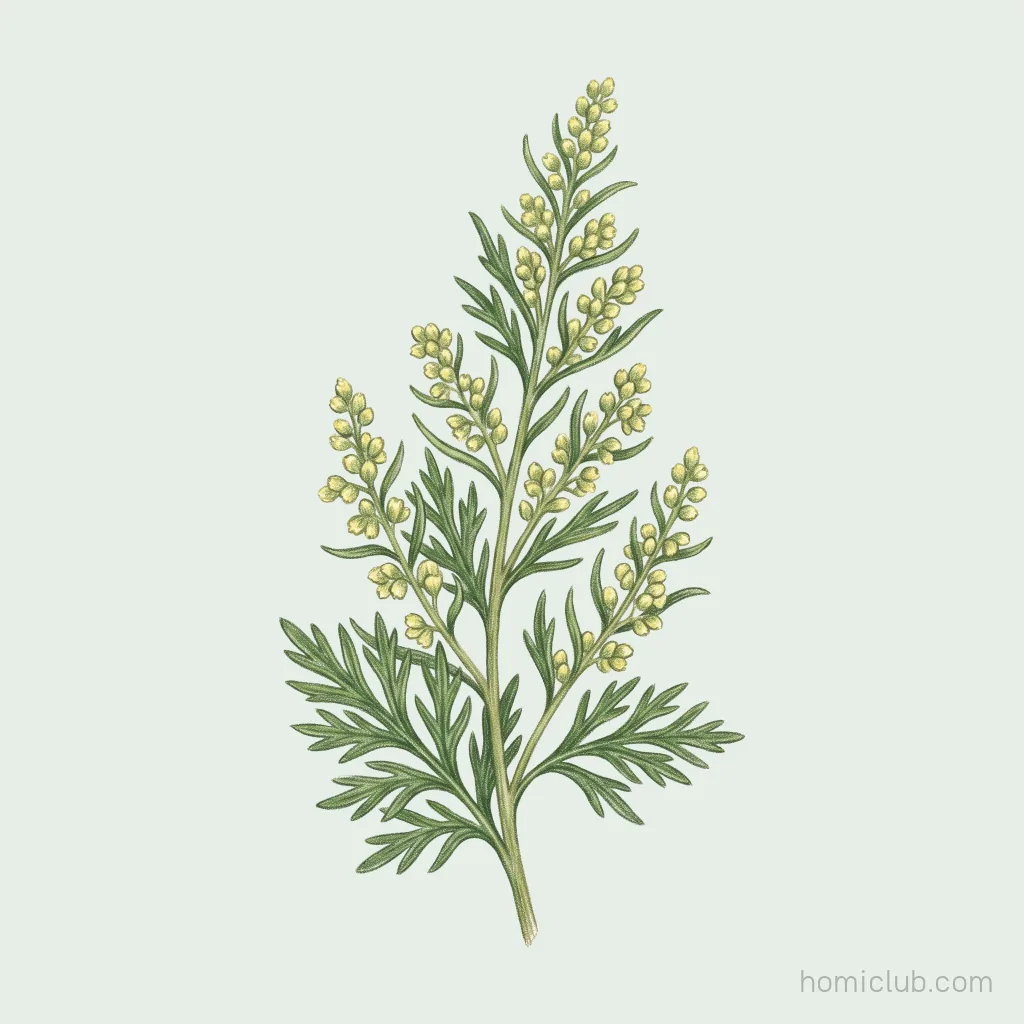
Choho is an annual in the mugwort group, which the text identifies as cheongho (靑蒿); it is widely taken today to be sweet wormwood. It greens earliest in spring, and specimens of a deeper blue-green with a stronger scent were rated the better ones.
Original, read line by line 東醫寶鑑 · Tangaek — Decoctions vol. 3
-
治勞, 止盜汗.
It treats taxation and stops night sweating (dohan).
-
除留熱在骨節間, 明目, 補中益氣, 駐顔色, 去蒜髮, 療熱黃及邪氣鬼毒.
It removes heat lodged between the bone joints, brightens the eyes, supplements the centre and boosts gi, keeps the colour in the face, removes sanbal (蒜髮, hair going grey), and treats heat jaundice together with evil gi and ghost toxin.
-
處處有之, 卽今靑蒿也.
It is found everywhere, and it is what is now called cheongho (靑蒿).
HomiclubAmong the wormwoods, the one whose foliage is markedly deep green was called cheongho. Its Korean name is jebissuk.
-
得春最早.
It receives the spring earliest of all.
-
莖葉與常蒿一同, 但此蒿色深靑, 故氣芬芳, 以深靑者爲勝.
Stem and leaf are the same as in ordinary wormwood, only this one is deep green in colour and therefore fragrant, and the deep green ones are reckoned superior.
HomiclubRubbed between the fingers, the leaf gives off a scent noticeably sharper than that of other wormwoods.
-
童便浸七日, 曬乾用. 《本草》
Soak it in dongbyeon (童便, boys' urine) for seven days, then sun-dry it before use. 《Boncho》
Related Crop
Sweet wormwood →
Herbs — more entries
This is a cultural and historical record from a classical text, not a claim about any food’s effects. Nothing here is a health supplement or intended to prevent or treat disease. Consult a medical professional about health concerns. · Text: Korean Medicine Classics DB · Reading: Homiclub