If you've ever stood in your spring garden counting lettuce seedlings, you know the problem. Crowd too many into a row and the leaves jostle each other and grow leggy. Space them too far apart and the soil you worked so hard to prepare just sits empty. How much to plant, and where, is a question gardeners have asked for as long as there have been gardens. Now researchers in the United States are trying to answer it with data. This is the story of a research team at the University of Missouri.
What AI Does in the Field
The researchers found that even small changes in how crops are planted can bring bigger harvests from the same amount of land. Here's how it works. AI gathers data in one place: the soil's makeup and moisture, that season's temperatures and rainfall, and the spacing between seeds. Satellite images of the field and readings from sensors set in the ground go in as well. It compares far more numbers than anyone could weigh by eye, then calculates how much to plant in each spot for a better harvest.
Farmers used to decide how much to plant from long experience and gut feeling. That instinct isn't wrong, but it's the kind of sharp eye you only develop after working the same field for decades. AI looks at records from many fields at once and turns that hard-won instinct into numbers.
Rethinking Plant Spacing
The same seeds can give very different harvests depending on how far apart they're planted. Too close, and roots and leaves fight for space until all the plants end up spindly. Too far apart, and water and nutrients drain out of the bare soil before roots can reach them. What caught the researchers' attention was that soil fertility varies from spot to spot, even within a single field. So instead of using one spacing for the whole field, they proposed changing how densely to plant from place to place.
- Plant a little closer together where the soil is rich.
- Leave more room where the ground is dry or gets less sun.
- Note which rows did well this year and plant them the same way next year.
Water and Fertilizer, Spot by Spot
This spot-by-spot approach doesn't stop at spacing. Photos and sensor data can also show ahead of time which areas need more water and which plants are likely to show disease first. Fertilizer works the same way. Instead of spreading it evenly over the whole field, you add extra only where the soil needs it. Less goes to waste, and less runs off into the soil and nearby streams. Making good use of every patch of ground is good for your budget and for the land.
Try It in Your Own Garden
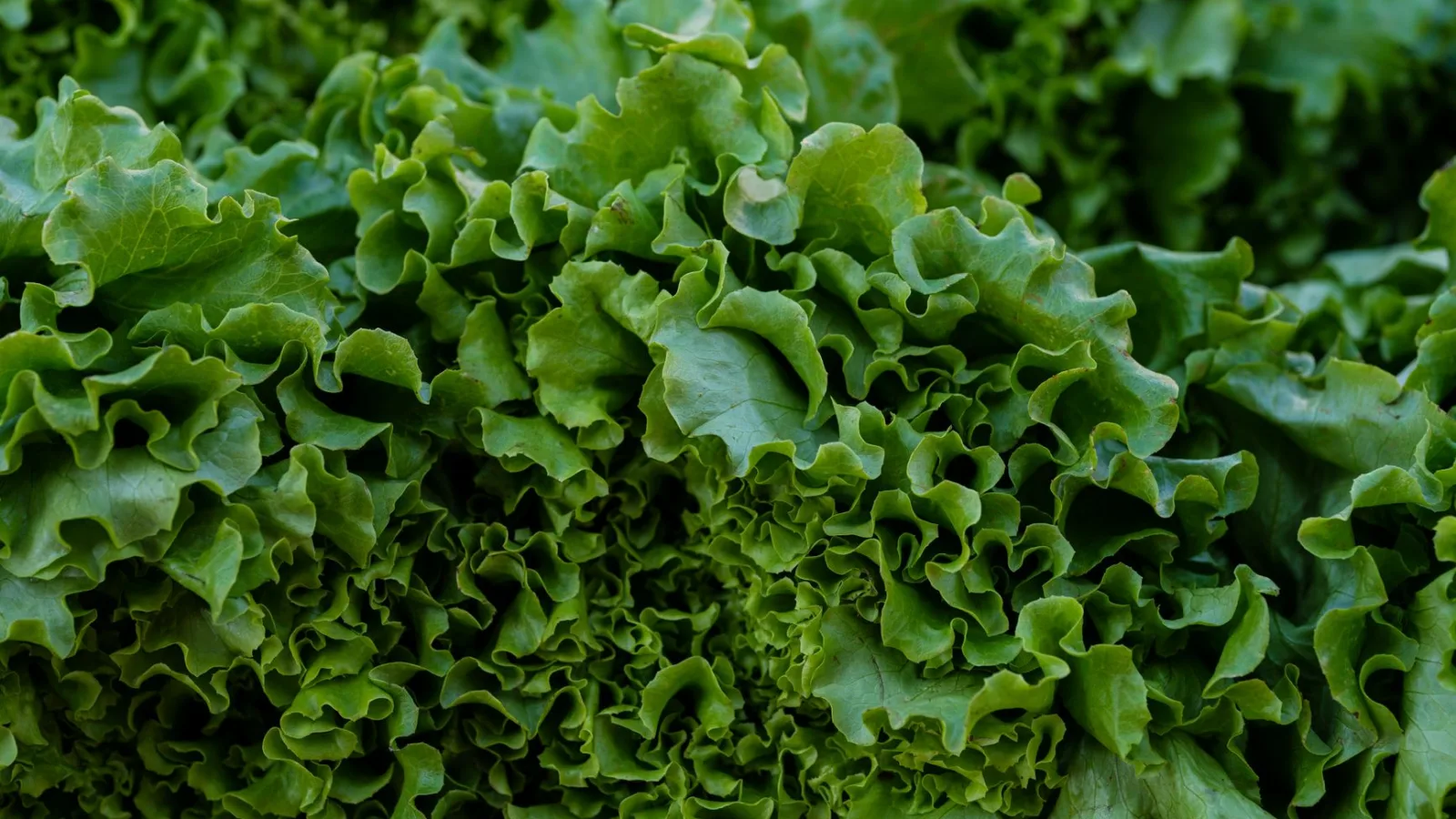
This research came from large farms, but the idea works just as well in a small backyard plot. Start by dividing your garden into sunny and shady areas. In the sunny spots, plant lettuce or crown daisy (a leafy edible chrysanthemum popular in Korean cooking) a little closer together. In the shady spots, give the plants more room. Don't water every part of the bed the same way, either. Notice where the soil dries out first and give those spots more. If you jot down which rows grew best each year, those few lines will help a lot the following spring. That is also what AI does in the field: it reads and compares records collected over time.
This spring, keep a small notebook and write down your planting dates, your spacing, and where the sun falls. Those notes will change next year's garden.