Columns
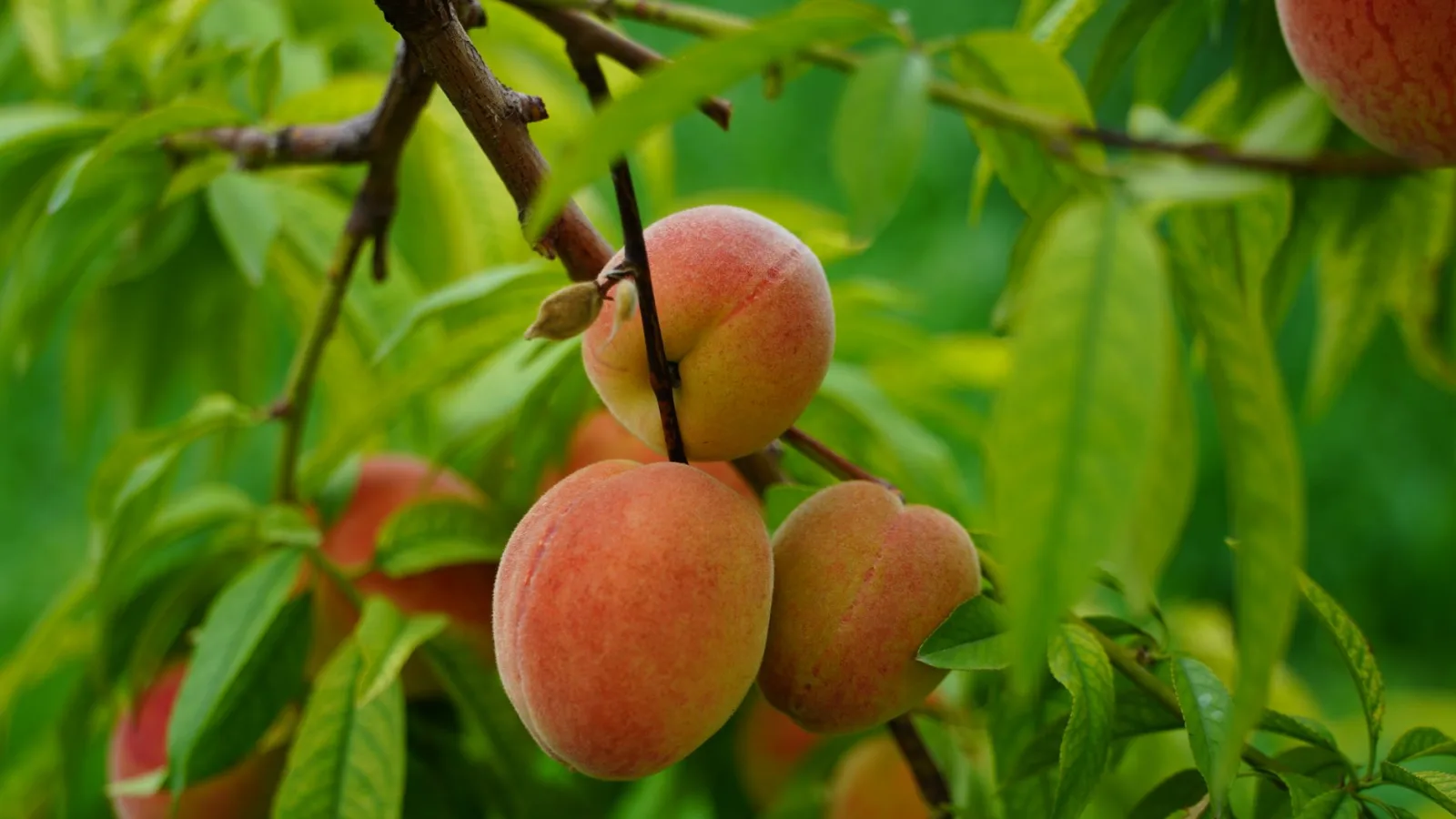
Growing Peach Trees and Handling the Pits: Leave the Kernel Uncracked
Peach trees need winter cold, dry summers, and well-drained soil to bear fruit. Here's how to grow them from saplings and when to harvest, and why you should throw the pits away without cracking them.
Can Good Soil Carry Your Garden Through a Drought?
Soil rich in organic carbon produces bigger harvests in normal years, but research from Colorado State University found that the advantage disappears in severe drought. Here's why compost still matters, and what else to do when the rain doesn't come.
AI Comes to Farming, Right Down to Your Garden Bed
Researchers at the University of Missouri are using AI to work out how densely to plant each part of a field, so the same land produces more. The same idea works in a backyard garden, too.

The Village That Mapped What Its River Gave
In South Africa's Kat River catchment, 54 residents mapped what their river gives them and traced how those gifts have dwindled since around 2000. Their story shows how a gardener's everyday notes can become a valuable environmental record.
Why Don't We Wipe Our Pruners, Even When We Know Better?
Most of us know we should disinfect our garden tools, and most of us still don't. A review of livestock-farm biosecurity studies suggests more rules won't fix that, but making the right habit easy to reach will.
Don't Toss the Duckweed Covering Your Rain Barrel
The duckweed that carpets a rain barrel after summer storms pulls nutrients, heavy metals, and pesticides out of the water. Here's how to put it to work in your garden, and why it should only go into compost or chicken feed if it grew in clean water.
Growing a Cinnamon Tree in a Pot
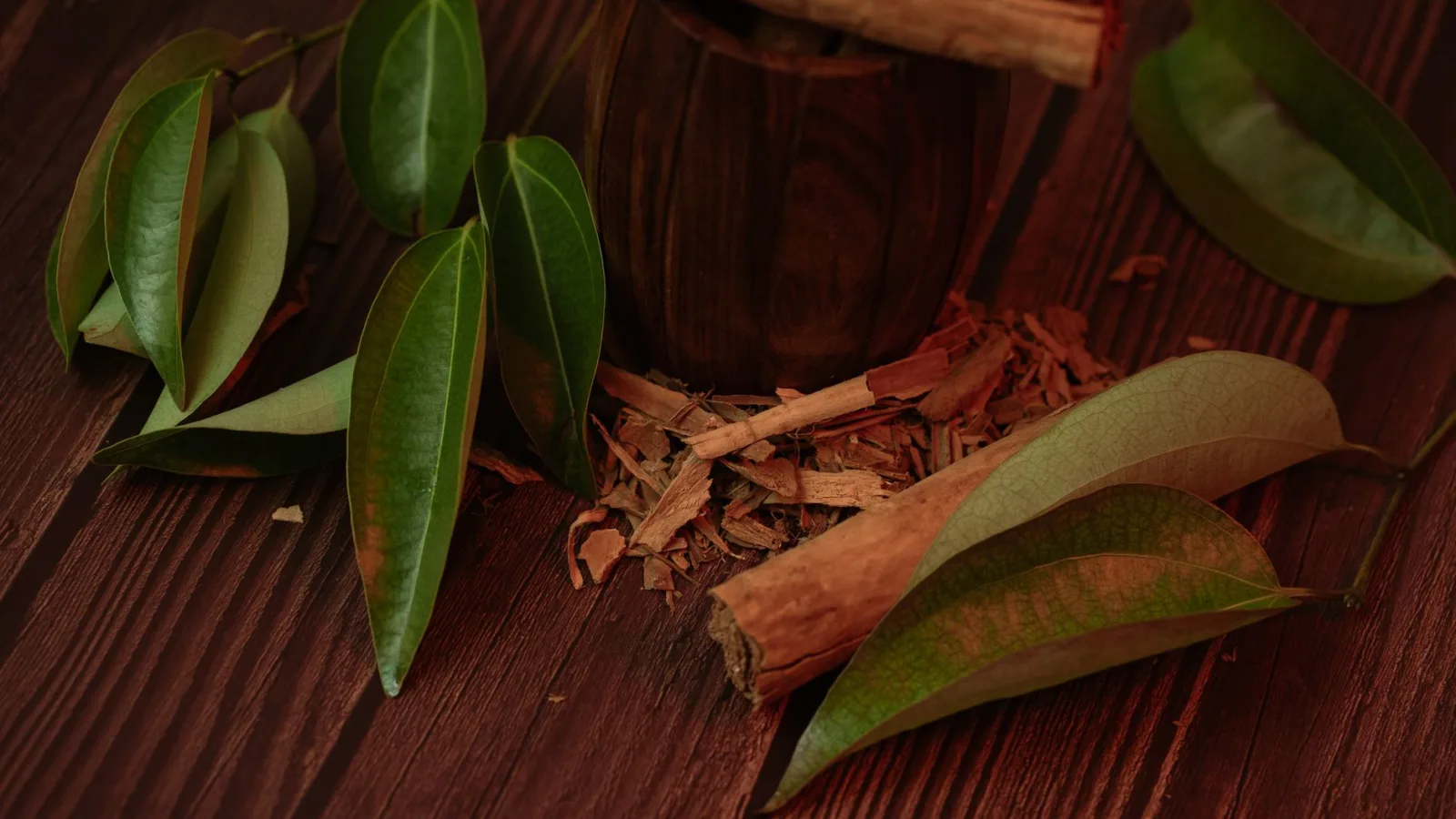
Cinnamon is a tropical tree that a single frost will finish off, so in cold-winter climates it lives in a pot. Here's how to plant one, carry it through the winter indoors, peel and dry your own bark — and how much cinnamon is actually safe to eat.
Cowpeas That Insects Leave Alone: Is the Nutrition Still There?
Bt cowpea was engineered to fend off the pod-boring caterpillars that can wipe out half a West African harvest. A recent study broke the seed down compound by compound and found its protein, zinc, and iron essentially intact.
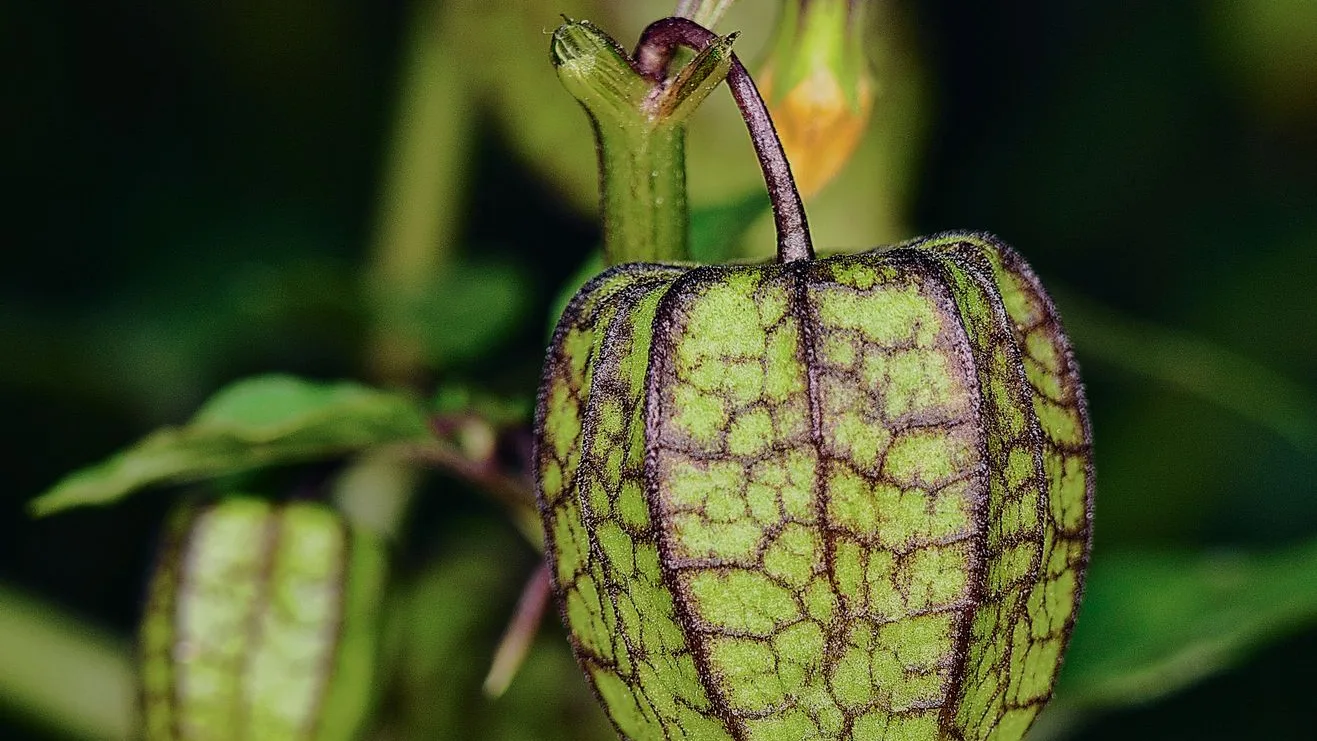
Physalis: Start by Deciding Which Kind You're Planting
Not every physalis is edible — the ornamental red lantern is strictly for the flower bed, while cape gooseberry, ground cherry, and tomatillo are the ones you grow for fruit. A season-long guide to sowing, reading the husk for ripeness, and eating them the day you pick.
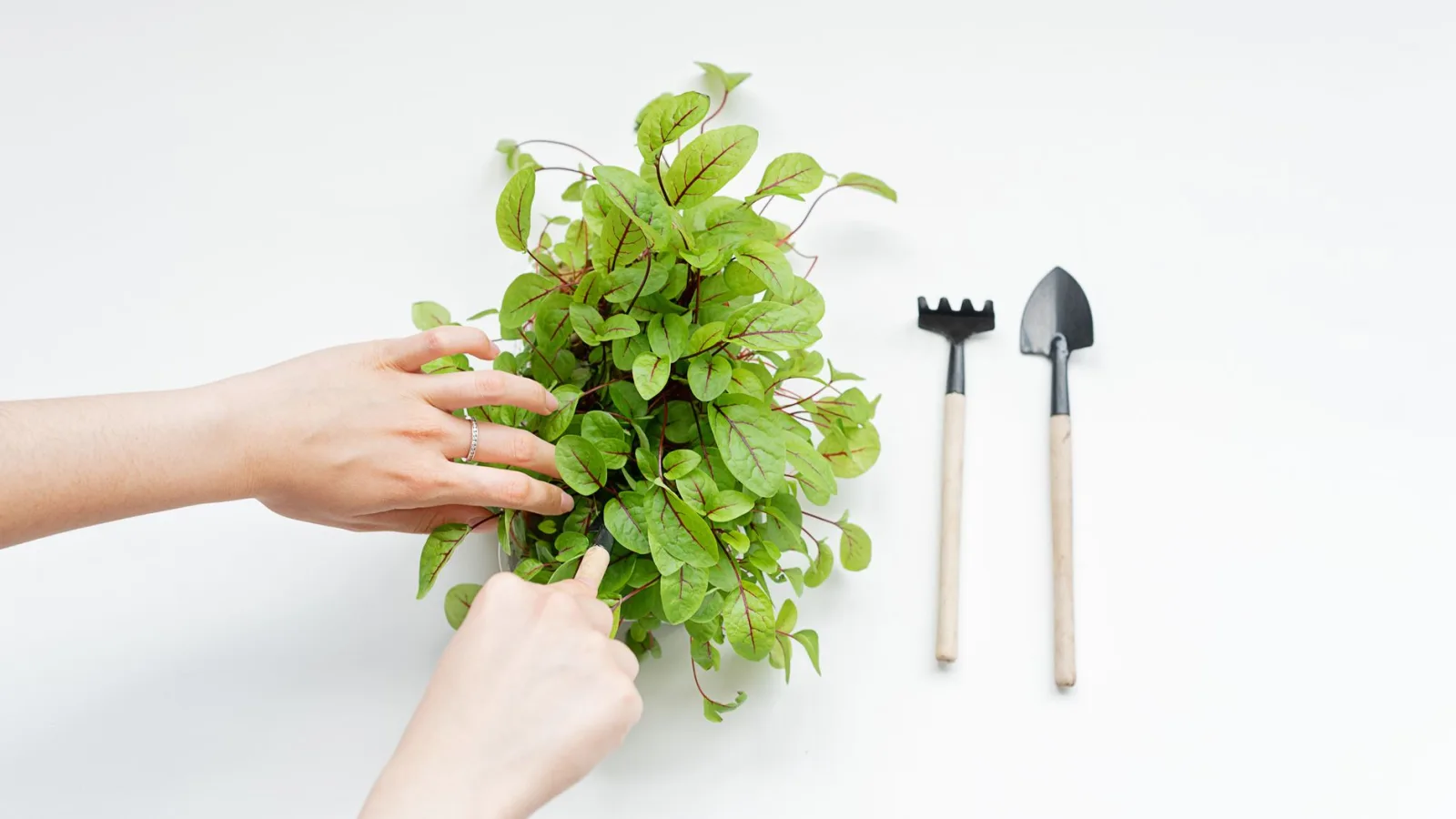
Sorrel for September Soil: How to Sow, Tend, and Pick a Tart Leaf
Sorrel is a cold-loving perennial that comes into its own just as the summer greens give out. Sow it in September and it will leaf out before fall ends, hold through winter on its root, and come back every spring — here's how to grow it and how to use its clean sourness.
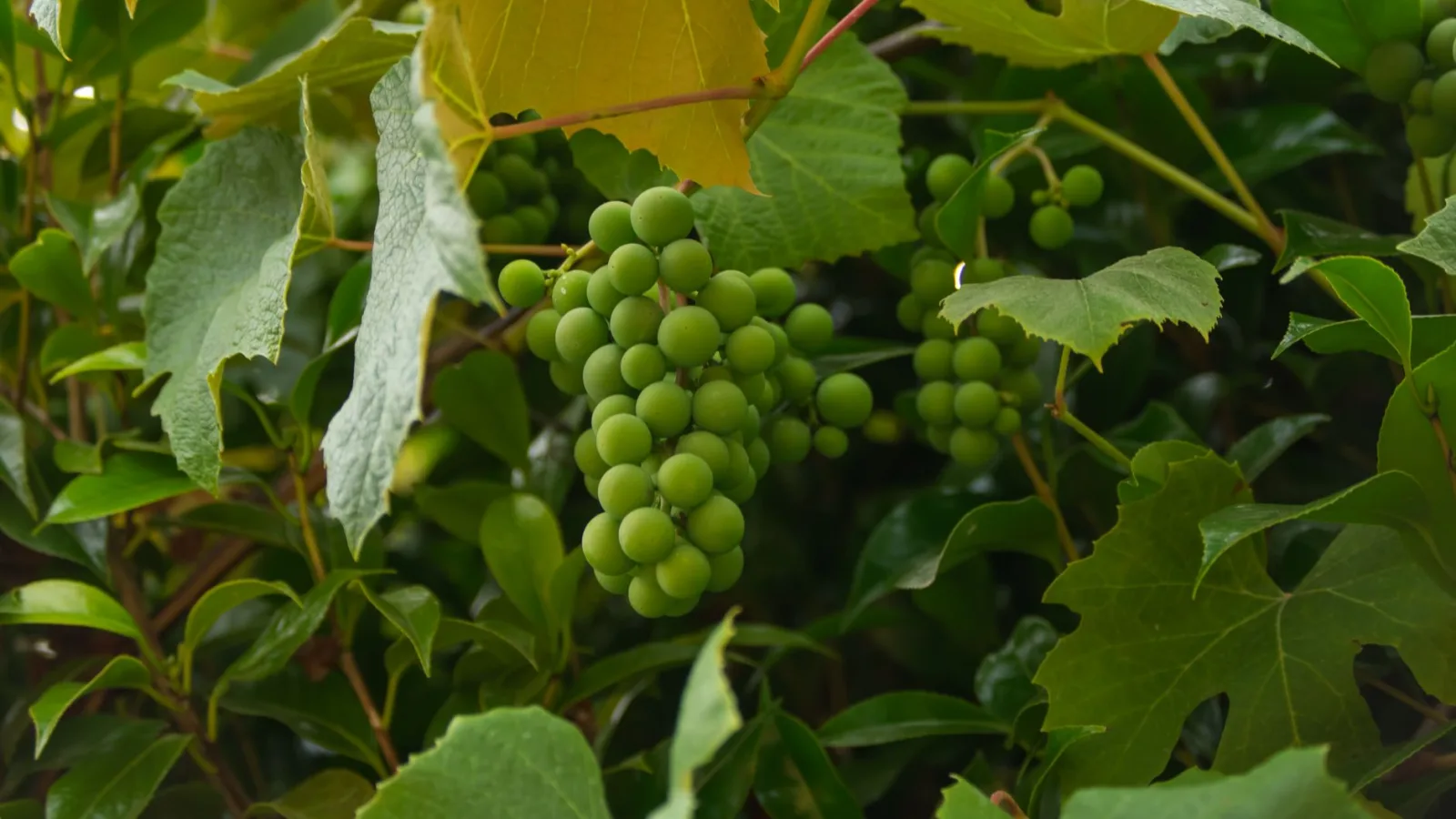
Training a Grapevine Along a Rooftop Railing
Grapes climb, which makes them one of the few fruits you can raise on a rooftop or a balcony railing. Here's how to plant a young vine, train it up a railing, and read the sun and rain that decide how sweet the late-summer harvest turns out.
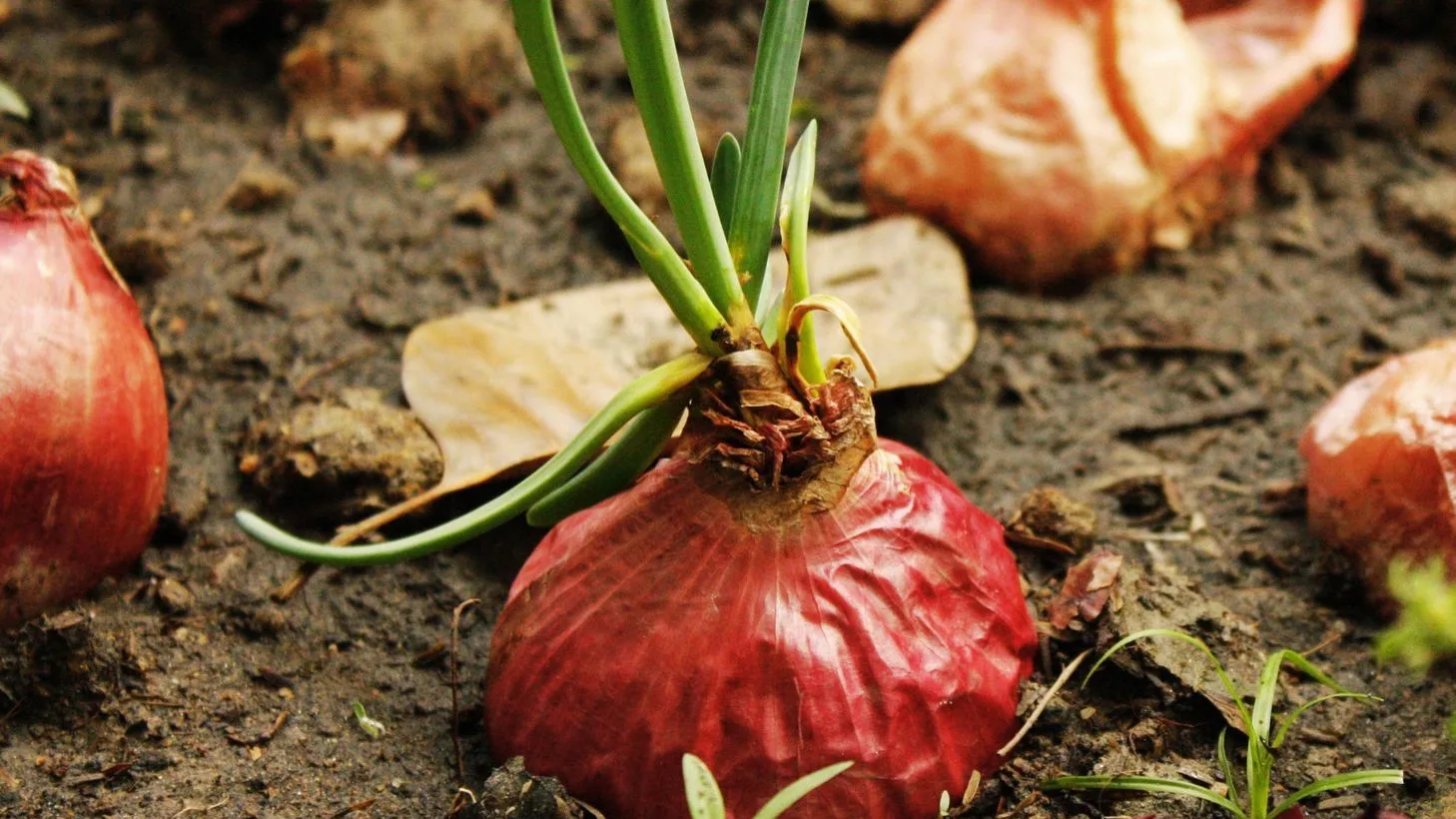
Shallots: Plant in Fall, Dig in Early Summer — Split the Bulb, Plant the Cloves
Shallots go into the ground in early fall, sit quietly through winter, and come out fat in early summer. Here's how to split the sets, get the spacing and drainage right, cure the harvest, and cook what you dig.
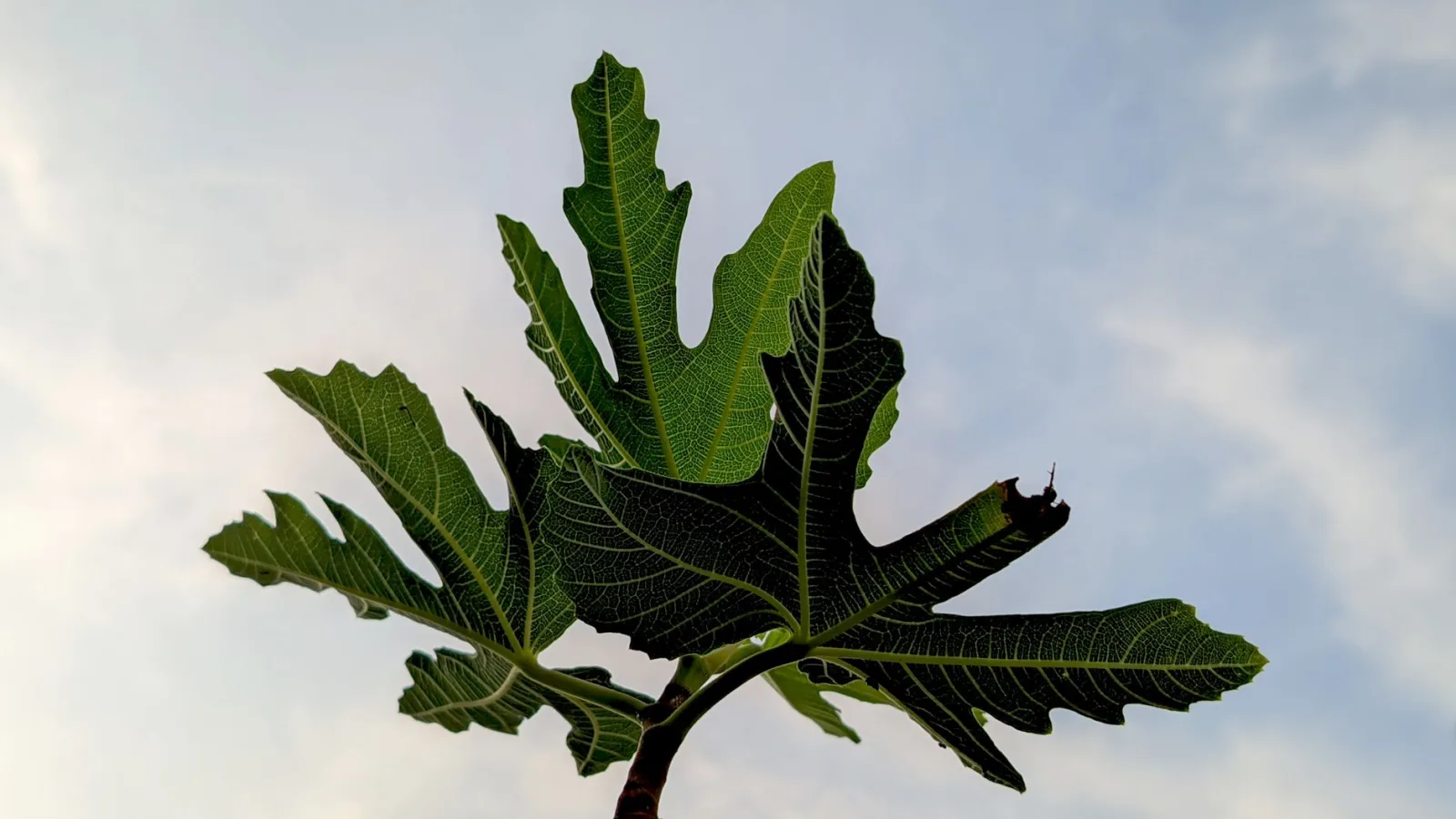
The Fig: A Tree That Ripens With Its Flowers Hidden Inside
The fig keeps hundreds of flowers inside the fruit itself — they're the red grains you see when you cut one open. Here's how to plant a sapling, get it through the cold months, and pick at the right moment during an August-to-October harvest.
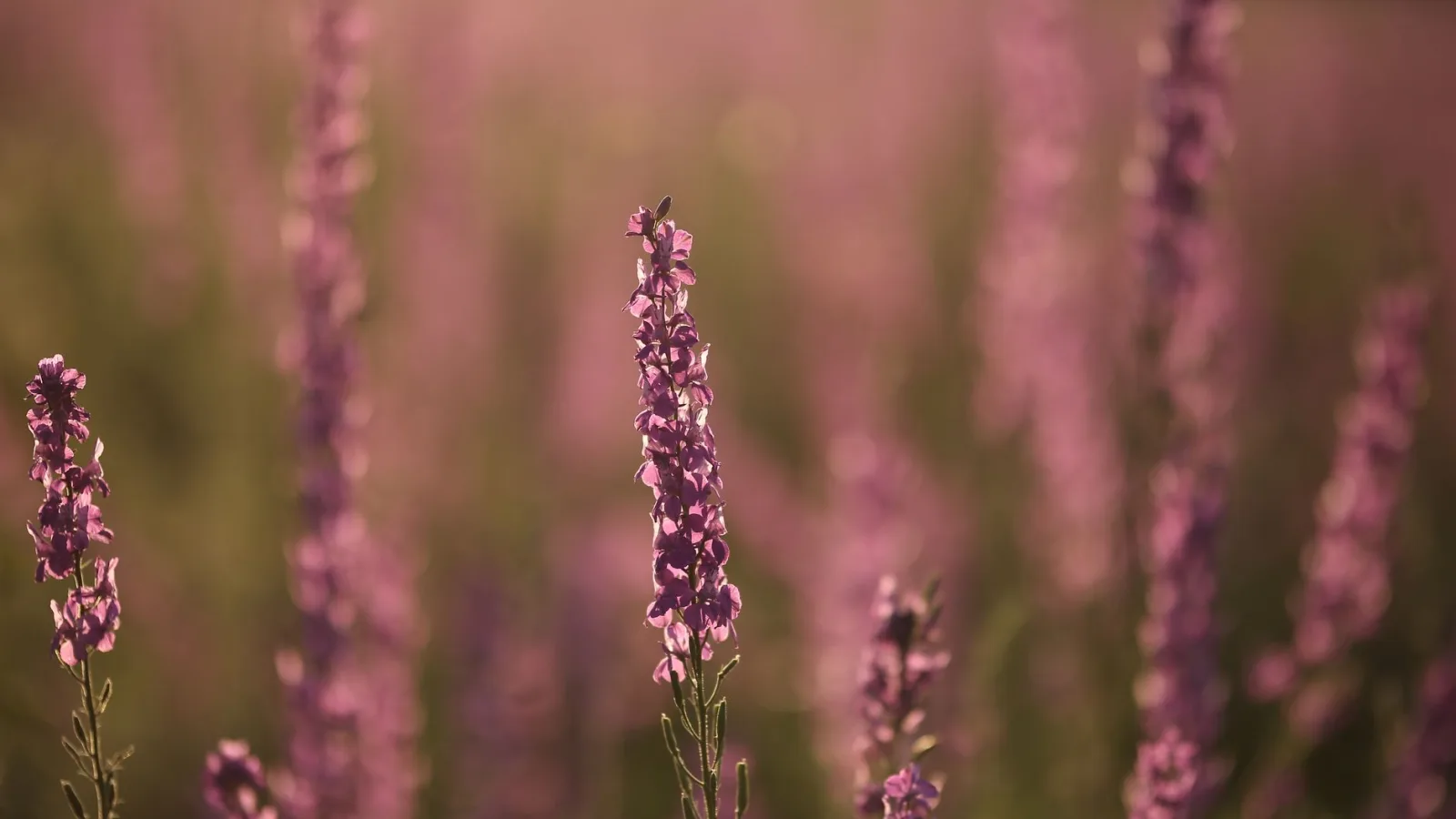
Sow It in Fall, Pick It in Early Spring: Field Pennycress
Field pennycress goes into the ground in fall, holds the bed through winter as a low rosette, and hands you the first greens of spring before anything else is ready. Here's the sowing window, when to cut, and how to blanch and dress it.
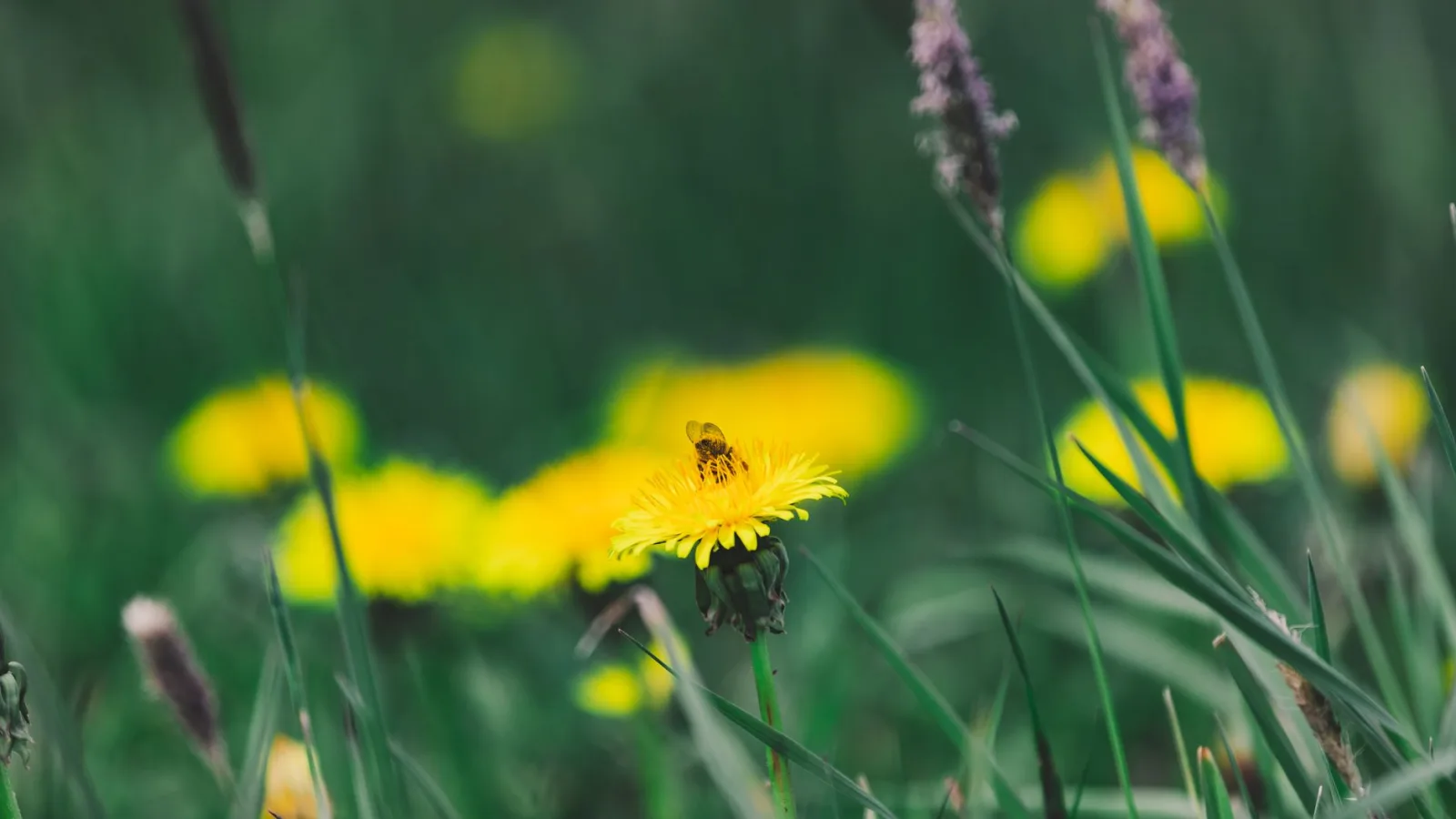
Dandelion in a Deep Pot: One Sowing, Both Leaves and Root
Dandelion drives a straight taproot into ground too compacted for most crops, which makes it a good fit for the bare edges left behind when the summer vegetables come out. Sow in September, eat the thinnings this fall, and dig roots for roasting a year later.
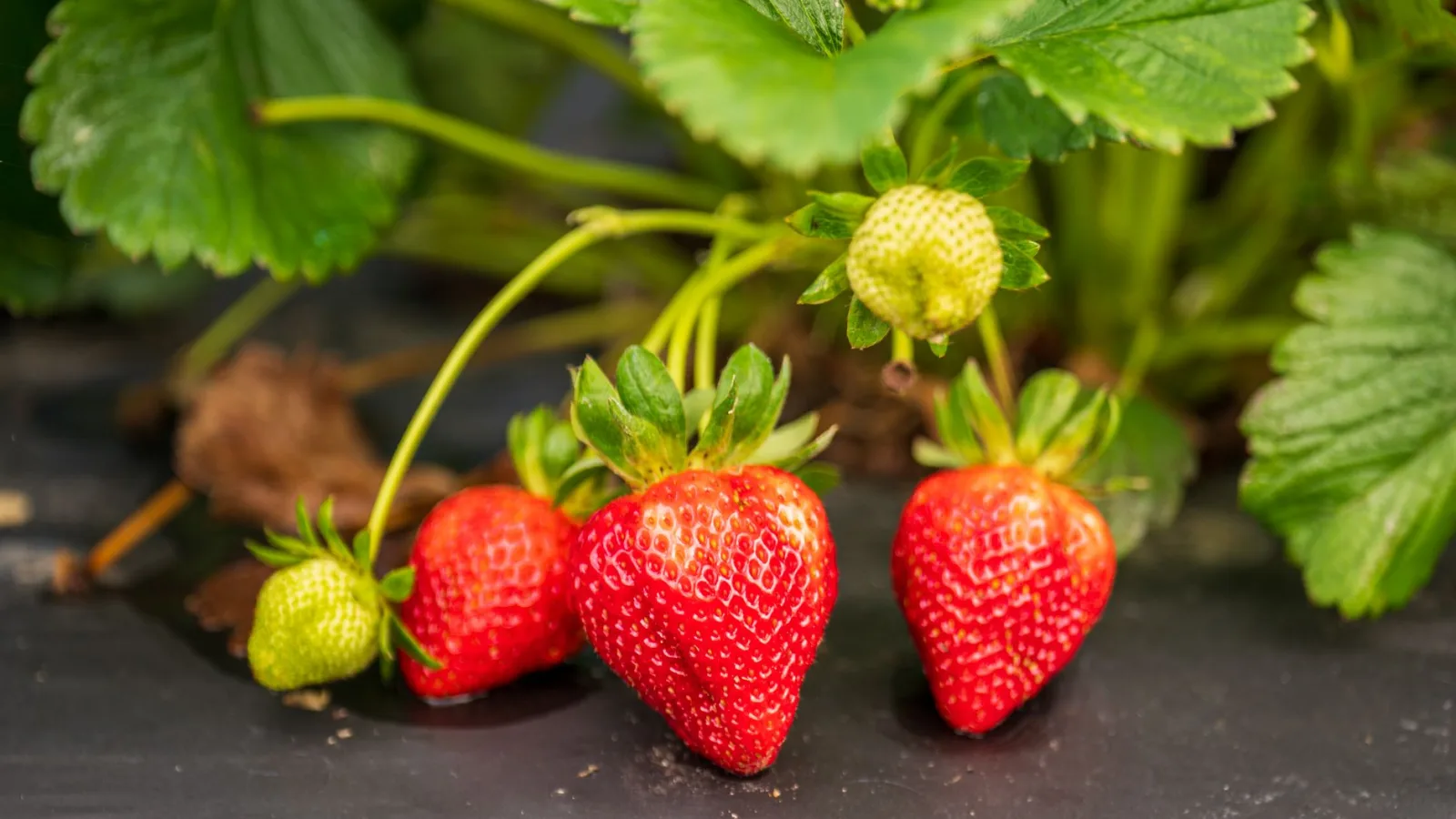
Neo-P: The New Headache in the Strawberry Patch
A fungus once considered harmless has turned into one of the toughest problems in strawberry growing, attacking leaves, crowns, and fruit all at once. Here's how to recognize Neo-P in your own patch and stop it before it spreads down the row.
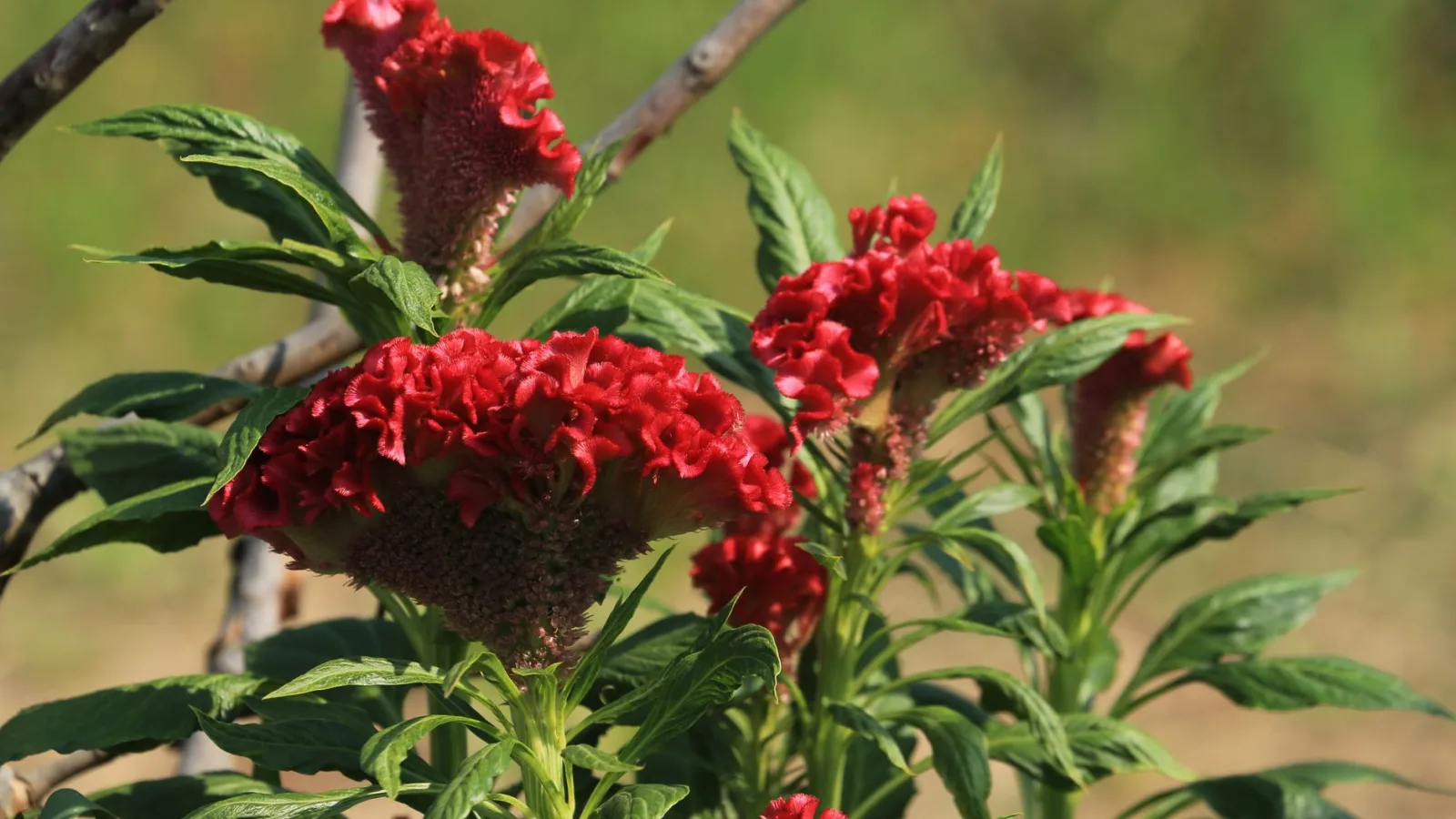
Cockscomb: The Longer the Sun, the Deeper the Red — From Sowing to Drying the Flowers
Cockscomb is an easy annual that pays back the sunniest corner of the garden with the deepest red plumes. Here's how to sow it once frost has passed, keep it happy through summer, and dry the heads for red tea that lasts all winter.
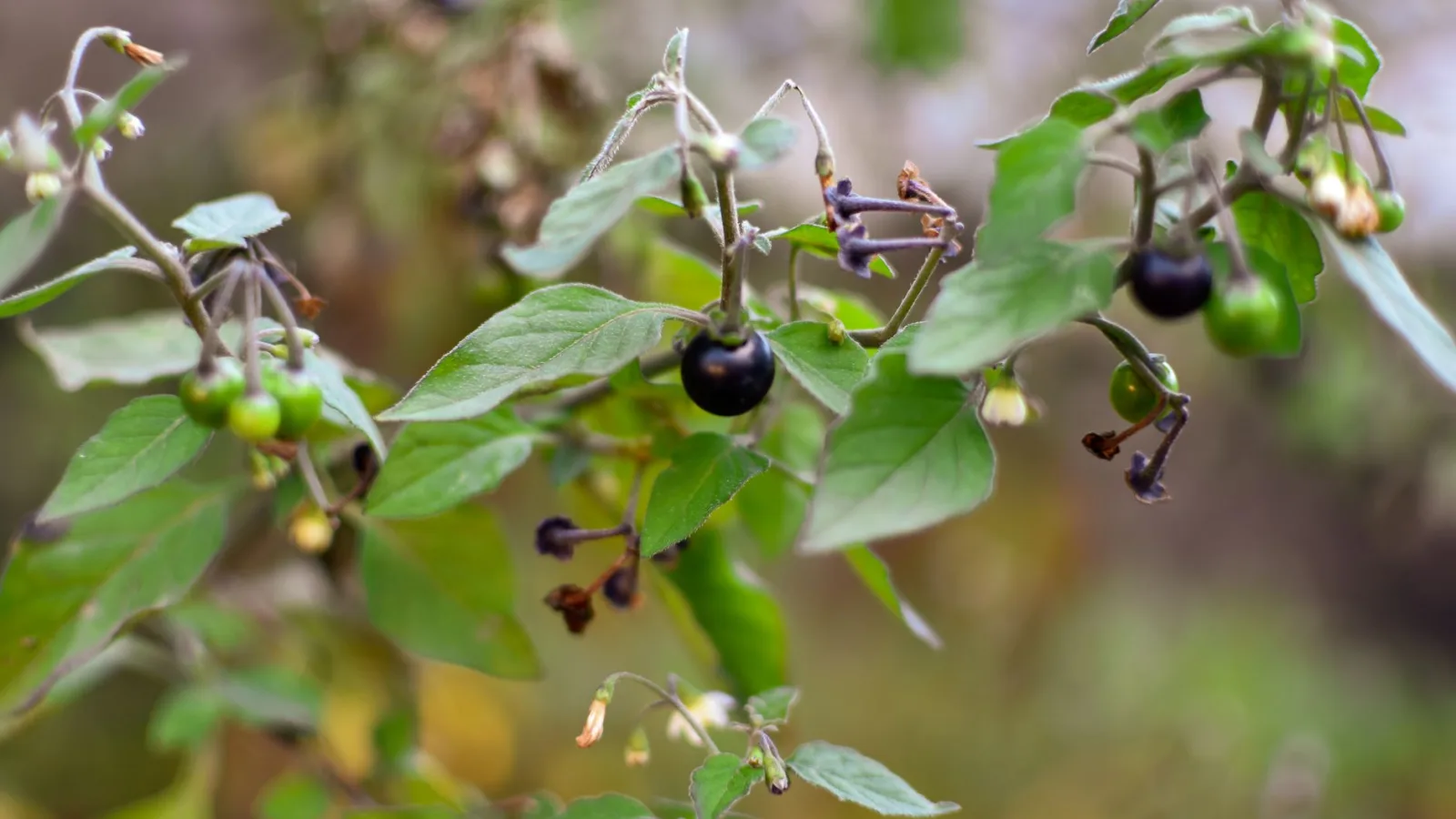
Kkamajung: Waiting for the Berries to Turn Black
Black nightshade comes up on its own along field banks and returns from dropped seed year after year, which makes it one of the easiest things a new gardener can grow. The rule for picking is simple: wait until the berries are completely black.
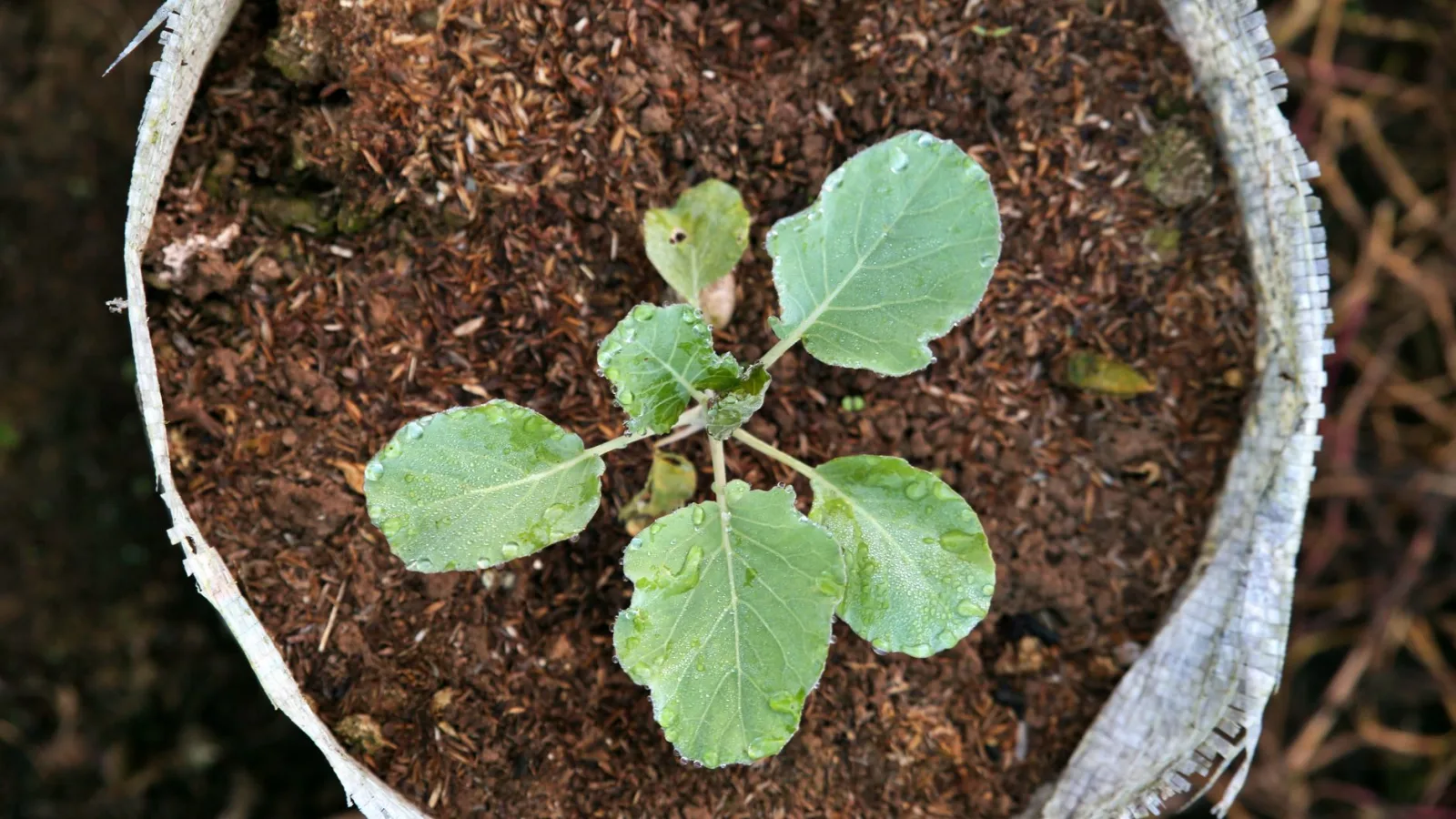
When Soil Runs Low on Sulfur, Vegetables Cut Their Defenses First
Sulfur has quietly drained out of our soils since air-pollution rules cut acid rain, and vegetables short on it dial down the chemical defenses that also give them their flavor. If the newest leaves on your plants look pale, it's time to work some sulfur into the bed.
You Side-Dress Today, It Rains Tomorrow — Where Does That Water Go?
Fertilizer spread the day before a storm doesn't stay in the garden — it runs down the furrows and out toward the nearest stream. An eleven-year plankton record from a river in southern China shows how aquatic life shifts closer to the city, and what a home gardener can do about their own runoff.
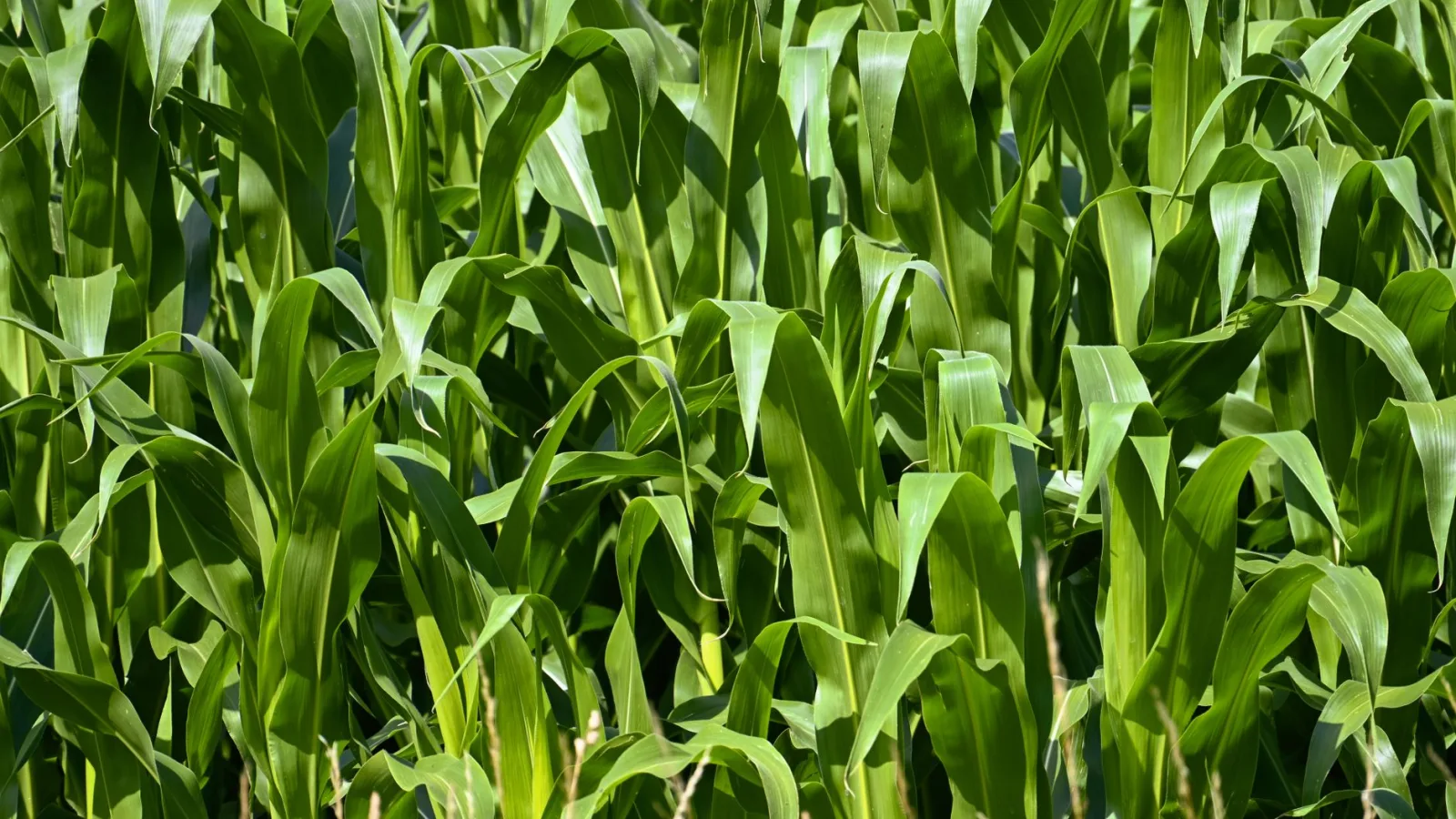
Take Away One Herbicide — What Does a Field Lose?
Illinois researchers put a dollar figure on banning a single herbicide: up to $609 million a year in lost income for corn and soybean farmers. Here's what that math says — and how to keep weeds down in a home garden with nothing but a hoe and a bale of straw.
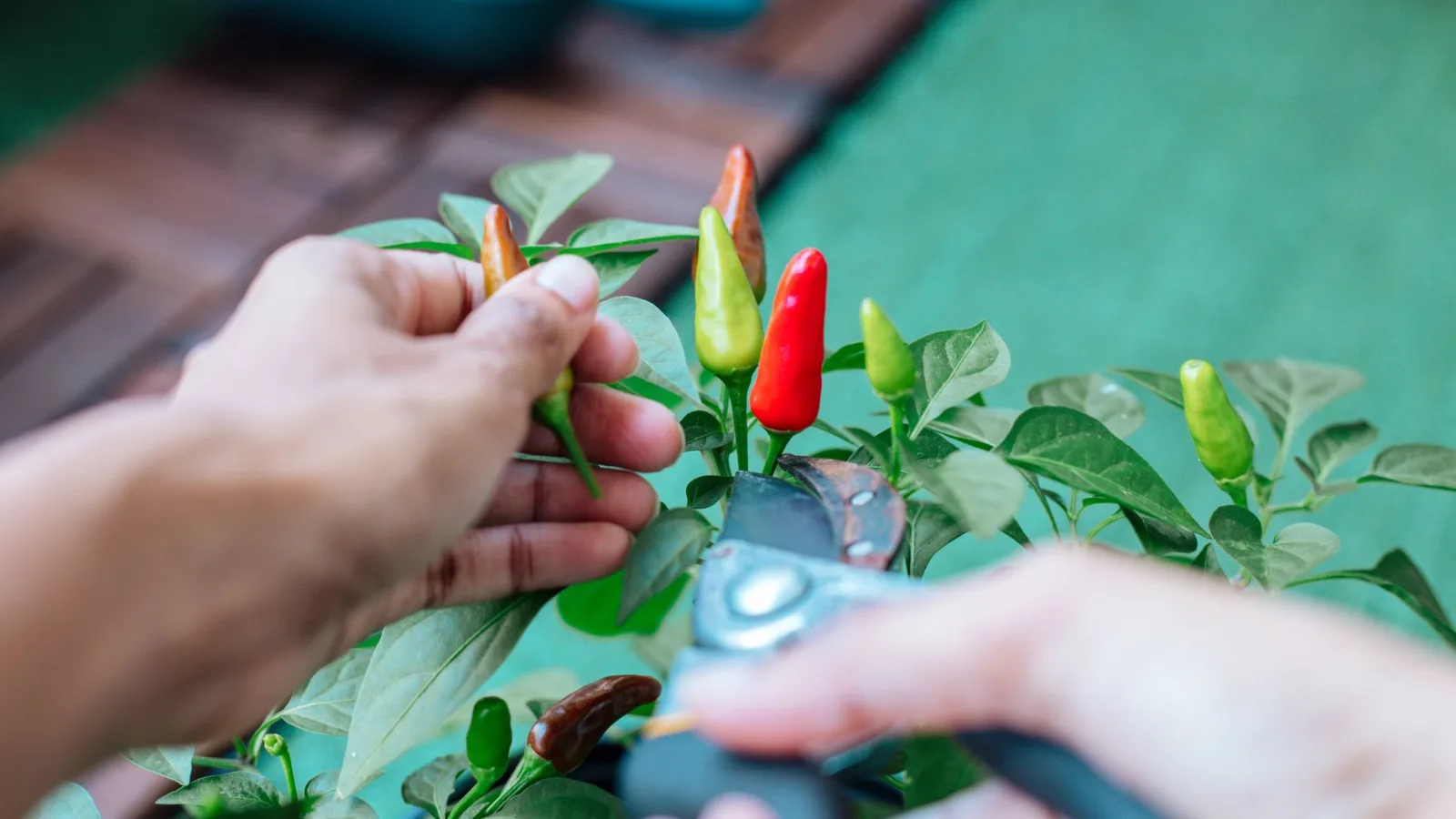
When Last Summer's Plastic Mulch Crumbles in Your Hand
Researchers who compared farmland soils across several countries using a single method found that soil texture and climate — not how growers handled their plastic mulch — drove most of the difference in microplastic buildup. For home gardeners, the practical lever isn't the weather but how much plastic goes into the bed and how soon it comes back out.
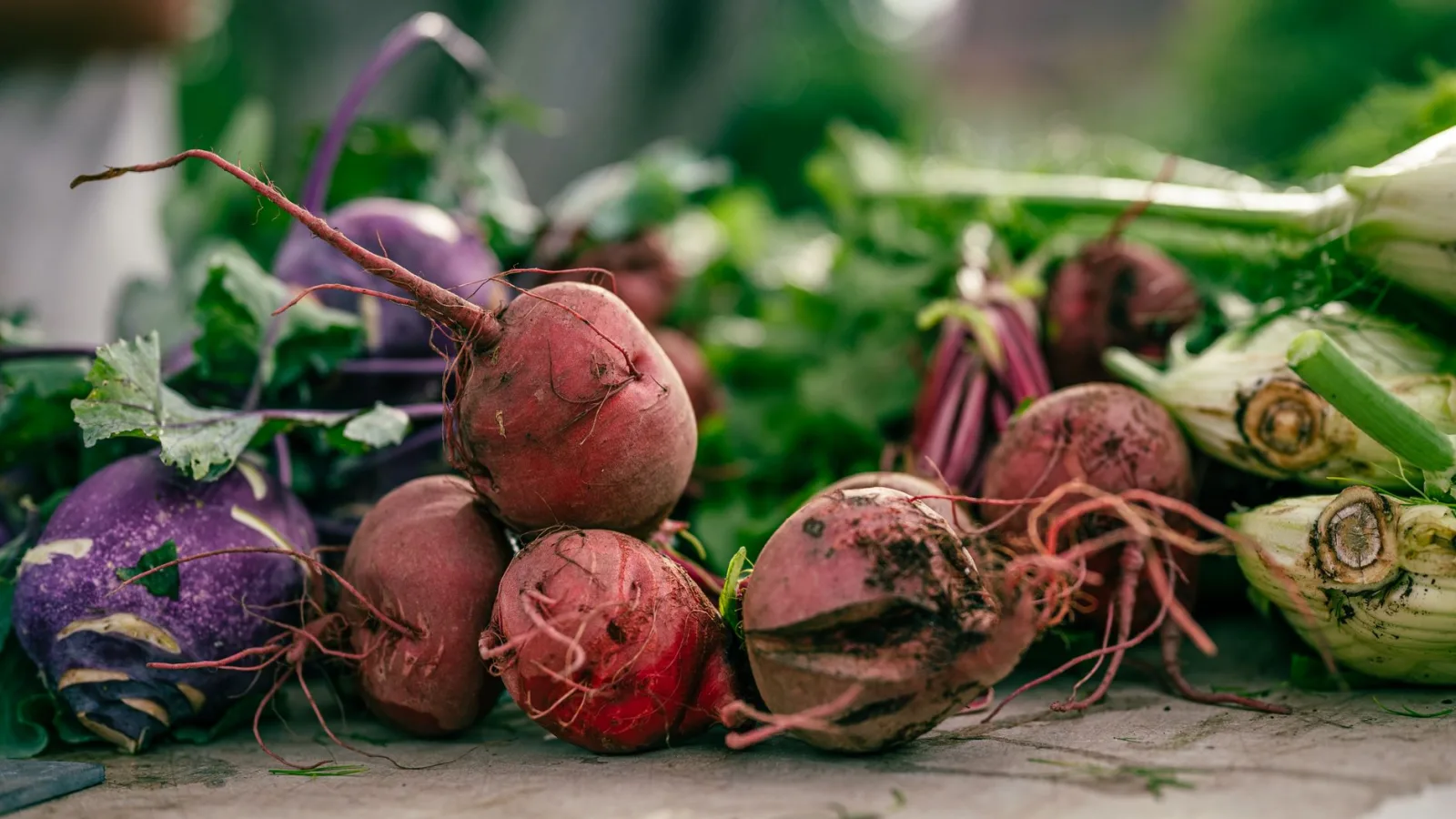
The Tiny Wasp Under Your Beet Leaves Just Got Hemingway's Name
Researchers surveying sugar beet fields in Xinjiang named a newly described wasp after Ernest Hemingway — then found it preys not on the crop's pest, but on the wasp that controls the pest. The same four-link chain plays out in home gardens, which is why a light hand with the sprayer matters.
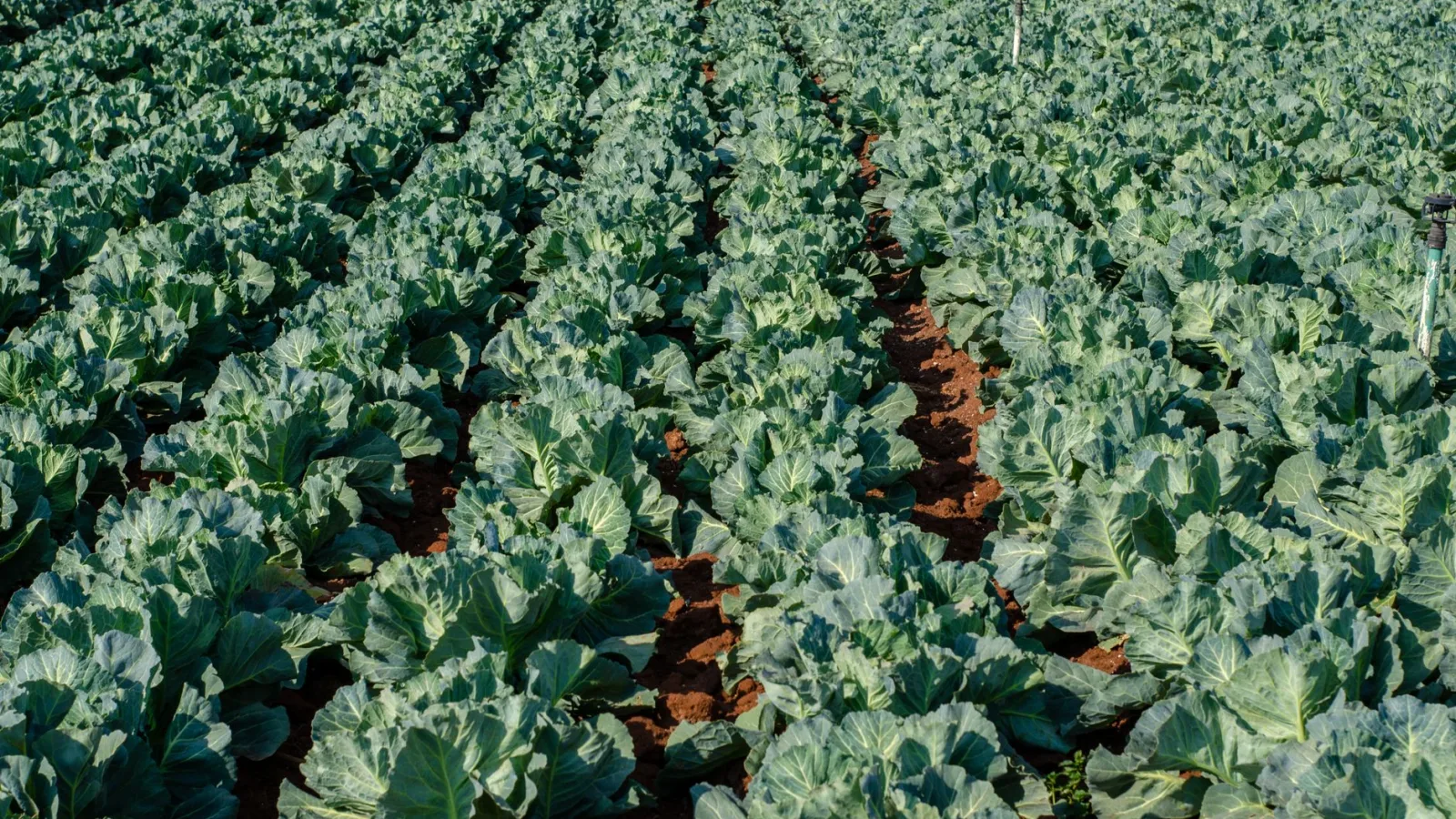
Put the Compost Bin Where Water Doesn't Pool
In flood-prone Alappuzha, India, researchers stacked ten conditions on a map to find ground safe enough to bury waste — and only 3.6% of the district qualified, almost all of the rest ruled out by water. The same questions about pooling, drainage, and slope decide where your compost bin should sit.
Planted Three Times a Year: What the Soil Held Two Meters Down
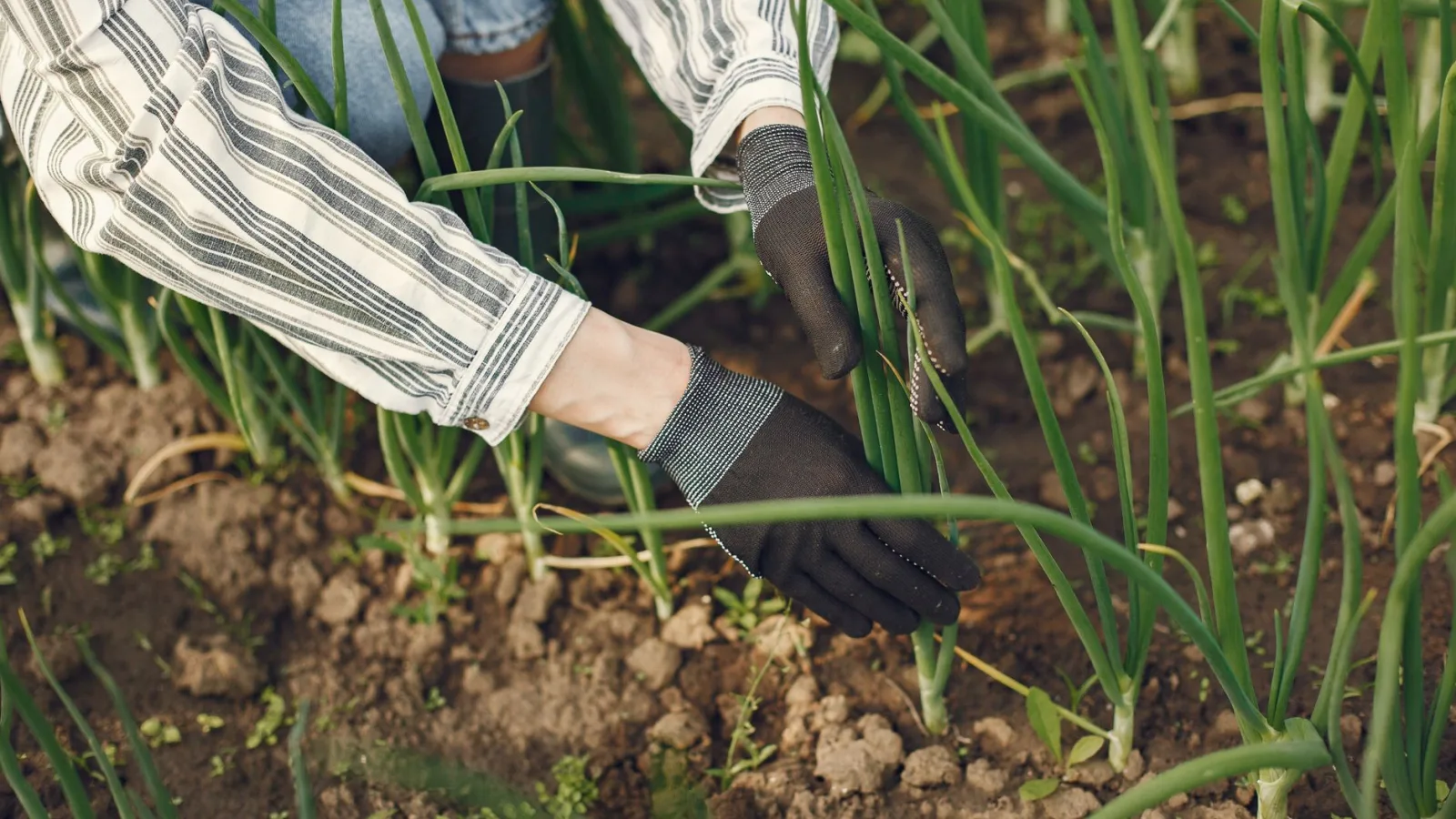
A study in India's Terai region sampled soil down to two meters and found that fields cropped three times a year held more than 1.5 times the organic carbon of fields planted only once. The takeaway for a home garden: keep something rooted in the bed.
They're Making Amino Acids from Carbon Dioxide. So What Happens to the Beans in Your Garden?
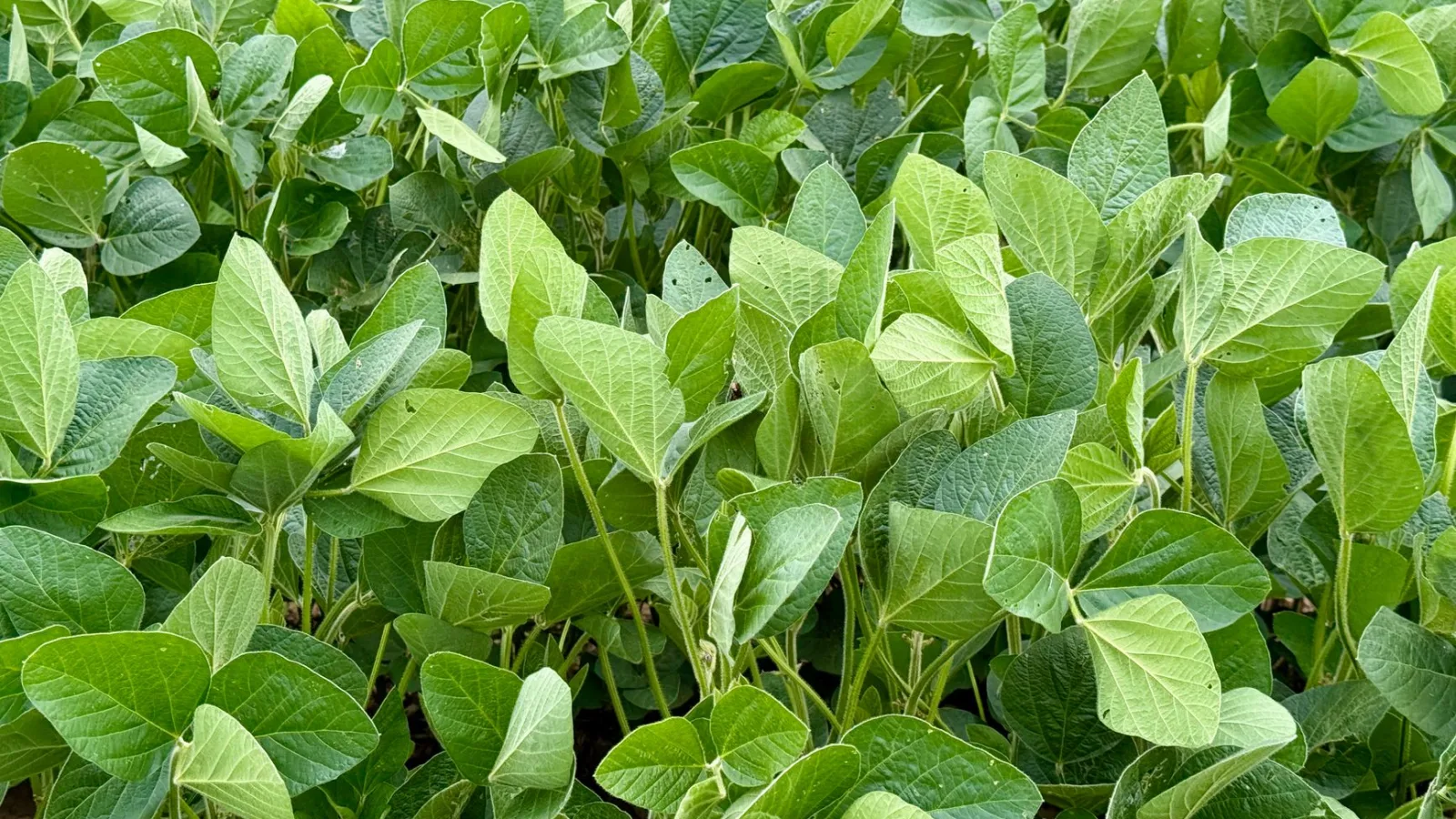
A lab in Munich is using solar electricity to turn carbon dioxide into amino acids — protein grown without soil or a field. Until that scales up, the job still belongs to the pods swelling in your August garden, and they need water now.
Three Leaves — Time to Dig?
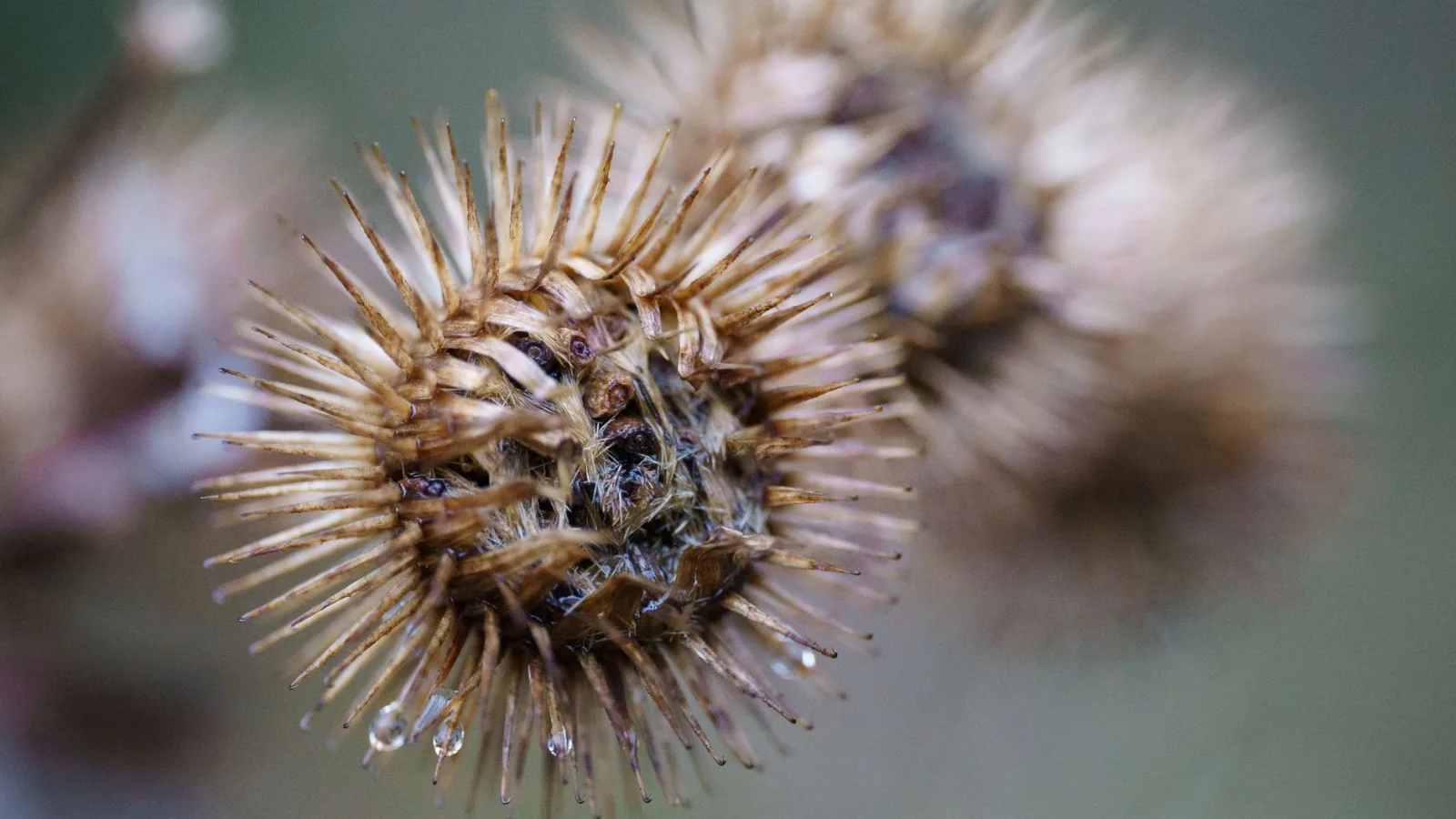
In much of the United States, wild ginseng can legally be dug only once a plant is five years old with three prongs. New research finds that count says surprisingly little about whether the plant will set seed or survive — a caution worth carrying into your own garden beds.
Why the Beans in Your Backyard Plot Made It Into a Global Farming Report
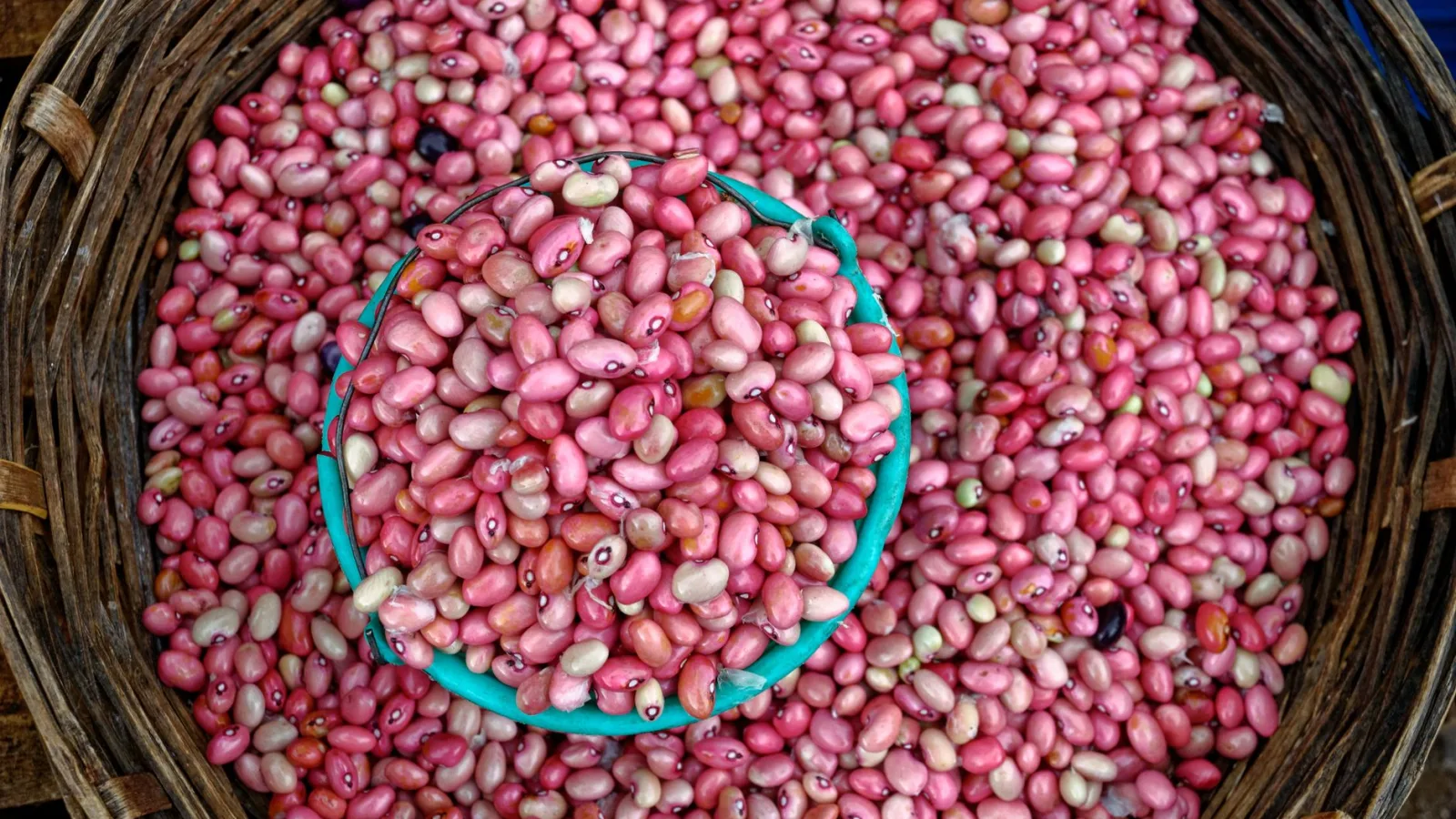
The EAT-Lancet Commission's 2025 report lays out a "planetary health diet" and calculates what the world would have to grow to feed it. The crops at the top of the list — beans, leafy greens, seed oils — are already growing in home gardens.
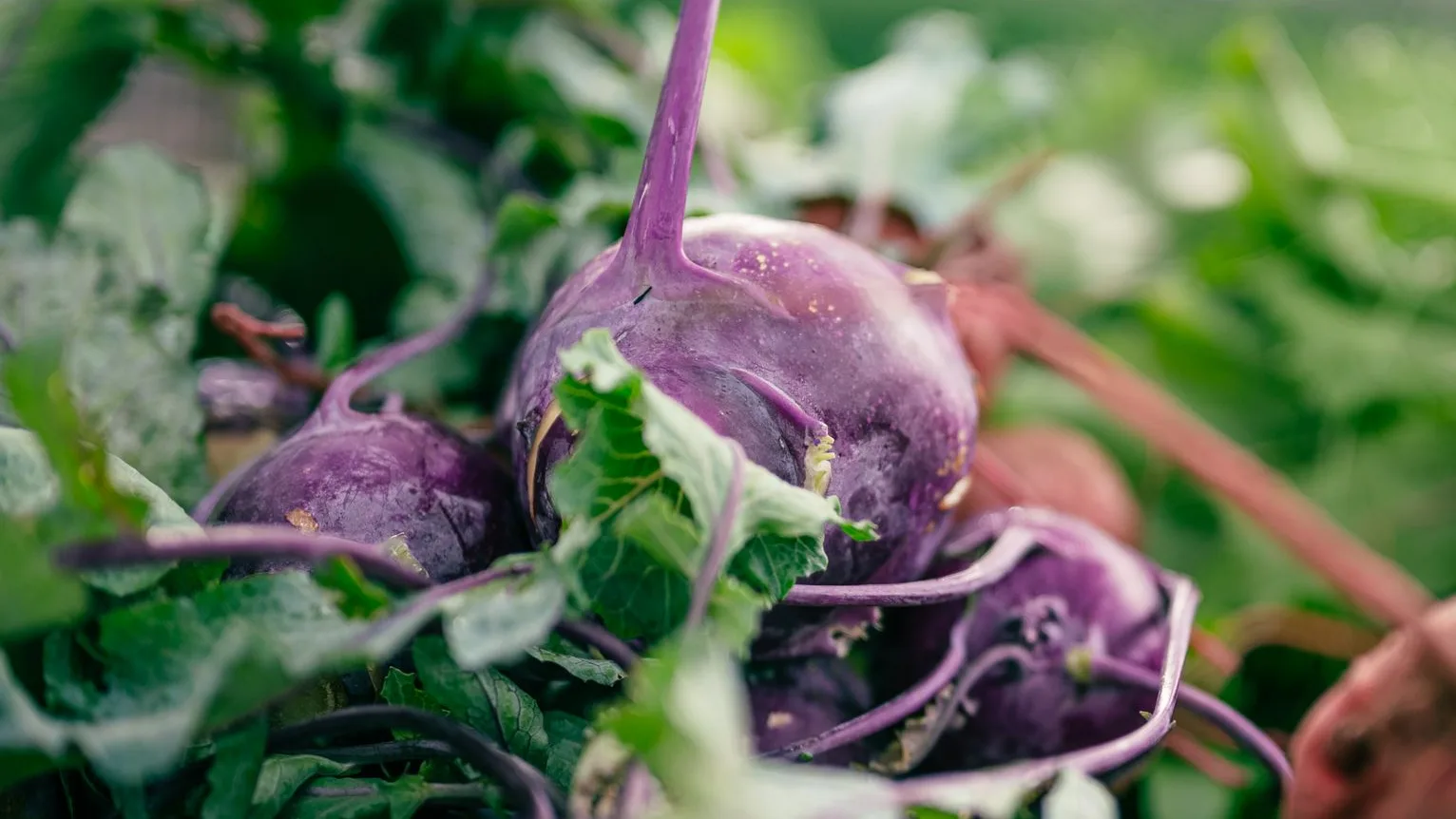
Growing Kohlrabi on Fertilizer That Came from the Bathroom
German researchers grew kohlrabi on fertilizer recovered from human urine and feces, and the bulbs matched those raised on conventional mineral fertilizer. Here's what the trial showed, and how much of it makes sense in a home garden.
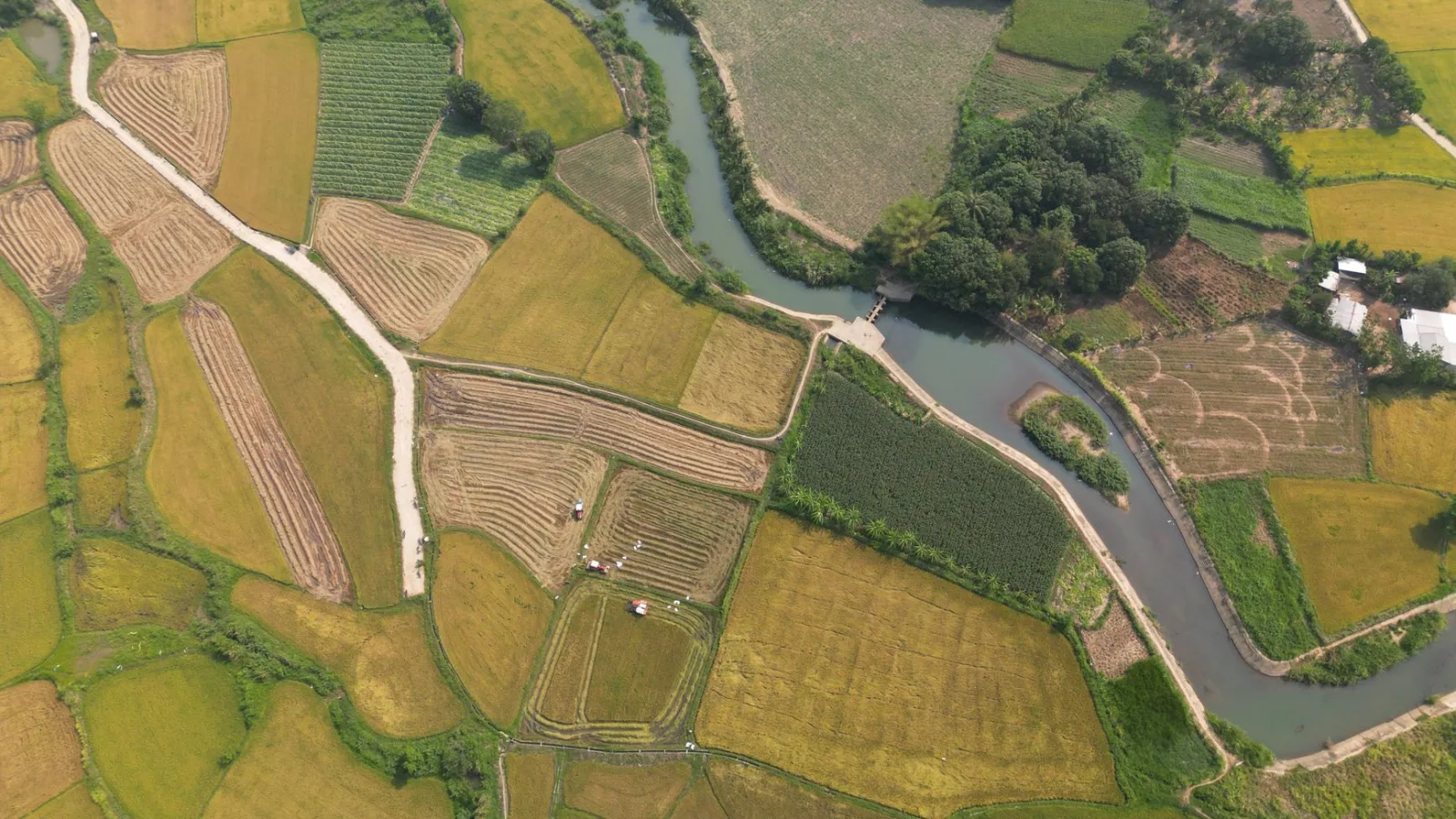
From Seed to Table: What Traditional Farming Keeps Alive
The UN designates long-standing farming landscapes as Globally Important Agricultural Heritage Systems, and researchers at Germany's University of Göttingen looked at what they can teach us about sustainable land use. The answer, it turns out, applies to a balcony planter as much as to a centuries-old rice terrace.
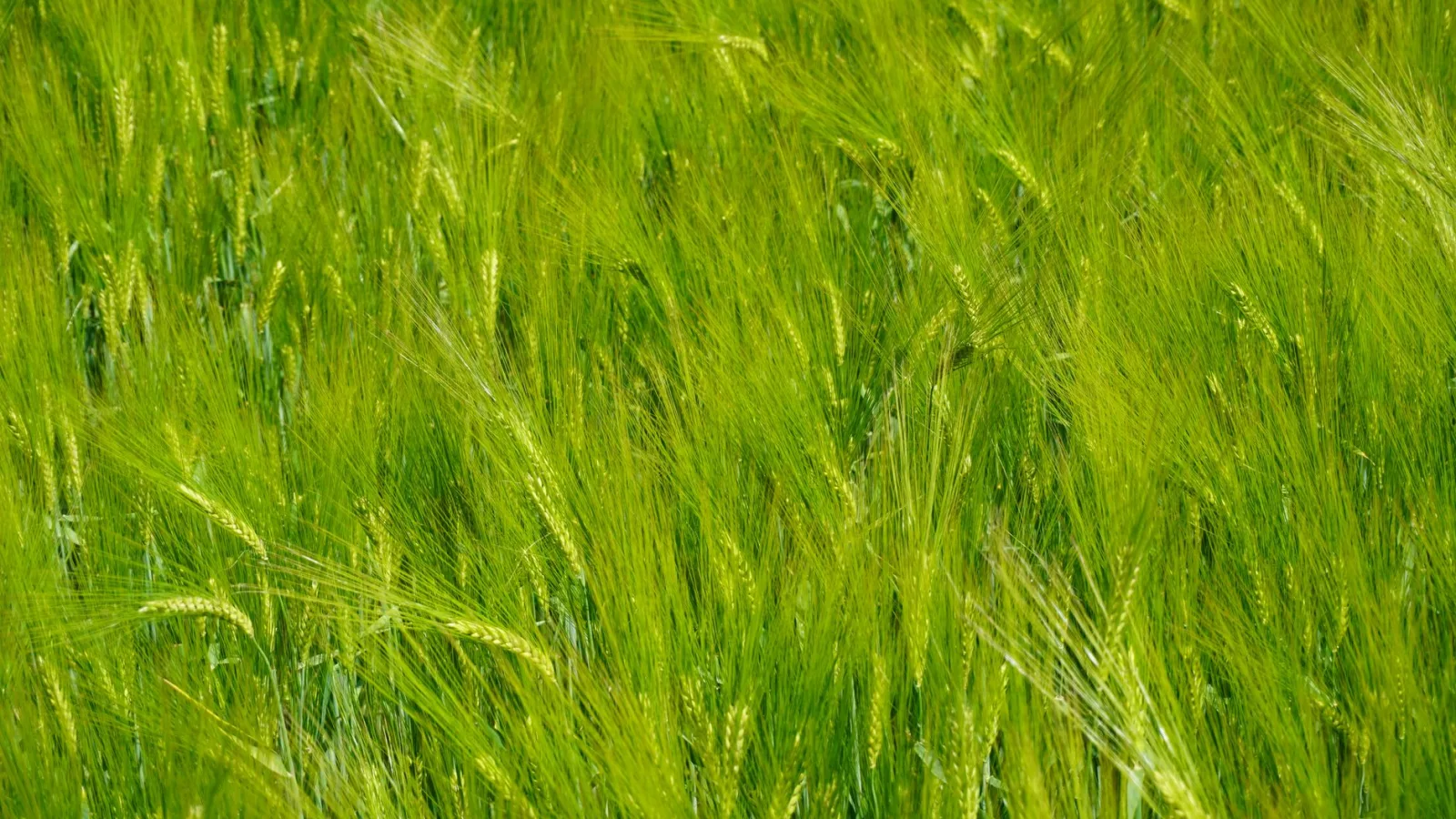
Why a Handful of Naked Barley Belongs in Your Rice Pot
Naked barley sheds its hull the moment you thresh it — no milling required — and it carries more beta-glucan than an equal weight of wheat. Here's what the research says about its effect on blood sugar and cholesterol, plus how to grow a few square yards of it yourself.
Plants Have a Backup Plan for Heat
When summer heat hits, plants don't just wilt — they sense the temperature at the cellular level and change how they grow. New research shows they have a second sensing system that kicks in when the first one falters, and it may hold clues for breeding heat-tough crops.
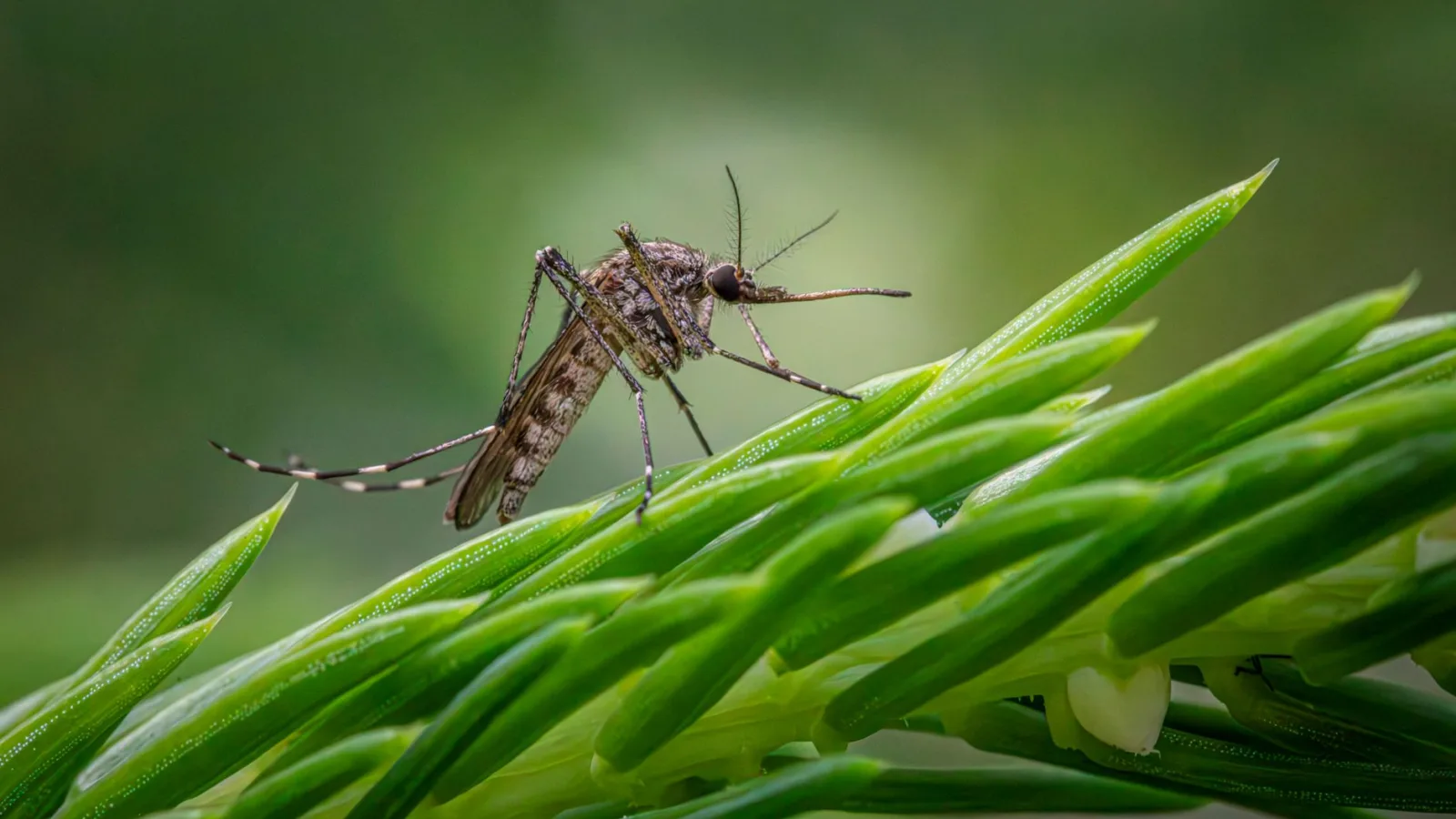
Why City Gardens Draw Fewer Mosquitoes Than Country Plots
A six-year mosquito study in eastern China found that growing crops raises mosquito counts slightly, while dense urban neighborhoods have 32–37% fewer mosquitoes than rural ones. Here's what that means for your rooftop bed or weekend plot.
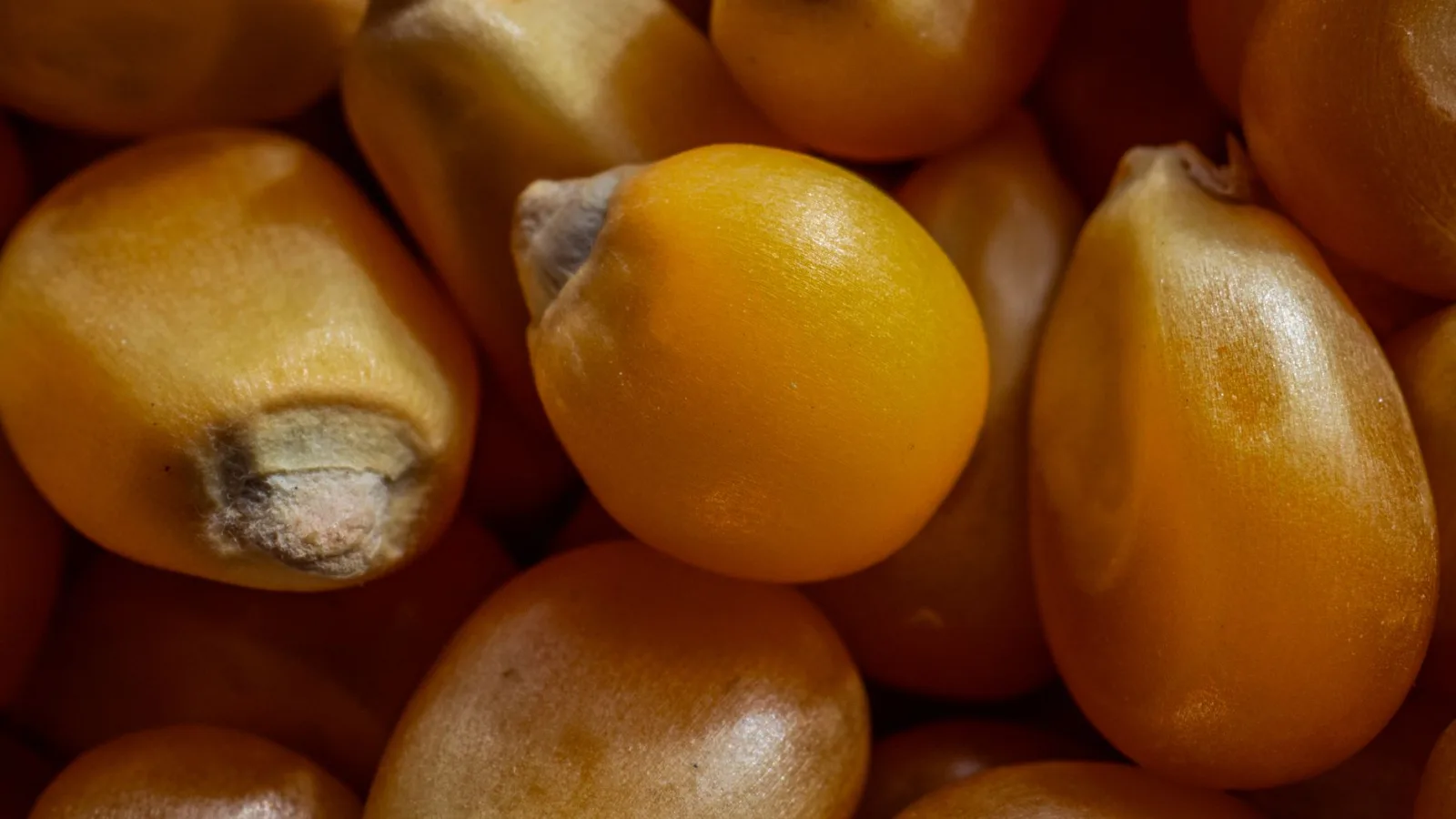
Finding the Genetic Switches Inside a Seed
Researchers in Germany trained an AI model on a small weed's genome — and it went on to predict gene-regulation sites in corn, a plant it had never seen. The finding could speed up how new crop varieties are bred and chosen.
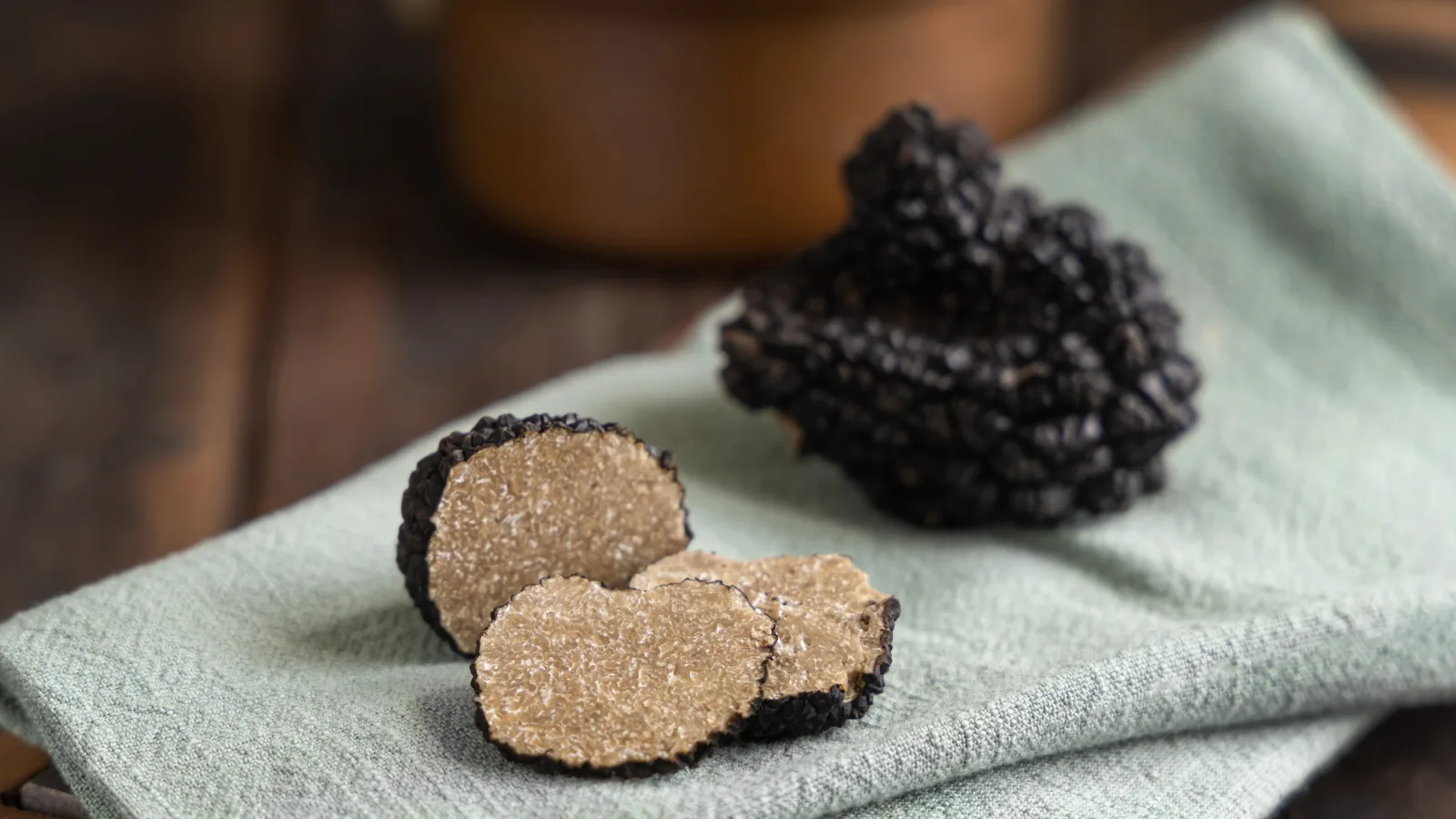
Why Do Truffles Grow Under Some Trees and Not Others?
Truffle growers have long blamed soil pH and lime content when a tree refuses to produce. New research from the University of Stirling points somewhere else: the community of microbes living around the roots — and the truffle may be shaping that community itself.
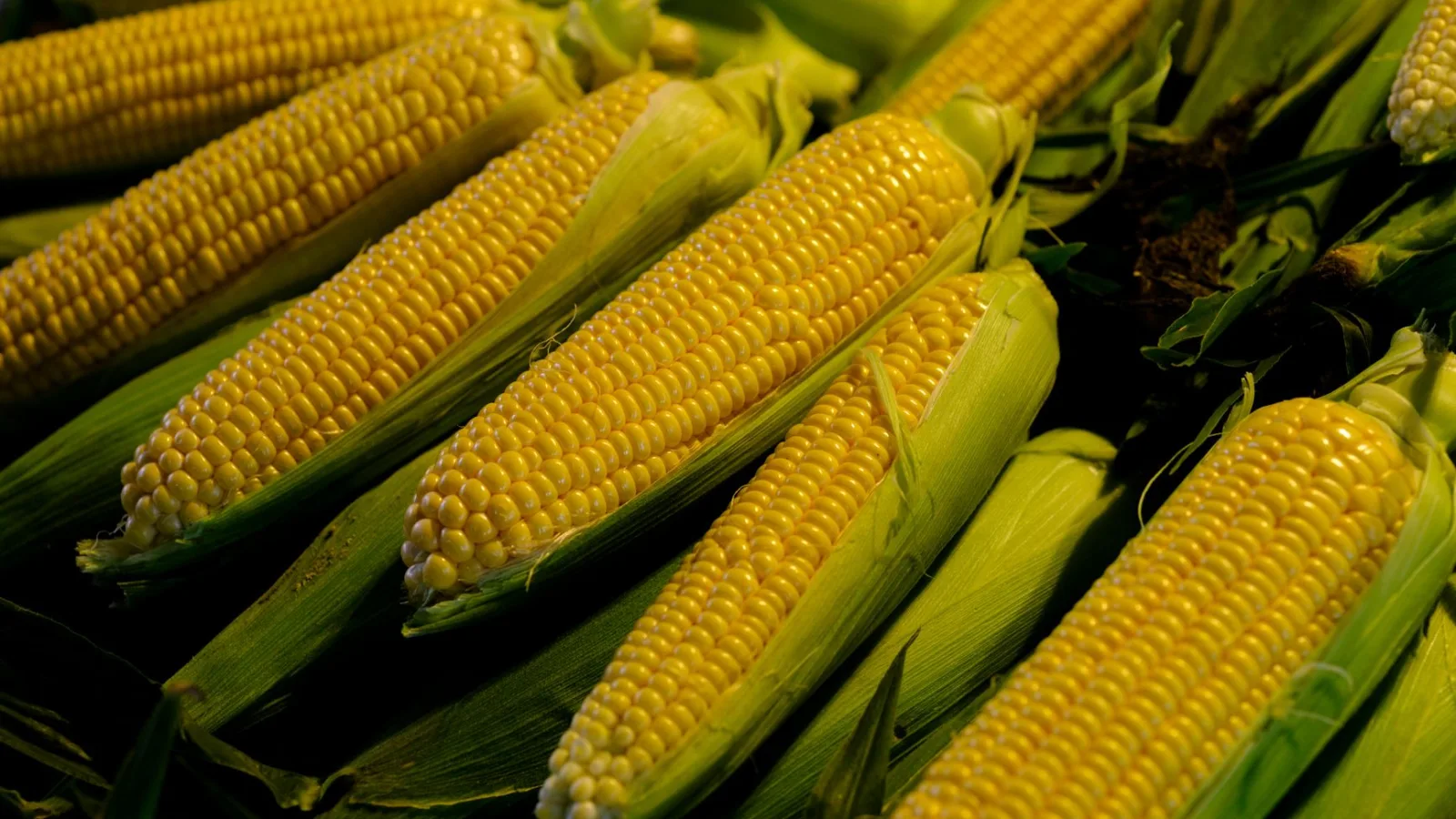
Corn That Takes the Heat Has Help Underground
When corn leaves curl in midsummer, most gardeners reach for the hose — but new research suggests the microbes in the soil around the roots are also part of how corn and sorghum handle high temperatures. Here's what that means for your garden bed.
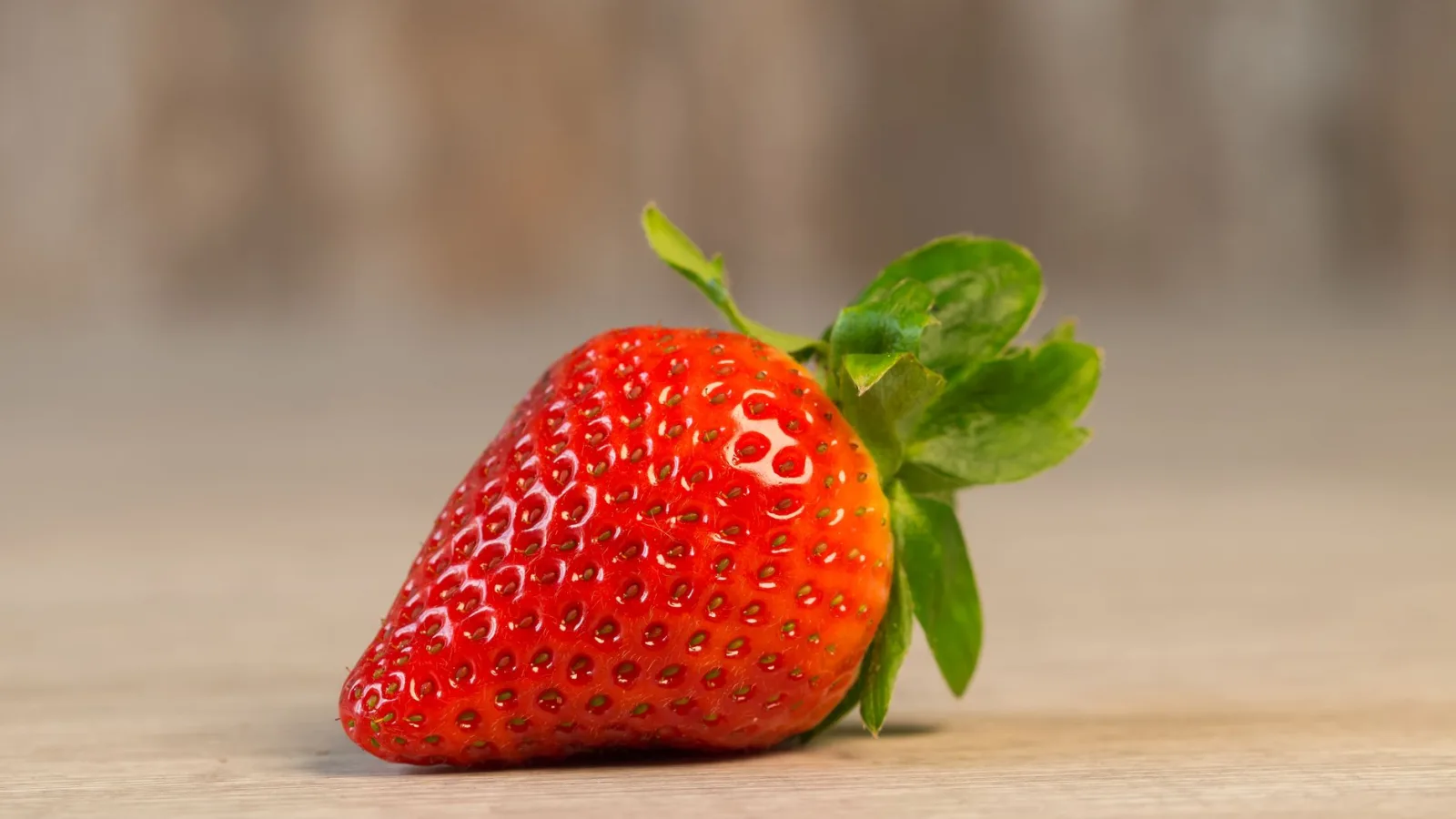
The Strawberry Wasn't Built in a Day
The strawberry in your palm carries the record of at least four wild genomes that merged over tens of thousands of years — and new DNA research has finally sorted out the order they arrived in. Plus how to choose and grow the right cultivar in your own plot.
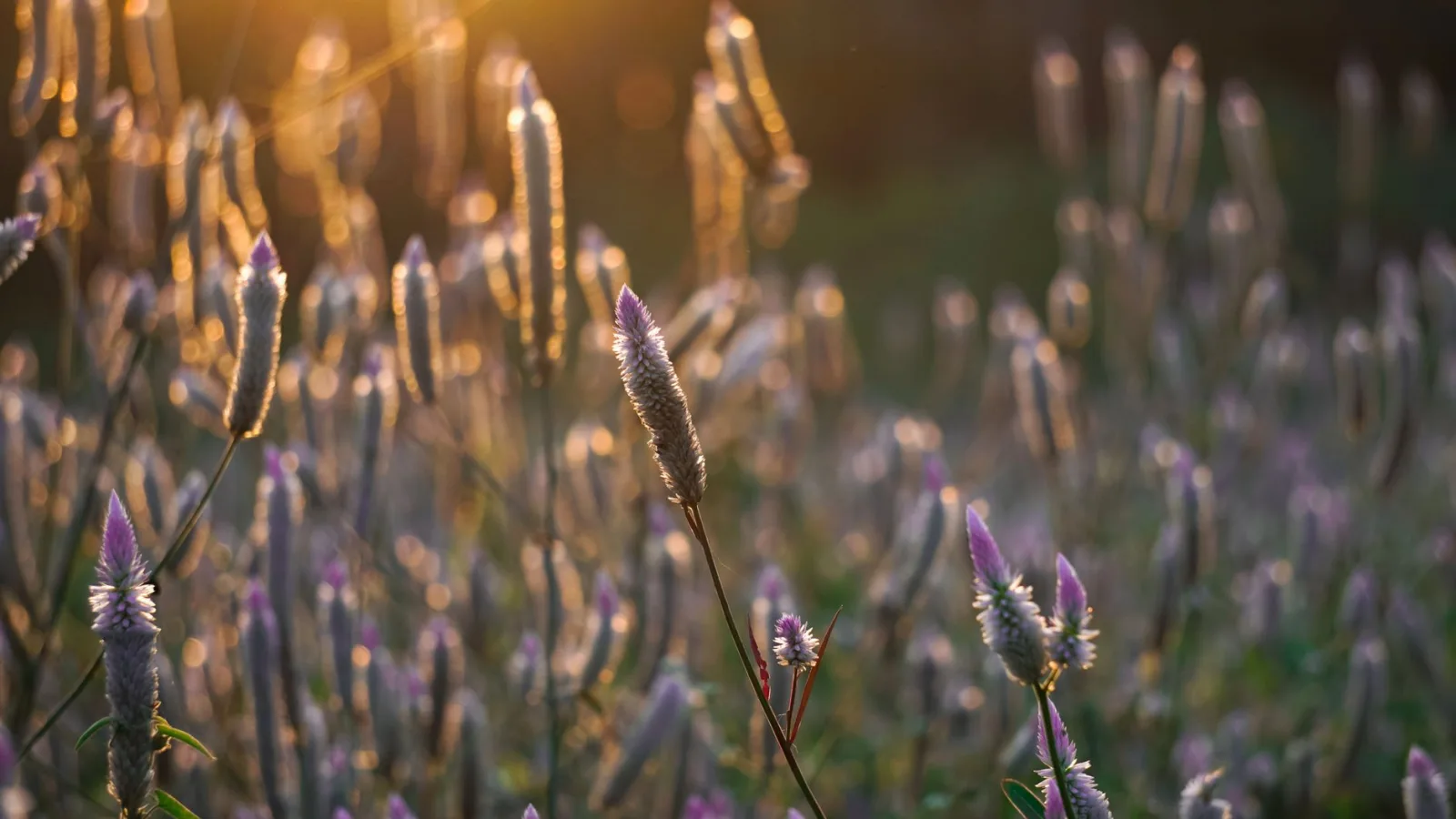
The Plant That Came Back After 60 Years
A birder in outback Queensland photographed an unfamiliar shrub and uploaded it to iNaturalist — and a botanist recognized a plant that hadn't been collected since 1967. The rediscovery started with nothing more than the habit of stopping in front of a plant you can't name.
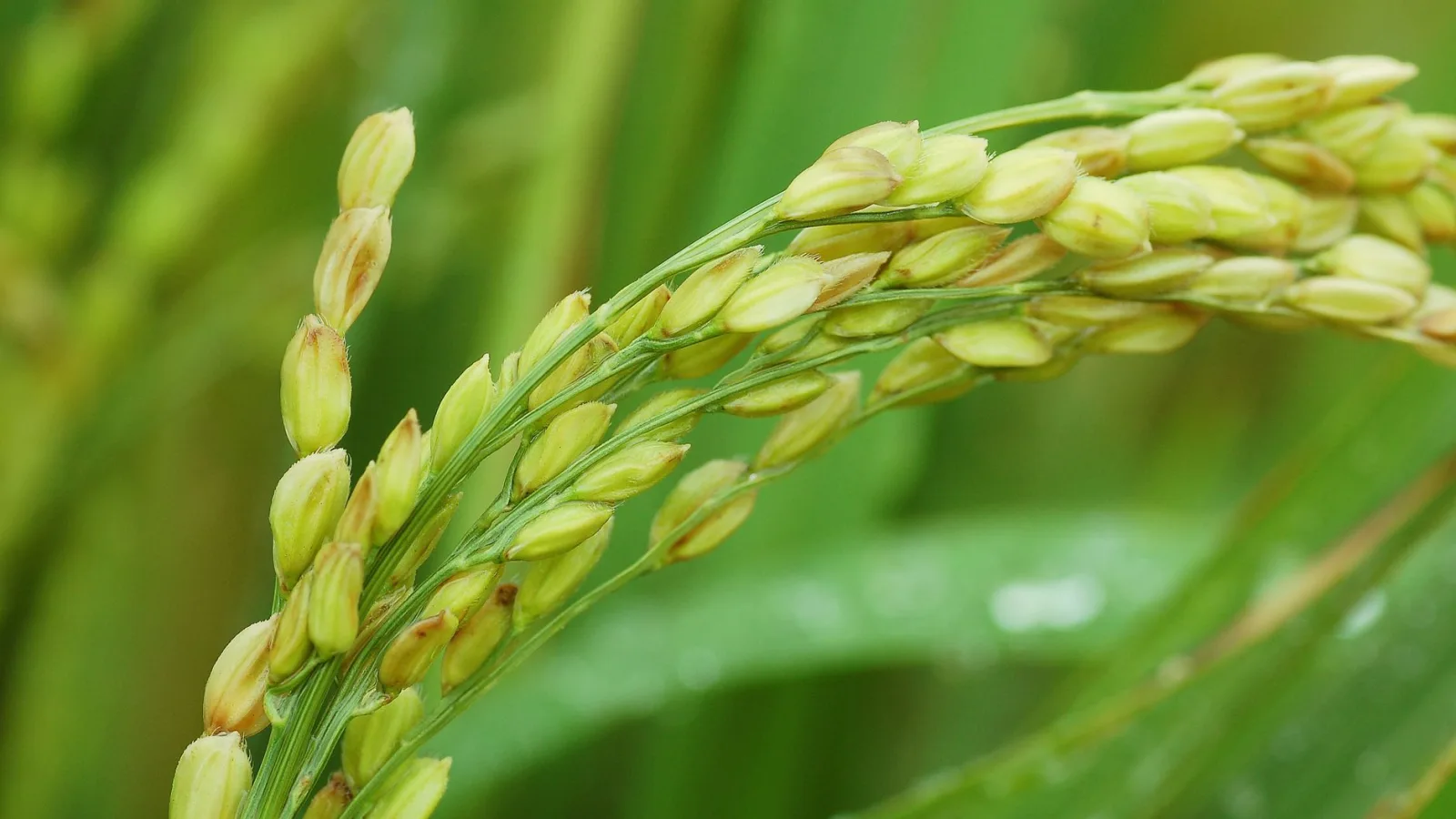
Selenium Helps Rice Take Up Less Heavy Metal
When rice paddies are contaminated, rice plants pull cadmium and arsenic into the grain. Researchers found that a trace element, selenium, prompts roots to release more oxygen and build a protective iron crust that keeps those metals out.
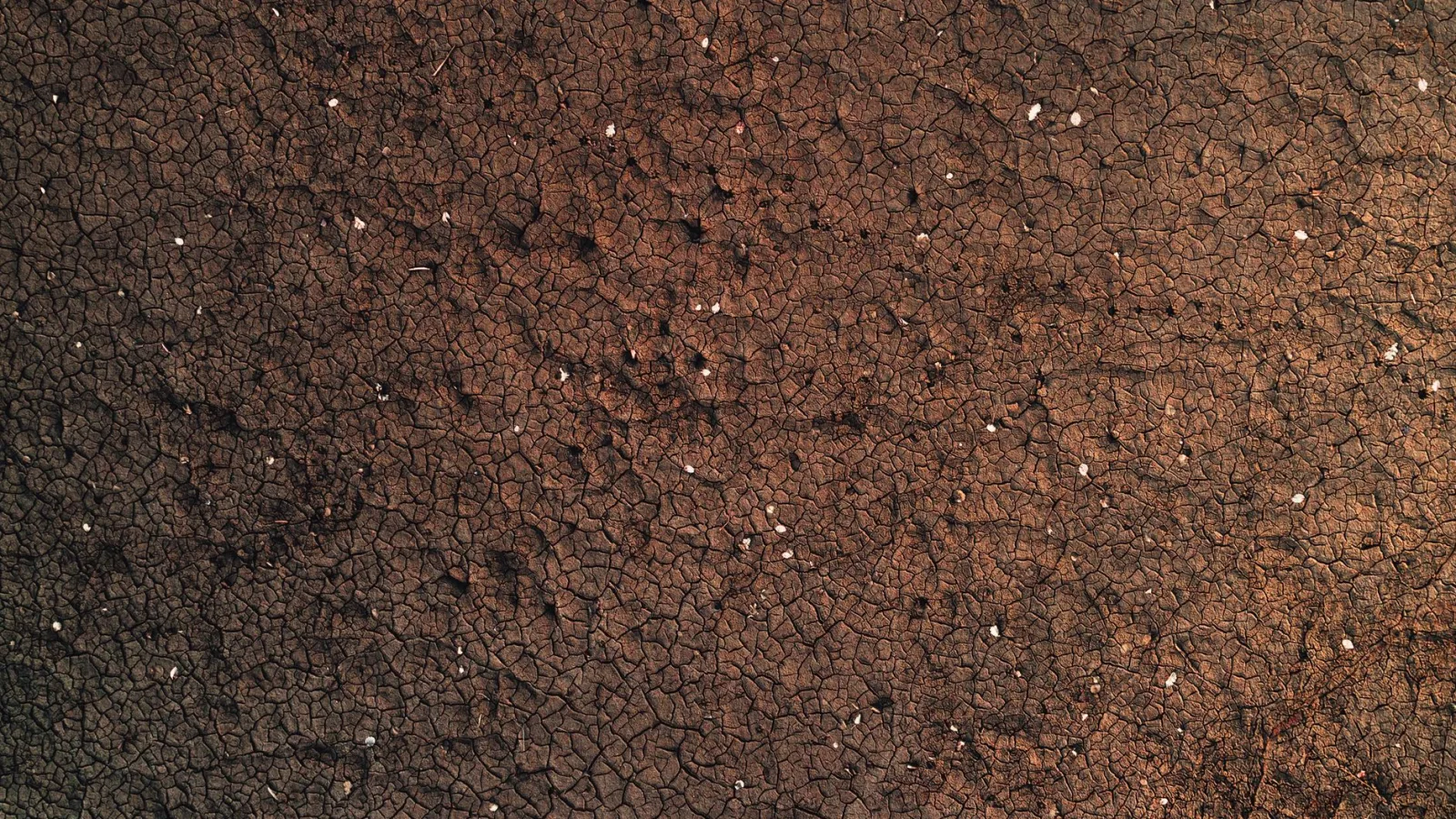
Soil Breathes, Too
A large analysis of forests worldwide finds that nitrogen first speeds up soil microbes, then—past a certain point—slows them dramatically. Here's what that tipping point means for the ground under your own garden beds.
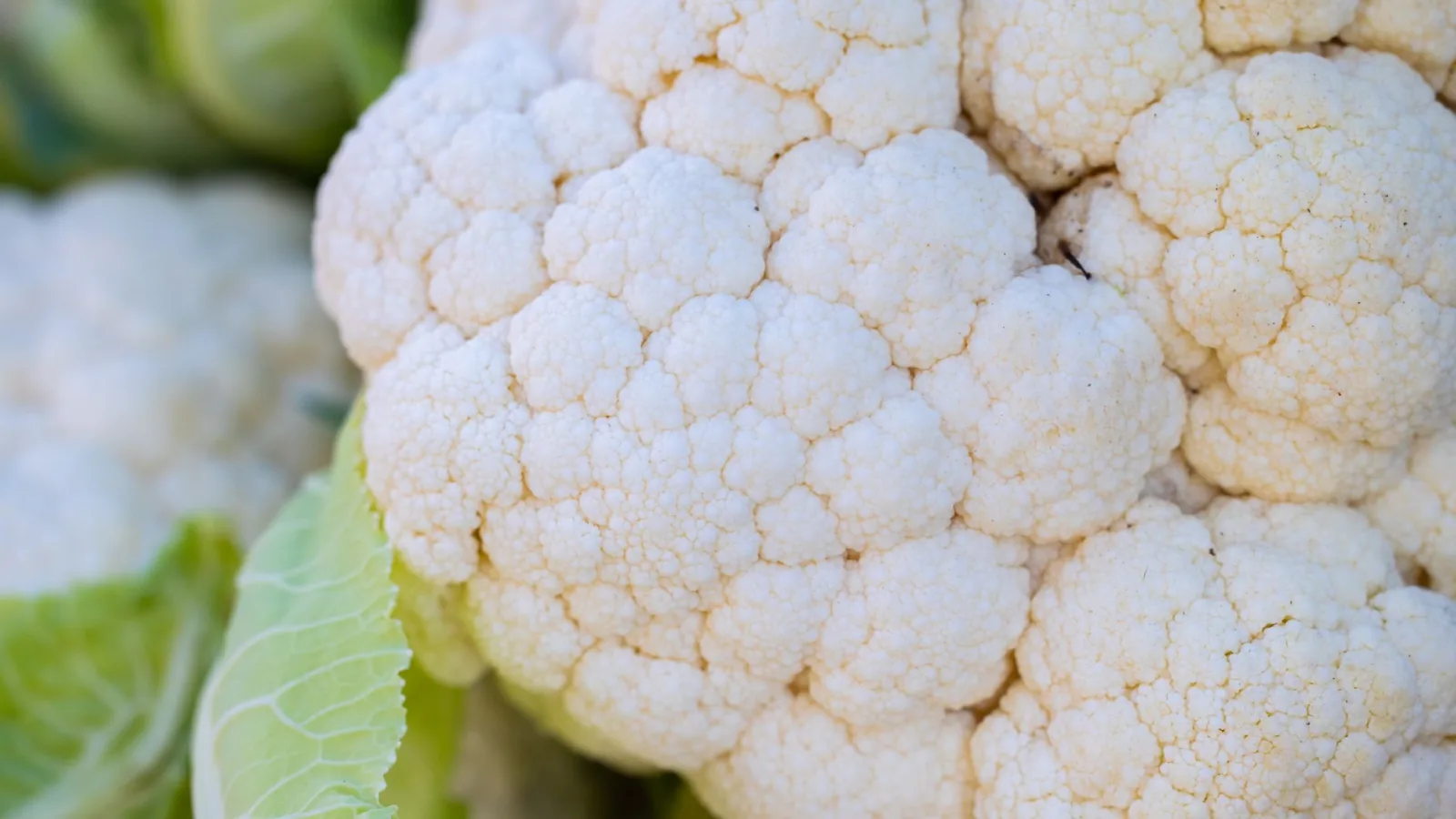
There's Protein in the Cauliflower Leaves You've Been Throwing Away
The big outer leaves you cut away from a cauliflower head are packed with protein, fiber, and vitamin C — but most of that protein stays locked inside tough cell walls. Researchers at RMIT University have found a way to open those walls with ultrasound, and there's plenty a home gardener can do with the leaves in the meantime.
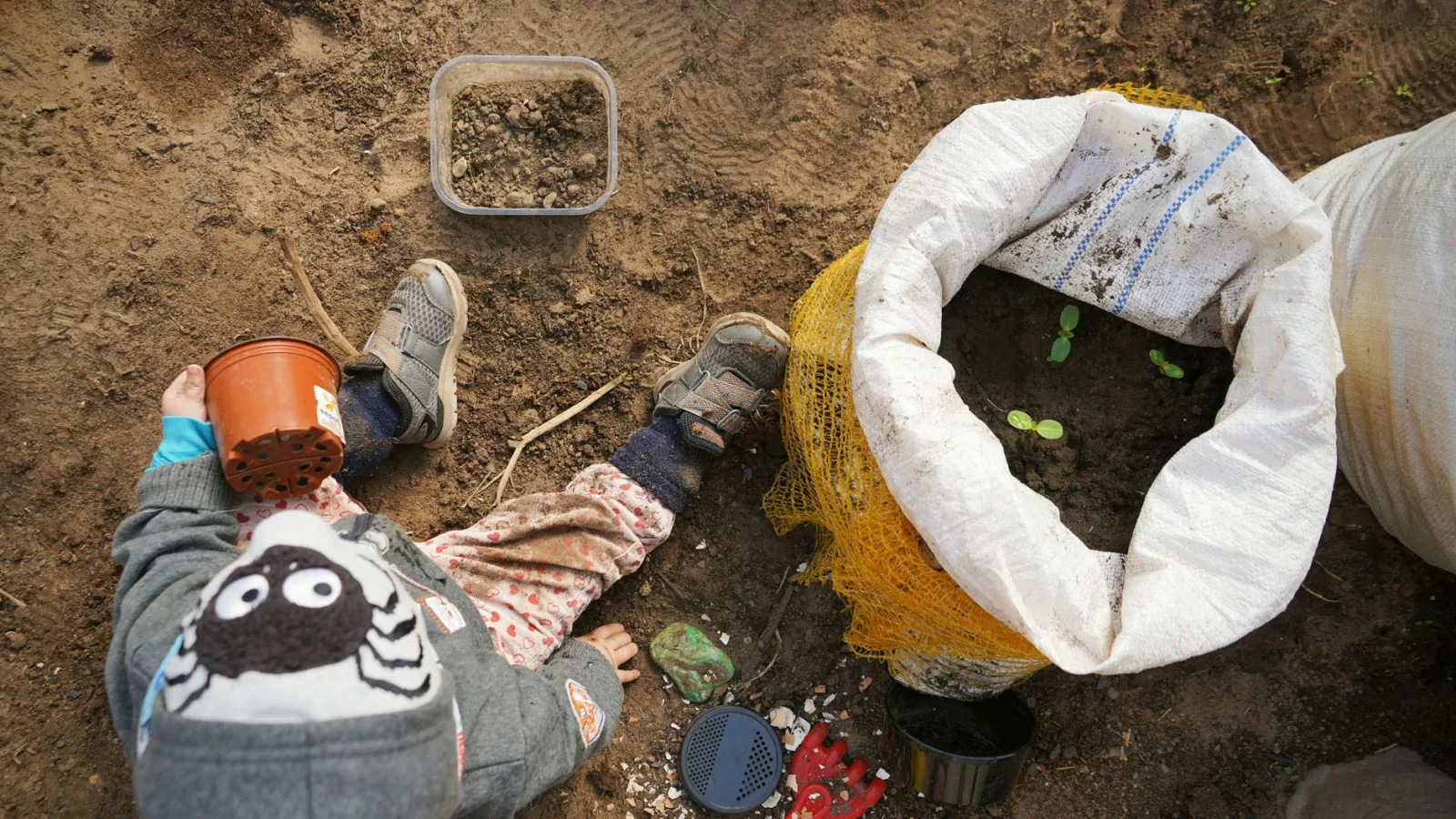
Dirt Under Their Fingernails
Preschoolers in Gyeryong City spend a full growing season returning to the same garden plot—planting seeds, watering, watching, and finally harvesting. What they learn there doesn't fit on a worksheet.
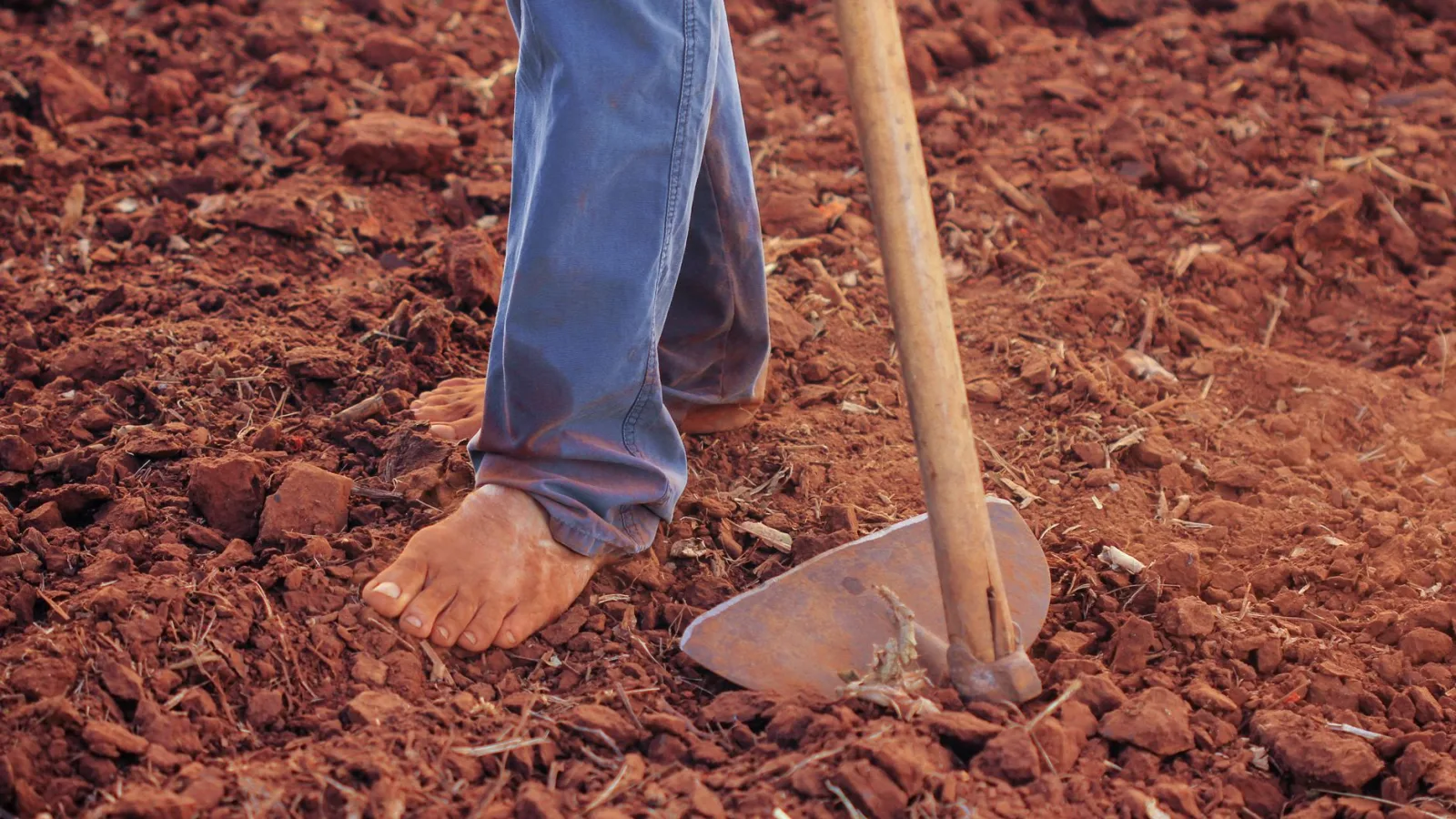
The Season Teachers Reach for a Hoe
Teachers in Chungbuk recently spent a training course learning to plant and tend vegetables themselves, on the theory that you can't hand a child a seed you've never grown. The same lessons transfer, more or less unchanged, to two or three pots on a balcony.
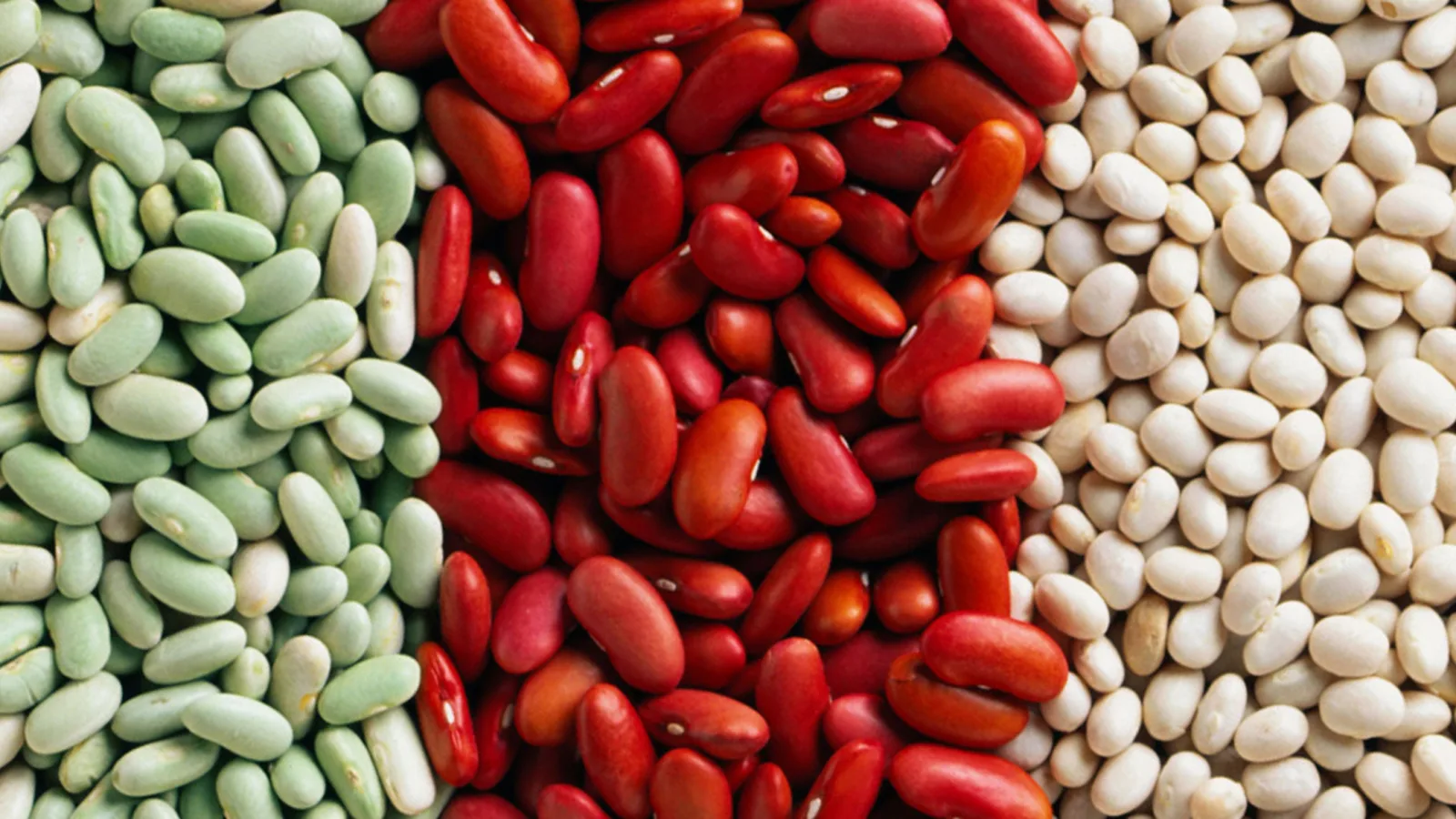
Can Milk Protein Grow Inside a Soybean Seed?
Researchers have gotten plant seeds to store casein, the main protein in milk, by leaning on the seed's own protein-packing machinery instead of a cow's mammary gland. It's still lab-and-greenhouse work — so in the meantime, here's how to carry a row of soybeans through the end of summer.
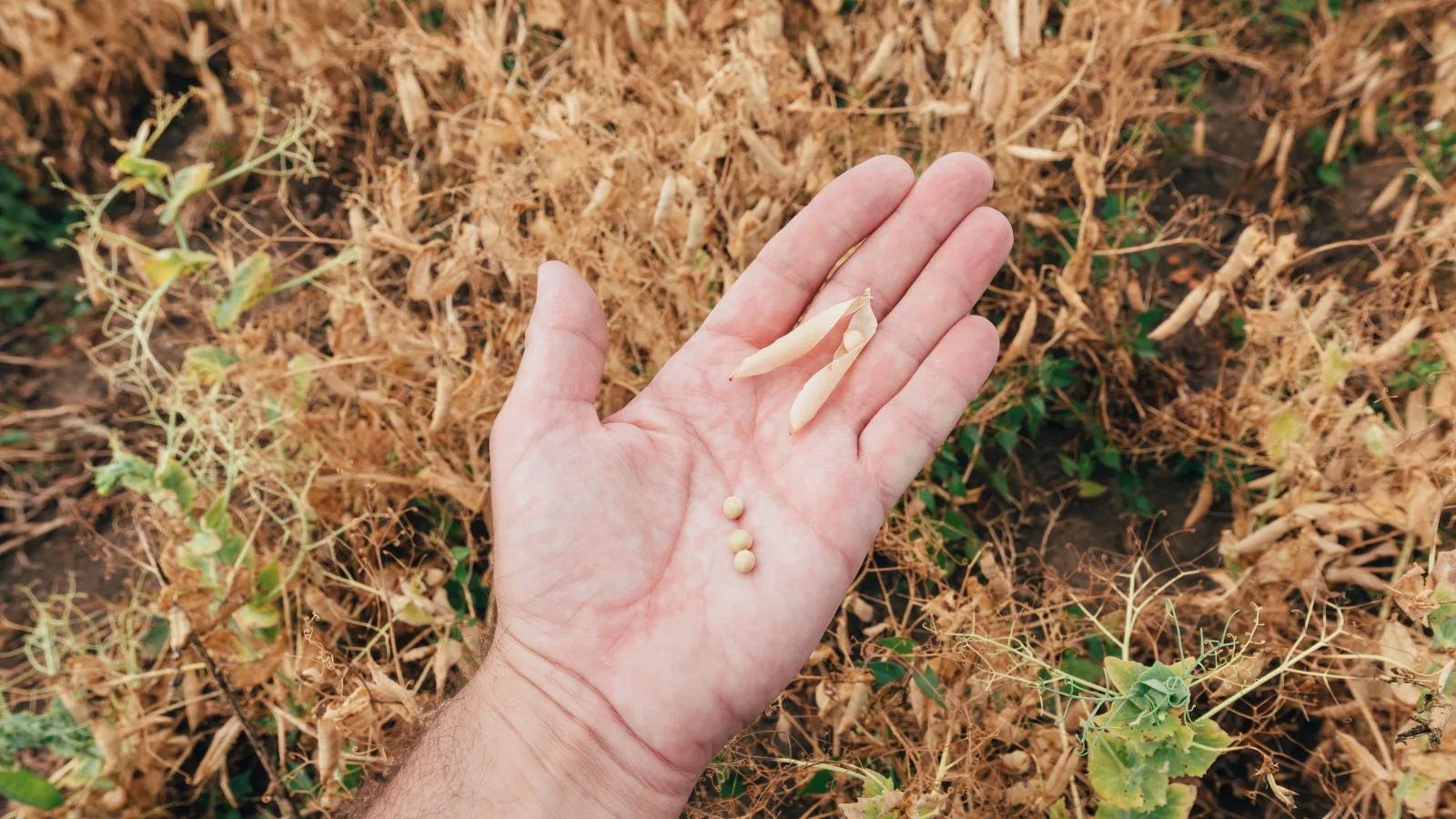
When Your Soybeans Keep Turning Yellow, Look for Nematodes in the Roots
Yellowing, stunted soybeans often point to soybean cyst nematodes, which hijack root cells into a private feeding station. Researchers are now working to shut off that supply line, and home gardeners have simpler defenses of their own.
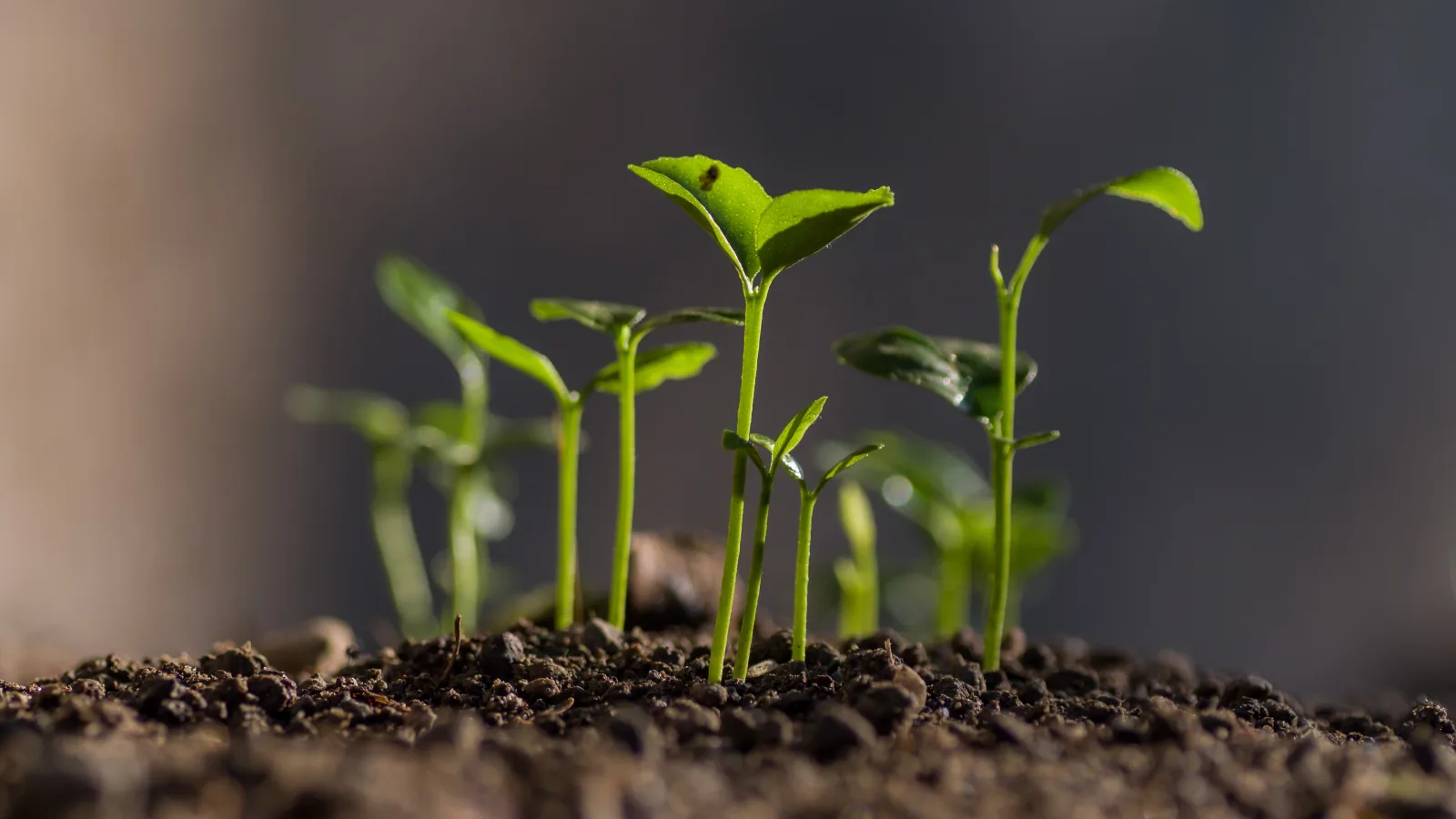
Meet the Heat-Tough Earthworm That Transforms Garden Soil
Earthworms quietly build healthy soil, but heat and drought are thinning their numbers just when gardens need them most. Here's what researchers are chasing and how you can invite more worms into your beds.
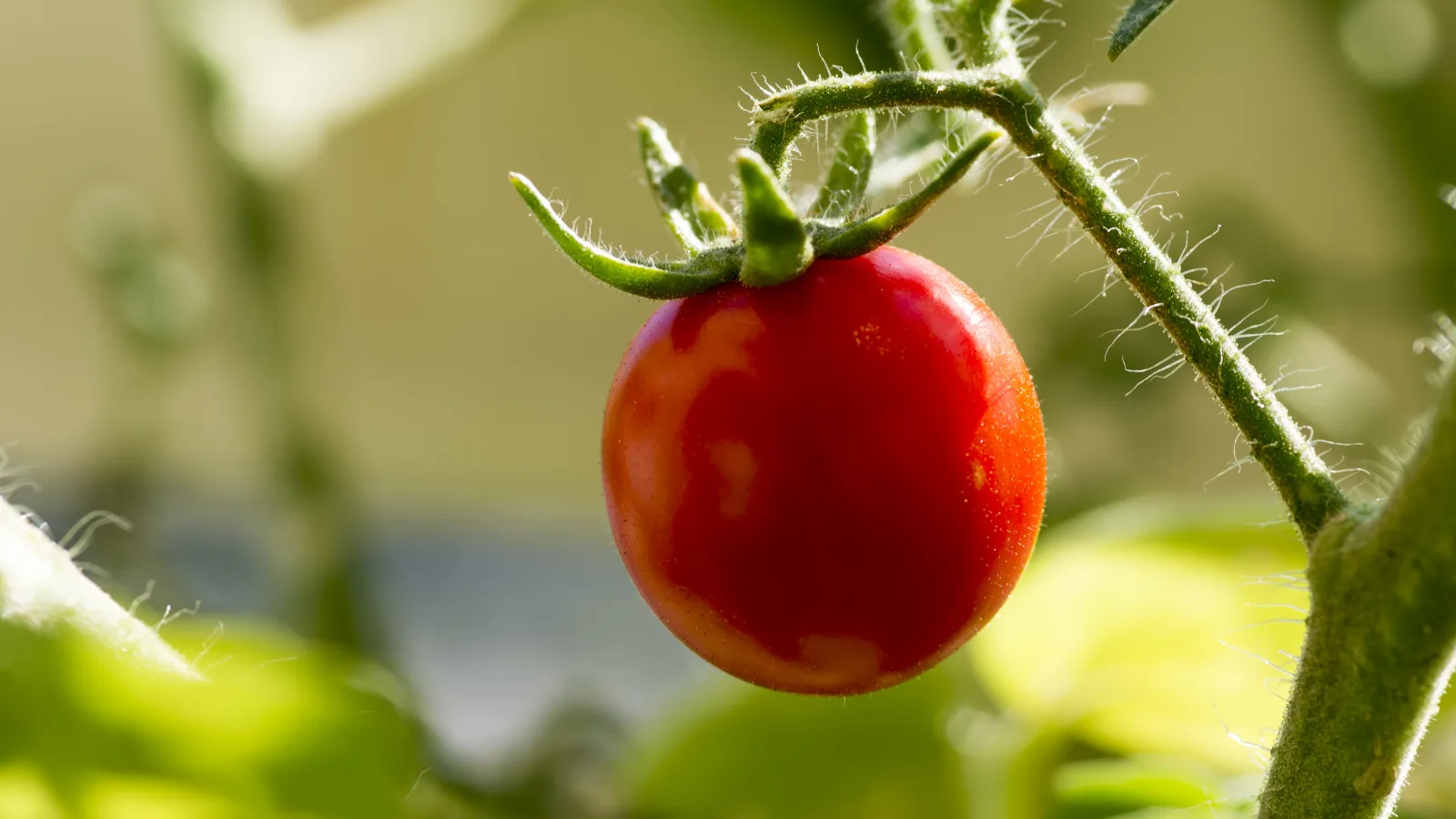
Mix Up Your Plantings, and Your Garden Holds Steady
Fill a whole row with a single crop and one bad summer, or one disease, can wipe it out. German researchers found that dividing a field, rotating crops, and planting a mix cushions both your harvest and the prices you get — and the same logic scales right down to a backyard garden.
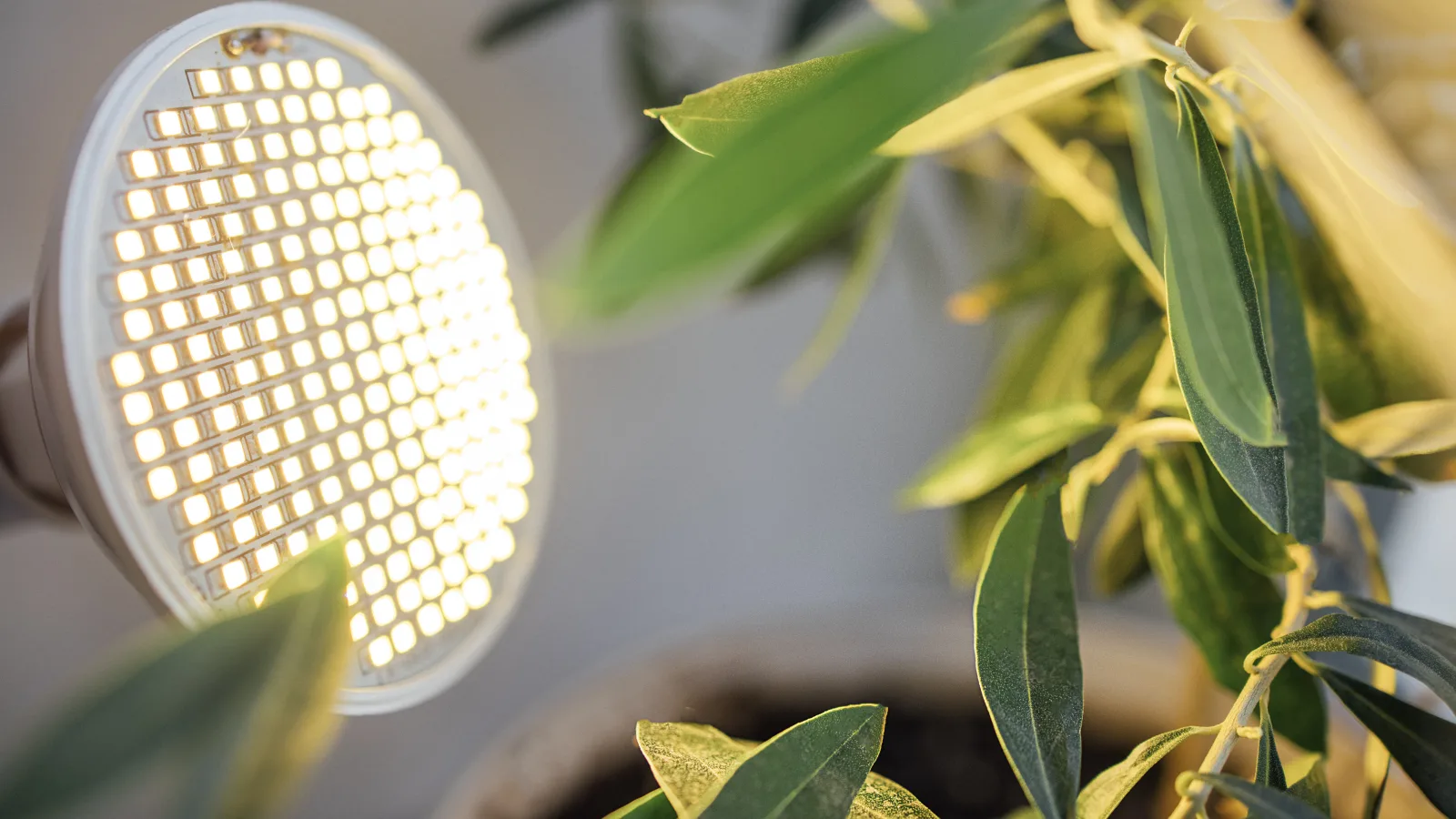
Whether Your Indoor Garden Is Actually Green Depends on Where Your Electricity Comes From
Growing lettuce on your balcony feels like an easy win for the planet—no shipping, no packaging. But researchers at McGill University found that whether indoor growing actually beats field farming on carbon comes down to one thing: where the electricity is generated.
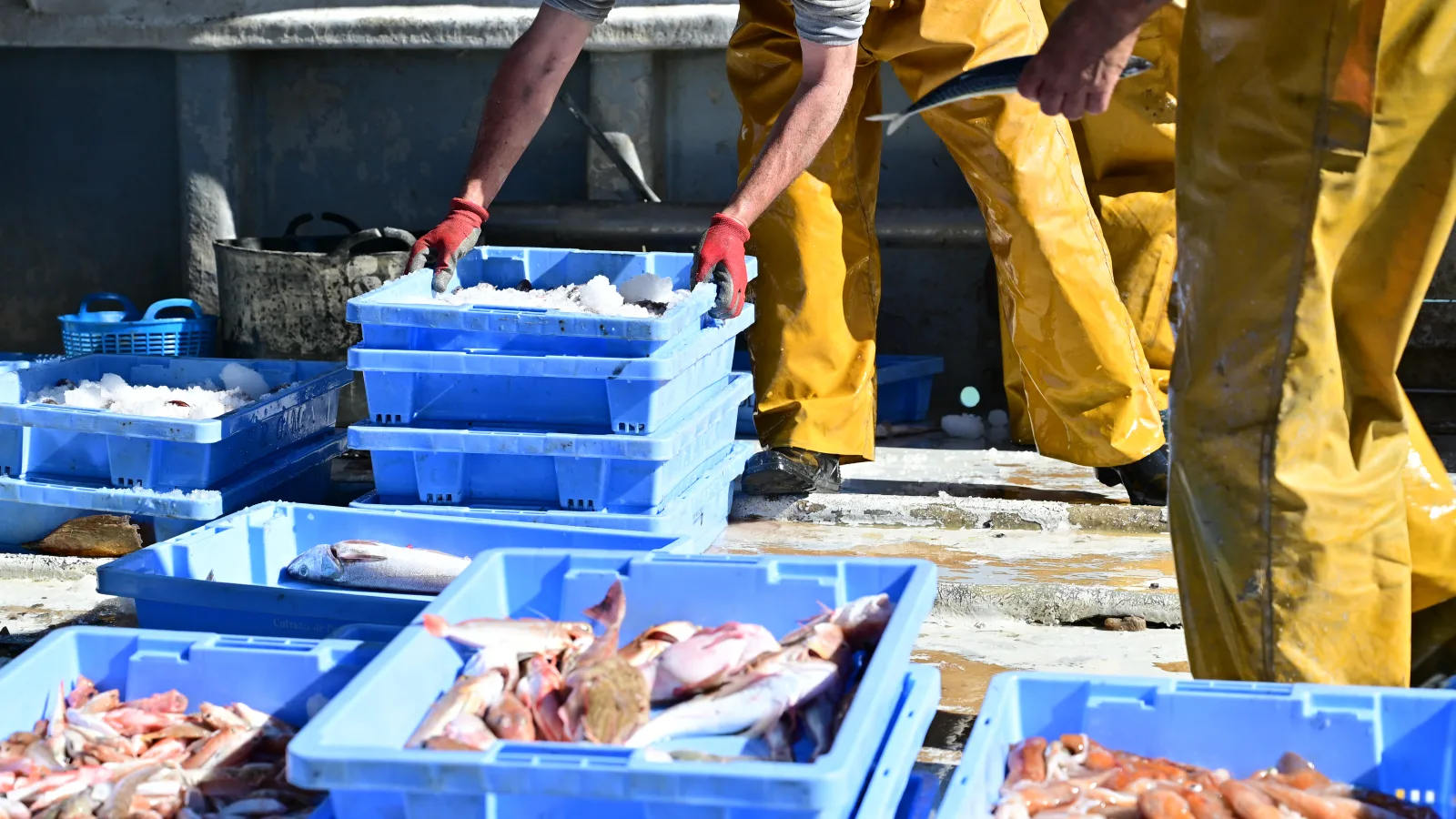
How a Single Fillet of Fish Reaches Our Hands
The vegetables we grow ourselves we know from seed to harvest, but the fish on our plate arrives with its story hidden. A digital platform called IKAN is trying to make that story visible—starting with the migrant workers who catch it.
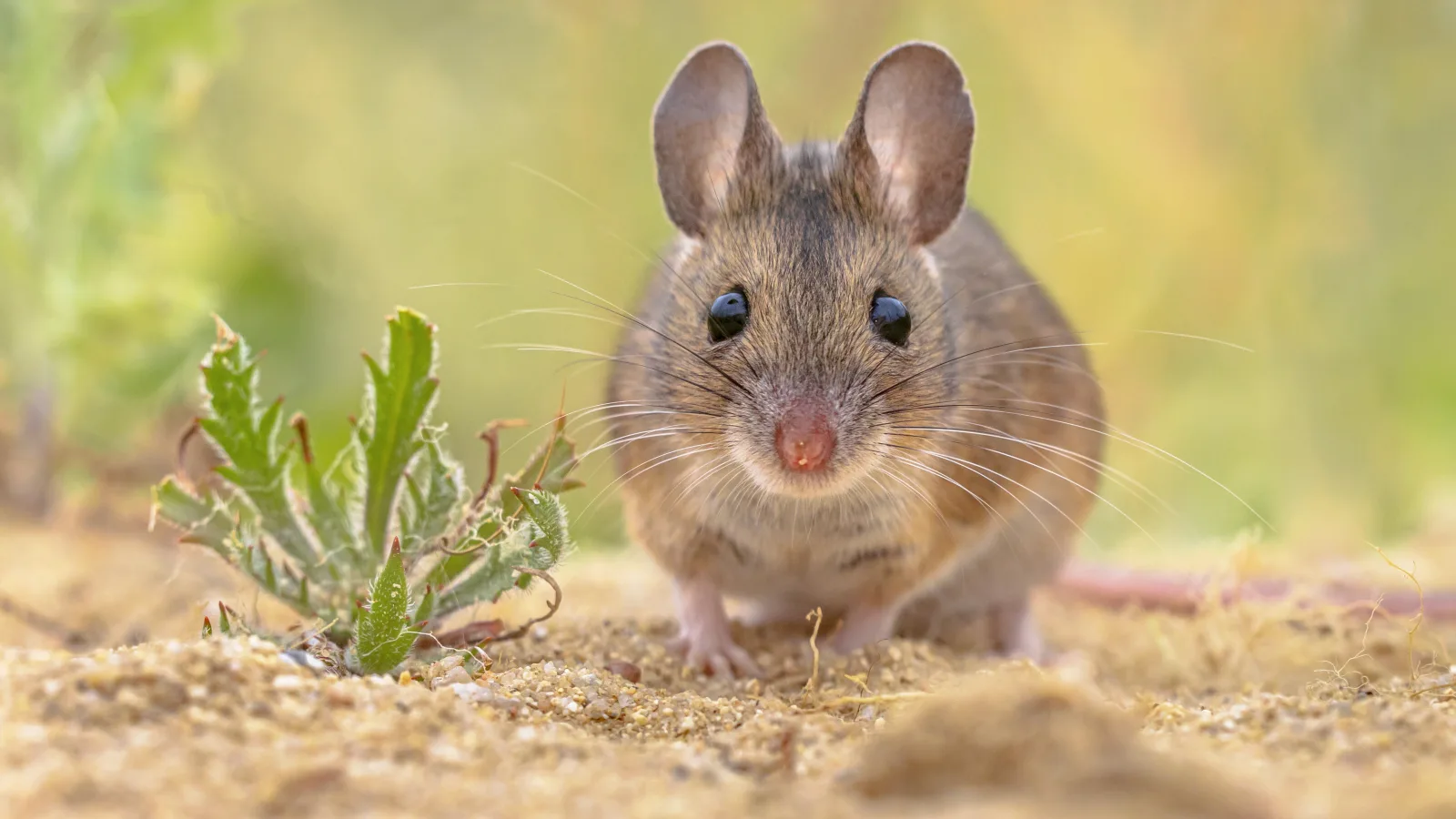
What to Do Before Mice Move In
A mouse plague overran Western Australia's farmland after the first few mice went unchecked. Here's why mouse numbers explode so quickly — and how to keep them from ever settling into your garden.
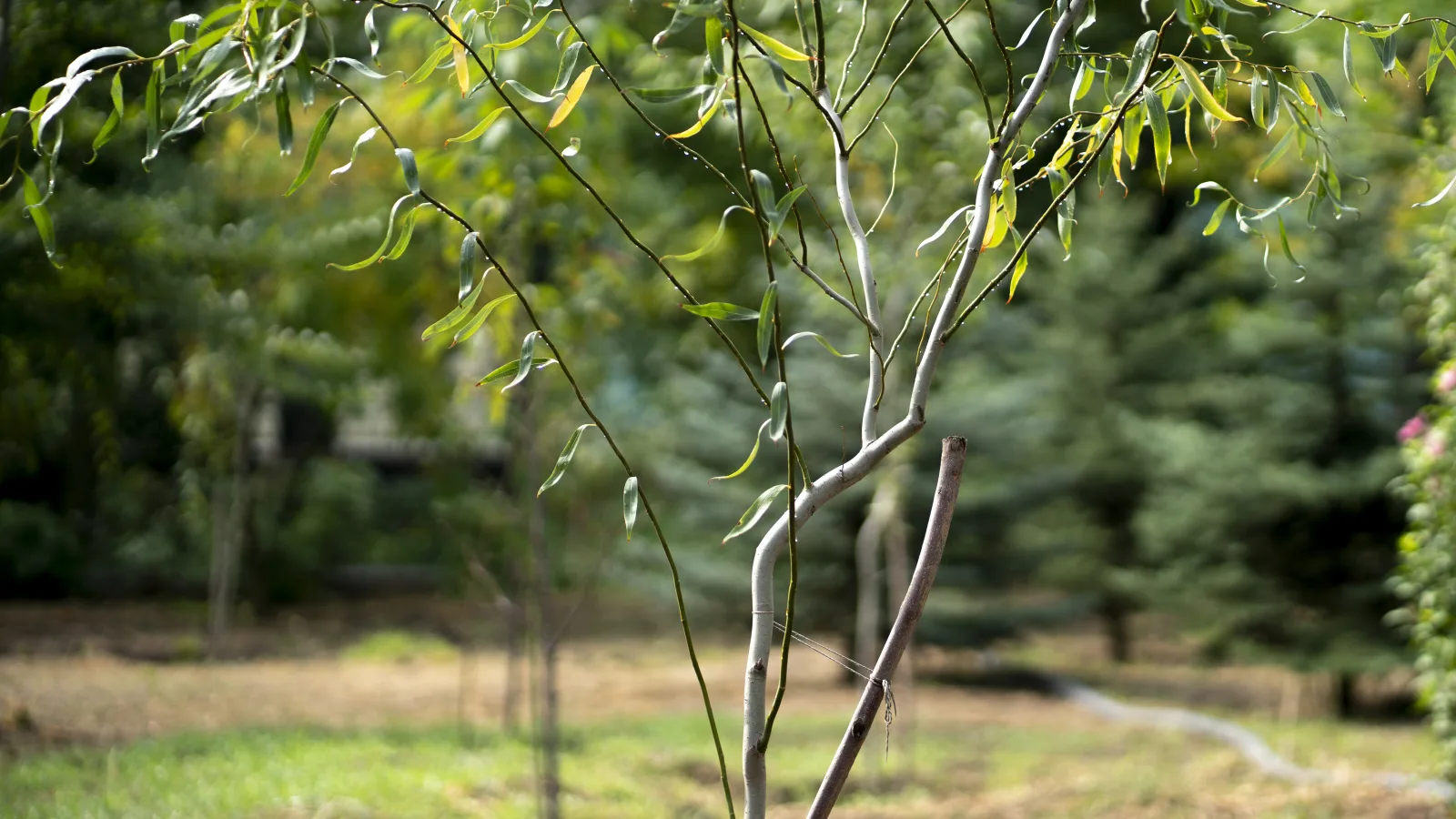
We Planted More Trees, and Fewer Birds Came
Planting trees is usually good for wildlife—but a study of Japanese paddy wetlands found that shelterbelts can crowd out grassland birds, cutting their numbers by more than 70%. Before you plant, take a look at who already lives on the land.
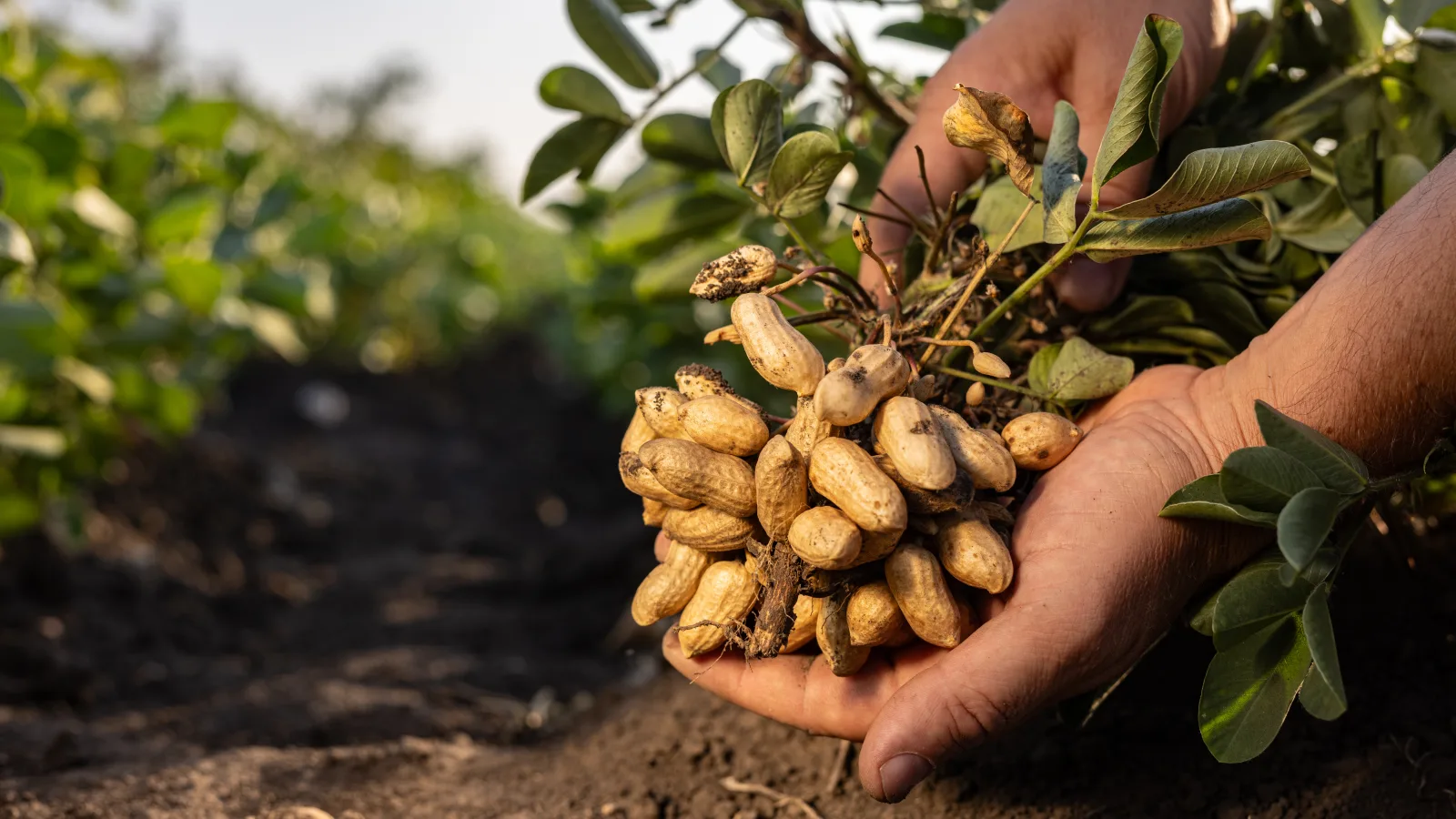
The Peanut Genome Has Been Fully Decoded for the First Time
An international team has decoded the entire peanut genome for the first time, untangling a large, complex code that formed when two wild species crossed long ago. The breakthrough promises faster breeding of hardier, safer varieties—plus a good reason to grow a few plants in your own garden this year.
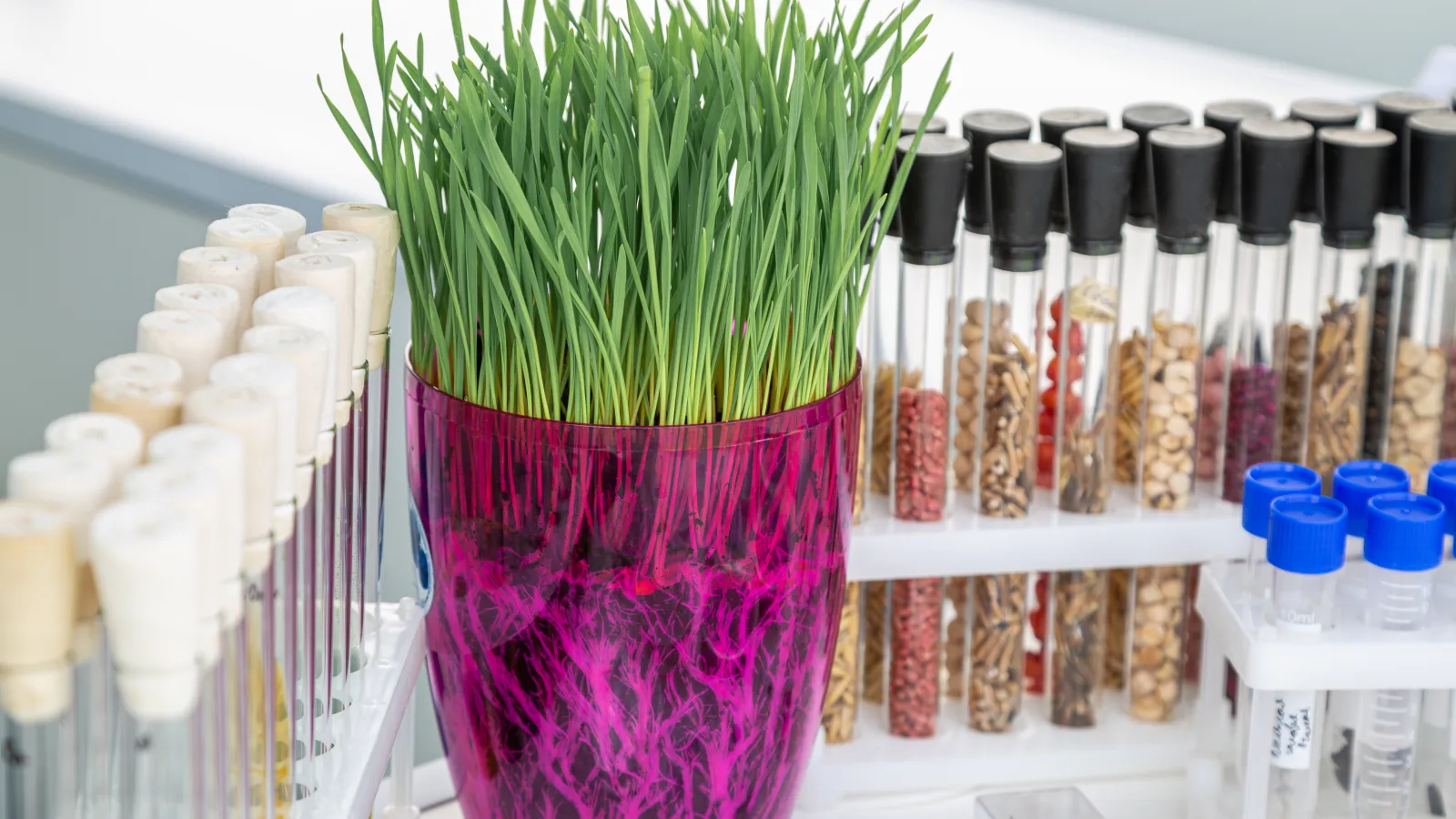
A Glow in the Leaf: Finding Clues to Better Crops, Faster
A new lab technique makes plant leaves glow to reveal which genes to edit, cutting the search time behind crop improvement. Here's what it could mean for the varieties you grow at home.
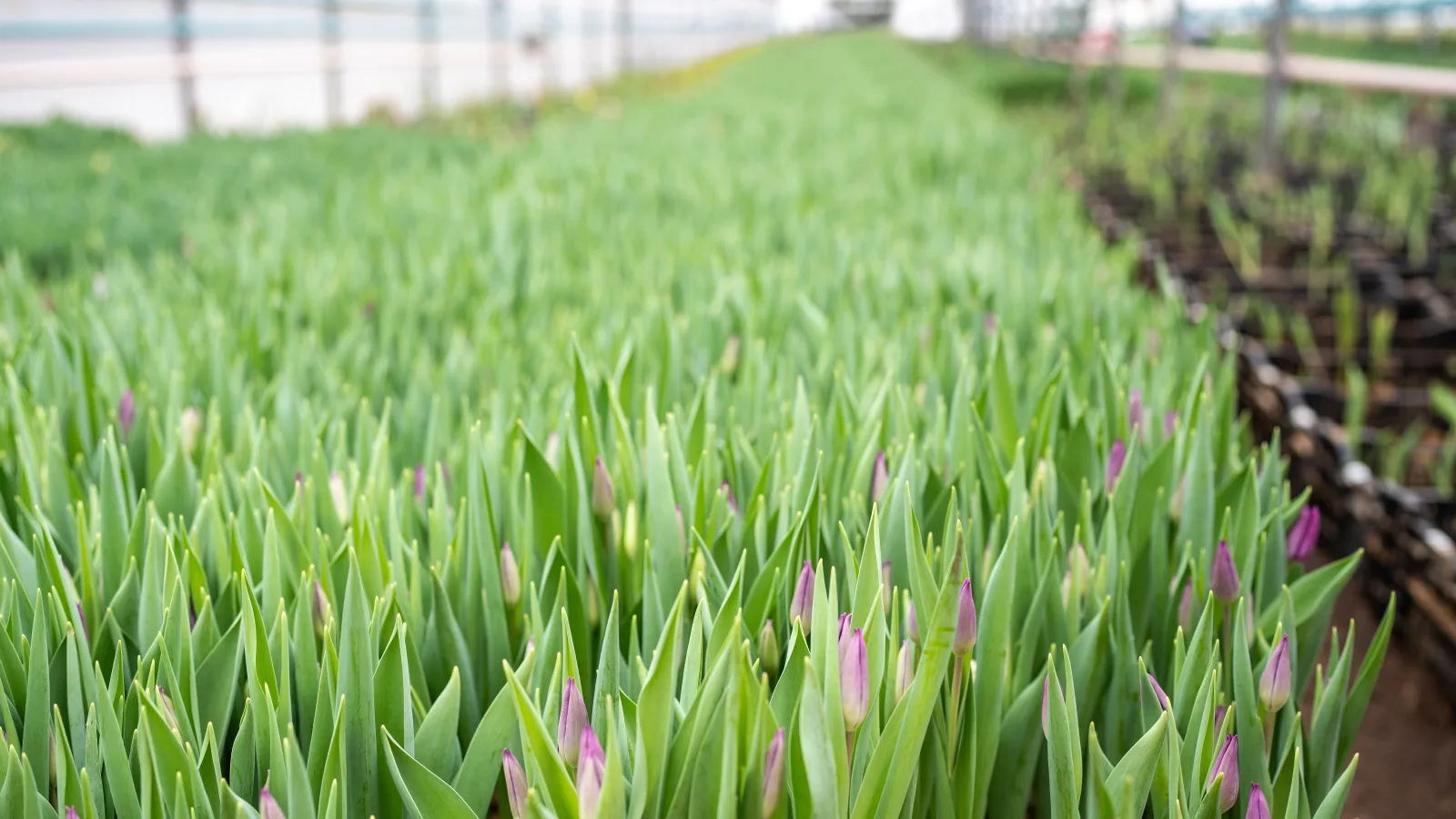
The Netherlands, Export Powerhouse — Until You Look at the Dinner Table
The Netherlands ranks as the world's second-largest food exporter, but a Wageningen University study that counts calories, protein, farmland, and feed — imports included — finds its real contribution to the global food supply is far smaller than its reputation. A balcony garden makes the same point: what actually reaches your table can differ from the headline numbers.
A New Way to Cut Grain Pests, Borrowed From a Familiar Fermentation Microbe
Researchers are testing a gentler way to fight the beetles that infest stored grain: using a well-known fermentation bacterium to switch off a single pest gene, without spraying chemicals on the food you eat.
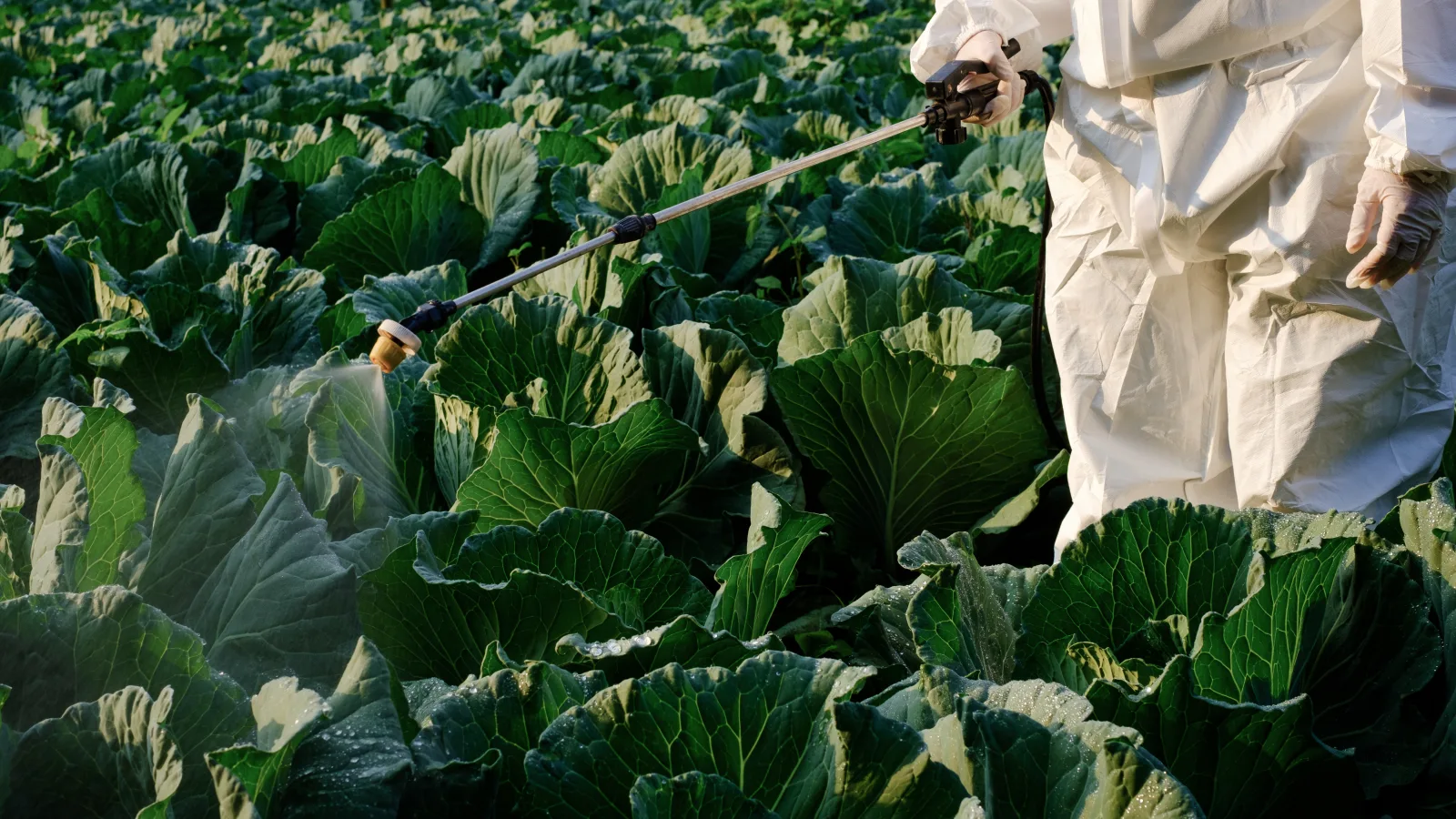
The Pesticide Rollback Debate: What European Scientists Are Warning About
The European Commission wants to streamline how pesticides are approved, but a group of independent scientists warns that faster paperwork could quietly weaken the science that keeps our food safe. Here's why it matters, even at a Korean dinner table—and what you can control from your own garden.
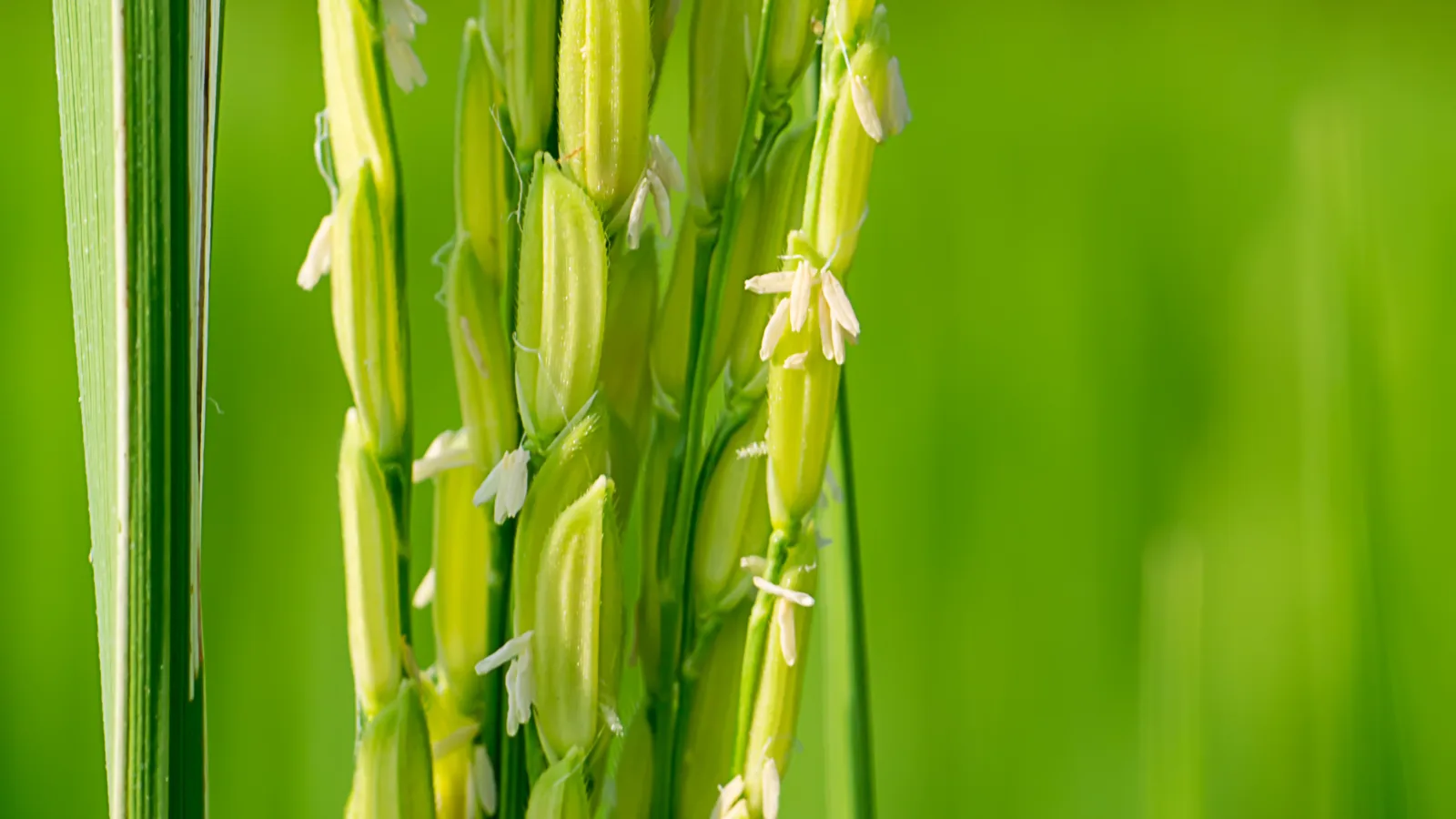
Why Rice Blossoms Chose the Dawn
A rice flower stays open for two hours at most, and rising summer heat is wrecking pollination inside that window. Scientists have found a gene, EMF3, that lets the plant bloom at dawn — before the temperature turns hostile.
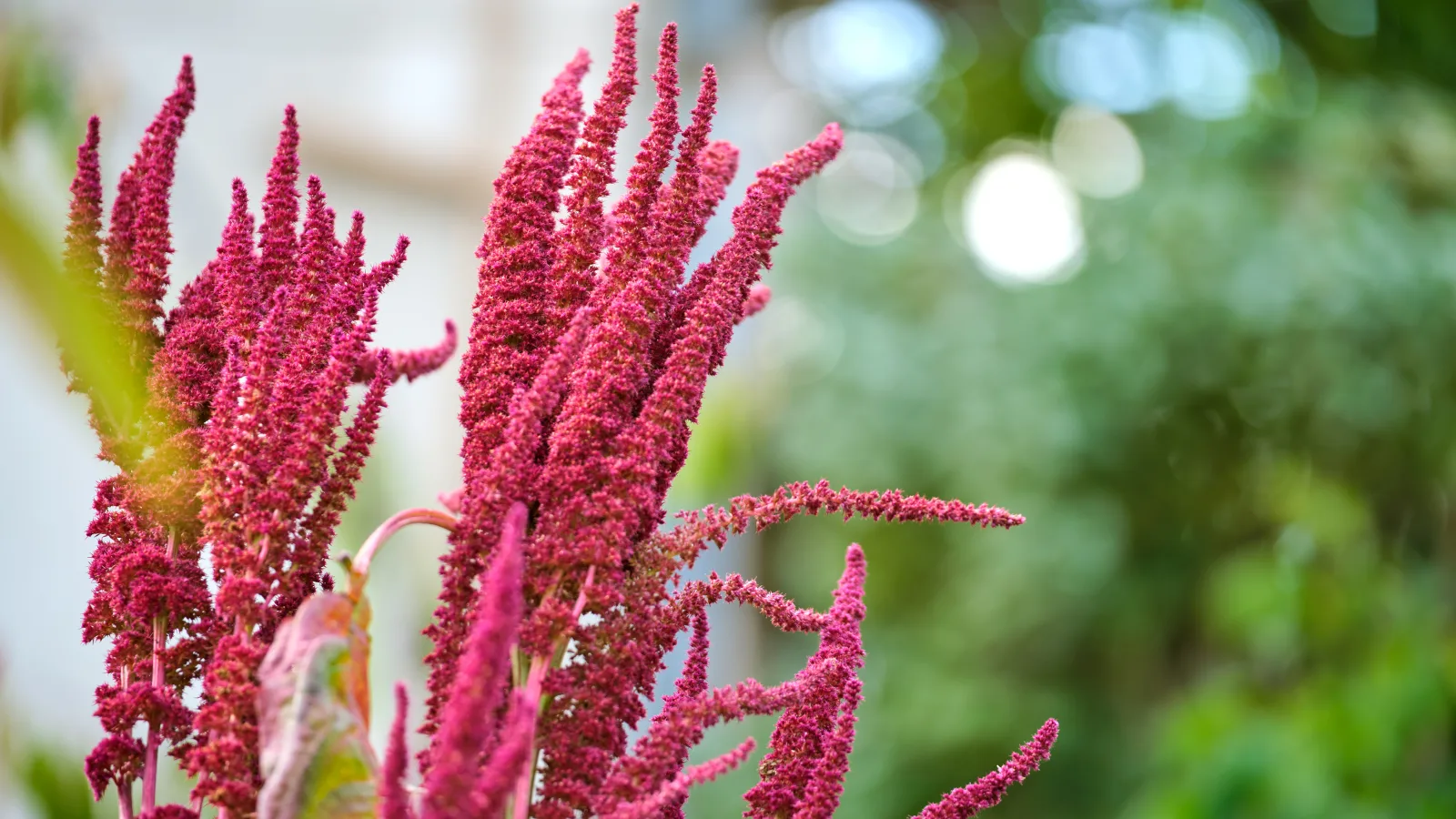
Amaranth: The Leafy Green That Thrives in Scorching Heat
When summer heat sidelines lettuce and spinach, amaranth steps in — a fast-growing, sun-tough leafy green that Rutgers University researchers found to be rich in iron, calcium, and protein. Here's how to grow it and put it to work in the kitchen.
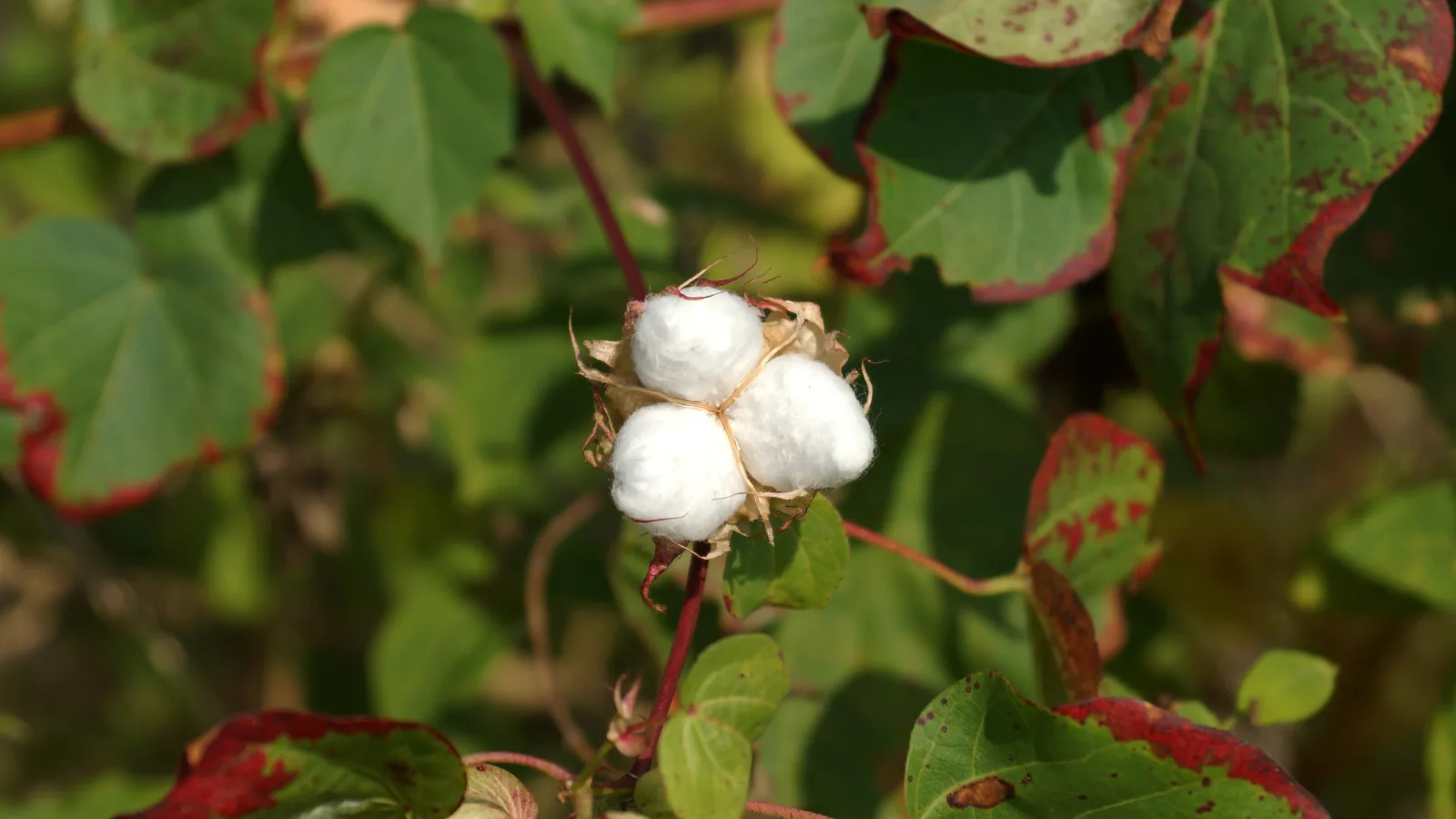
How Cotton Fights Back
Bacterial blight can quietly devastate a container-grown cotton plant, spreading from leaf to boll before most gardeners notice. New resistance-mapping research is helping breeders—and backyard growers—get ahead of the disease.
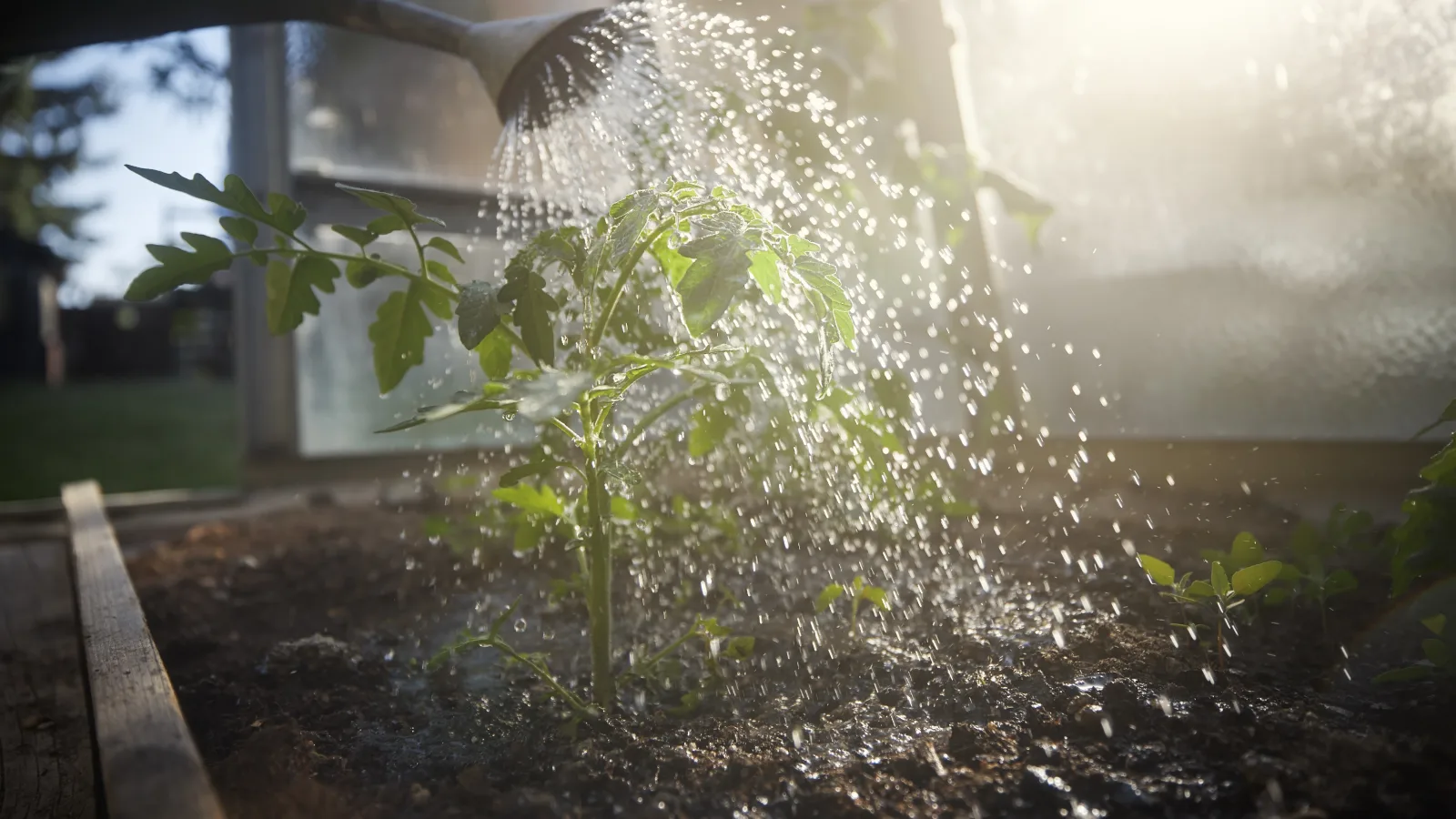
Why Leaves Keep Working Through Heat and Dry Air
A new study from Australia's ANU reveals that heat and dry air stress plants in distinct ways. Knowing the difference can help you water and shade your summer garden far more effectively.
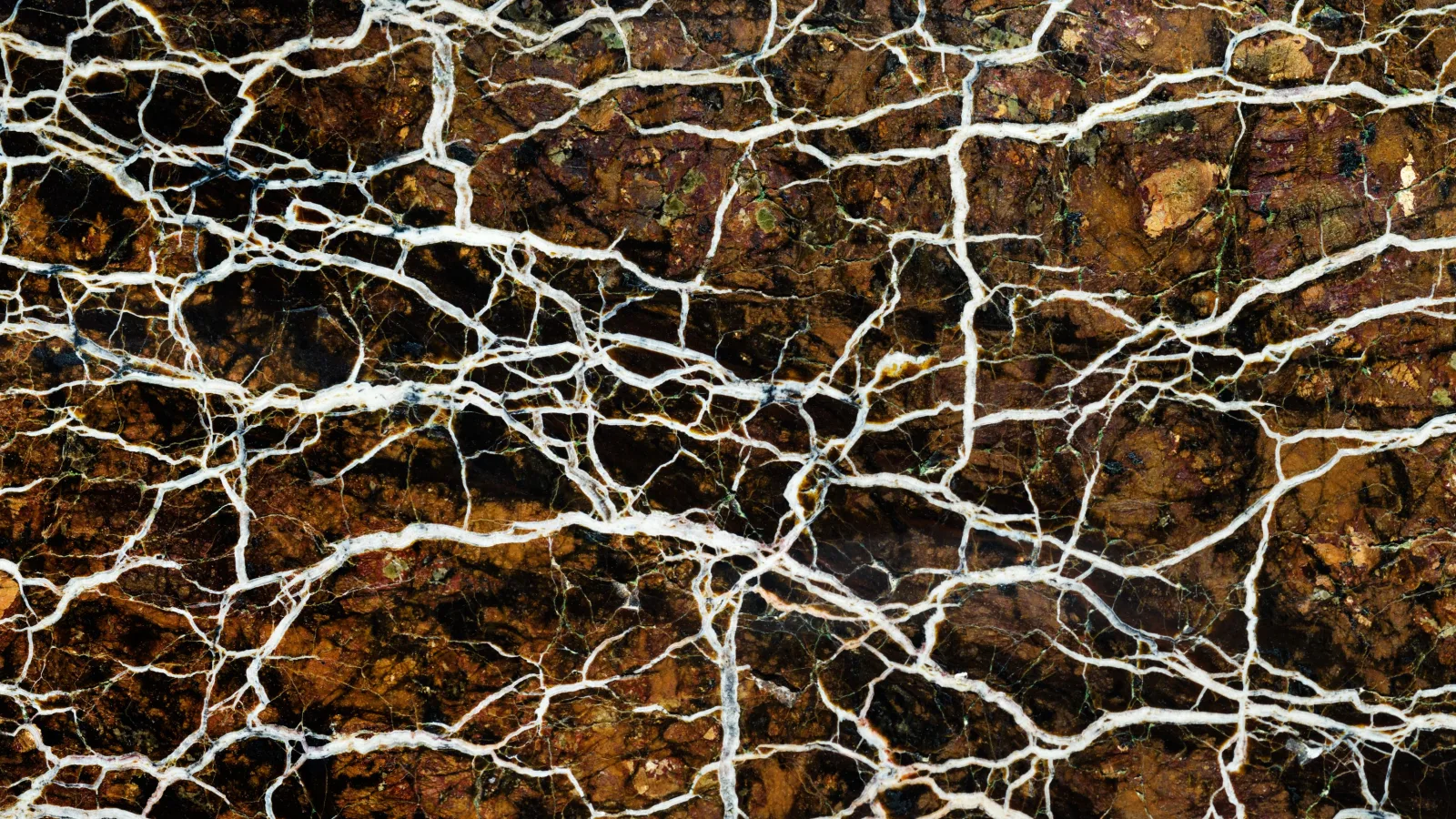
Beneath Your Garden Bed, Fungi Are Feeding Your Plants
An international research team has estimated the total length of Earth's mycorrhizal network for the first time — roughly 110 quadrillion kilometers of invisible fungal threads that feed nearly every plant on land, including the ones in your garden.
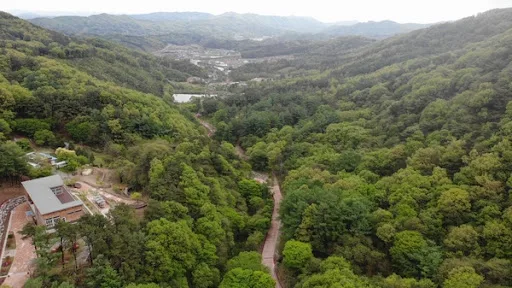
A Garden That Gets Little Hands Dirty
A season-long garden program in Gyeryong City showed what a few pots of soil can do for young children — and why every family can easily try it at home.
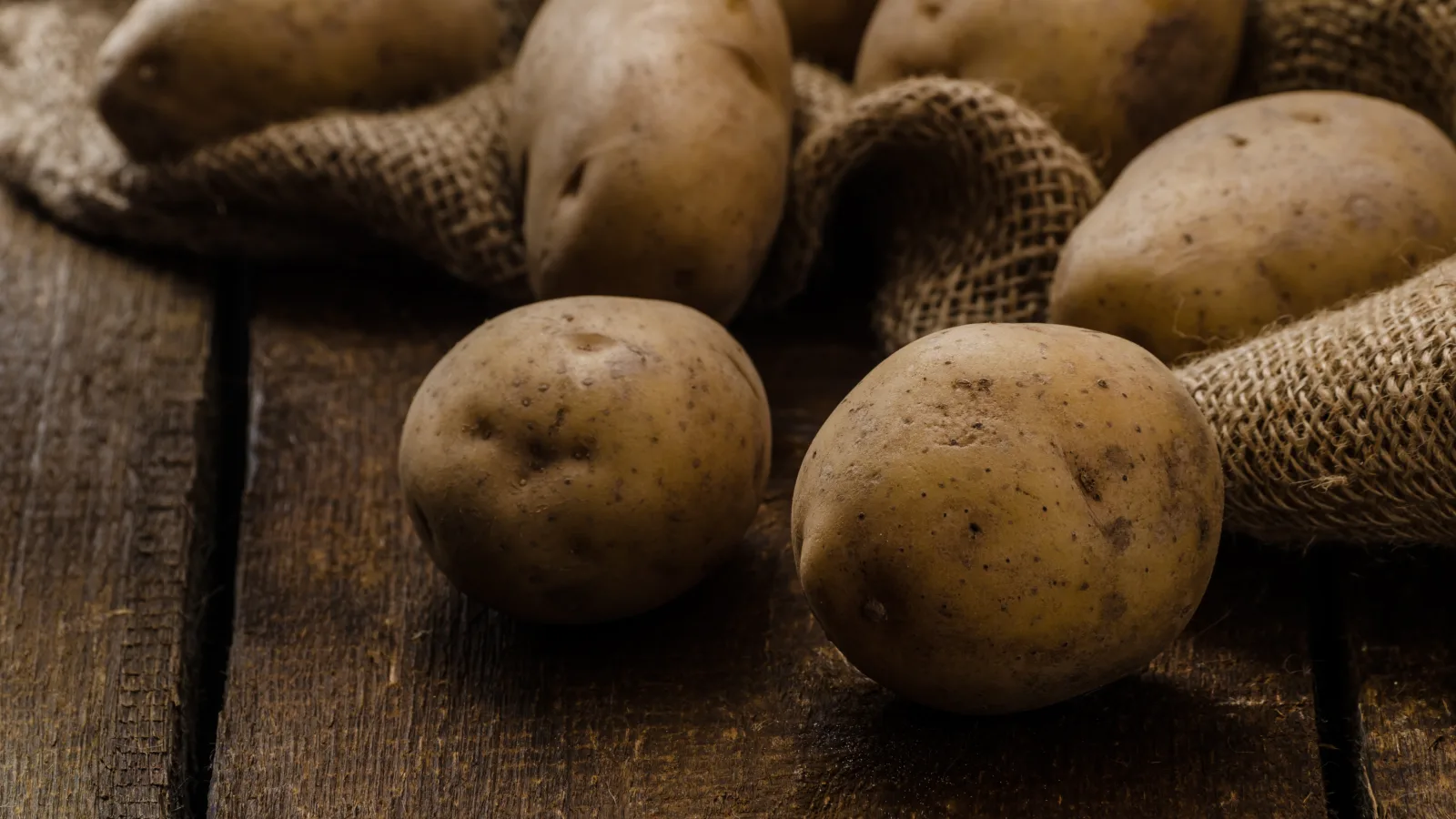
800 kg of Garden Potatoes, Headed for a Neighbor's Table
A community garden in Daejeon donated 800 kg of homegrown potatoes to a local food bank, sending the season's harvest to families in need. Here's why potatoes make such a good crop to share, and how you can pass along your own garden surplus this summer.
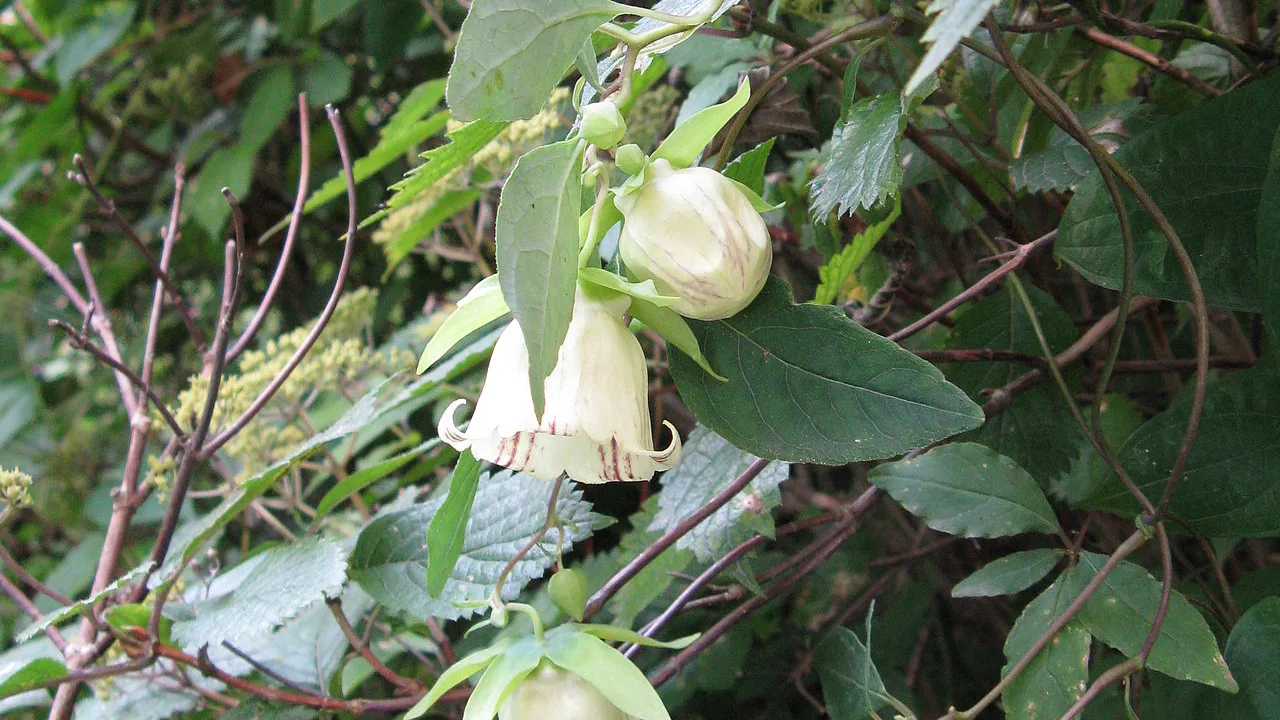
A Single Deodeok Vine on the Balcony, Fragrance and All
Sow deodeok (a bellflower-family root prized in Korean cooking and traditional medicine) in a deep balcony pot, give it a stake to climb, and enjoy its scent for two or three seasons until the roots are ready to harvest.
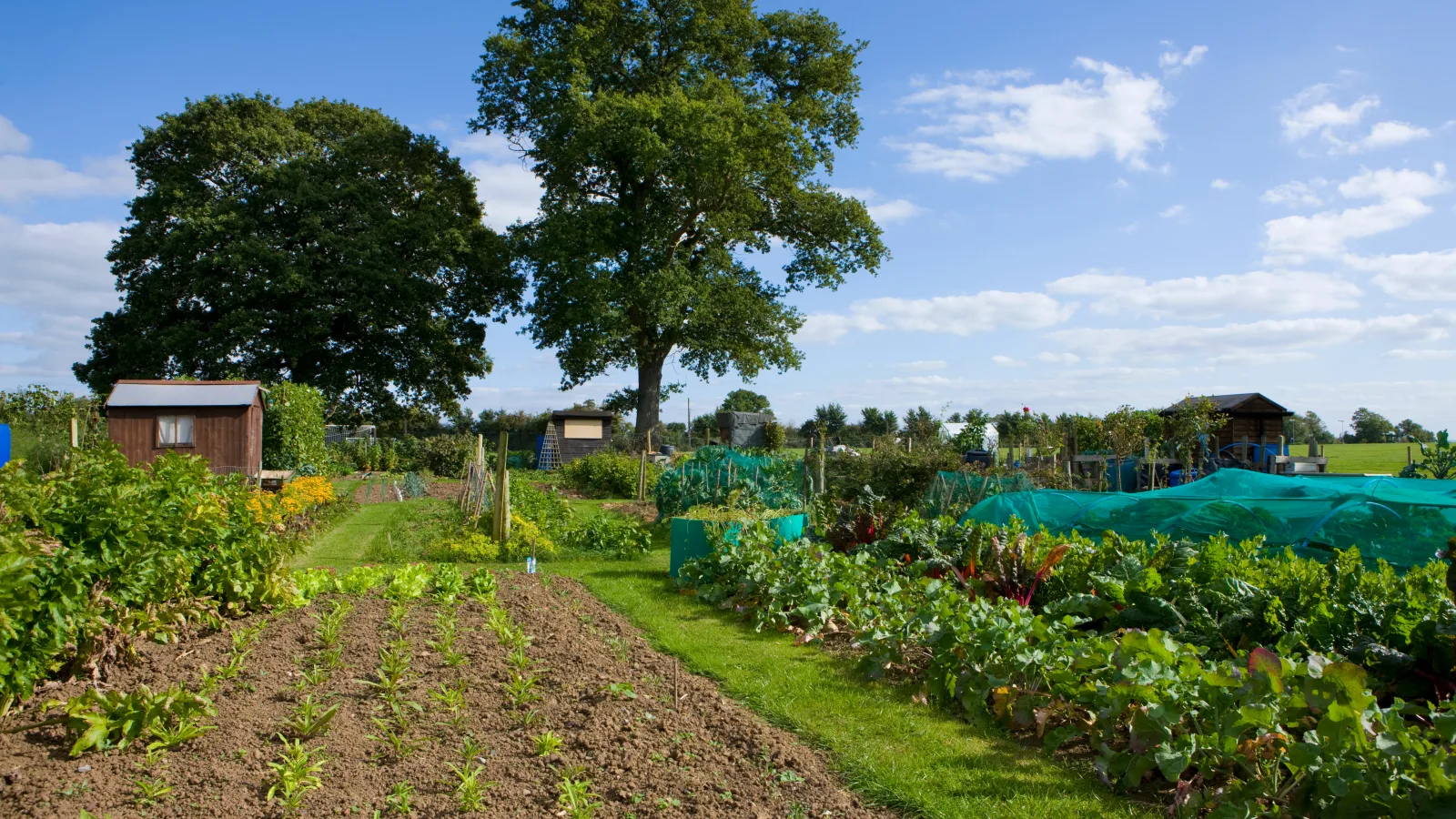
Touching Soil in the Heart of the City: The 'Green Pause'
Urban gardening doesn't require a field—just a few pots, a sunny window, and a little patience. Here's how to start small with lettuce, cherry tomatoes, and basil, and turn ten minutes in the soil into a daily breather.
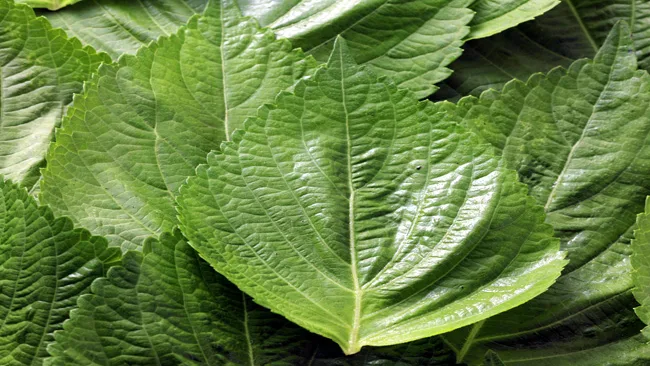
Perilla Grows Back as Fast as You Pick It
Perilla is a crop that grows back as fast as you pick it. Harvest from the bottom up, pinch the growing tip once at five or six nodes, and you'll be gathering tender leaves all summer long.
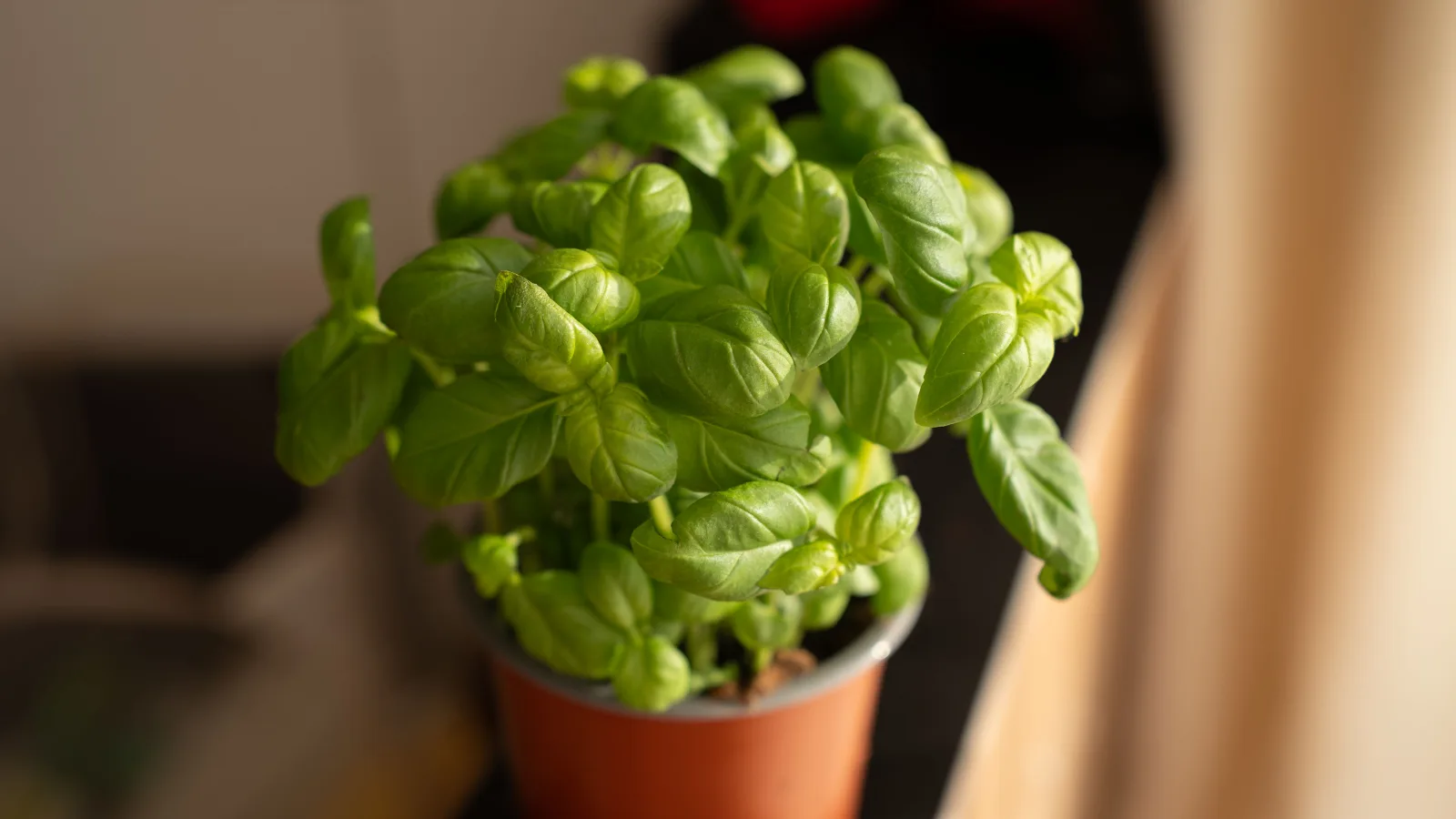
Growing Basil in a Balcony Pot: Start in May and Enjoy the Scent Right Through Fall
Starting basil from a seedling in May sets you up for fragrant leaves from June through October. With sunlight, steady watering, and regular pinching, a single balcony pot delivers fresh harvests all season.
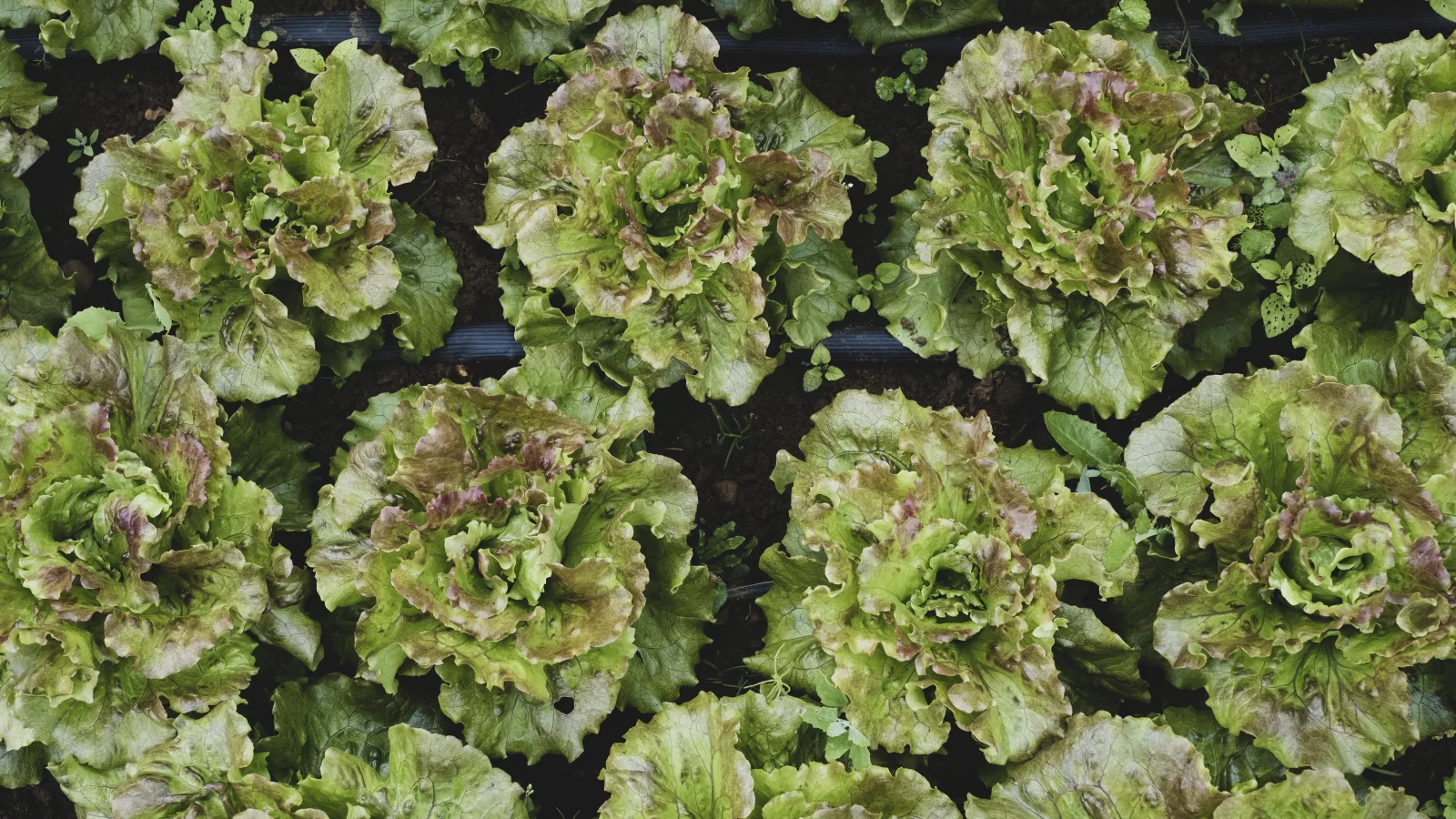
Lettuce in a Jug of Water: A Hydroponic Kit From Seed to Supper
A simple hydroponic kit lets you grow leaf lettuce on the balcony with nothing but water, a small pump, and a bit of light. It's the most foolproof first crop for a city gardener, and a sleep-friendly green on top of that.
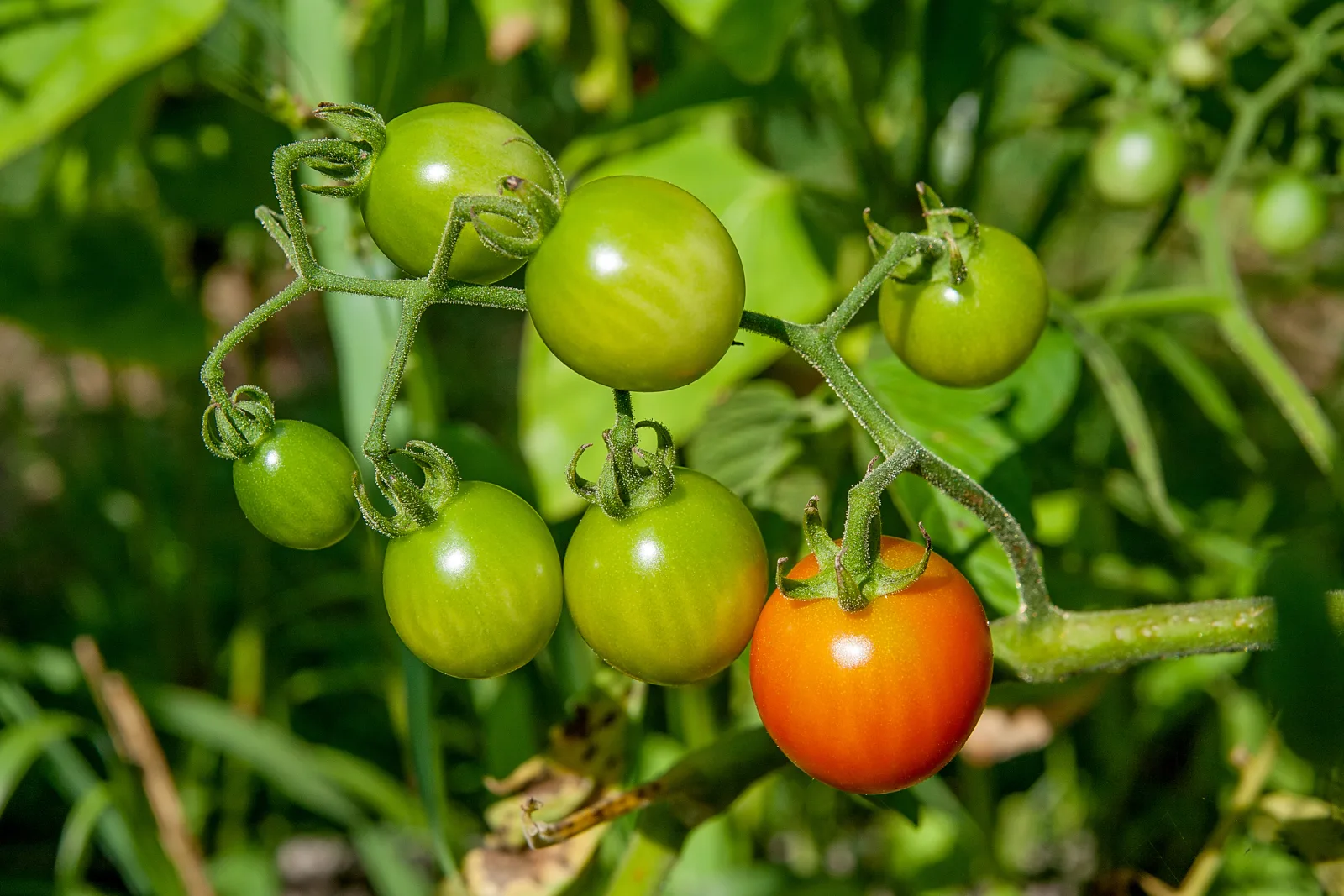
Growing Cherry Tomatoes: One Balcony Pot Is All You Need
Cherry tomatoes are the easiest fruiting vegetable to grow in a single pot, going from a spring seedling to ripe red fruit you pick all summer long. Here's how to plant, pinch, water, and enjoy them right from your balcony.
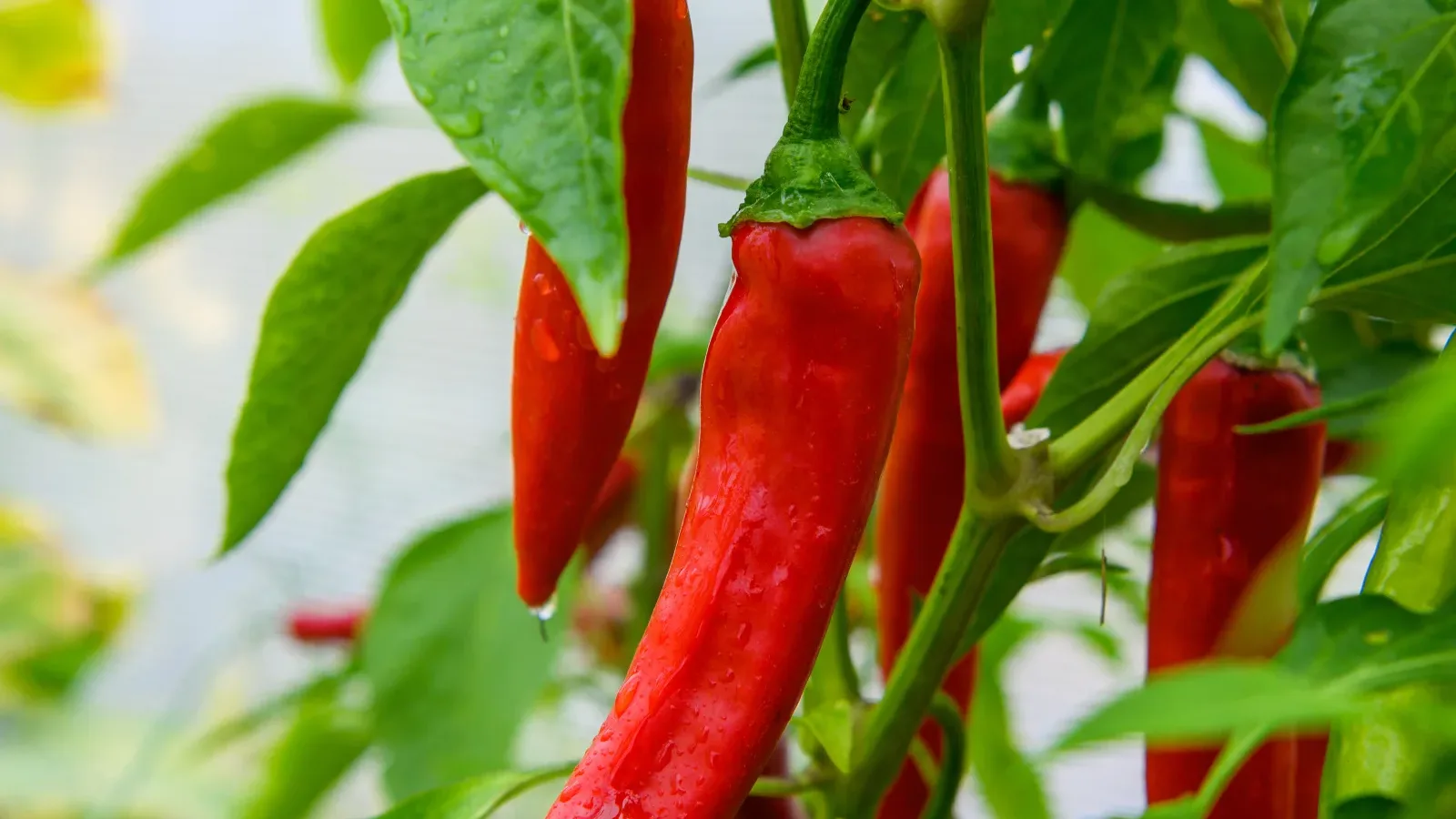
Pepper Anthracnose: Check the Undersides of the Leaves Before the Rain
As June arrives, the rains grow frequent over the pepper patch. Anthracnose doesn't strike suddenly after a long wet spell. It settles onto the leaves and fruit and waits, which is why a quick look underneath the leaves on a clear day can save the entire crop.
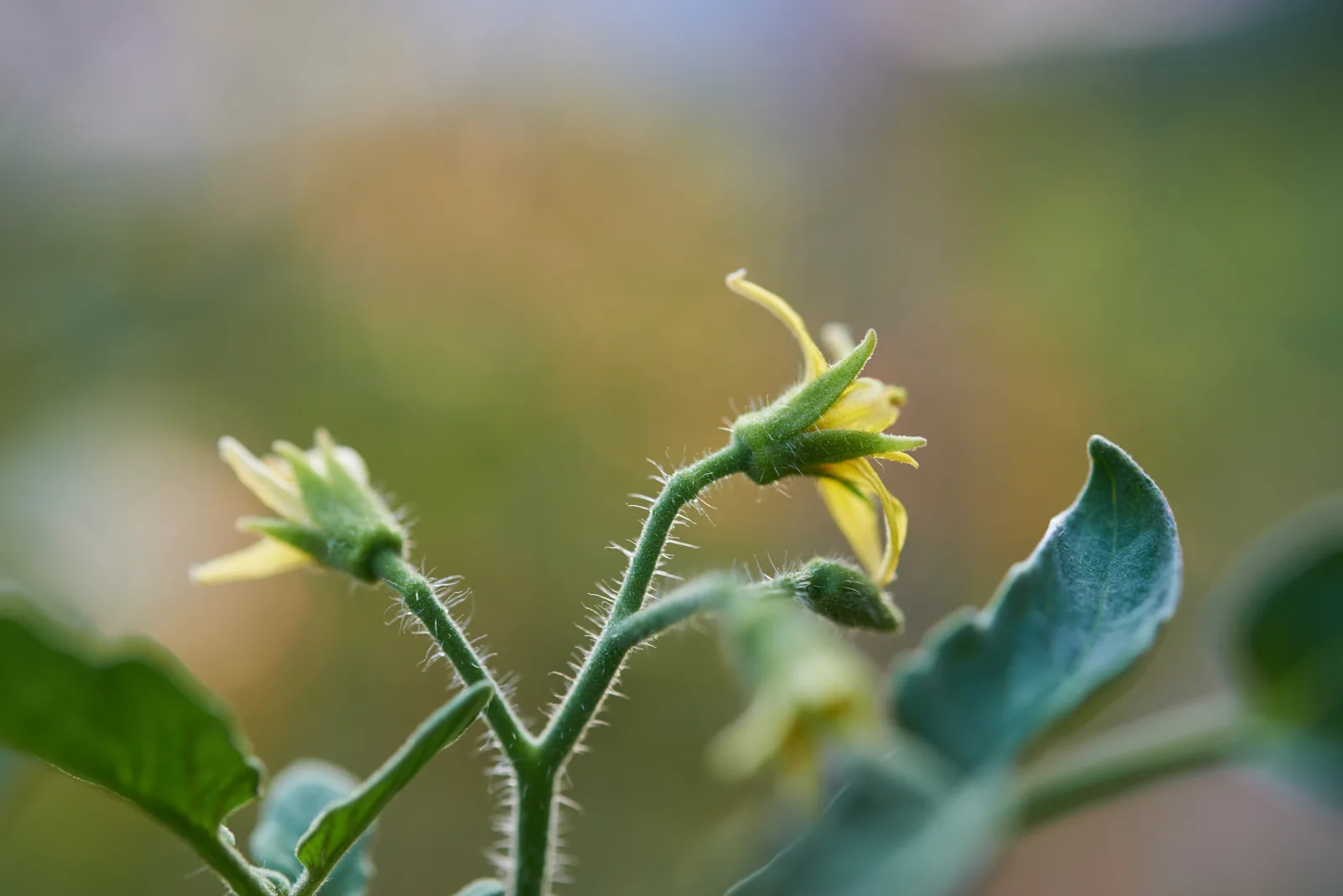
Cherry Tomatoes: When to Pinch That First Sucker
Once your potted cherry tomato reaches knee height, small shoots called suckers begin sprouting where the leaves meet the stem. Knowing when to pinch the first one makes a real difference in how much a single plant yields.