Minari by the Garden Ditch
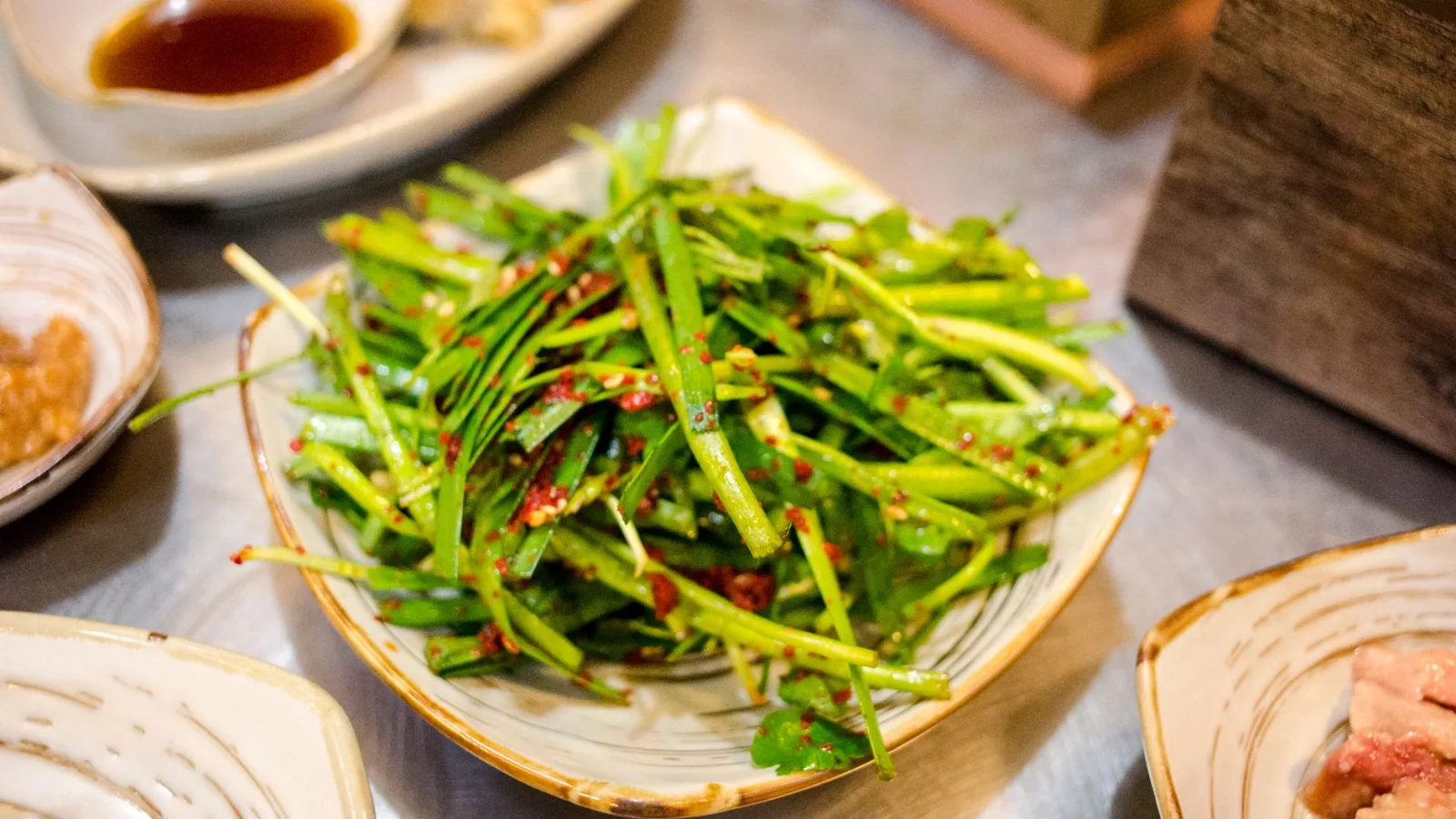
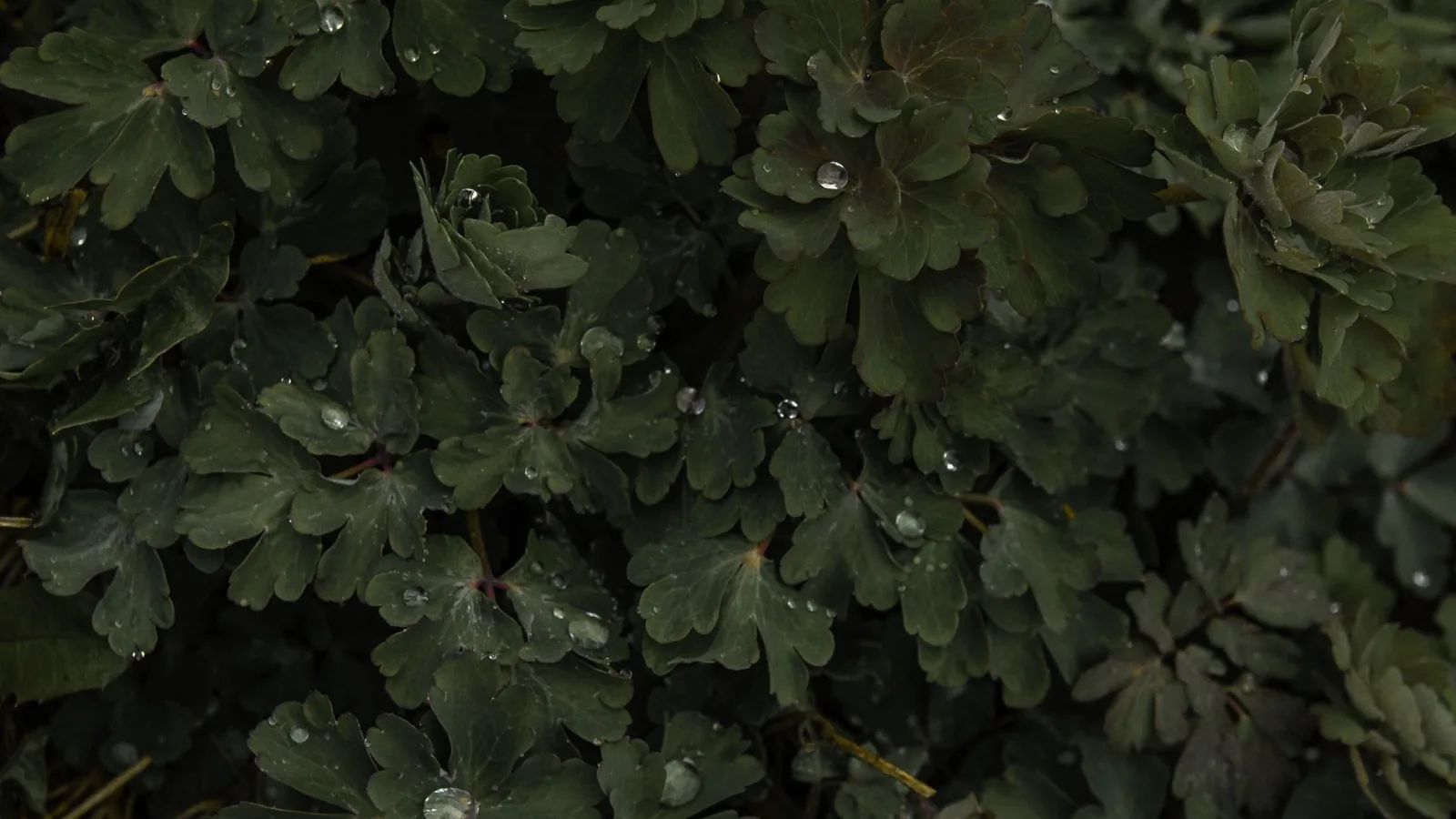
Homi friends, as spring deepens, the corner of the garden nearest the water turns an especially vivid green. That's where the minari comes up. Also called water dropwort or Korean watercress, it's a spring staple in Korea. Snap off a stem and hold it to your nose, and the first thing you notice is a fresh, green scent with a hint of the water it grew in. Blanched and lightly seasoned, it brightens the whole table. A handful tossed into maeuntang (spicy fish stew) makes the broth taste noticeably cleaner.
Minari prefers wet ground to dry soil, and the Donguibogam, the 17th-century Korean medical classic, noticed this too. It records the plant's old name as suyeong (水英) and says it "grows in water" (生水中). It even describes the plant closely: leaves like those of cheongung (芎藭, a medicinal herb in the carrot family), white flowers, no fruit, and white roots. It's a little surprising that an old medical text studied the same plant you see in your garden that carefully, and it makes this ordinary green seem a bit more special.
What the Donguibogam Says
The Donguibogam describes the nature of minari (水芹, sugeun) as neutral (平), meaning neither warming nor cooling. It also notes a second view that minari is cold (寒). Its flavor is sweet (甘) and it is nontoxic (無毒), so the text clearly considered it a vegetable almost anyone could eat without worry.
The section on its benefits is where things get interesting. First, it says minari relieves restless thirst (煩渴), a mix of dry mouth, an unsettled, stuffy feeling in the chest, and thirst. It goes on to say minari nourishes the spirit and replenishes essence (jeong, 精), making a person "plump and strong" (養神益精, 令人肥健). "Plump" here has nothing to do with extra pounds. It's best read as an old way of saying the body stays well nourished and sturdy rather than thin and frail.
Drinking gets a mention, too. The Donguibogam says minari counters the "heat toxins" that follow drinking (酒後熱毒). It also says minari keeps both the large and small intestines moving (利大小腸) and treats five kinds of jaundice (五種黃疸). Other notes recommend it for women's abnormal uterine bleeding and discharge (崩中帶下) and for sudden fevers in young children (小兒暴熱).
As for which organs it acts on, the text names the lungs, stomach, and liver, and ties minari especially to detoxifying the liver. This matches a longer tradition, going back to the Donguibogam, of serving minari to people recovering from jaundice or liver trouble. Under another name, sageun (渣芹), the text adds that it nourishes the spirit, supports the blood vessels, and whets the appetite (養精神, 保血脉, 嗜飮食). It suggests this name refers to the tender minari that grows back after being cut for eating in spring and summer.
How It Compares with Modern Nutrition
Read these old records with modern eyes and you'll find real common ground. The Donguibogam says minari eases thirst and keeps the intestines moving, which fits well with the fact that it's high in water and dietary fiber. Its note about countering the effects of alcohol also echoes a long folk tradition in Korea, China, and Japan of drinking minari juice to cure a hangover.
Its view of minari as good for the liver and for jaundice is worth a closer look as well. Some modern studies have reported that minari may help protect the liver. Still, treat this as background only. It would be going too far to say that eating minari cures liver disease. It's enough to know that the Donguibogam and today's research point in roughly the same direction.
From Garden to Table
There are plenty of ways to enjoy it. Raw minari is lovely in salads or tucked into ssam (lettuce wraps), and a quick blanch before seasoning really brings out its fragrance. It also works well in soup, juice, kimchi, and jeon (savory Korean pancakes). The Donguibogam itself lists pickling it like kimchi (虀葅), blanching it, and eating it raw, and says any of these is fine. So enjoy it whichever way you like best.
One word of caution if you plan to gather wild minari from streams or wetlands outside your garden. Wild minari looks very much like northern water hemlock (Cicuta virosa), which is highly poisonous. If you can't be sure where a wild plant came from, it's safest not to pick it. Anyone allergic to plants in the carrot family (Apiaceae), such as celery or parsley, should also be careful.
All of this history comes with one bundle of minari from a spring ditch. The next time you trim a bunch, take a moment to remember the people long ago who turned to it to quench their thirst and recover after drinking.